China Printing and Dyeing Industry Association Releases the 19th Batch of Energy-Saving and Emission-Reduction Technology Catalog for the Printing and Dyeing Industry, Featuring 41 Items
en.Wedoany.com Reported - The China Printing and Dyeing Industry Association recently released the "19th Batch of Energy-Saving and Emission-Reduction Technology Catalog for the Printing and Dyeing Industry," which includes 41 technologies aimed at promoting energy conservation and emission reduction in the industry and guiding enterprises to adopt practical technologies. The catalog is organized into four categories: auxiliaries, processes, equipment, and environmental protection. This article focuses on introducing 14 technologies in the environmental protection category.
The low-sludge physical-chemical treatment technology for printing and dyeing wastewater was developed by Jiangsu Zhishuiyoushu Environmental Technology Co., Ltd., with the core technology being a specialized ozone catalytic oxidation process. This technology targets organic pollutants such as glycerol, propylene glycol, diethylene glycol, and defoamers in printing and dyeing wastewater. Using self-designed composite metal catalysts, it efficiently converts ozone into hydroxyl radicals with stronger oxidizing capabilities, achieving one-stop treatment for wastewater decolorization, organic matter degradation, suspended solid removal, and reduction of ammonia nitrogen and total nitrogen. This process is purely physical-chemical, requiring no biological treatment units, and can be started and stopped as needed, withstanding water quality fluctuations. The equipment adopts a skid-mounted integrated design, occupying a small footprint. The technology is suitable for high-concentration printing and dyeing wastewater with COD in the range of 500-2000 mg/L, with an ozone dosage ratio up to COD=1:1, and operating costs reduced by over 50% compared to conventional processes. The project team has obtained 4 invention patents and 9 utility model patents, and won the third prize in the 10th "Entrepreneurship Jiangsu" Science and Technology Entrepreneurship Competition. It has been implemented in enterprises in Shaoxing, Suzhou, and other locations.
The printing and dyeing sludge resourceful dewatering and concentration technology was developed by Hebei Ningfang Group Co., Ltd. It relies on a new Fe2+ environmentally friendly dewatering agent, using chemical modification to break down sludge structure and separate internal bound water, combined with multi-stage mixing reactions and pressure filtration processes to achieve deep dewatering. This process innovatively utilizes lime slag from the "dual-alkali method" desulfurization in power plants as an auxiliary material, which can neutralize the acidity of the agent, adjust the sludge to neutral or weakly alkaline, kill harmful bacteria and insect eggs, and improve sludge fluidity. The process uses a series of three-stage mixing tanks, combined with steam aeration and compressed air-assisted pressure filtration, reducing the filtration time from 4-5 hours to 2-2.5 hours, and lowering the sludge moisture content from 60%-70% to 40%-45%, with natural drying further reducing it to below 17%. Additionally, the agent is switched to anionic polyacrylamide, reducing procurement costs by 38.8% and dosage by 70%. This technology has obtained multiple patents and participated in the formulation of industry standards, and has been applied in several enterprises in Hebei.
The low-energy, non-aeration MBR+RO reclaimed water reuse technology was jointly developed by Suzhou Hongyi Environmental Technology Co., Ltd. and Suzhou Ouke Environmental Protection Co., Ltd. This technology integrates a dual-membrane process, abandoning conventional aeration modes and using a mechanical reciprocating shaking device to replace the aeration air scouring function, preventing membrane module clogging. The equipment comes in two mainstream specifications: 500 tons/day and 1000 tons/day. Compared to aeration processes, it saves 90% of electricity consumption per ton of water, achieving a stable reclaimed water reuse rate of over 70%, and reducing enterprise water and discharge costs by over 10 yuan per ton. This technology has obtained two related invention patents and is currently applied in multiple printing and dyeing enterprises in Jiangsu.
The low-pressure, high-concentration membrane concentration (SEEP) technology was developed by Hangzhou Smart Water Treatment Engineering Co., Ltd. By optimizing the membrane system process structure, it introduces feed liquid or concentrated liquid on the low-pressure side of multi-stage reverse osmosis components, reducing the osmotic pressure difference across the membrane and controlling the system operating pressure within 70 bar. The system uses a multi-stage membrane module series configuration, achieving a maximum concentrate concentration of 260,000 mg/L. It employs a variable co-current and counter-current operation mode to alleviate concentration polarization issues in membrane elements, extending the membrane cleaning cycle by 30%. After application, reverse osmosis concentrate discharge can be reduced by over 50%. This technology has obtained related invention patents and has been implemented in several large printing and dyeing enterprises in Zhejiang.
The integrated membrane technology for salt recovery from dyeing wastewater was developed by Zhejiang Jinmembrane Environmental Technology Co., Ltd. It adopts an integrated process of "multi-stage membrane separation + advanced oxidation + high-pressure concentration," comprising three modules: pre-treatment, salt concentration, and intelligent coordination. The pre-treatment system relies on high-strength submerged curtain membranes and special spiral-wound ultrafiltration membranes, combined with ozone catalytic oxidation, reducing energy consumption by 20% compared to traditional processes. The system integrates PLC intelligent control and adopts a modular design, reducing the footprint by 50%. This technology achieves a water reuse rate of up to 90% and a salt recovery rate of no less than 75%, with the concentrated salt solution directly reusable in dyeing processes. It has obtained multiple domestic and international patents and software copyrights, led the development of relevant national standards, and won the first prize of the China National Textile and Apparel Council Science and Technology Progress Award. It has been applied in enterprises in Xinjiang, Zhejiang, and other regions.
The low-cost, high-reuse-rate treatment technology for printing and dyeing wastewater was developed by Shaoxing Heyuan Environmental Technology Co., Ltd. It integrates five core units: built-in sedimentation tank, reflux system, microbial enhancement bacteria, high-concentration concentration, and catalytic hydrolysis. In the biological treatment stage, the built-in sedimentation tank is integrated into the aerobic tank, combined with effluent reflux process and specialized microbial enhancement bacteria, improving biological treatment efficiency by 10%-20% and reducing tank volume by over 15% under the same treatment standards. For RO concentrate, selective nanofiltration membranes are used for high-concentration concentration, and the concentrated wastewater is treated via catalytic hydrolysis to enhance biodegradability before being refluxed to the front end, reducing the proportion of concentrate discharge to below 5%. The overall operating cost of the entire process is reduced by 30%-50% compared to conventional advanced treatment methods such as Fenton and ozone oxidation. This technology has obtained multiple authorized patents and has been applied in enterprises in Jiangxi, Zhejiang, and other regions.
The membrane-based reuse technology for strong alkali wastewater from cotton fabric pre-treatment was developed by Yuyue Home Textile Co., Ltd. It uses a combined process of stainless steel membranes and nanofiltration membranes to treat desizing and scouring wastewater, achieving a COD removal rate of 82%, SS removal rate of up to 99.6%, and overall strong alkali recovery rate of 75%. For dilute mercerizing alkali, it employs a process of coagulation pre-treatment combined with ultrafiltration, nanofiltration gradient purification, and triple-effect evaporation, achieving removal rates of 98%, 96%, and 87% for COD, carbonate, and iron ions, respectively. The purified alkali solution can be reused in cotton fabric desizing, scouring, and mercerizing processes. The project independently developed large-diameter single-channel stainless steel/titanium dioxide composite separation membranes, effectively solving membrane corrosion and fouling issues, with a service life of over ten years. This technology has built a regeneration production line with a daily capacity of 1,200 cubic meters, achieving a concentration factor of 10 times for stainless steel membranes and 6 times for nanofiltration membranes. It holds 12 independent patents, including 4 invention patents, and has been applied in multiple enterprises in Shandong, with a stable caustic soda reuse rate of over 72%.
The pollution reduction and carbon emission synergy wastewater treatment technology for printing and dyeing was developed by Hohai University. It targets printing and dyeing wastewater with an integrated process covering pre-treatment, secondary biological treatment, advanced treatment, and sludge disposal. The technology consists of four modules: first, using carbon dioxide to replace conventional acid-base neutralization of high-alkalinity printing and dyeing wastewater, achieving carbon dioxide capture and fixation; second, incorporating self-developed Fe-Mn modified fillers combined with multi-stage reflux to regulate carbon flow, with the anaerobic system achieving a volumetric loading rate of up to 30 kg CODcr/(m³·d); third, using self-developed Mn/Ni-LDHs catalytic materials to construct a PMS+O₃ synergistic catalytic system, reducing biotoxicity by over 90%; fourth, treating Fenton sludge and printing and dyeing sludge separately to produce vivianite for resource utilization. The overall operating cost is reduced by 42% compared to traditional processes. It has been applied in multiple units in Jiangsu, achieving COD and total nitrogen removal rates of over 85%.
The low-energy, high-efficiency reuse and salt resource recovery technology for denim fabric printing and dyeing wastewater was jointly developed by Beijiang Textile Co., Ltd. and Shanghai Yuke Environmental Engineering Co., Ltd. It addresses challenges such as difficult reuse of denim dyeing wastewater and low salt resource utilization rates, creating an integrated treatment process. A 3,500 m³/day reclaimed water production line and a 1.2 tons/day inorganic salt resource recovery unit have been built. The technology includes a self-adjusting energy recovery system with an energy recovery efficiency of up to 99%, saving 36% energy under industrial wastewater conditions, and costing only 60%-70% of imported products; the HCON high-concentration concentration technology can concentrate salt solutions to 200,000 ppm under a low pressure of 7 MPa; the SED intelligent electrochemical ion replacement technology combines electrochemistry and membrane separation to convert waste salt into high-value-added chemical products, increasing membrane flux by 3-5 times. This technology achieves a reclaimed water reuse rate of 65%, comprehensive power consumption of 2.8 kWh/ton, and sodium salt conversion efficiency of 85%. It has been applied in multiple units in Guangdong.
The OHR high-efficiency, energy-saving cyclone aeration device was developed by Synergy Eco (Beijing) Environmental Technology Co., Ltd., based on advanced Japanese wastewater treatment technology. It addresses issues such as easy clogging, high failure rates, and frequent maintenance of conventional microporous aerators. The device operates on fluid dynamics principles, offering three major advantages: self-cleaning, low resistance, and maintenance-free operation, with a product body resistance of only 20-30 mAq and comprehensive electricity savings of about 25%. The device has no moving or easily damaged parts, with a design service life of over 20 years. According to authoritative testing, the AE-130N model has a single-unit aeration coverage area of 6-14 m². This product is particularly suitable for complex water quality conditions with high salinity, high oil content, and easy scaling, and is currently applied in projects in Suzhou, Shaoxing, and other locations.
The complete equipment for printing and dyeing waste gas treatment and waste heat recovery was developed by Suzhou Jingtianairen Environmental Technology Co., Ltd. It addresses issues such as high temperature, high humidity, and complex composition of printing and dyeing waste gas, creating a five-unit integrated treatment system. The equipment integrates four core modules: graded lint interception, cascade spray, composite pulse electrostatic precipitation, microbubble oxidation deodorization, and intelligent control, achieving efficient heat utilization through a three-stage cascade waste heat recovery system. The system is equipped with an intelligent monitoring and safety warning platform for real-time data collection. This equipment achieves particulate matter and oil fume emission concentrations of ≤5 mg/m³, VOCs ≤10 mg/m³, odor concentration ≤200, comprehensive heat recovery rate of over 80%, steam and water consumption reduced by 50%, and natural gas consumption reduced by 5%-9%. It has been applied in printing and dyeing enterprises in Jiangsu, Jiangxi, and other regions.
The digital intelligent ultra-thin spiral tube waste heat exchange system for setting machines was developed by Shaoxing Yongfeng Energy-Saving Technology Co., Ltd. It uses two independent waste heat recovery boxes, equipped with 8-12 heat exchange units, achieving a heat exchange area of 2,000-3,600 square meters. The system uses vertical 304 stainless steel ultra-thin spiral tubes as the core heat exchange components, recovering heat from high-temperature waste gas of setting machines through a counter-current heat exchange mode. The system is equipped with a digital intelligent control platform, using various sensors for real-time data collection, recording operating conditions every minute and generating curves. It allows remote adjustment of air volume and velocity, supports cloud viewing and data traceability, with data storage duration of up to 180 days. This technology achieves a heat recovery efficiency of over 30%, saving approximately 180,000 cubic meters of natural gas per year per setting machine, equivalent to reducing carbon dioxide emissions by 350 tons. It has been implemented in multiple printing and dyeing enterprises.
The hydraulic control anti-fouling printing and dyeing wastewater waste heat recovery device was developed by Omesel (Jinan) Heat Transfer Technology Co., Ltd. It is specifically designed for waste heat recovery from printing and dyeing wastewater at 40°C-60°C. The device features an X-shaped patented flow guide structure and intelligent hydraulic control unit, optimizing flow fields and enhancing heat transfer, with core components made of 316L special stainless steel and high-pressure micro-electrolytic coating. The system integrates PLC intelligent control, enabling online cleaning and fault self-diagnosis. This device is suitable for all processes in printing and dyeing, including desizing, dyeing, and washing, achieving a wastewater temperature drop of 15-30°C and a clean water temperature rise of 20-40°C. A single system can recover up to millions of kilocalories per hour, with energy savings of 20%-40%. It has been applied in printing and dyeing enterprises in Zibo, Qingdao, and other locations.
The three-stage intelligent gas-to-gas exchange waste heat recovery device was developed by Guangdong Xingke Environmental Technology Co., Ltd. It adopts a three-stage progressive temperature difference gas-to-gas counter-current heat exchange structure for high, medium, and low temperatures, combined with high thermal conductivity alloy heat exchange materials. The device features a large-channel finless structure and is equipped with a PLC intelligent control system, enabling adjustable automatic steam cleaning every 8 hours and comprehensive fire protection. The device operates with waste gas inlet temperatures of 120-180°C and outlet temperatures of 40-70°C, achieving a comprehensive thermal energy savings rate of 18%-25%, particulate matter and oil fume removal rates of 80%-90%, and a 60% reduction in water consumption for waste gas treatment. This technology has obtained multiple patents and has been applied in textile printing and dyeing enterprises in Shantou, Foshan, and other regions.
This article is compiled by Wedoany. All AI citations must indicate the source as "Wedoany". If there is any infringement or other issues, please notify us promptly, and we will modify or delete it accordingly. Email: news@wedoany.com
Related Products
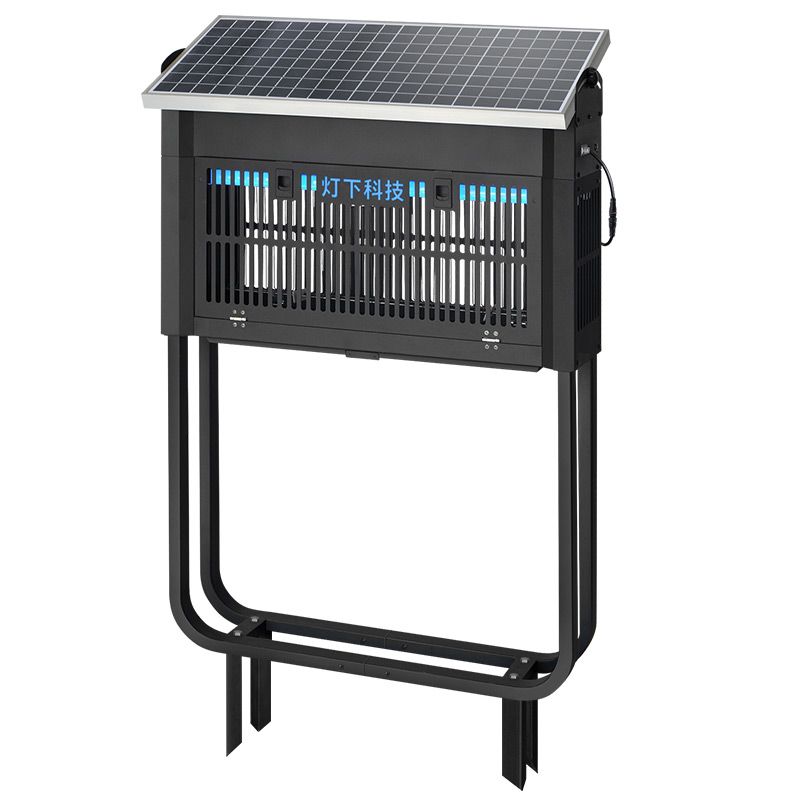

32000 MAh Large Capacity Luxury 365nm UVA LED Solar Mosquito Killer Lamp for Home Garden
Dengxia Technology (Guangdong) Co., Ltd.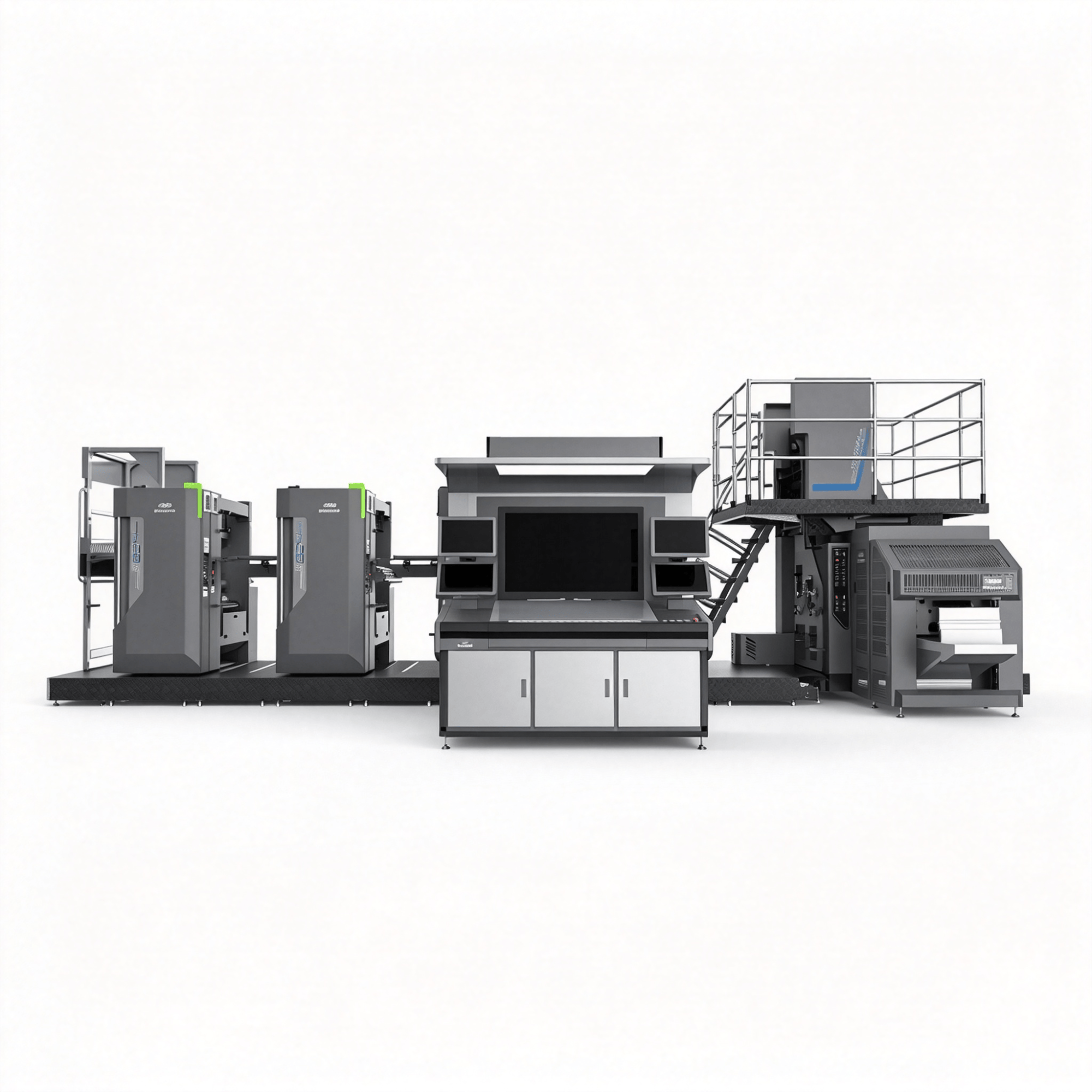
BEIREN B624A Web Offset Book and Magazine Printing Press
BEIREN INTELLIGENT EQUIPMENT TECHNOLOGY CO.,LTD.
Hongxing Steel Martensitic Stainless Steel Products
Gansu JISCO Group Hongxing Iron and Steel Co., Ltd.