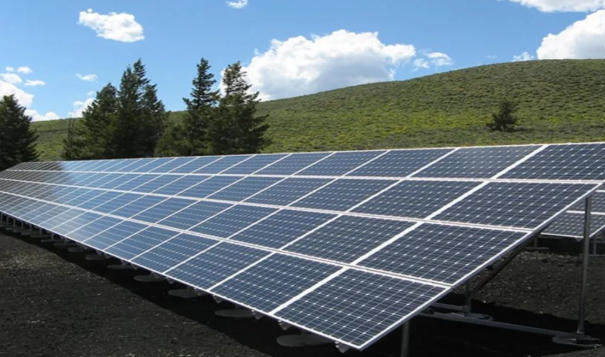
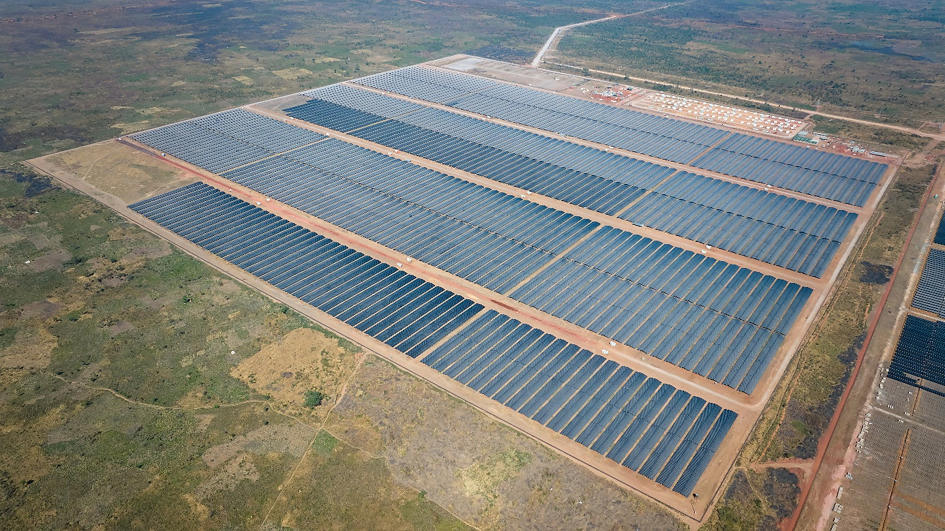
Vattenfall Builds Solar Park in Germany, Reduces Emissions by 67% with Low-Carbon Steel
en.Wedoany.com Reported - Swedish energy company Vattenfall, when constructing the Juliusburg/Krukow solar park in Germany's Schleswig-Holstein state, reduced carbon dioxide emissions in construction and the supply chain by 67% by using low-carbon steel from Swedish steel manufacturer SSAB in the photovoltaic substructure.
Solar power generation already contributes to climate protection in Germany, but the construction process of solar parks also generates carbon dioxide emissions—an aspect that has received less attention in the past. Vattenfall therefore plans to use low-carbon materials wherever possible in the construction of solar and wind farms. In the Juliusburg/Krukow solar park project, the company used low-carbon steel for the first time in its Krukow section to build the substructure (i.e., the photovoltaic mounting system) of solar modules. These steels are produced by SSAB using nearly 100% scrap steel raw materials, under the product name SSAB Zero™, with performance and quality identical to traditional steel. Compared to traditional steel, SSAB Zero reduces carbon dioxide emissions by 67%, from 460 tons to 153 tons.
Claus Wattendrup, Head of Solar and Battery Business at Vattenfall, stated that the electricity generated by the solar farm will help reduce Germany's dependence on imported fossil fuels, but fossil fuel freedom begins at the start of the supply chain. The company is pleased to take a step with SSAB in using low-carbon steel for the substructure, supporting the long-term societal goal of achieving fossil-free energy as an industry pioneer. Matts Nilsson, Vice President and Head of Sales for Europe at SSAB, noted that when clean energy like solar power is combined with low-carbon materials, the climate footprint of the entire value chain is reduced. SSAB Zero™ provides decarbonized steel with the same performance and quality as traditional steel. Vattenfall's decision to use this steel in the solar park is an important example, demonstrating how ambitious customers can help scale up emission reduction solutions and build demand for clean materials.
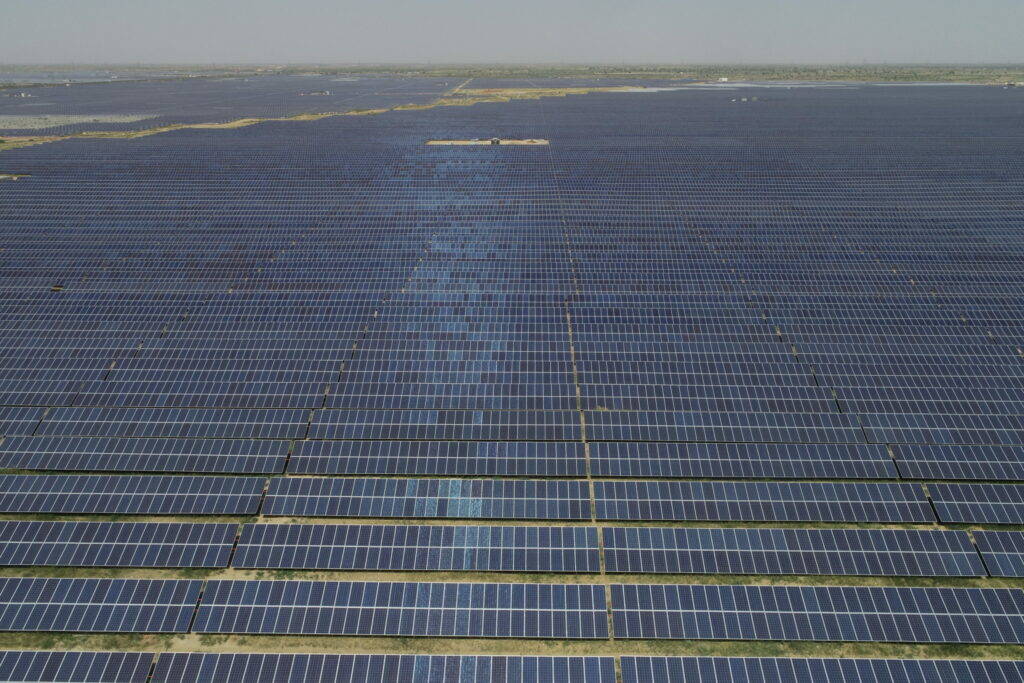
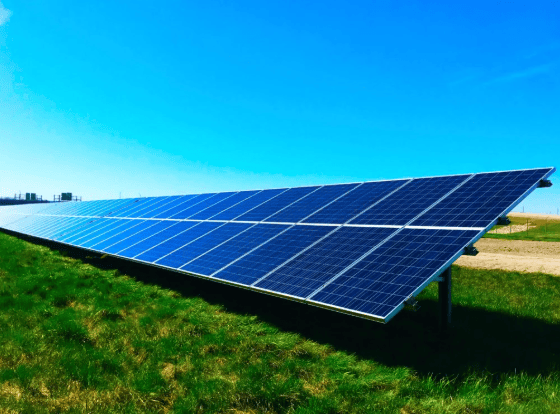
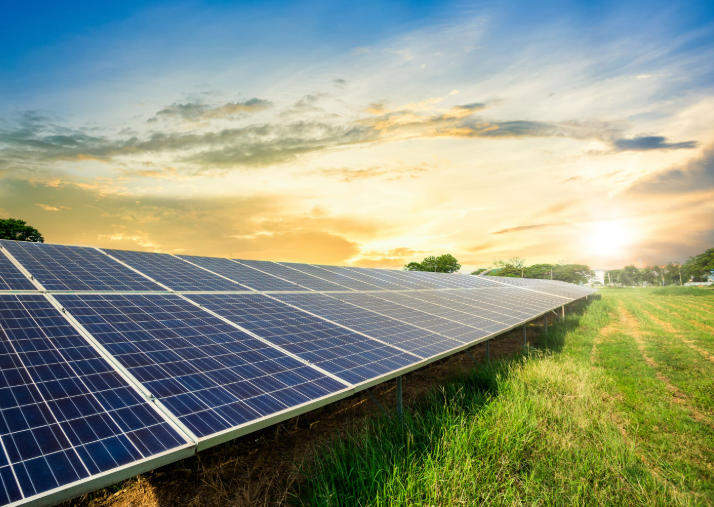
The Juliusburg/Krukow solar park is located in the Duchy of Lauenburg district in Schleswig-Holstein, Germany, near the municipalities of Juliusburg and Krukow. The solar park has a nominal capacity of 80 megawatts peak (MWp) and can generate up to approximately 80 GWh of fossil-free solar electricity annually, covering a total site area of about 74 hectares. In the Krukow section, the project uses SSAB's low-carbon steel for the substructure, reducing carbon dioxide emissions in construction and the supply chain by 67% compared to traditional steel.
This article is compiled by Wedoany. All AI citations must indicate the source as "Wedoany". If there is any infringement or other issues, please notify us promptly, and we will modify or delete it accordingly. Email: news@wedoany.com
Related Products

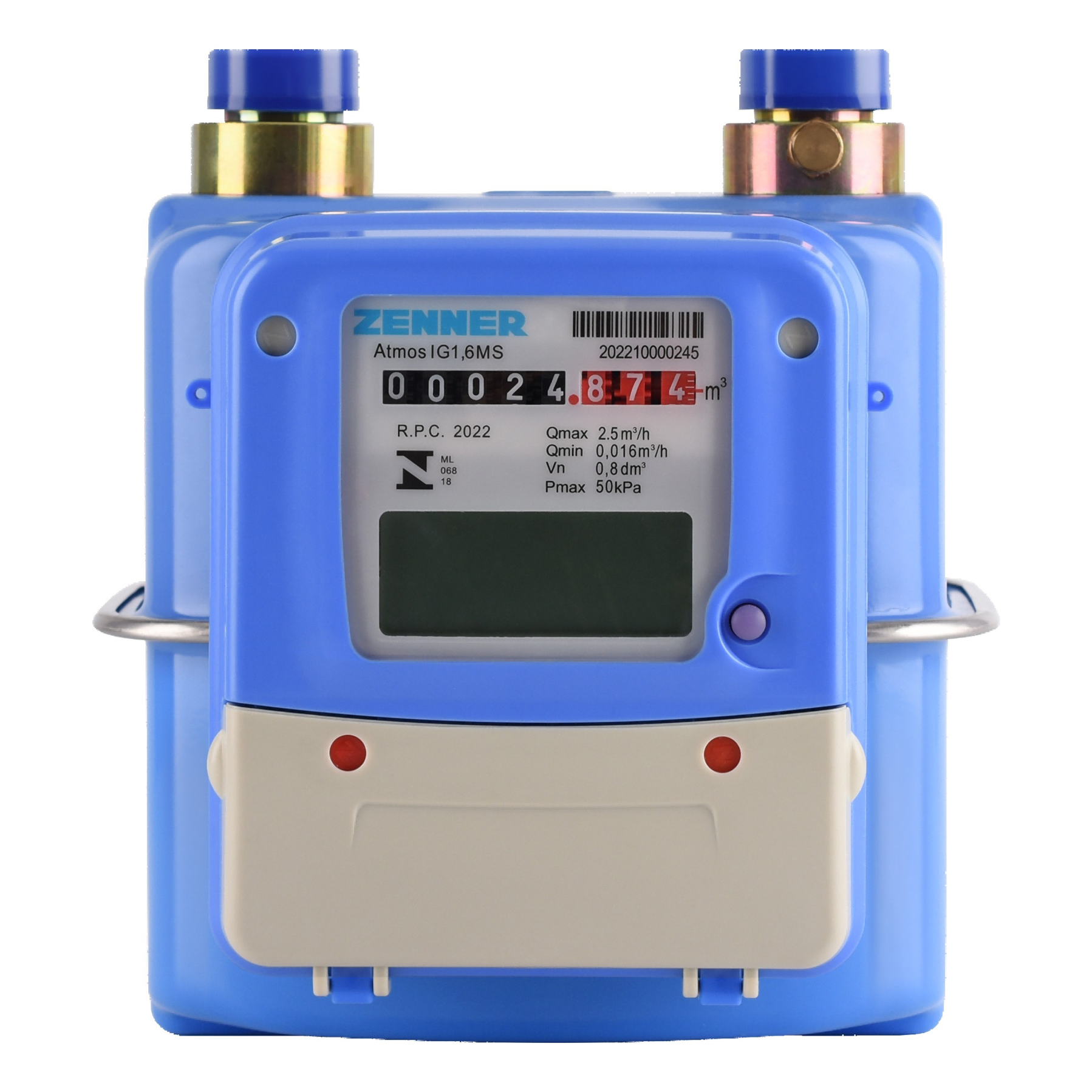
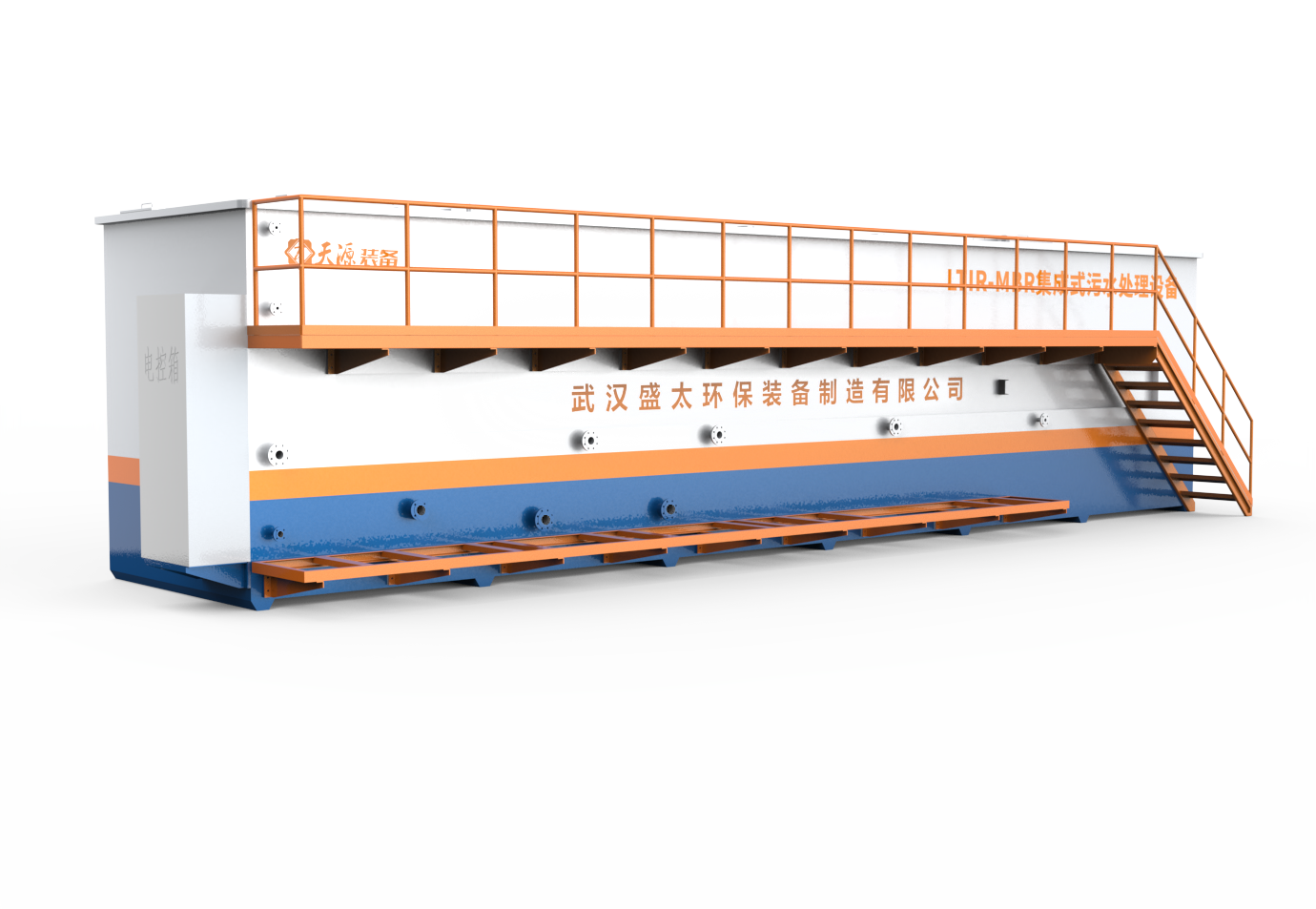

Off-Grid Fuel Cell Supercharging Station (180kW Configuration)
Shanghai REFIRE Group Limited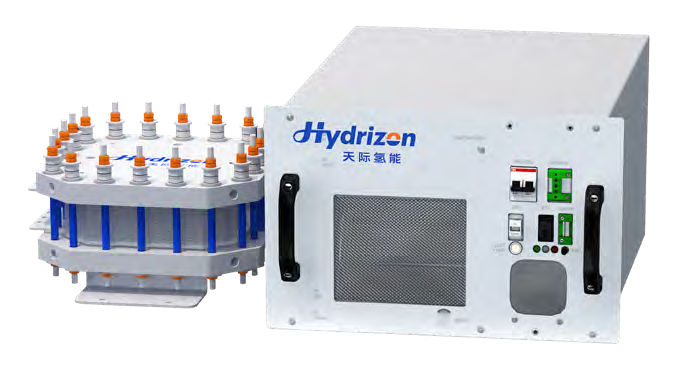
HI-Pro Green Hydrogen High-efficiency Production System-HI-PRO-AEM
Hydrizon Technology (Beijing) Co., Ltd.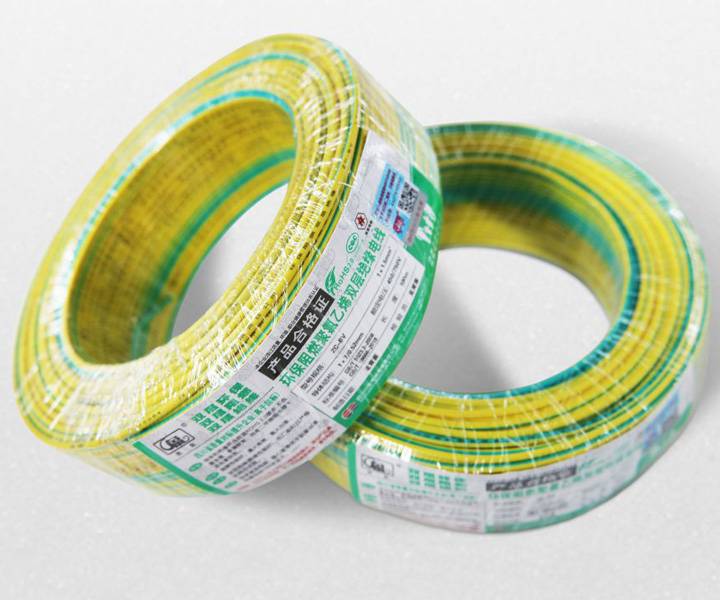
Environmentally Friendly Flame-retardant PVC Double-layer Insulated Wire
Sichuan Chndo Cable Co., Ltd.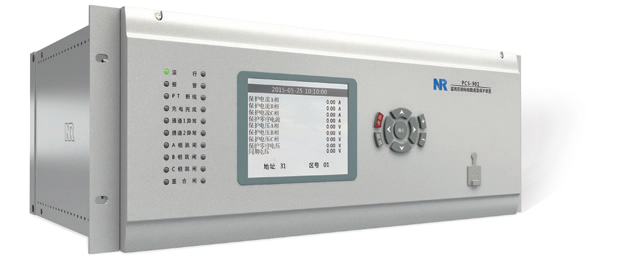
PCS-901 Series Ultra (Extra) High-voltage Transmission Line Complete Protection Device
Nanjing NR Electric Co., Ltd.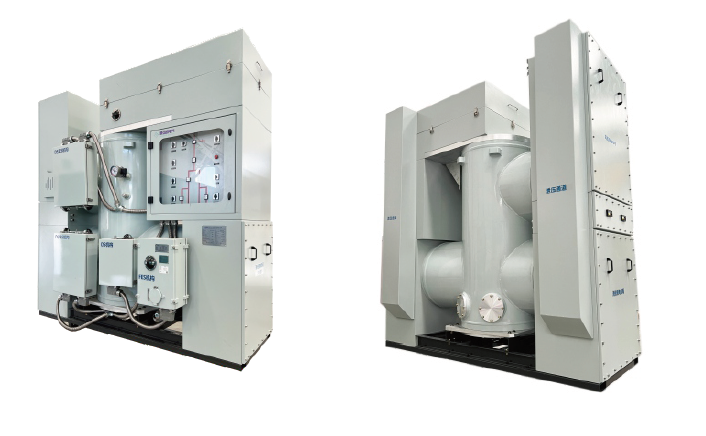
72.5kV 1250A 31.5kA SF6 free Gas-insulated Metal-enclosed Switchgear
Zhejiang Juhonkia Intelligent Electric Co., Ltd.
Microcomputer Protection and Substation Automation
Beijing Agent Devote Power Technology Development Co., Ltd.
220kV Composite Outdoor Cable Terminal
Shenyang Guolian Cable Accessories Manufacture Co., Ltd.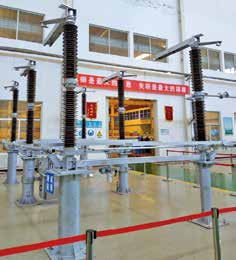
GW4-40.5/72.5/126/145/170/252/363/420 Series Double-column Horizontal Rotary High-voltage AC Disconnect Switch
SHANDONG TAIKAI DISCONNECTORS CO., LTD.