Chicago Builds Network of 277 Air Quality Monitors
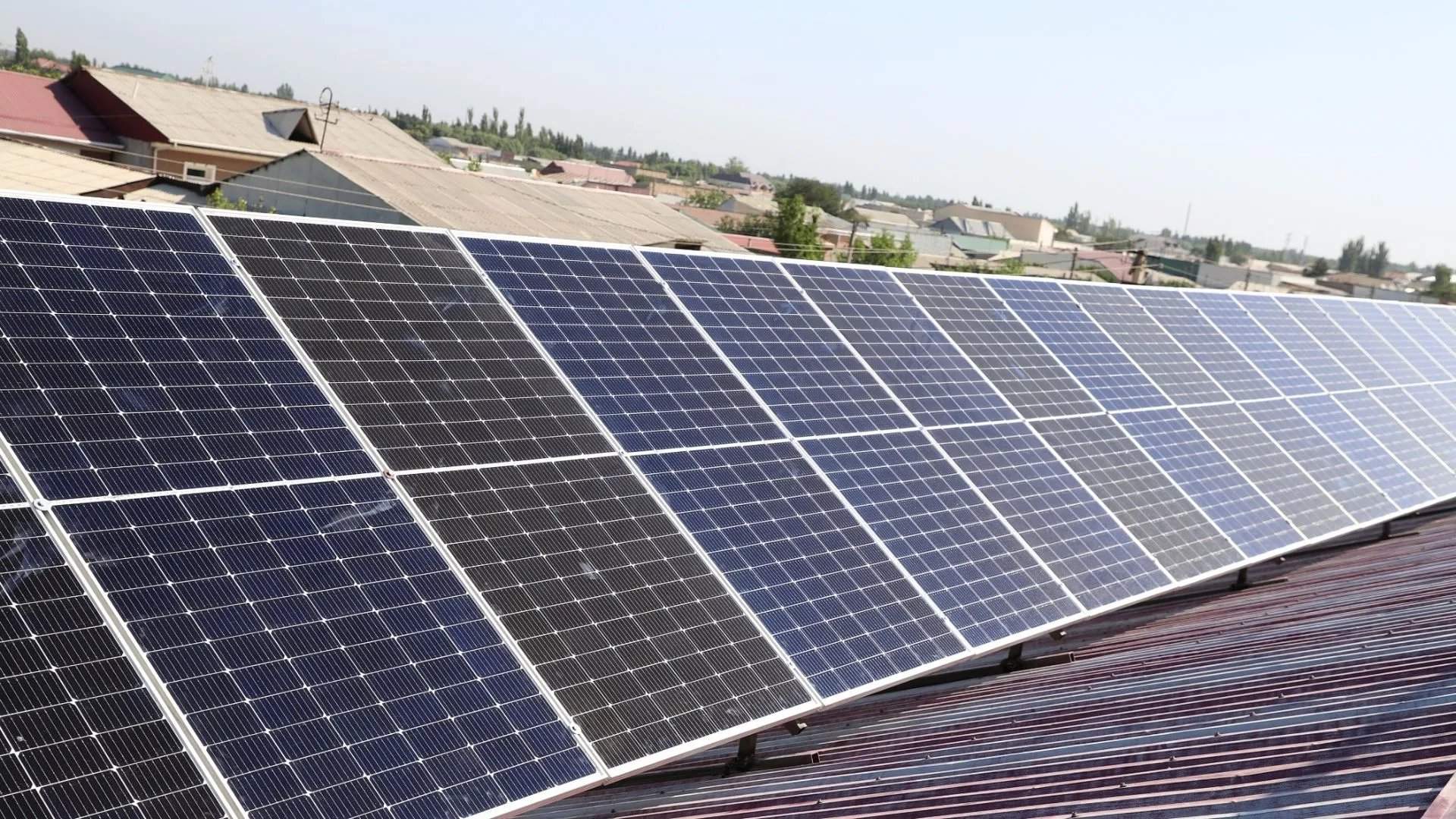
en.Wedoany.com Reported - The city of Chicago has deployed a community air quality monitoring network called "Open Air Chicago," consisting of 277 solar-powered air quality monitors covering every ward and community area in the city to collect hyperlocal air pollution data.

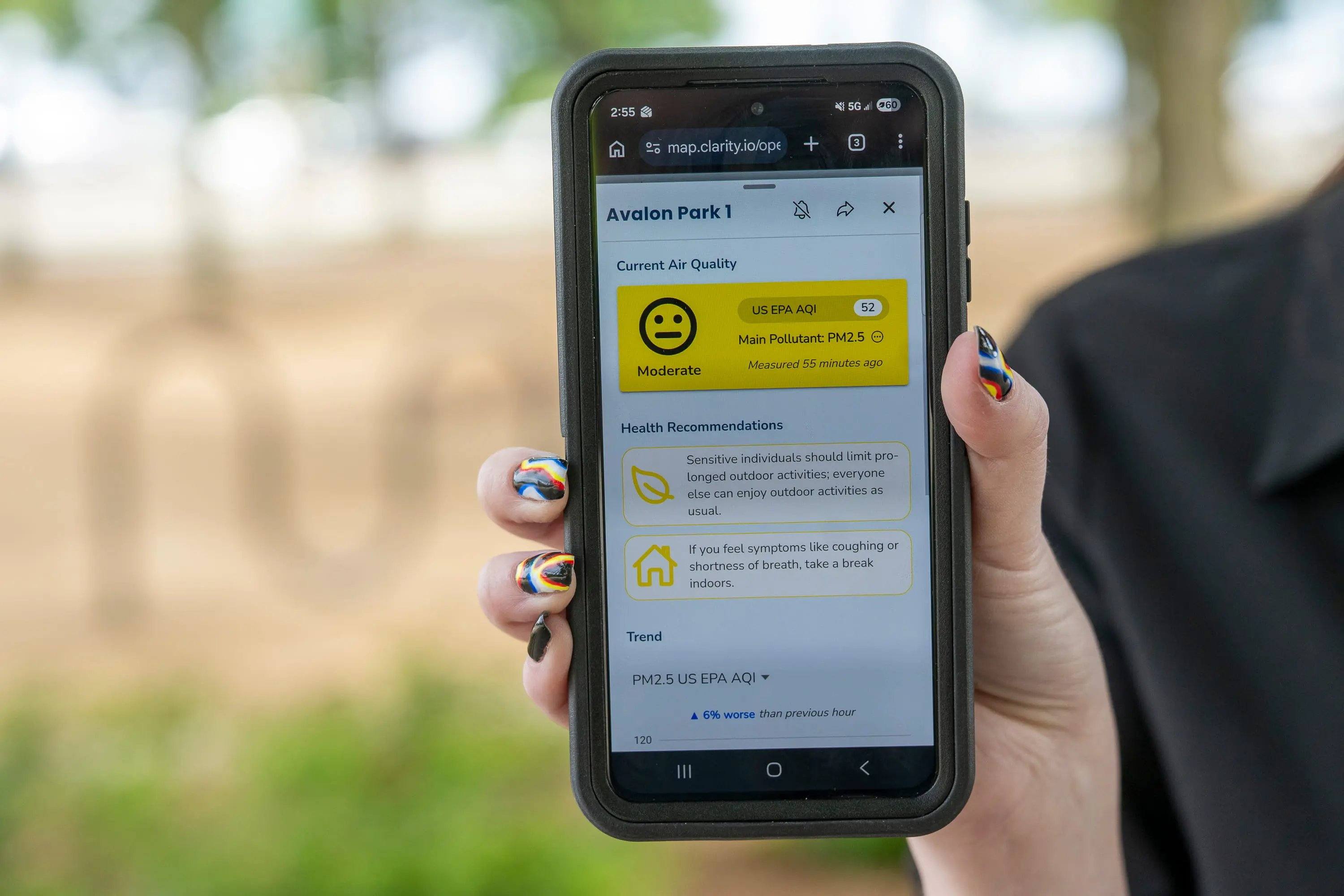
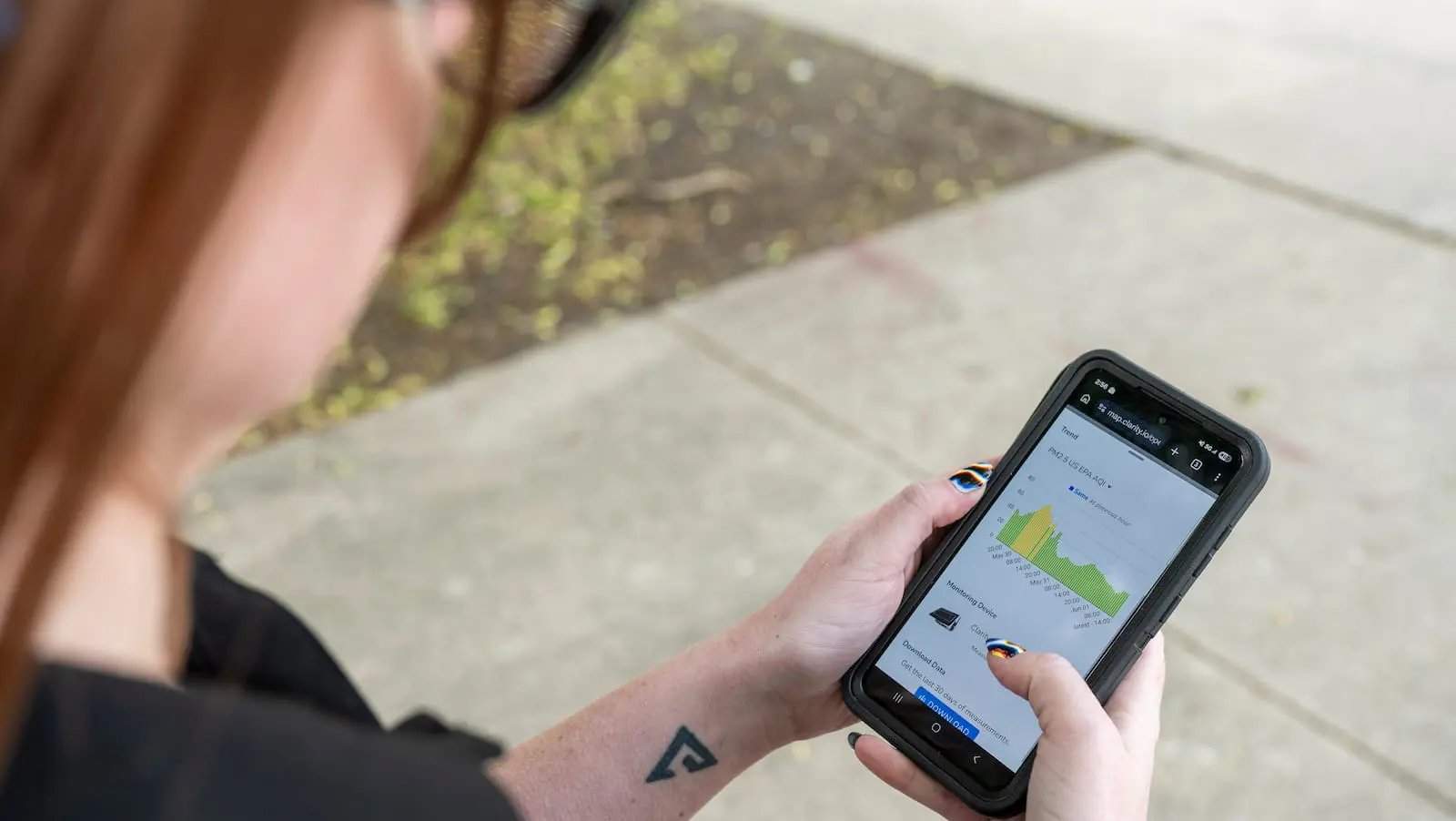
Serap Erdal, a professor of environmental and occupational health sciences at the University of Illinois Chicago, checked monitoring data via her phone in Grant Park, showing an air quality index of 31 at that location, placing it in the safest category of the U.S. Environmental Protection Agency (EPA). On that June day, nearly all monitors across the city displayed green, with only one monitor in the far south side showing an anomaly due to emissions from legacy industrial facilities and freight traffic.
The network is a result of a 2023 settlement between the city of Chicago and community groups over a civil rights complaint regarding the relocation of the General Iron scrap metal shredding operation. The complaint, filed in 2021 by local environmental activists with the federal Department of Housing and Urban Development, alleged that the relocation decision discriminated against low-income communities of color. The total project cost exceeds $4 million, covering operations through early 2030.
Each monitor is spaced less than a mile apart and measures ground-level concentrations of nitrogen dioxide, formed from fossil fuel combustion, and PM2.5. Erdal stated that the project is expected to continue until 2029, and city officials hope to extend its duration. The low-cost devices capture over 20,000 data points per day, providing hyperlocal information beyond that from NASA satellites and EPA regulatory-grade sensors.
Daniel Horton, an assistant professor of Earth and planetary sciences at Northwestern University, noted that climate change is intensifying ground-level ozone formation in the Midwest during summer. Increasing wildfire frequency and intensity further impact air quality: as of recently, wildfires have burned 2.5 million acres nationwide, roughly double the ten-year average for the same period. According to a study published earlier this month in the journal Science, stricter federal air quality rules between 2003 and 2015 reduced toxic gases that form ozone by about 11%, but rising ozone levels since 2015 have offset one-third of the progress the U.S. has made in clean air, with annual premature deaths linked to wildfire-related ozone increasing by 318 since 2013. In 2023, smoke from Canadian wildfires pushed Chicago's ground-level ozone concentrations to within 10% of federal pollution limits, with communities in the central, western, and southeastern parts of the city most affected by ozone.
Oscar Sanchez, director of the Southeast Environmental Task Force, stated that the monitoring system provides publicly verifiable air quality data for residents of the West and South Sides, who previously lacked time-stamped information to establish links between health conditions and air quality. Carl Malings, an assistant research scientist at Morgan State University and NASA Goddard Space Flight Center, added that ground-level monitoring data can supplement satellite data to clarify actual concentrations of air pollution near the ground.
This article is compiled by Wedoany. All AI citations must indicate the source as "Wedoany". If there is any infringement or other issues, please notify us promptly, and we will modify or delete it accordingly. Email: news@wedoany.com
Related Products


Off-Grid Fuel Cell Supercharging Station (180kW Configuration)
Shanghai REFIRE Group Limited
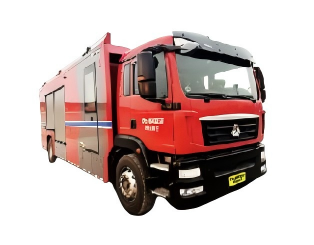
Modular Multifunctional Water Supply and Drainage Vehicle (18T)
Changsha Dewater Machinery Technology Co., Ltd.

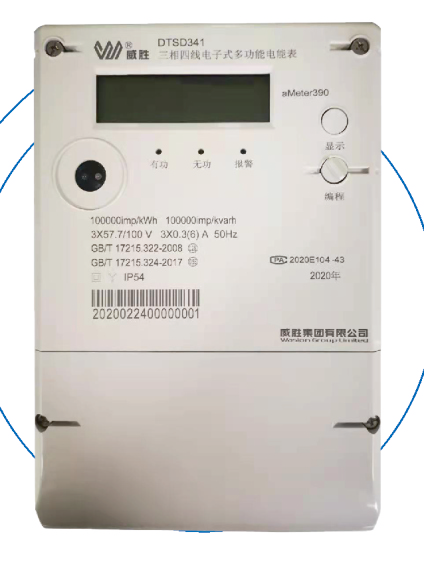
Overseas IEC Gateway Energy Meter - DTSD341/DSSD331-aMeter390
Wasion Group Limited Co., Ltd.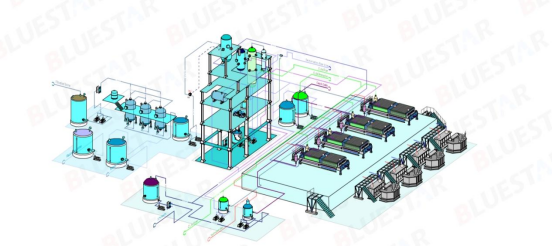
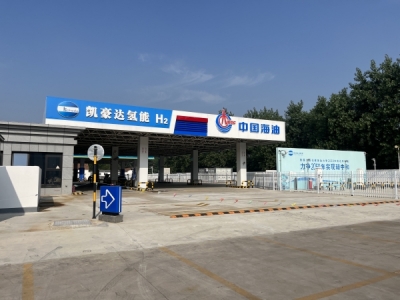
Hydrogen production and hydrogenation charging refueling gas integrated energy station
Shenzhen Kohodo Hydrogen Energy Co., Ltd.