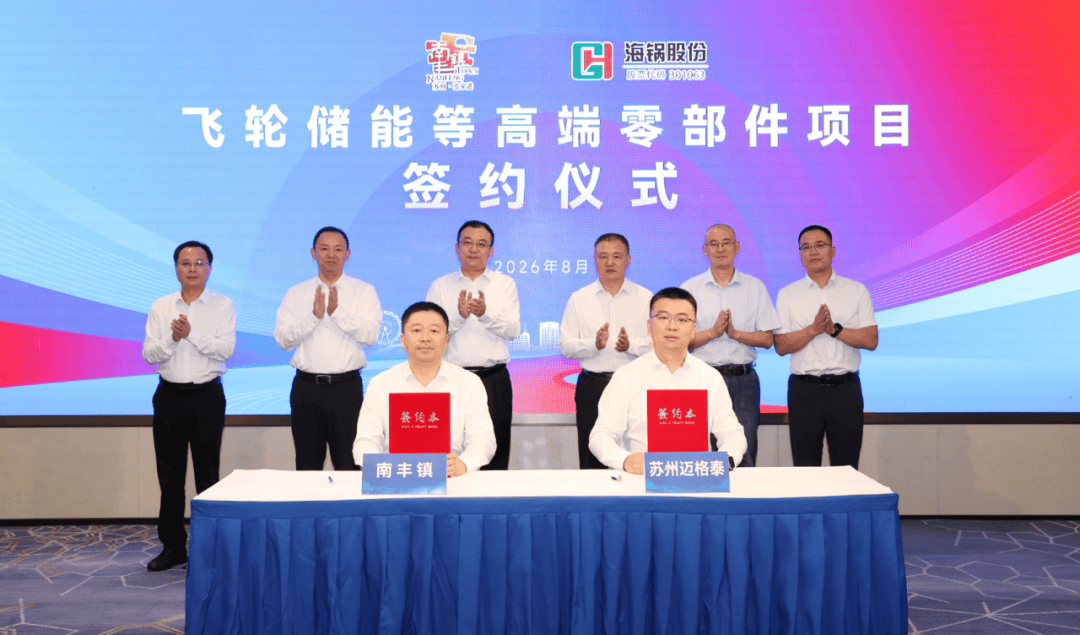
en.Wedoany.com Reported - On August 17, CATL's Core Operations Carbon Neutrality press conference was held in Ningde, Fujian Province. The company announced that it had achieved carbon neutrality in its core operations by the end of 2025, becoming the only battery company globally to achieve core operations carbon neutrality at a TWh-level shipment scale. Meanwhile, the company disclosed for the first time its systematic action roadmap for value chain carbon neutrality by 2035. This marks CATL's carbon neutrality practice extending from the company itself to industry ecosystem co-building.
20 plants achieve core operations carbon neutrality, establishing a replicable path for the industry
"For CATL, zero carbon is not only a mission, but also a capability developed through practice, and even more so a tremendous development opportunity," said Robin Zeng, Chairman and CEO of CATL. The company is committed to becoming a globally leading zero-carbon technology company, driving global green transformation and sustainable development. In 2023, CATL released its zero-carbon strategy, proposing to achieve core operations carbon neutrality by 2025 and value chain carbon neutrality by 2035. As of the end of 2025, 20 of CATL's battery plants had obtained ISO 14068-1 certification, becoming zero-carbon plants, with the proportion of zero-carbon electricity in core operations reaching 100%.
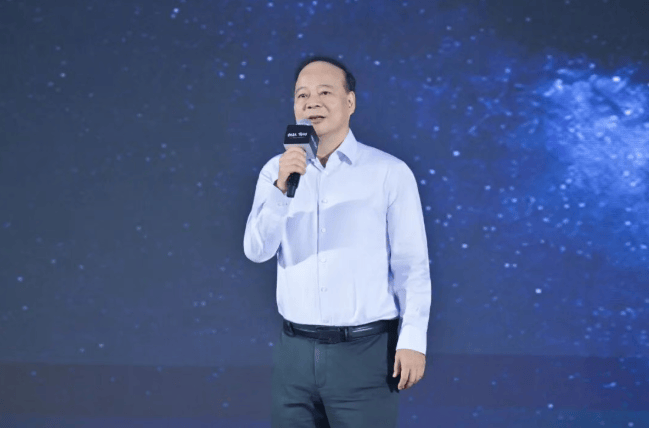
Core operations carbon neutrality refers to achieving net-zero carbon emissions in the company's own production and operation processes. These emissions mainly come from electricity and thermal energy consumption at plants—the larger the manufacturing scale, the harder it is to achieve. In 2025, CATL produced 748 GWh of batteries, with sales growing 2.3 times compared to 2022, maintaining its global No. 1 market share. Amid rapid growth, CATL has validated a replicable and economically viable zero-carbon manufacturing path within a large-scale manufacturing system.
There were no mature cases or authoritative standards for carbon neutrality in the lithium battery industry. CATL started by identifying carbon emission sources, conducting item-by-item research and data compilation across nearly 40 battery production processes and various upstream materials, and launched the "Times Carbon Chain" carbon management tool in 2022. To date, "Times Carbon Chain" has covered battery production processes and core upstream suppliers, building over 1,000 product and raw material models and forming a clear carbon reduction roadmap.
Building on this data foundation, CATL established six special initiatives to drive carbon reduction: zero-carbon design, zero-carbon manufacturing, zero-carbon plants, zero-carbon supply, circular ecosystem, and zero-carbon electricity. Data shows that since 2023, CATL has cumulatively used over 18 billion kWh of zero-carbon electricity, with zero-carbon electricity accounting for 100% of core operations. In 2025, energy consumption per unit of product at battery production bases decreased by 28% compared to 2022, carbon emission intensity fell by approximately 77% over two years, and cumulative carbon reduction exceeded 10 million tonnes of CO2 equivalent.
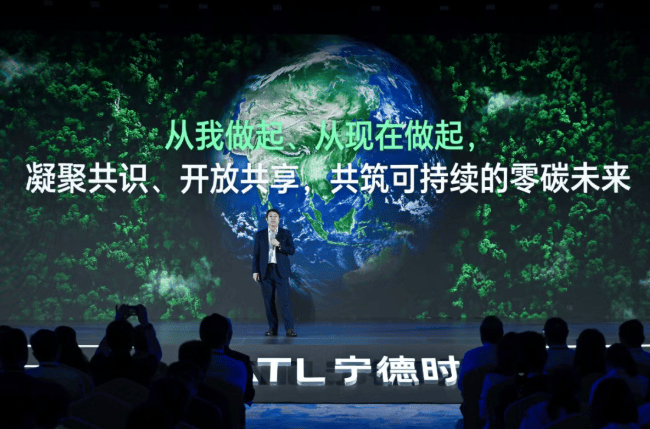
Jiang Li, Vice President, Board Secretary, and Director of the Sustainable Development Committee at CATL, stated that the company is further consolidating the methods, data, and technical experience developed in zero-carbon plant construction, transforming zero carbon from a single-company practice into a replicable path for the industry.
Confronting 80% of carbon emissions from the supply chain, disclosing the 2035 value chain carbon neutrality action roadmap
After achieving core operations carbon neutrality, CATL's next-stage goal is to achieve value chain carbon neutrality from mineral resources to finished battery products by 2035. Currently, over 80% of carbon emissions across CATL's product life cycle come from the supply chain, with total supply chain emissions exceeding those of core operations by more than fivefold. No single company can accomplish this alone—carbon neutrality must move toward whole-industry chain collaboration.
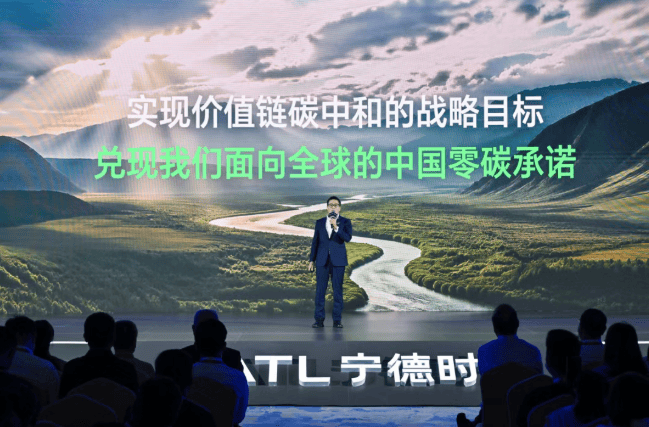
To this end, CATL, leveraging the "Times Carbon Chain," has taken the lead in building the lithium battery industry's first full-chain carbon data traceability platform covering "mineral mining—raw material refining—material synthesis—component manufacturing," enabling cross-regional, cross-stage transparent and traceable management. To date, the platform has completed carbon actual-scenario data accounting for over 100 core tier-1 suppliers. On this basis, the company has formulated a carbon reduction action plan covering four major areas: raw material R&D, raw material production, logistics and transportation, and recycling.
"Reducing carbon while also cutting costs makes green transformation an economic competitiveness advantage," said Huang Bin, Head of CATL's Procurement Center. CATL will release the Green Procurement Guide, incorporating carbon footprint, renewable energy proportion, and energy consumption per unit of product into supplier admission and audits, and will launch a zero-carbon supply chain empowerment program, initiating in-depth collaborative carbon reduction with the first batch of 30 core suppliers. Meanwhile, the company proposes establishing a "Global Lithium Battery Industry Zero-Carbon Ecosystem Collaboration Platform" to promote joint standard development, technical collaboration, and coordinated industry chain actions.
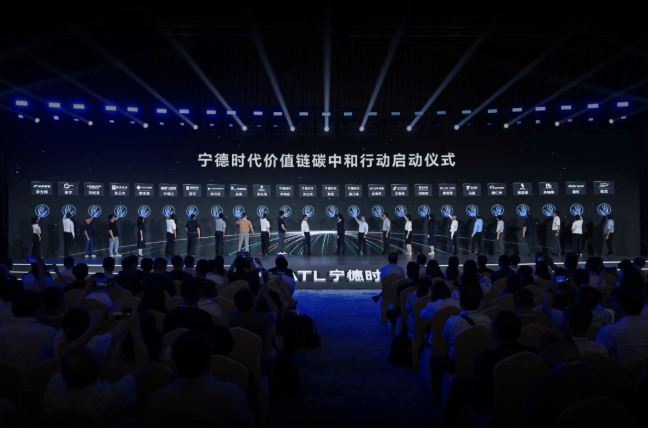
On the same day, CATL also signed value chain collaboration agreements with suppliers in cathode, anode, current collector, and other segments, and reached strategic partnerships with the National Center for Climate Change Strategy and International Cooperation and the Shanghai Environment and Energy Exchange.
At the press conference, multiple guests discussed zero-carbon transformation from perspectives including energy transition, global rules, and market mechanisms. Ling Wen, an academician of the Chinese Academy of Engineering, believes that technological innovation and global cooperation are important directions for overcoming the practical challenges of carbon neutrality.
Robin Zeng stated that the zero-carbon economy has become a new growth model, opening up vast industrial and development opportunities. In June this year, CATL Zero Carbon Technology Co., Ltd. was established in Xiamen to coordinate zero-carbon technology and business implementation globally. CATL is willing to work with global partners to extend zero-carbon capabilities across the industry chain and into more scenarios, jointly expanding the zero-carbon economy and sharing new development opportunities.
Related Products

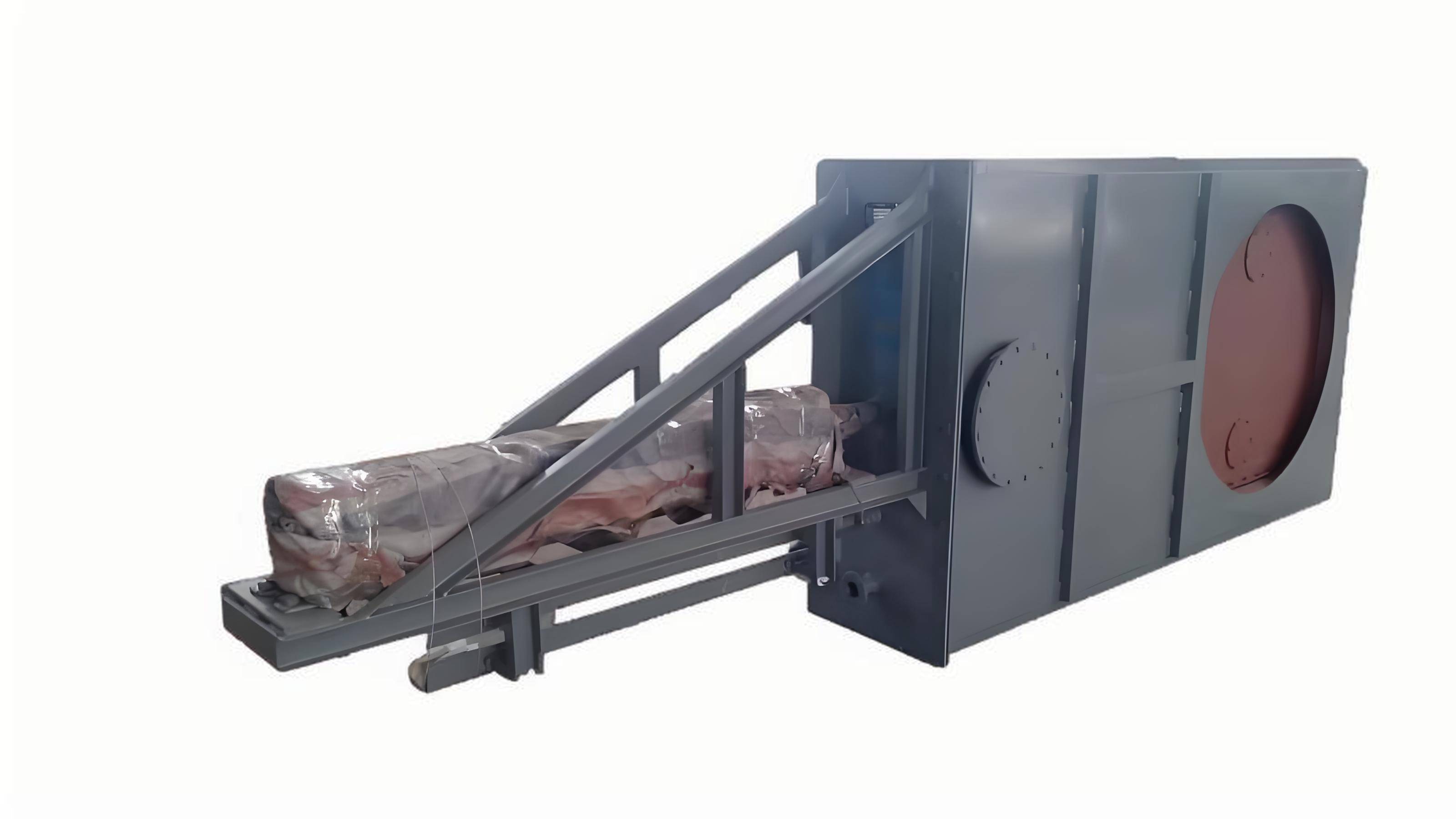
Double-slide Triple-sealed Hot Air Isolation Door
Xi'an Yingchuan Electric Power Equipment Co., Ltd.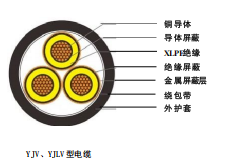
Rated Voltage 6-35kV Cross-linked Polyethylene Insulated Power Cable
TONGDING INTERCONNECTION INFORMATION CO., LTD.
6kV-35kV Medium and High Voltage Direct-Connected Energy Storage System
Hainan Jinpan Smart Technology Co., Ltd.
Yingping Mining Section Open-pit Tailings Backfill Treatment of Goaf Ecological Restoration EPC Project
China Bluestar Lehigh Engineering Corporation
0.66kV Power Supply Instrument Transformer
Guangdong Sihui Instrument Transformer Works Co., Ltd.
Optional Accessory - Auxiliary Sampling Module
Beijing Soaring Electric Technology Co., Ltd.