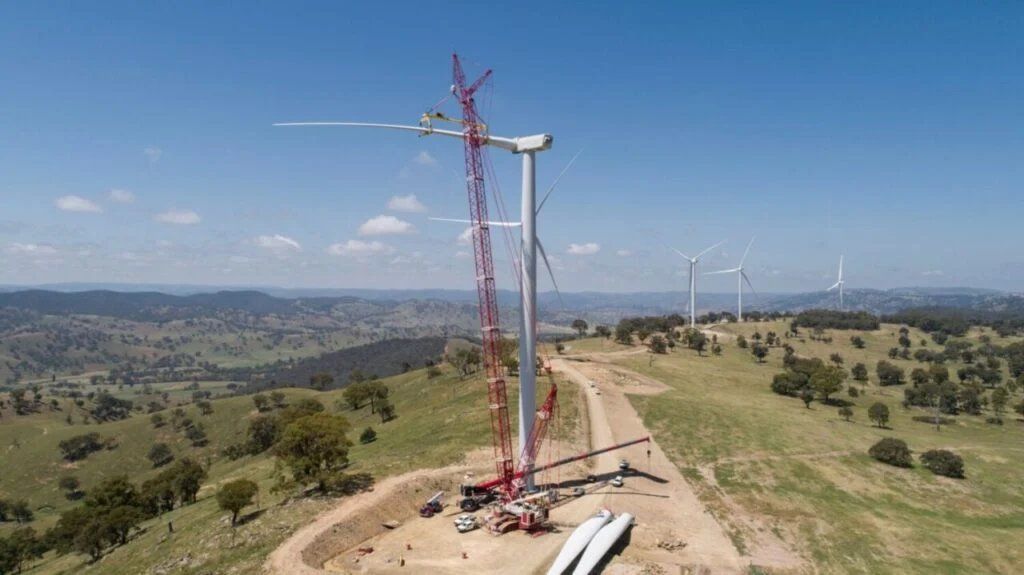
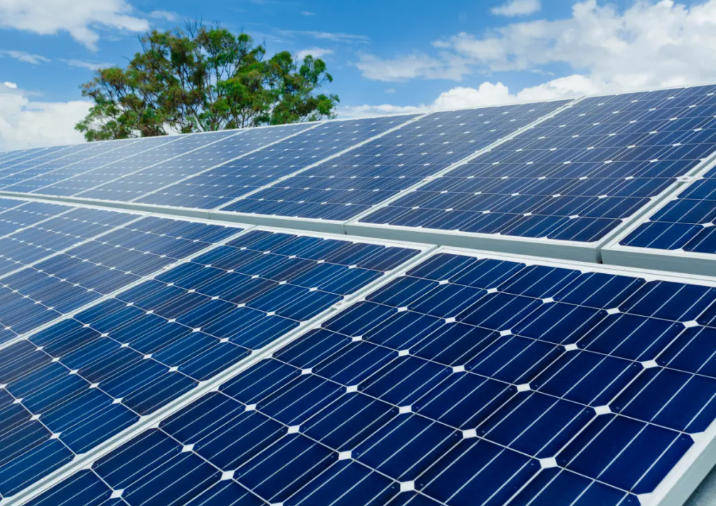
en.Wedoany.com Reported - The University of New South Wales (UNSW) has received A$6.52 million (US$4.24 million) in funding from the Australian Renewable Energy Agency (ARENA) to launch a three-and-a-half-year research project examining the interaction between inverter-based resources such as solar, wind, and battery storage, and the protection systems of Australia's National Electricity Market (NEM).
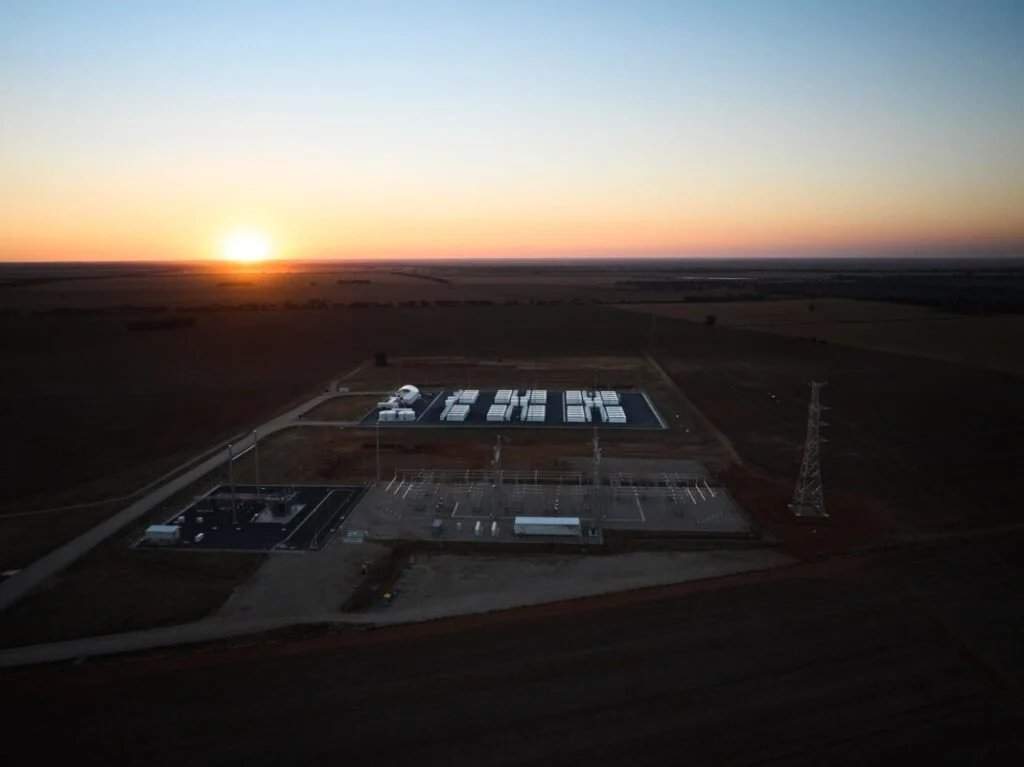
The project, titled "Protection & Relay Operation for Inverter-based Low-inertia Electricity Systems" (PROFILES), is led by the UNSW School of Electrical Engineering and Telecommunications and its Real Time Simulations Laboratory. Associate Professor Georgios Konstantinou, who is leading the research, said renewable energy supplies power in fundamentally different ways compared to traditional coal-fired generation, and the project aims to help the grid remain safe and reliable as the technology mix continues to evolve. Konstantinou said this will be an ongoing process of conveying to industry and academia the issues and solutions regarding inverter-based resources, their fault current contributions, and power system protection.
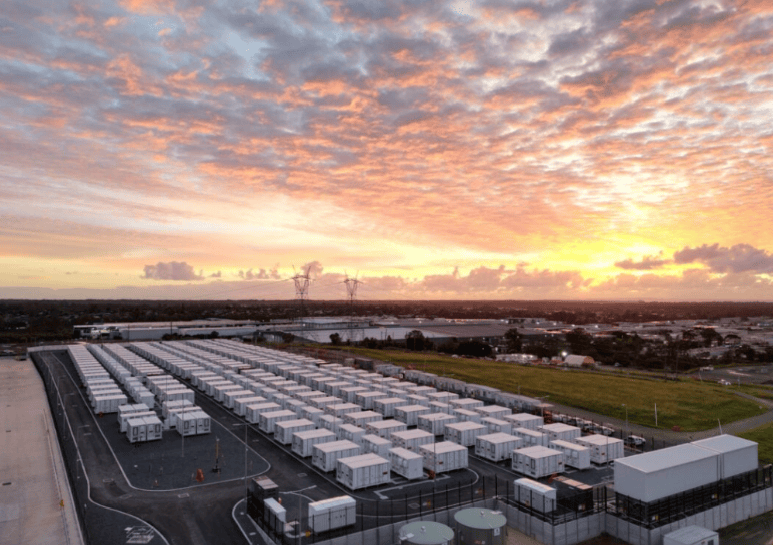
ARENA stated that the project directly addresses gaps identified in the Australian Energy Market Operator's (AEMO) System Security Transition Plan. The plan lists the minimum system strength provided by grid-forming battery storage as an area requiring further validation. The research will examine how grid-forming battery energy storage systems (BESS) interact with protection systems when providing fault current. ARENA said this technical issue must be better understood before relying more broadly on these systems for system strength services.
AEMO has already acknowledged this gap in formal documents. Its July-released 2026 Electricity System Overall Risk Assessment confirmed that grid-forming BESS has not yet been proven to deliver fault current of protection-grade quality at the standard required by the National Electricity Rules to meet minimum system strength levels, although the technology has demonstrated its ability to support voltage waveform stability. AEMO has also separately proposed procuring Class 2 transitional services to test whether grid-forming inverters can achieve this higher standard under real grid conditions. The issue has become more urgent due to a 38% cost overrun on synchronous condenser projects, which has prompted some transmission businesses to consider replacing planned condenser installations with battery storage.
The scale of projects involved in this issue is considerable. Grid-forming inverters currently feature in 74% of Australia's 33.2GW NEM battery storage project pipeline, reflecting both developers' commercial drive to secure system strength contracts and the expanding base of operational assets from which AEMO can obtain real fault current data. The PROFILES project's hardware-in-the-loop testing aims to supplement this field data with controlled, repeatable experimental results. ARENA noted that UNSW's hardware-in-the-loop testing capabilities and its status as an independent research institution are reasons the university is well-placed to lead this work.
The project team includes Dr. Felipe Arrano-Vargas, Dr. Shan Jiang, and Konstantinou. The project will be supported by the UNSW Energy Institute and will run until November 2030. Industry partners include Transgrid, AEMO, South Australian transmission operator ElectraNet, and equipment manufacturers Power Electronics, SMA, Tesla, and Siemens.
UNSW's Vice-President for Research & Enterprise, Professor Bronwyn Fox, said the funding will support the testing and modelling needed to ensure Australia's grid remains future-safe throughout the transition.
Inverter reliability and security concerns are not confined to Australia. In the United States, the Federal Communications Commission's (FCC) Public Safety and Homeland Security Bureau has placed foreign-produced power inverters on its national security threat list, citing supply chain vulnerabilities and cybersecurity risks associated with remote connectivity of inverters. Europe has taken a different approach, having built over 100GWac of local solar and storage inverter manufacturing capacity since 2024, with more than 90% now controlled by Europe-based companies, as the region seeks supply chain resilience through industrial policy.
The PROFILES project is part of UNSW's broader renewable energy research. Professor Yansong Shen has previously warned that the solar industry could deplete global silver reserves within five years without commercial-scale component recycling infrastructure. UNSW researchers have also studied degradation risks in next-generation solar modules and discovered atomic-scale self-healing mechanisms in silicon solar cells. ARENA said that as more inverter-based resources connect to the NEM, maintaining system security requires a clearer understanding of how these technologies contribute to grid strength, and the PROFILES project aims to help meet this need through testing rather than modelling alone.
Related Products

Ultrasonic Wind Speed and Direction Instrument
Kingmach Measurement & Monitoring Technology Co., Ltd.
Industrial and Commercial Point-Type Gas Detector
Jinan Benan Technology Development Co., Ltd.
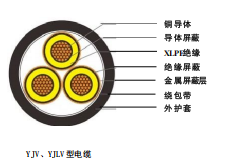
Rated Voltage 6-35kV Cross-linked Polyethylene Insulated Power Cable
TONGDING INTERCONNECTION INFORMATION CO., LTD.

Pneumatic high-pressure wear-resistant ball valve
Zhejiang Deca Control Valve Meter Co., Ltd.

Photovoltaic and Wind Power Generation Technology
Beijing Boqi Electric Power SCI-TECH Co., Ltd.