University of Michigan Tests Wave Energy Generation on Beaver Island
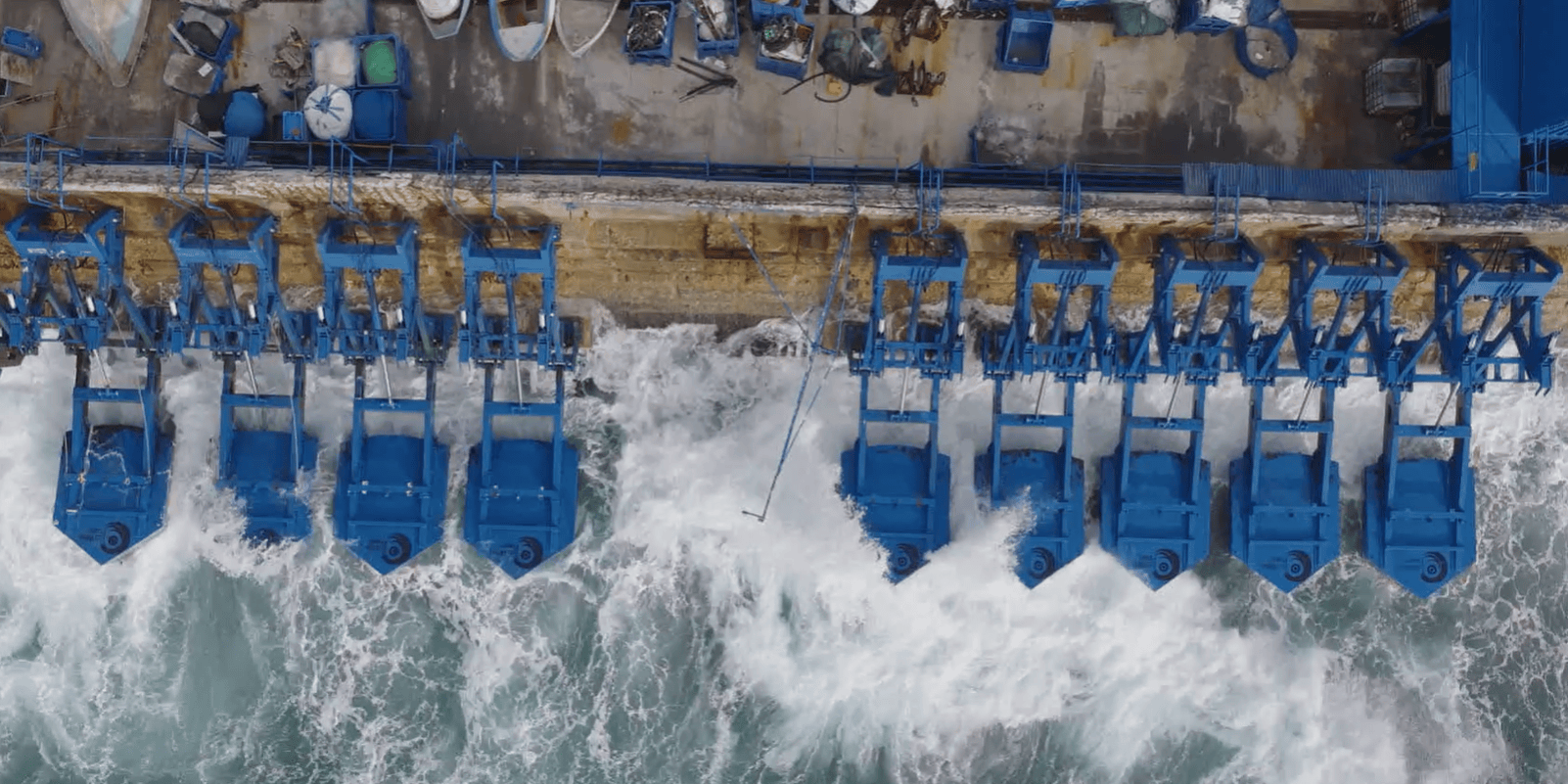
en.Wedoany.com Reported - Researchers at the University of Michigan have deployed two devices on Beaver Island in the United States that convert wave kinetic energy into electricity, aiming to provide a more reliable local power source for this remote island, which relies on submarine cables for electricity and frequently suffers from outages. The prototype devices consist of floats made from PVC pipes, roughly the size of a yoga ball, and have demonstrated their power generation potential by lighting bulbs and charging mobile phones.
Beaver Island is located at the northernmost center of Lake Michigan, about 70 miles from the Canadian maritime border. This forested island, slightly larger than San Francisco, has a permanent population of around 600 and is a popular summer tourist destination, accessible only by boat or plane. Electricity is transmitted to the island from mainland Michigan via cables spanning approximately 30 miles across the lakebed, making it highly susceptible to outages caused by extreme weather or line issues. A catastrophic ice storm that swept across the state last year left the island without power for weeks, prompting residents to seek more reliable local power sources.
This project is one of many efforts in the United States to improve the reliability of power grids in remote areas using alternative energy. Over two years, the research team gathered input from residents, who prioritized providing reliable power to the airport. "We need to work with the community to identify needs and design together," said Lei Zuo, a professor of engineering at the University of Michigan and the project's principal investigator. Currently, some residents on Beaver Island use solar or geothermal power, and the island previously received federal funding to improve renewable energy access. However, these plans face an uncertain future as the Trump administration cancels grants and projects.
Efforts to improve reliability are underway in remote communities across the United States. The indigenous village of Galena in Alaska is investing in solar and biomass energy to reduce reliance on diesel, while residents of Adjuntas, Puerto Rico, have developed a community-owned solar microgrid after a hurricane. Dan Hellin, director of the PacWave offshore testing facility in Oregon, stated that wave energy will not be anyone's sole power source, but "finding the right technology for the region is crucial... It's about developing a full suite of renewable energy sources and applying them based on local conditions."
Despite its significant technical potential, wave energy has not been widely adopted due to high costs and deployment difficulties, and no standardized design has emerged. Funding is another challenge. The Michigan experiment is supported by a grant from the National Science Foundation awarded two years ago. Hellin noted that marine energy has not attracted the same hostility from the Trump administration as renewable energy, "It hasn't been targeted in the same way." In the early days of his second term, President Donald Trump listed hydropower as a priority area for government support, and the renamed Hydropower and Hydrokinetic Office of the Department of Energy stated it would use the $220 million allocated by Congress to continue such research.
The University of Michigan's wave project is driving the technology toward commercialization. The team has also conducted similar projects in the Outer Banks of North Carolina, CalWave has tested equipment off the coast of California, and Hawaii has had testing sites for over a decade. Although waves in the Great Lakes are smaller and more seasonal than ocean waves, Saeid Bayat of the University of Michigan said that research on these inland seas helps improve the technology overall. "The Great Lakes provide real-world wave conditions while being easier, safer, and cheaper to access than most ocean locations."
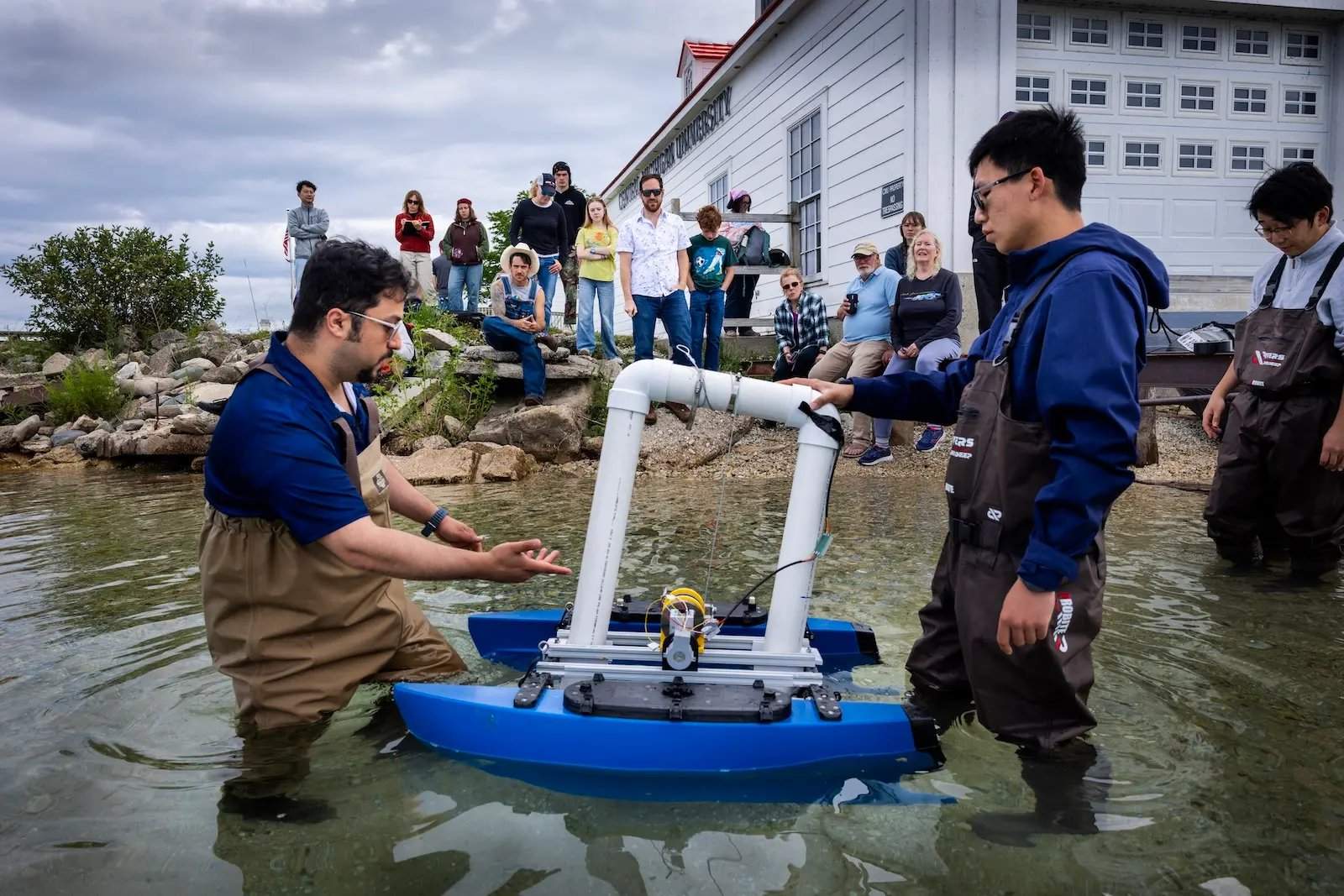
The team will continue to refine the prototype on Beaver Island, with plans to install the final version in the coming years. Seamus Norgaard, a resident of the island, is optimistic about this. "It's about saving costs and seeking independence... and there's also the environmental aspect."
This article is compiled by Wedoany. All AI citations must indicate the source as "Wedoany". If there is any infringement or other issues, please notify us promptly, and we will modify or delete it accordingly. Email: news@wedoany.com
Related Products




KYN28A-12 Metal Armored Removable Switchgear
Tianjin Ping Gao Intelligent Electric Co., Ltd.
Hydrogen production and hydrogenation charging refueling gas integrated energy station
Shenzhen Kohodo Hydrogen Energy Co., Ltd.
H-40.5/0.4~1.14kV New Energy Power Generation Dedicated High Voltage/Low Voltage Prefabricated Substation
XJ (Xiamen) Intelligent Power Equipment Co., Ltd.
Floating Boat Water Quality Automatic Monitoring System
Hebei Sailhero Environmental Protection High-tech Co., Ltd.