UK's CorPower Ocean Signs 5 MW Wave Array Agreement, Potentially Building World's Largest Wave Power Plant
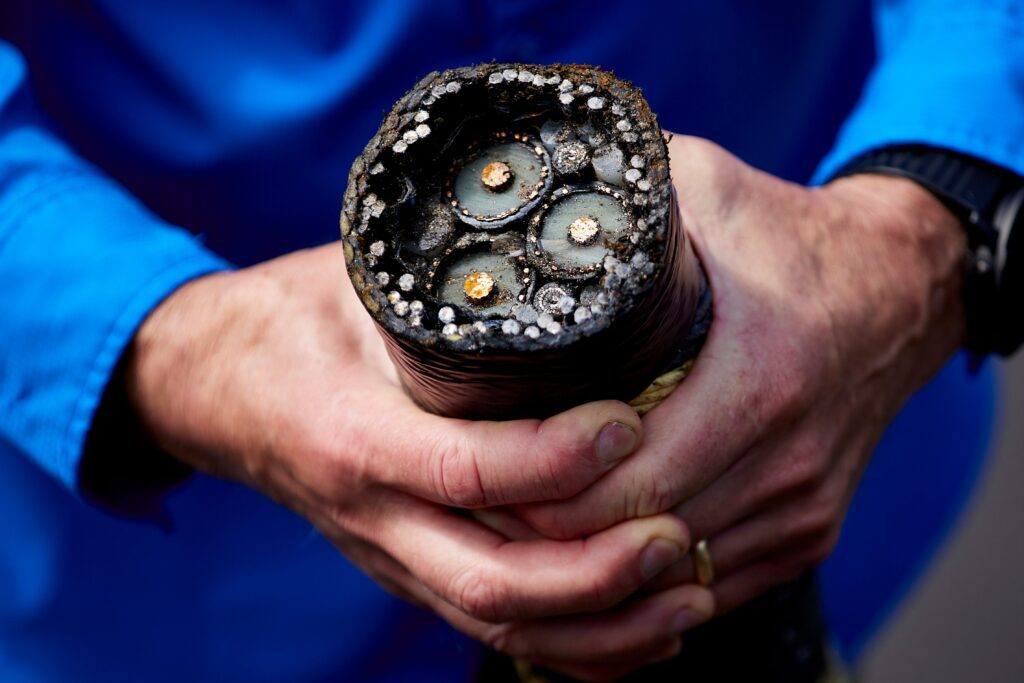
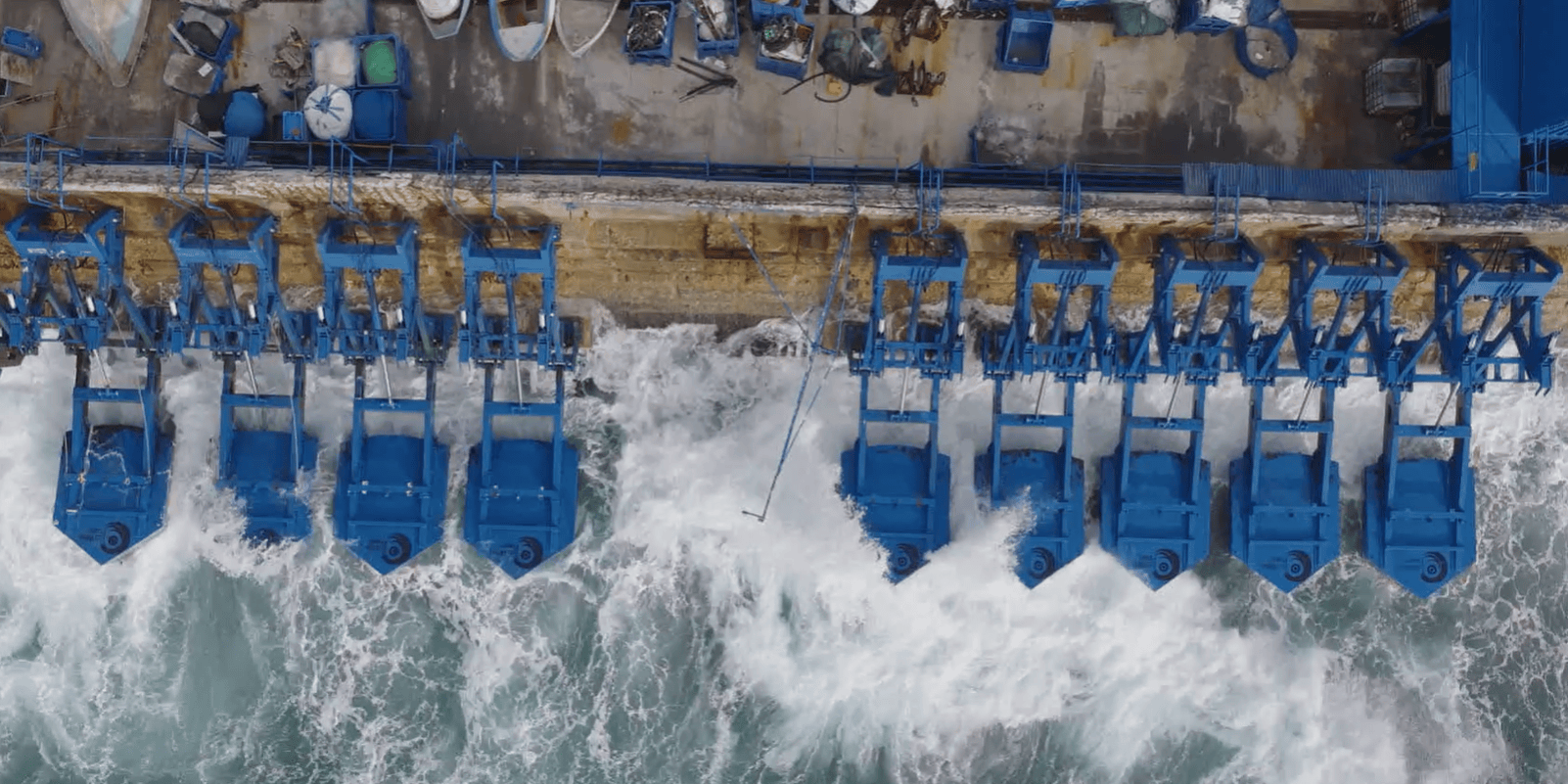
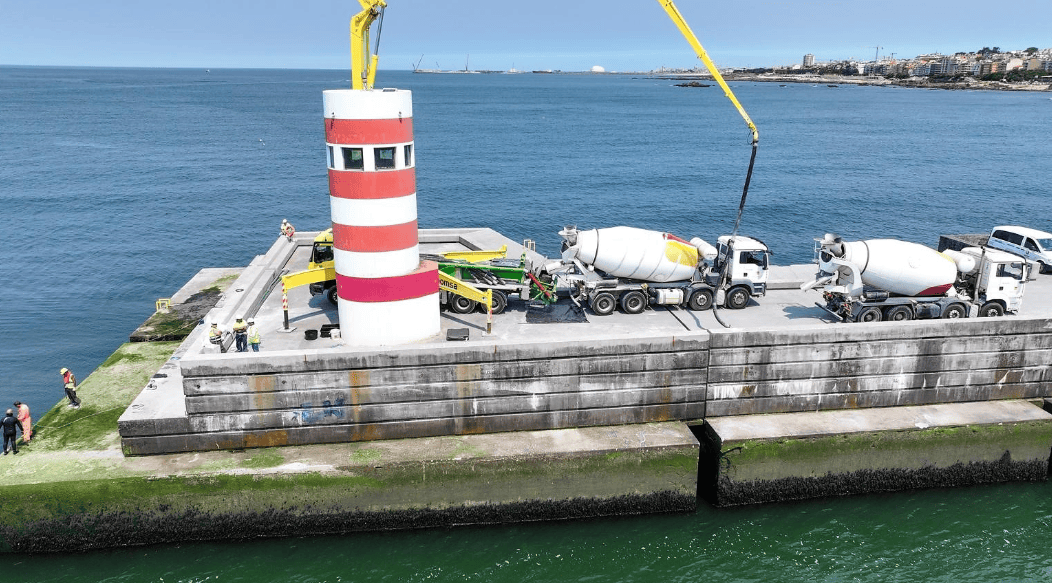
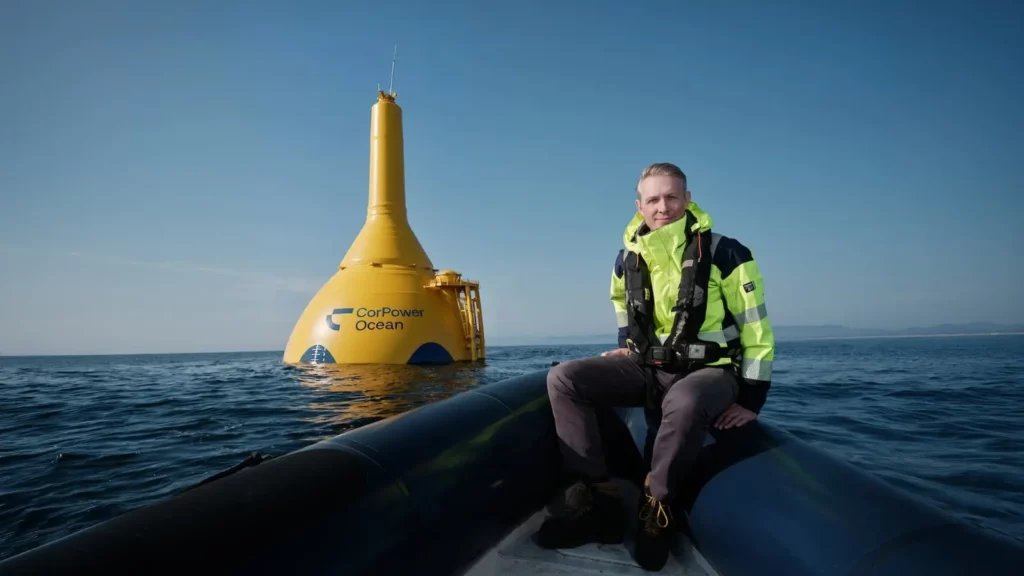
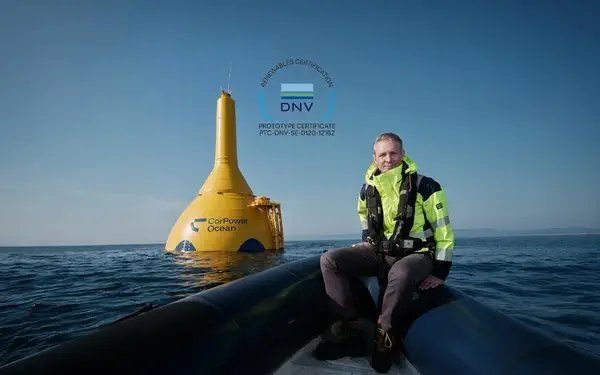
en.Wedoany.com Reported - With over 11,000 miles of coastline, the UK considers wave energy one of its most promising yet long-overlooked renewable energy sources. Technological advances by European developers such as CorPower Ocean show that wave energy has evolved from a distant prospect into a proven, deployable technology. The company has successfully deployed equipment in Portugal and supplied power to the grid. At the 2025 All Energy conference in Glasgow, Scottish Deputy First Minister Kate Forbes announced that CorPower has signed a berth agreement for a 5 MW wave array with the European Marine Energy Centre in Orkney, which could form the basis of the world's largest wave power plant.
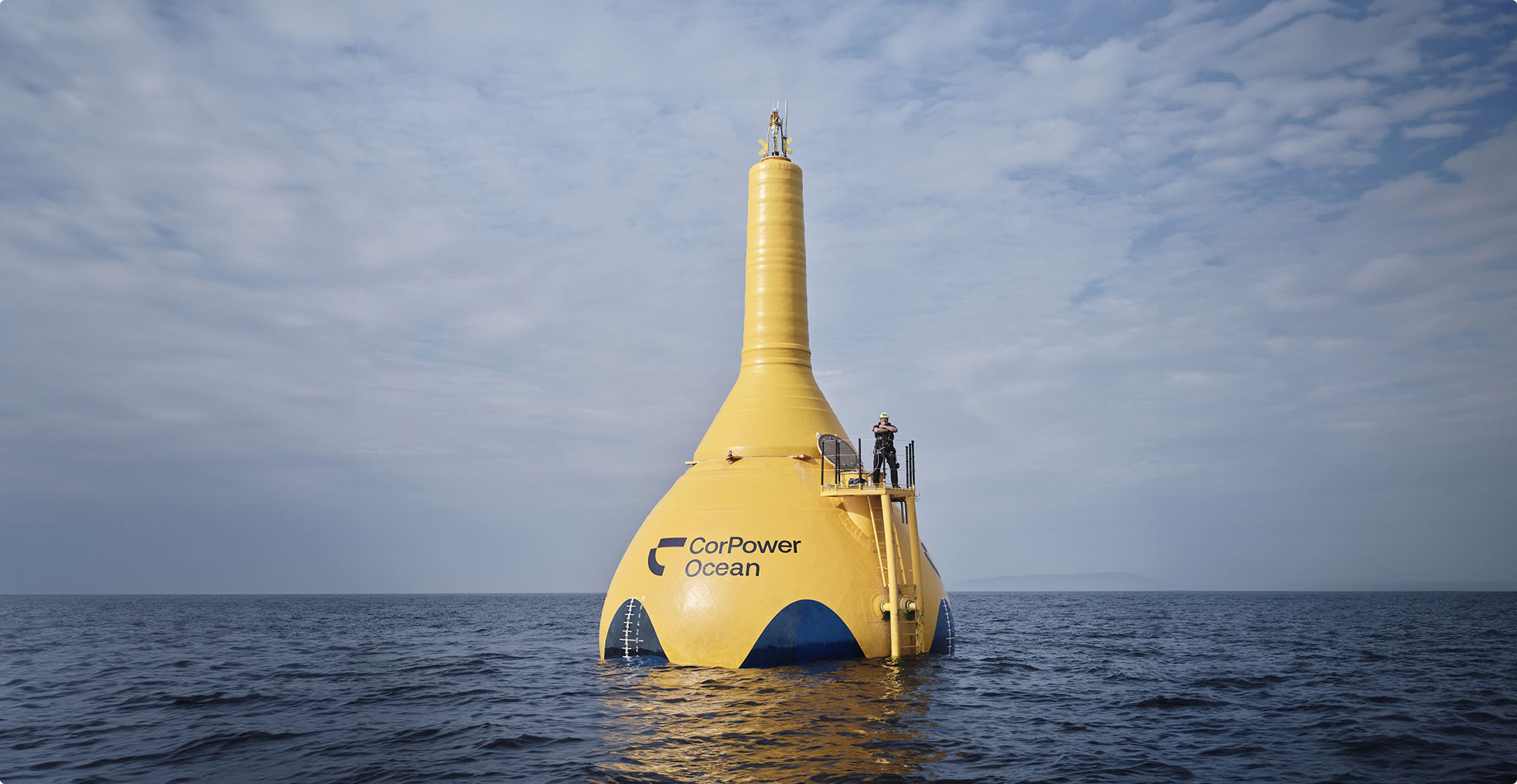
Recent turbulence in the global energy market has further strengthened the case for wave energy development. Following the war in Ukraine, the UK launched a £27 billion "Energy Price Guarantee" scheme. The latest report from the Climate Change Committee (CCC) indicates that the estimated cost of achieving net-zero emissions by 2050 is lower than the economic impact of a single major fossil fuel price shock, such as the crisis triggered by Russia's 2022 invasion of Ukraine.
According to the CCC's analysis, the economic disruption from that fossil fuel shock may have exceeded four times the annual net cost required to follow a net-zero pathway. The UK's reliance on imported hydrocarbons exposes it to extreme economic volatility. Energy Security and Net Zero Secretary Ed Miliband has repeatedly emphasized that decarbonization is not only a climate obligation but also a way to protect households and businesses from future price shocks.
The two long-standing challenges facing the wave energy industry—surviving violent storms and generating power efficiently—have been addressed. In addition to CorPower Ocean, a newly announced 2 GW project led by Argyll Infrastructure plans to use wave technology to power artificial intelligence data centers, indicating that industrial-scale demand is emerging. By 2040, the ocean energy sector could support tens of thousands of high-skilled jobs, rising to over 80,000 by 2050, helping to revitalize coastal towns and build a domestic supply chain.
Wave energy is characterized by its consistency. Driven by the stable momentum of the Atlantic Ocean, waves remain strong even on cloudy or windless days and can be predicted days to weeks in advance. During peak winter electricity demand in the UK, the capacity factor of wave energy can rival that of nuclear power. Wave systems have a lighter environmental footprint, with many devices located below the horizon or fully submerged, having less impact on coastal landscapes and cultural heritage, while integrating into marine ecosystems with lower noise and a smaller seabed footprint.
Wave energy is seen as a sovereign resource, less susceptible to embargoes, weaponization, or global market fluctuations. The UK's abundant wave energy resources can reduce exposure to disruptive price spikes. Policymakers need to take action; targeted Contracts for Difference (CfDs) combined with innovation programs have demonstrated how early support can unlock scale and reduce costs. As CfD Allocation Round 8 approaches, the UK faces a choice: build industrial capacity with domestic technology or cede ground to other nations. The UK Marine Energy Council, Ocean Energy Europe, CorPower Ocean, and Professor Henry Jeffrey, head of the Policy and Innovation Group at the University of Edinburgh, collectively believe that now is the perfect storm for action.
Related Products


High-voltage Direct Current (HVDC) Transmission System Research and Integrated Design
XI'AN XD POWER SYSTEMS CO., LTD.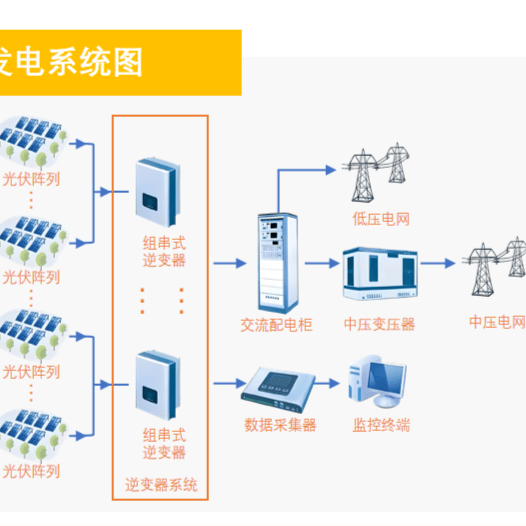
Photovoltaic and Wind Power Generation Technology
Beijing Boqi Electric Power SCI-TECH Co., Ltd.
Environmentally Friendly Flame-retardant PVC Double-layer Insulated Wire
Sichuan Chndo Cable Co., Ltd.
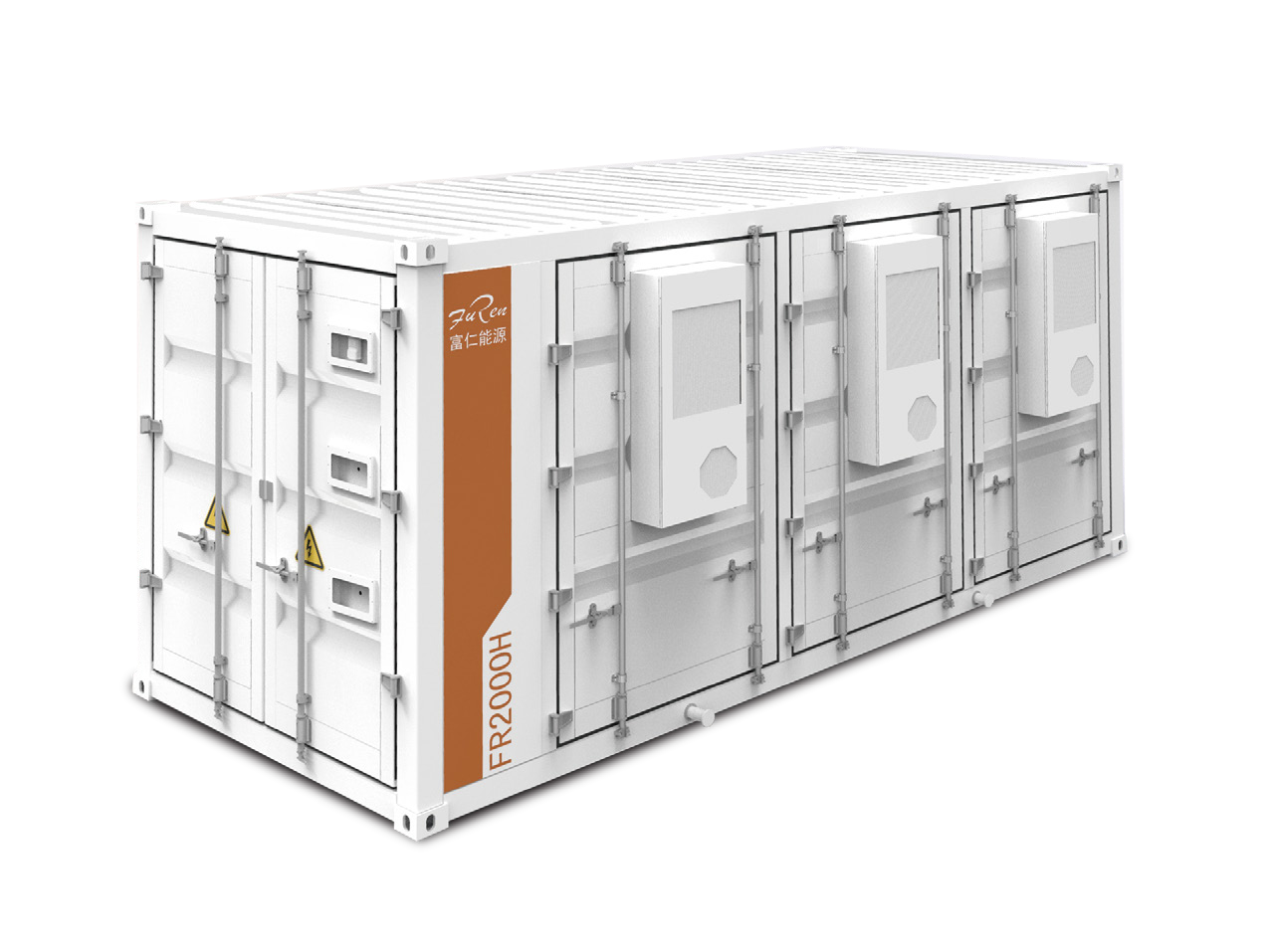
FR2000H 2.15MWh (Air-cooled) 20-foot Containerized Energy Storage System
Jiangyin Furen High-tech Co., Ltd.

Pneumatic high-pressure wear-resistant ball valve
Zhejiang Deca Control Valve Meter Co., Ltd.
220kV and Below Voltage Level Energy-saving Oil-immersed Power Transformers
FuZhou TianYu Electric Co., Ltd.
Modular Multifunctional Water Supply and Drainage Vehicle (18T)
Changsha Dewater Machinery Technology Co., Ltd.