U.S. NLR Develops Custom Charge Controller for Wave Energy Converter, Boosting Performance Eightfold
en.Wedoany.com Reported - Researchers at the National Laboratory of the Rockies (NLR) have achieved a key breakthrough in wave energy-driven seawater desalination technology, developing a custom charge controller for the second-generation Hydraulic and Electric Reverse Osmosis Wave Energy Converter (HERO WEC), and demonstrating in laboratory tests that its performance far exceeds that of the first-generation product.
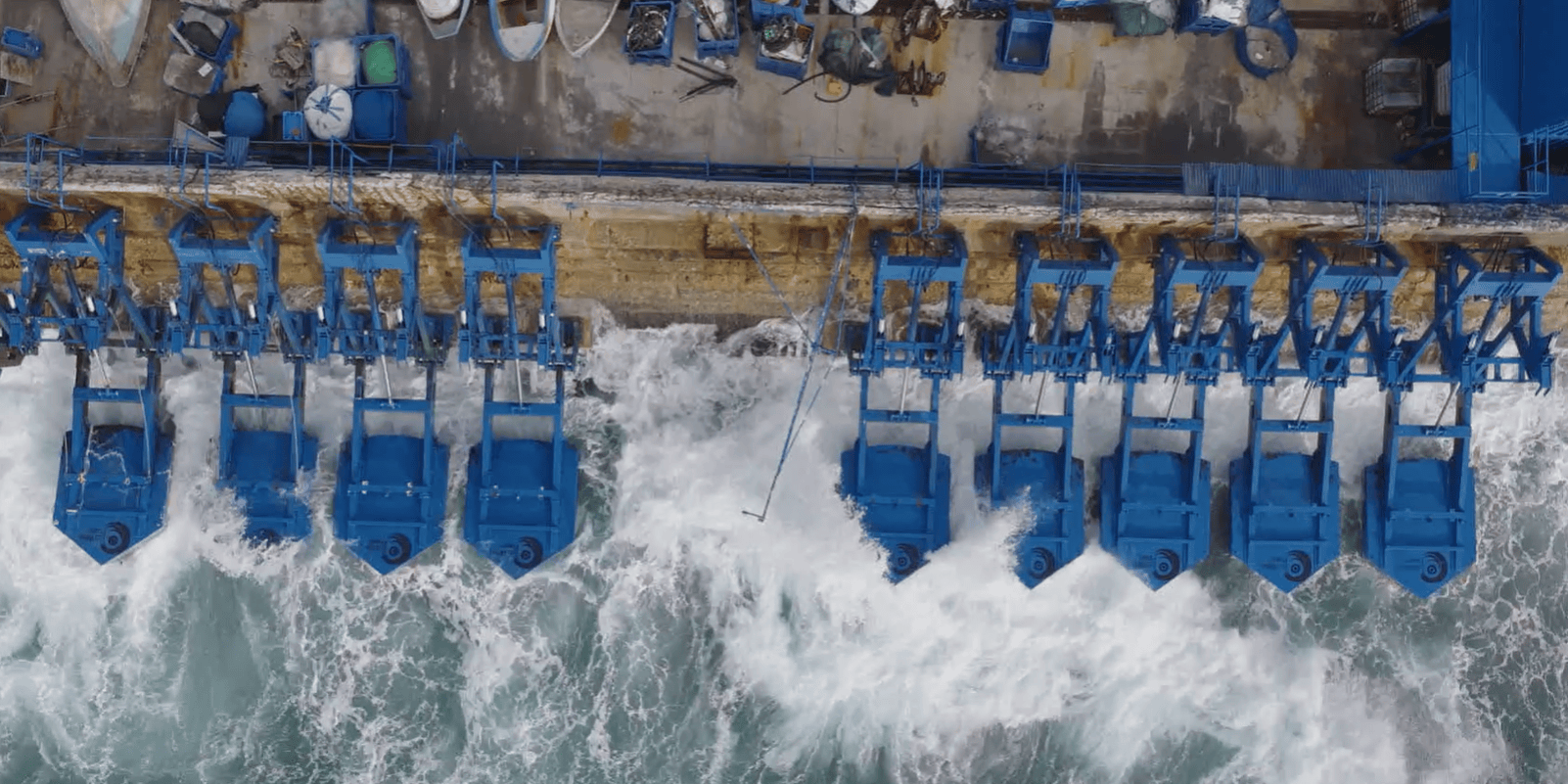
Since 2024, the NLR team has been continuously optimizing the overall design of the HERO WEC. This project, funded by the U.S. Department of Energy’s Hydropower and Hydrokinetic Office (H2O), aims to utilize wave energy to desalinate seawater. The prototype can be configured hydraulically or electrically to pump seawater to an onshore reverse osmosis system for freshwater production. NLR researchers began designing the HERO WEC in 2020. After hundreds of hours of testing across three laboratory projects and five ocean deployments, the team is retiring the first version (V1) and, based on test experience, has begun designing the second version (V2).
The research team first improved the WEC's winch system and housing, and is now focusing on optimizing the charge controller. The charge controller is a core component of the device's electrical configuration, responsible for regulating the voltage and current transmitted from the wave energy converter to the battery bank. Its primary function is to protect battery health by preventing overcharging. The initial V1 version used an off-the-shelf charge controller designed for other variable renewable energy technologies, but ocean testing revealed that these standard components struggled to handle the irregular fluctuations of wave energy. Consequently, the team decided to design and manufacture a custom charge controller dedicated to wave energy.
In the winter of 2024, the team developed the initial concept for the new charge controller, completed design drawings and computer-aided design inputs, and fabricated the physical components. Testing of the prototype components focused on two questions: whether the device was effective, and how the performance of the V2 design compared to the V1 design.
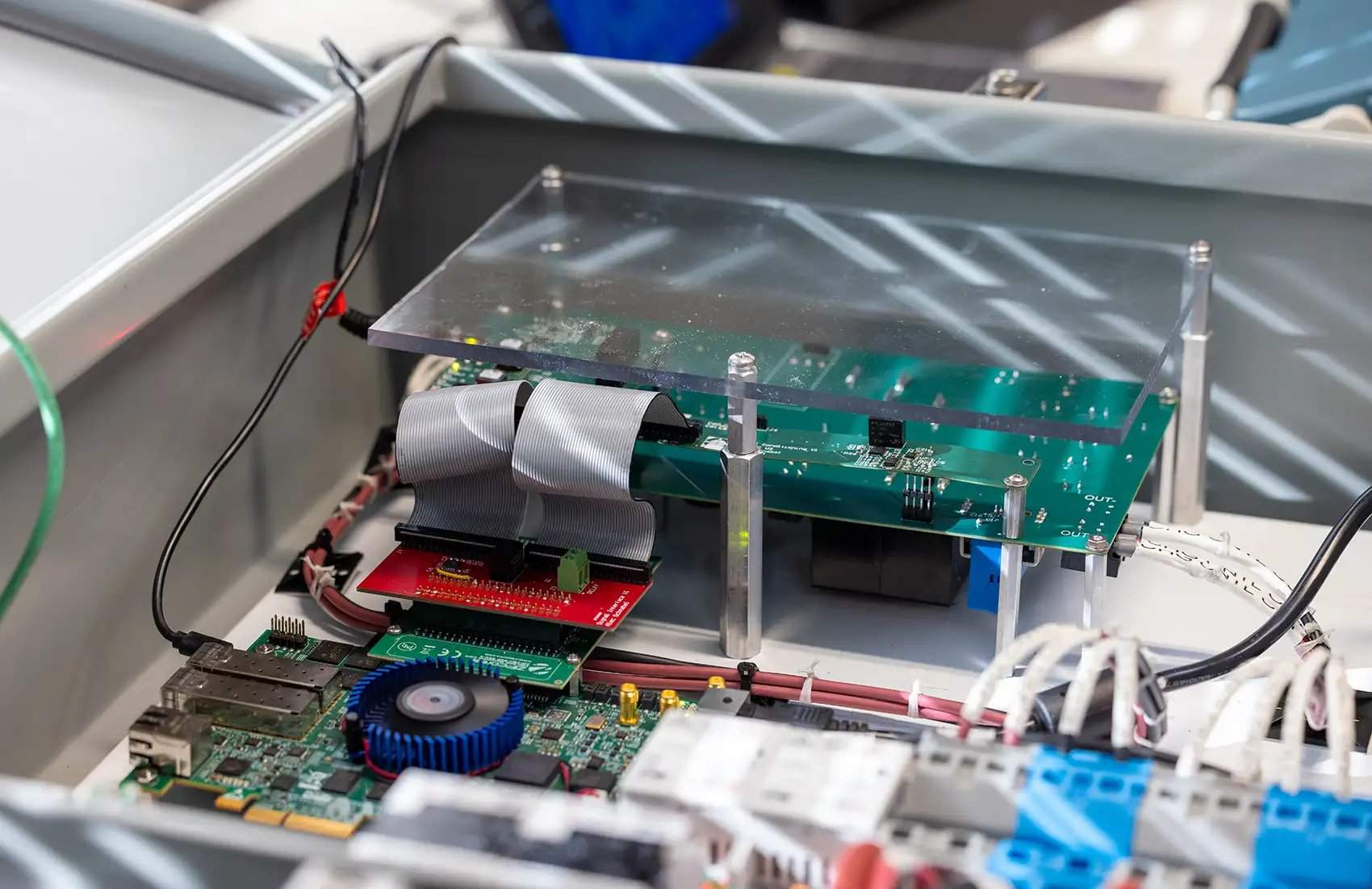
The research team first used benchtop equipment to verify and debug the system's basic functions. After debugging was complete, the new charge controller was connected to the HERO WEC's generator and simulated battery. A laboratory simulation system was used to mimic ocean conditions to evaluate its performance. This testing phase provided a safer, lower-risk, and more cost-effective way to make improvements. Testing is now complete, and results show that the V2 charge controller performs better than expected. It can handle irregular energy states, capturing up to eight times more power in laboratory tests than the original charge controller. This means the HERO WEC can generate more usable electricity, continuously charge the battery bank, and reliably power the reverse osmosis system, thereby desalinating more seawater.
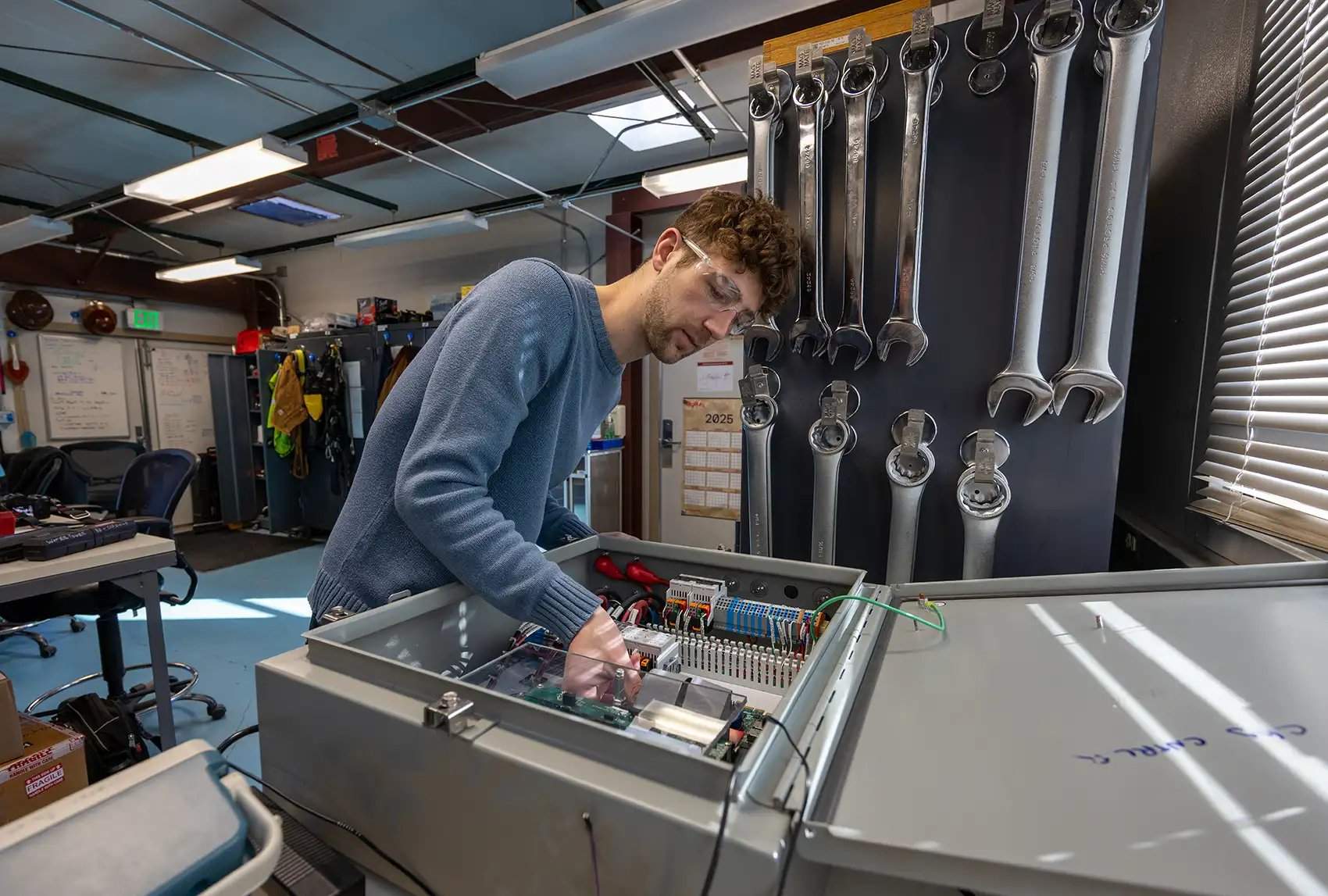
This custom charge controller is not just a project-specific solution; it also provides a reusable technology foundation for the wave energy industry. NLR's wave-specific charge controller can be adapted for a wide range of WEC technologies, with both its hardware and software modifiable to meet the power and operational requirements of different devices. By providing this proven architecture, the charge controller is expected to shorten the development time for new WEC designs. The NLR team is interested in collaborating with technology developers to integrate this custom architecture into more systems through the "Ocean Energy Research Testing Expertise and Access" program and other cooperative research agreements.
Next, the team will evaluate the charge controller as part of a system-level test on NLR's large-amplitude motion platform. This will be the first time the team tests the response of the new electrical system (generator, charge controller, and battery) to simulated wave conditions. The system-level tests will also help the team identify final adjustments needed before ocean testing of the electrical system to improve the charge controller's reliability. The overall HERO WEC project aims to improve access to data, components, and research findings to advance wave energy technology.
Related Products

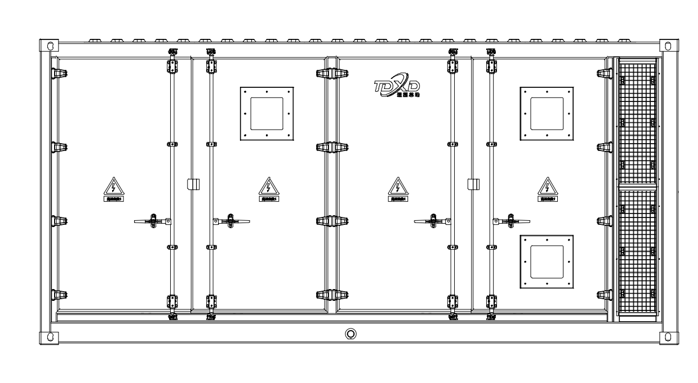
5012kWh DC Energy Storage System TD-EES-5012kWh
Suzhou Tongding Xindong Energy Storage Technology Co., Ltd.
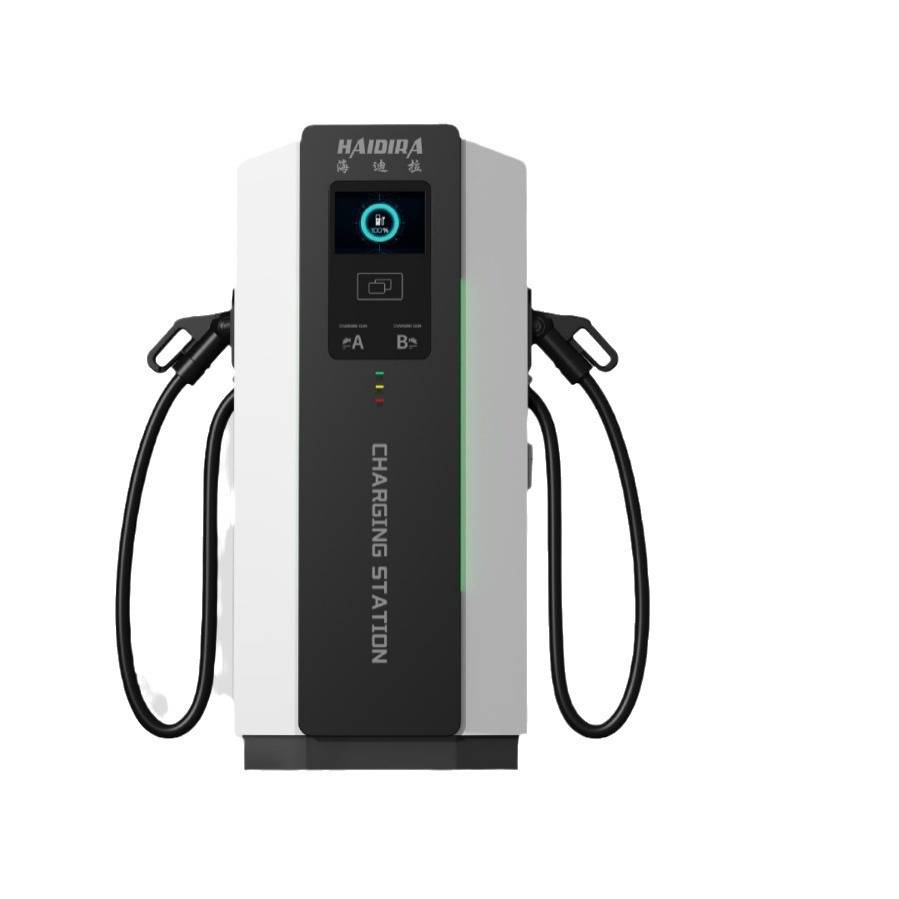
Manufacturer Direct Sales Tesla New Energy Electric Vehicle Universal DC 180kW Dual-gun Charging Pile Commercial Fast Charger
Anhui Haidira Electric Technology Co., Ltd.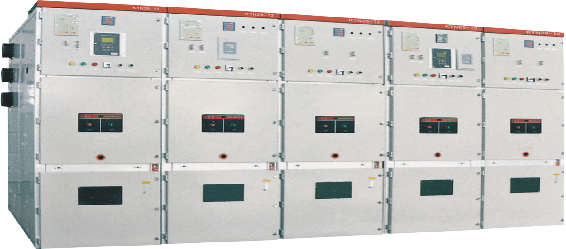
KYN28-12/24 Indoor High-Voltage Metal-Clad Removable Switchgear
Shenzhen Zhaoyang Hui Technology Co., Ltd.
Perfluorinated Ionic Membrane-CM-10N Series Membrane
Guizhou Juneng Century Technology Co., Ltd
Global Sulfur Hexafluoride Gas Supply and Cylinder Export
Foshan Yuexin Industrial Gas Co., Ltd.