India's First Nuclear-Assisted Hydrogen Production Facility Commissioned at Kalpakkam
en.Wedoany.com Reported - The Department of Atomic Energy (DAE) of India has commissioned a hydrogen production facility based on the copper-chlorine thermochemical cycle at the Indira Gandhi Centre for Atomic Research (IGCAR). The facility operates using nuclear process heat from the fast breeder test reactor (FBTR) at Kalpakkam.
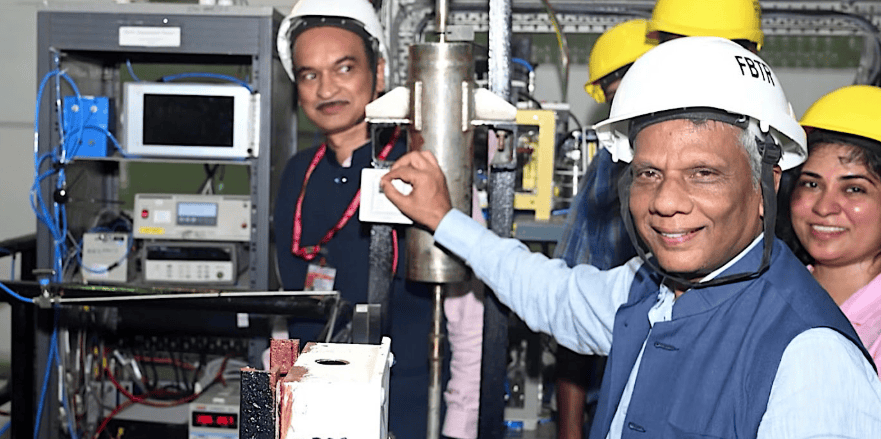
This is the first facility of its kind in India. Researchers are validating the feasibility of hydrogen production using nuclear energy through the copper-chlorine thermochemical process developed by the Bhabha Atomic Research Centre in Mumbai. The Indian government aims to promote the transition to a carbon-free, sustainable energy system by integrating nuclear energy with clean hydrogen technology, and this facility is expected to play a key role in this process. Hydrogen has application prospects in areas such as ammonia and methanol production, steel manufacturing, and can also be used for energy supply in industries like aviation, long-distance transportation, and agriculture. Although hydrogen is typically produced from fossil fuels, nuclear power, along with other carbon-free or low-carbon energy sources, can also be used for hydrogen production.
Nuclear process heat provided by the sodium-cooled, 40 MW thermal power FBTR is considered promising. The DAE noted that the copper-chlorine thermochemical cycle offers advantages of relatively low operating temperatures and relatively high thermodynamic efficiency. The facility will focus on accumulating operational experience with the copper-chlorine thermochemical cycle, optimizing the process flow, and providing research support for the future scaling up and commercial deployment of nuclear-assisted hydrogen production technology.
At the facility's commissioning ceremony, IGCAR Director Shri Sreekumar G. Pillai stated that this achievement builds on IGCAR's over four decades of operational experience and technical accumulation through the fast breeder test reactor project. The successful demonstration of hydrogen production using nuclear process heat showcases the versatility of advanced nuclear systems and highlights IGCAR's commitment to developing innovative technologies to support India's clean energy transition and long-term energy security. DAE Secretary and Chairman of the Atomic Energy Commission of India, Ajit Kumar Mohanty, also stated at the ceremony that the integration of nuclear energy with emerging clean energy technologies such as hydrogen production is a strategic pathway to achieving a sustainable energy future. Nuclear power can provide reliable carbon-free electricity and high-temperature process heat, making it highly suitable for supporting large-scale hydrogen production, and contributing to India's energy security, decarbonization goals, and long-term sustainable development.
In the United States, researchers and utility companies have also explored hydrogen production using nuclear power. Three years ago, Constellation Energy launched a nuclear-powered hydrogen production facility that uses electricity from the two-unit Nine Mile Point nuclear power plant near Oswego, New York. According to Constellation Energy, the facility's hydrogen production system is designed to consume 1.25 megawatts of electricity per hour and produce 560 kilograms of hydrogen per day, fully meeting the plant's own operational hydrogen needs.
Related Products
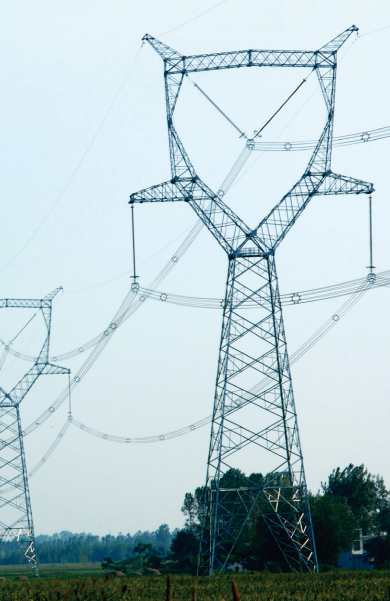

1000kV Jin Southeast-Nanyang-Jingmen UHV AC Transmission and Transformation Pilot Demonstration Project
Anhui Hongyuan Steel Tower Co., Ltd.
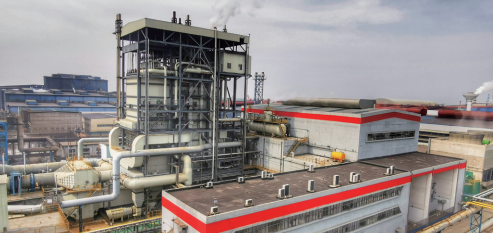
Jiujiang Pinggang 125MW Subcritical Gas Power Generation Project
Capital Engineering & Research Incorporation Limited
Hydraulic Turbine Genset
Dongfang Electric Corporation Dongfang Electric Machinery Co., Ltd.
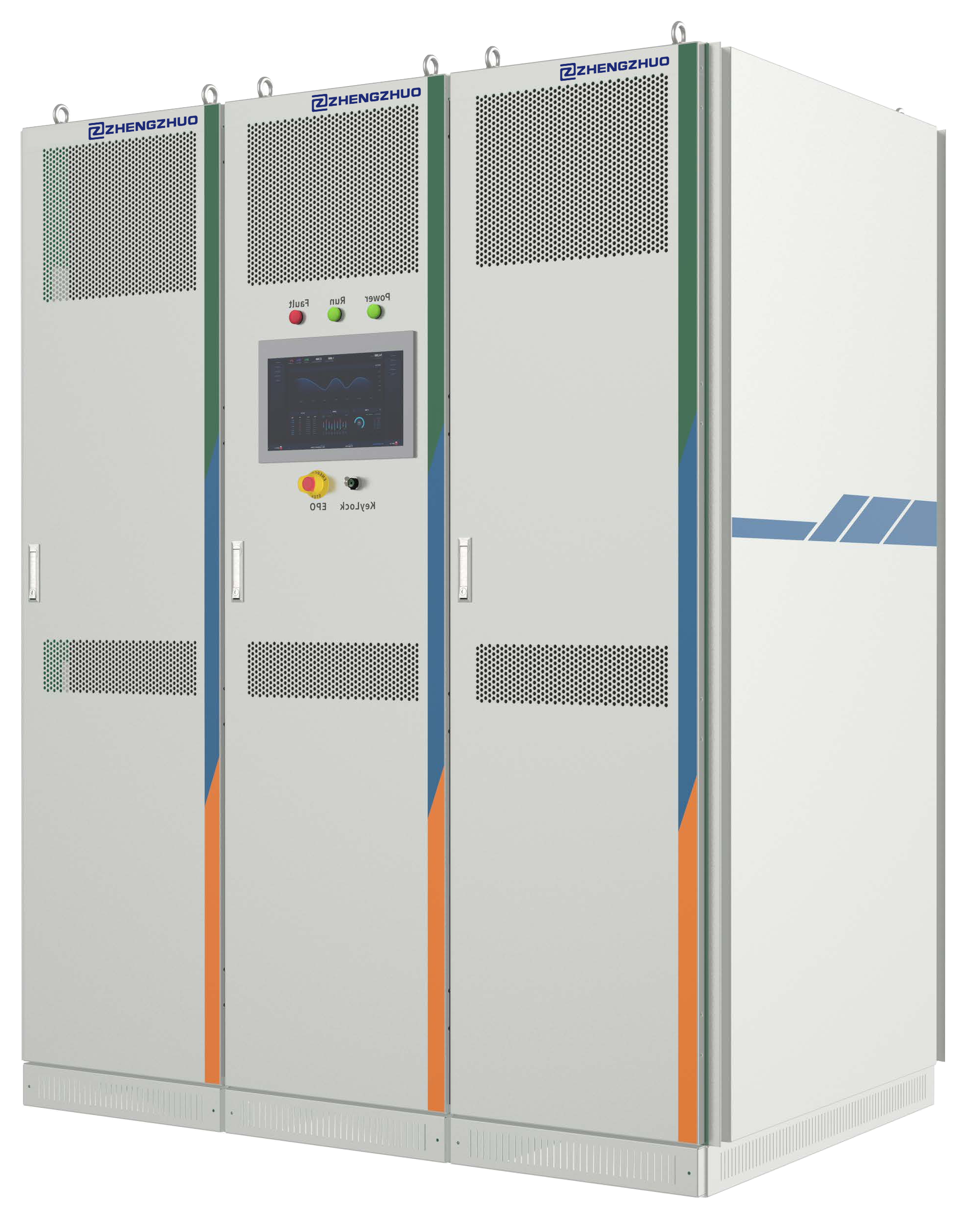
IGBT Hydrogen Production Power Supply - High Power Air Cooling
Beijing Zhengzhuo Engineering Technology Co., Ltd.
0.66kV Power Supply Instrument Transformer
Guangdong Sihui Instrument Transformer Works Co., Ltd.
Floating Boat Water Quality Automatic Monitoring System
Hebei Sailhero Environmental Protection High-tech Co., Ltd.
Microcomputer Protection and Substation Automation
Beijing Agent Devote Power Technology Development Co., Ltd.