China Tower Showcases Full-Stack AI Capabilities at 2026 World Artificial Intelligence Conference
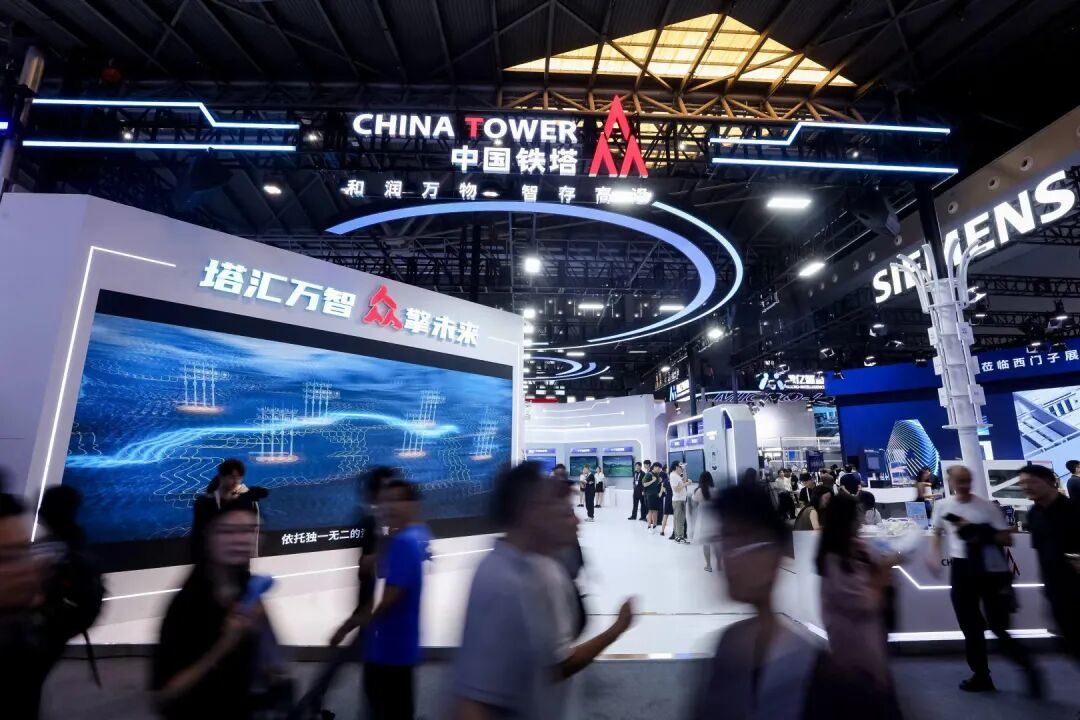
en.Wedoany.com Reported - The 2026 World Artificial Intelligence Conference opened in Shanghai on July 17, with China Tower participating under the theme "Towers Converge All Intelligence, Together We Empower the Future," showcasing its full-stack AI capability system spanning digital infrastructure, intelligent computing foundations, model advancements, application leadership, and the low-altitude economy.
In strengthening the digital foundation, China Tower demonstrated its "Air-Space-Ground-Sea" integrated network system. To date, the company has cumulatively built over 6.2 million base stations, including more than 3.28 million 5G base stations, covering nearly 50,000 kilometers of high-speed rail and subways, and over 16 billion square meters of key venues. Through shared construction, shared use, and shared optimization, this has effectively reduced the need for building 1.27 million towers, helping to establish the world's largest mobile communication network. China Tower is also advancing special initiatives for "Dual Gigabit," "Broadband Border Areas," and "Signal Upgrade," and has introduced a "BeiDou+5G+Passive Indoor Distribution" solution for underground parking space-level navigation and positioning, while promoting full-area maritime communication network coverage. The satellite internet solution showcased at this conference, based on the company's 2.15 million tower sites nationwide, proposes a distributed ground station model to reduce per-site costs, with supporting Ka-band mobile gateway stations deployable within hours. The "Indoor Distribution + X" segment integrates capabilities such as BeiDou indoor positioning, industry-specific private networks, emergency broadcasting, WiFi coverage, and BeiDou short message communication.
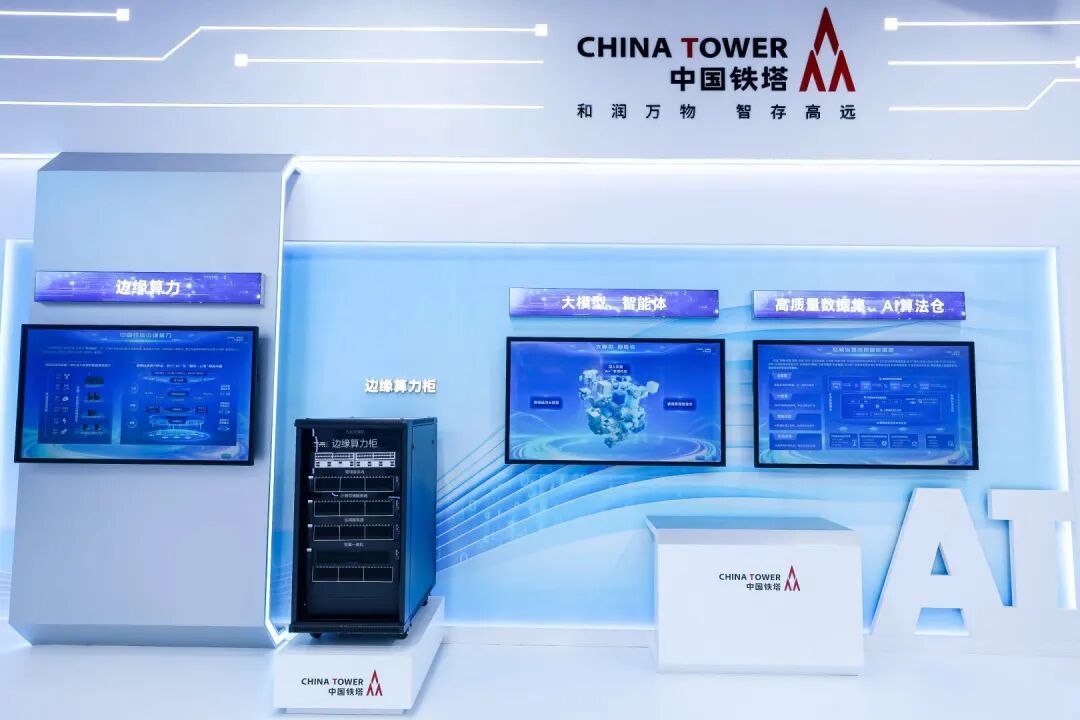
Regarding edge computing deployment, China Tower, leveraging its 2.15 million sites and nearly one million equipment rooms, has introduced computing cabinet products in low, medium, and high configurations, along with a unified edge computing management platform. In Shanghai, by retrofitting indoor distribution equipment rooms to host GPU servers, overall costs have been reduced by 20% and latency by 35%. In Jiangsu and Fujian provinces, shared computing resources have enabled a "6-in-1" computing solution for residential areas, cutting construction costs by 40%. In Heilongjiang Province, using an edge equipment room at a reservoir, the DeepSeek large model has been integrated with digital twins to enable predictive simulations of water level changes over the next 72 hours. The exhibition also featured hardware such as the cloud terminal CT001 and a video image enhancement gateway.
In terms of self-developed models, China Tower showcased its Tieta Jingwei large model, released in November 2024, which includes an 18-billion-parameter vision large model and a 198-billion-parameter multimodal large model. It possesses three core capabilities: object detection, zero-shot open-vocabulary detection, and image-text question answering and reasoning. This model has been iterated to form seven specialized industry large models for emergency management, forestry and grassland, land and resources, water conservancy, environmental protection, agriculture, and transportation, achieving commercial application in 17 provinces. Built upon this, the general-purpose Tieta intelligent agent completes a single reasoning and decision-making task in 2.6 seconds with an accuracy rate exceeding 90%, enabling multi-agent collaborative handling in complex scenarios. For example, in industrial smoke monitoring, it can automatically form collaborative groups for cross-verification. China Tower has also constructed a multimodal sample library exceeding 1PB, developed over 1,000 proprietary AI algorithms, and made breakthroughs in two major challenges: small object detection and low-light target recognition at night, supporting the delivery of 15 visual-link products and over 1,800 provincial-level customer projects.
The "Digital Intelligent IoT Comprehensive Governance Scenario" was successfully selected as a 2026 Strategic High-Value AI Scenario by the State-owned Assets Supervision and Administration Commission (SASAC) of the State Council.
The "Visual IoT Spatial Governance Dataset" was successfully selected as an Excellent Outcome of High-Quality Datasets for Industries by the SASAC of the State Council.
In the AI Application Leadership segment, China Tower demonstrated applications across five major fields: transportation, agriculture and rural areas, ecological and environmental protection, natural resources, and smart energy. The Intelligent Transportation Protection product covers hundreds of expressways, reducing the average time to detect abnormal events from 20 minutes to 3 minutes, achieving an illegal behavior identification accuracy rate of over 95%, and shortening emergency response times by over 60%. In the agriculture and rural areas field, the Smart Township Platform in Jin Tan Town, Qingyuan City, Guangdong Province, became the province's first benchmark project integrating AR live maps with drone coordination. The Jingzhou Fishery Administration Intelligent Protection product achieved an alert timeliness rate close to 100%. In Lanling County, Shandong Province, a high-standard farmland supervision project reduced the number of supervisors by 70% and decreased the facility damage rate from 25% to 2%. In the ecological and environmental protection field, the Straw Burning Ban Platform covers all 31 provinces and over 480 million mu of farmland, pioneering the upgrade from a "comprehensive burning ban" to "orderly burning" in 2026. The Clear Water Intelligent Protection product shortens the response time for abnormal water quality by over 60% and improves pollution source tracing efficiency by 50%. Relying on 132 high-point monitoring sites on towers across six coastal cities in Fujian Province, it enables AI-powered precise identification of 13 sub-categories of marine debris, achieving an accuracy rate of over 80%. The Shanghai National Control Station Smart Inspection Platform pushes 440 to 500 alert messages monthly. In the natural resources field, the Cultivated Land Intelligent Protection product has deployed over 90,000 front-end monitoring points nationwide, achieving full provincial coverage in Zhejiang Province with 14,896 points, where over 97% of alerts are handled within 24 hours, and the average cycle for investigating and handling illegal land use has been shortened to 3 days. The Forest Intelligent Protection product has deployed 50,000 video surveillance feeds, providing fire prevention and early warning services for 1,556 key fire-prevention counties and over 470,000 square kilometers of forest areas. The smart energy segment showcased the Energy Steward Platform, built on the AIoT (Artificial Intelligence of Things) platform as its foundation.
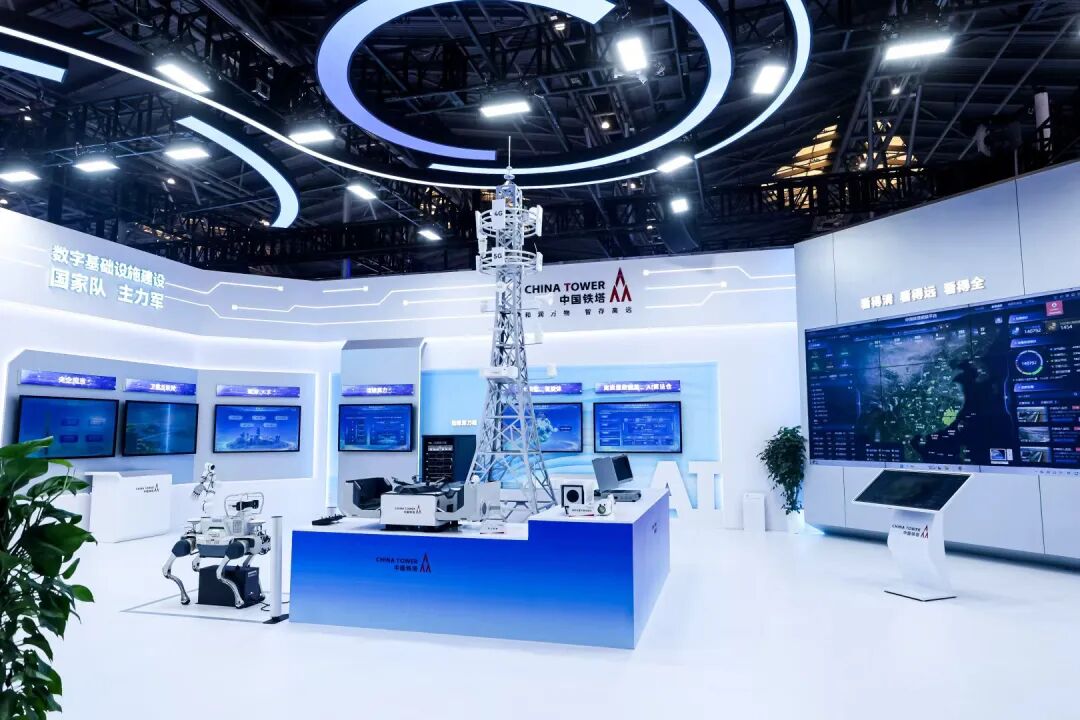
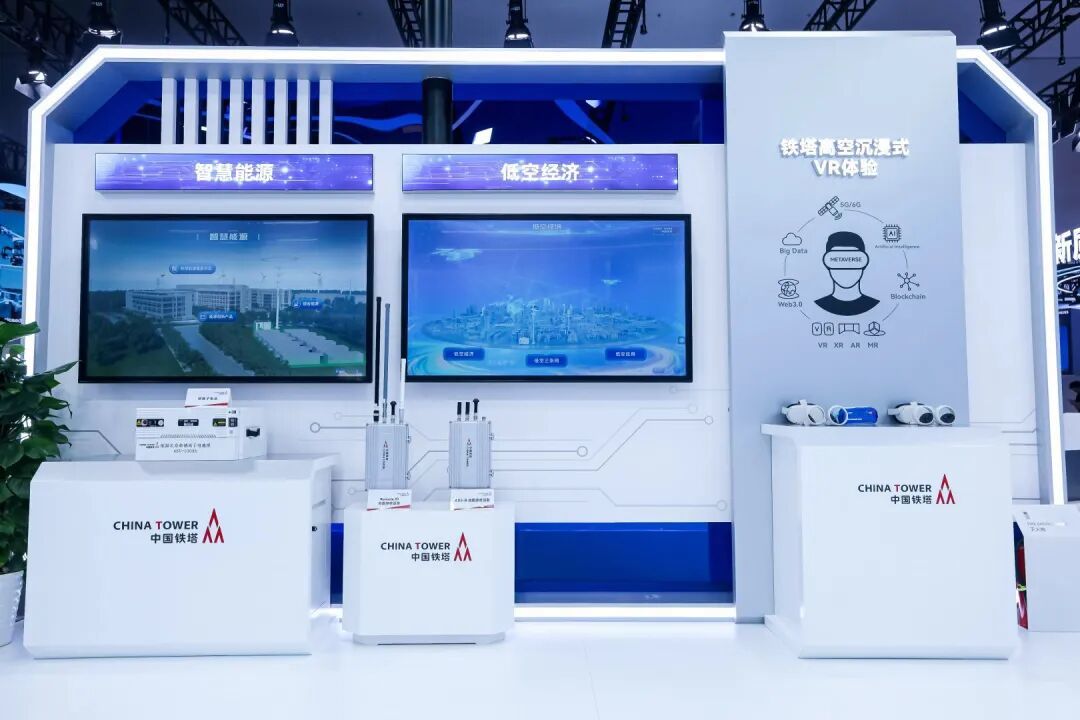
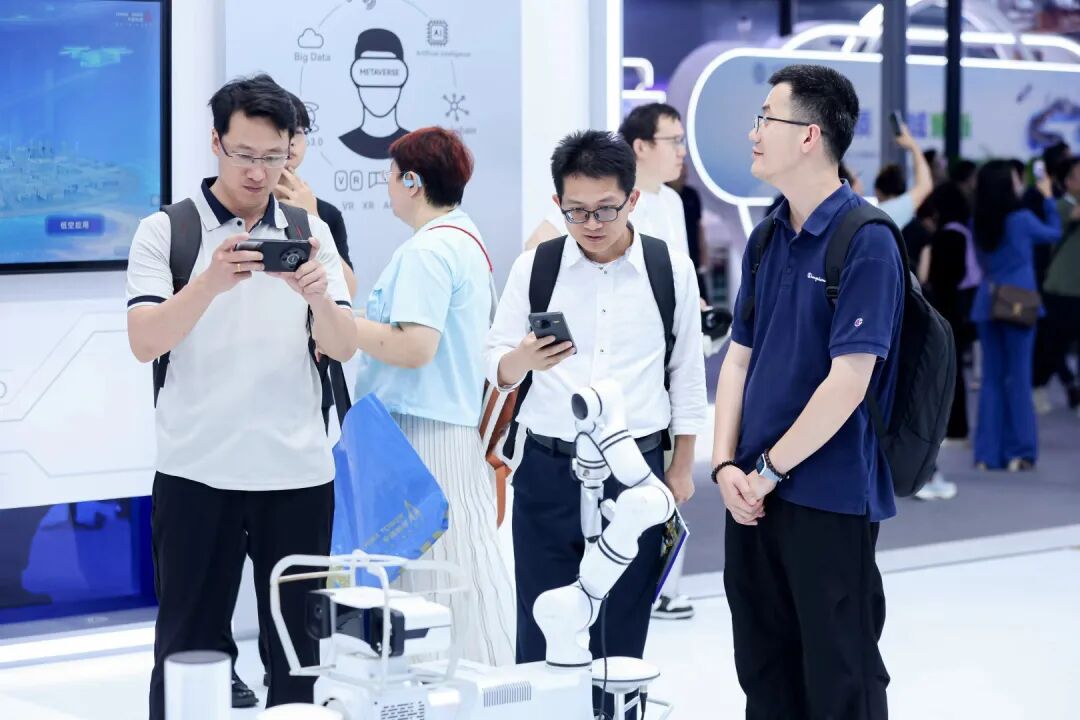
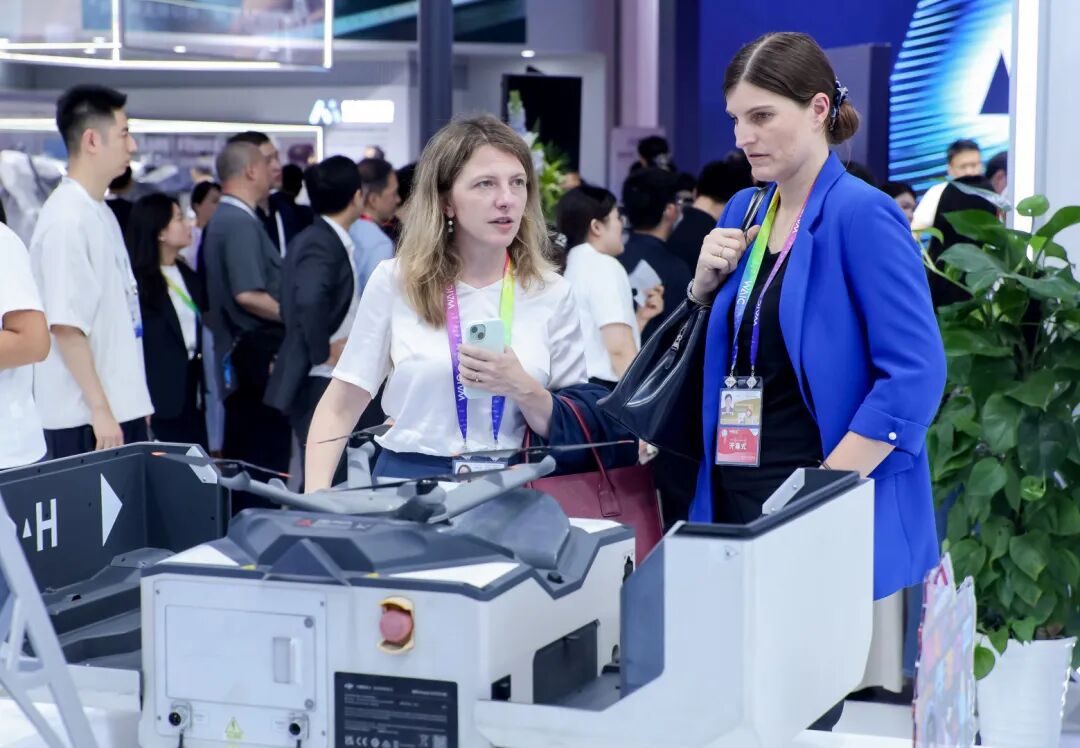
In the low-altitude economy sector, China Tower, serving as the chair unit of the Low-Altitude Economy Special Committee of the China Association of Communication Enterprises and the undertaking unit for a SASAC "Open Competition" project, has gathered 100 member units from the industrial chain. Focusing on three major systems—the flight infrastructure network, the low-altitude intelligent network, and the low-altitude service network—the company installs drone docking stations on its towers for the flight infrastructure network, creating a collaborative "Drone-Dock-Tower-Network" operational model. In Guangdong Province, 1,345 drone docking stations have been deployed, covering 1,542 towns and sub-districts. For the low-altitude intelligent network, the China Tower (Tianjin) Technology Innovation Center has independently developed dual-frequency multi-mode ground receiving modules and airborne modules based on ADS-B and Remote ID, capable of connecting to six types of devices for low-altitude situational awareness. For the low-altitude service network, a low-altitude "traffic light" system has been built using BeiDou grid codes. Applications have been implemented in various fields including transportation, water conservancy, and land resources: in Yangzhou, Jiangsu Province, "Road-Air Coordination" enables traffic accident handling within 15 minutes; at the Foziling Reservoir in Lu'an, Anhui Province, unattended automated inspections are realized; in Xishuangbanna, Yunnan Province, monitoring and early warning for Asian elephants have been strengthened; and in Handan, Hebei Province, over 2,500 high-point monitoring feeds and 26 drone airports have been integrated to form a comprehensive sensing network.
Related Products

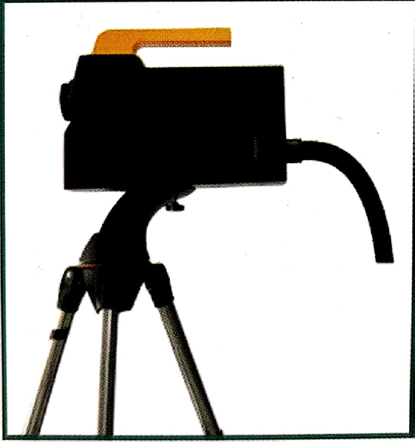
Automatic Aiming Laser Remote Obstacle Removal Robot
Pinggao Group Weihai High-Voltage Apparatus Co., Ltd.
Comprehensive Mining Automation Control System
Beijing Tianma Intelligent Control Technology Co., Ltd.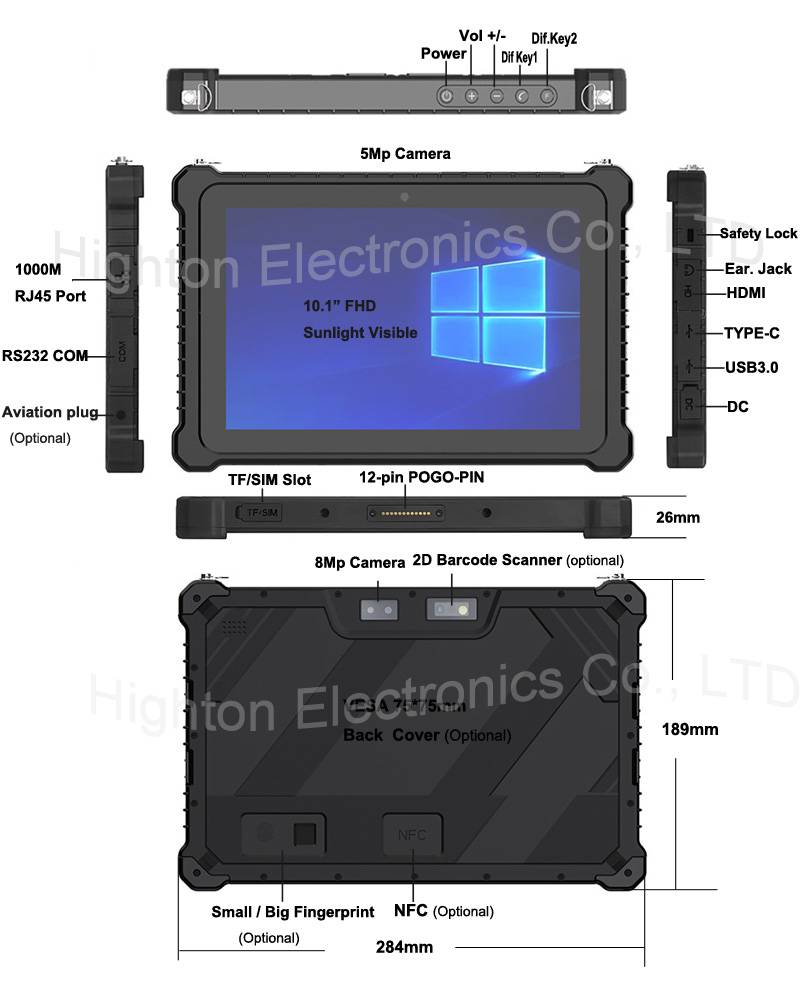
Hot Selling 10 Inch Intel N5100 I5 I7 FHD 8 +128GB 16+256GB Win10 Pro Win11 Pro 4G 5G Rugged Tablet PC Pad with NFC Barcode
Highton Electronics Co., Ltd.
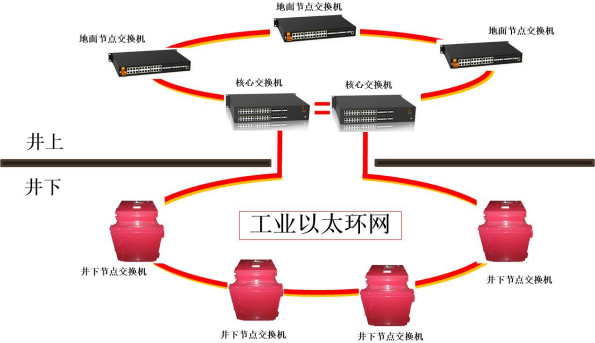
Mine Explosion-proof and Intrinsically Safe Industrial Ethernet Ring Network (10 Gigabit/Gigabit)
Chongqing Mas Sci&Tech Co., Ltd.
GYTA Type Non-Self-Supporting Aerial/Duct Optical Cable
TONGDING INTERCONNECTION INFORMATION CO., LTD.

G.652.D Wavelength-extended Non-dispersion Shifted Single-mode Optical Fiber
HONGAN GROUP CO., LTD.
One-Stop Steward Service for the Entire Logistics System Integration Chain
Zhongding Intelligent (Wuxi) Technology Co., Ltd.