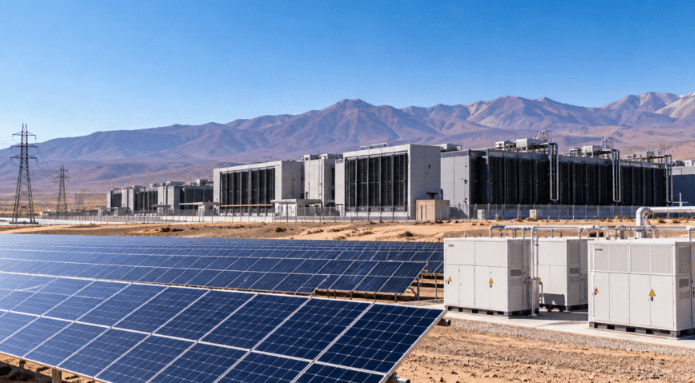
ib vogt receives approval for 120MW/480MWh battery storage project in Australia
en.Wedoany.com Reported - German solar and storage developer ib vogt has received planning approval from New South Wales to build the Wagga North Battery Energy Storage System (BESS) in the state, with a capacity of 120MW/480MWh.
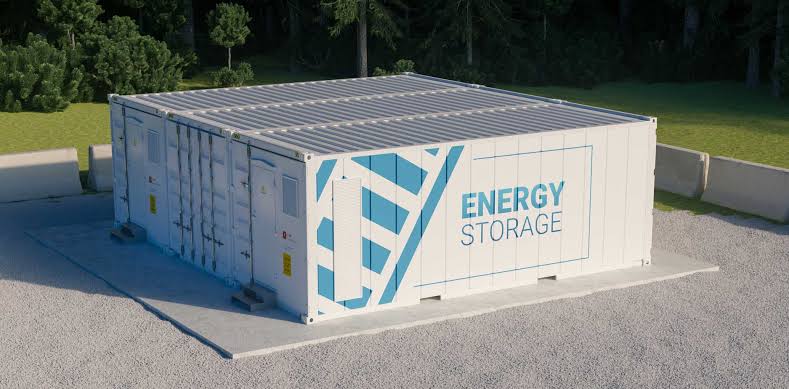
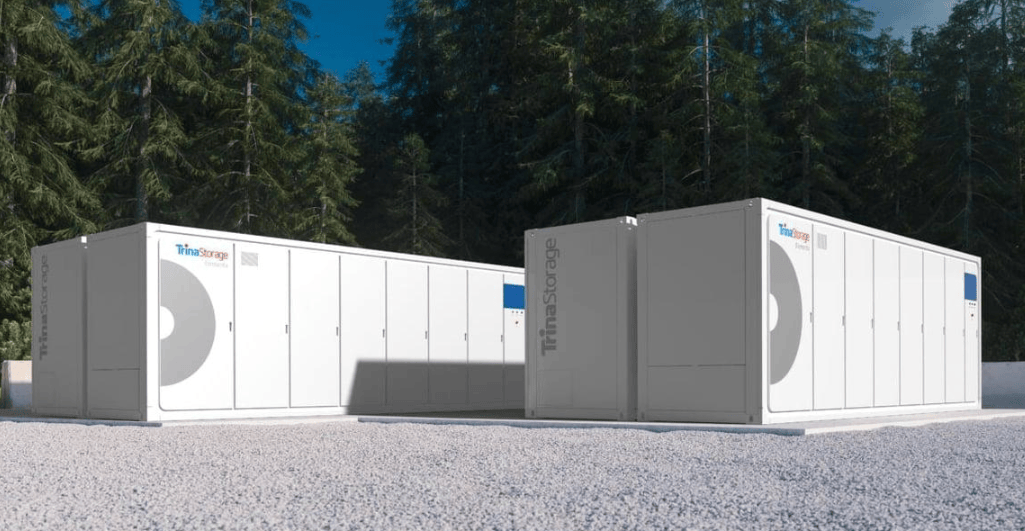
The Wagga North BESS will be located within the Wagga Wagga Special Activation Precinct near Bomen, covering an area of 26.94 hectares, with the battery storage system occupying approximately 4 hectares. The system uses lithium iron phosphate (LFP) chemistry and will be connected via underground cables to the adjacent Transgrid Wagga North zone substation directly north of the site. Ancillary works for site access include upgrading the intersection of Byrnes Road and Bavin Road, as well as paving Bavin Road. The project has a duration of 4 hours, providing 120MW of output power and 480MWh of storage capacity. The construction period is expected to be 12 to 18 months, supporting approximately 90 jobs during this phase.
ib vogt has been operating in Australia since 2016, having developed and sold approximately 450MW of renewable energy and storage projects locally, including the 90MW Sebastopol solar project located about 350 kilometers southwest of Sydney. The Wagga Wagga Special Activation Precinct is a designated economic development zone where the New South Wales government has completed preliminary master planning and community consultation, providing a streamlined approval pathway for projects within the area. The project was originally planned by Zen Energy and subsequently advanced by ib vogt through the development application stage to final planning determination. Last week, it was reported that Zen Energy had appointed voluntary administrators after failing to find a viable buyer for its retail business. The approval of the Wagga North project comes as New South Wales faces a growing gap between its contracted storage capacity and the capacity required to meet the state's updated targets.
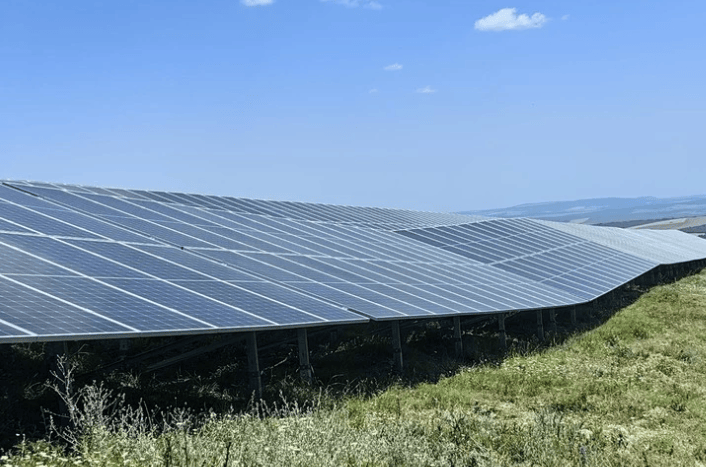
In March 2025, ib vogt announced it would build another 120MW solar-plus-storage project near Deepwater in the New England Renewable Energy Zone. The project adopts an agrivoltaic model, allowing sheep to graze between the solar arrays, and construction is expected to begin this month. It forms part of the larger Denman Renewable Energy Hub, which also includes a standalone 4.8GWh, 2-hour duration BESS.
Moranbah solar-plus-storage project in Queensland receives grid connection approval. Developer Zero-E Australia and its parent company Grupo Cobra have obtained 5.3.4A connection approval from the Australian Energy Market Operator (AEMO) for the 145MWac Moranbah solar-plus-storage site in Queensland. The approval, confirmed by grid connection engineering firm OSA Engineering, covers a 145MWac solar photovoltaic facility with an additional 50MWac battery energy storage system, located near Coppabella in Queensland's Bowen Basin. The plant uses an AC-coupled hybrid architecture and is equipped with grid-forming inverter technology, making it one of a growing number of solar and storage projects in Australia capable of providing active grid stability support.
Section 5.3.4A of the National Electricity Rules specifies the process generators must follow before entering operation in the National Electricity Market (NEM). Obtaining this approval requires extensive power system modeling, including electromagnetic transient studies using Power System Computer Aided Design (PSCAD) and power flow analysis using Power System Simulator for Engineering (PSS/E), as well as performance verification and negotiations with AEMO and the relevant network service provider (in this case, Energy Queensland). OSA Engineering stated that the process involved close collaboration between the project team, AEMO, and Energy Queensland at various stages of technical assessment. The 5.3.4A approval is a connection milestone that confirms the project can connect and operate safely within the NEM while maintaining system reliability. The approval itself does not authorize the start of construction, but it removes major technical uncertainties between development approval and final investment decision, and is typically one of the last formal steps before a project enters procurement and construction contracts.
Related Products


CAP1400 main feedwater flow nozzle flowmeter.
Jiangsu Hongda Instrument Technology Co., LTD.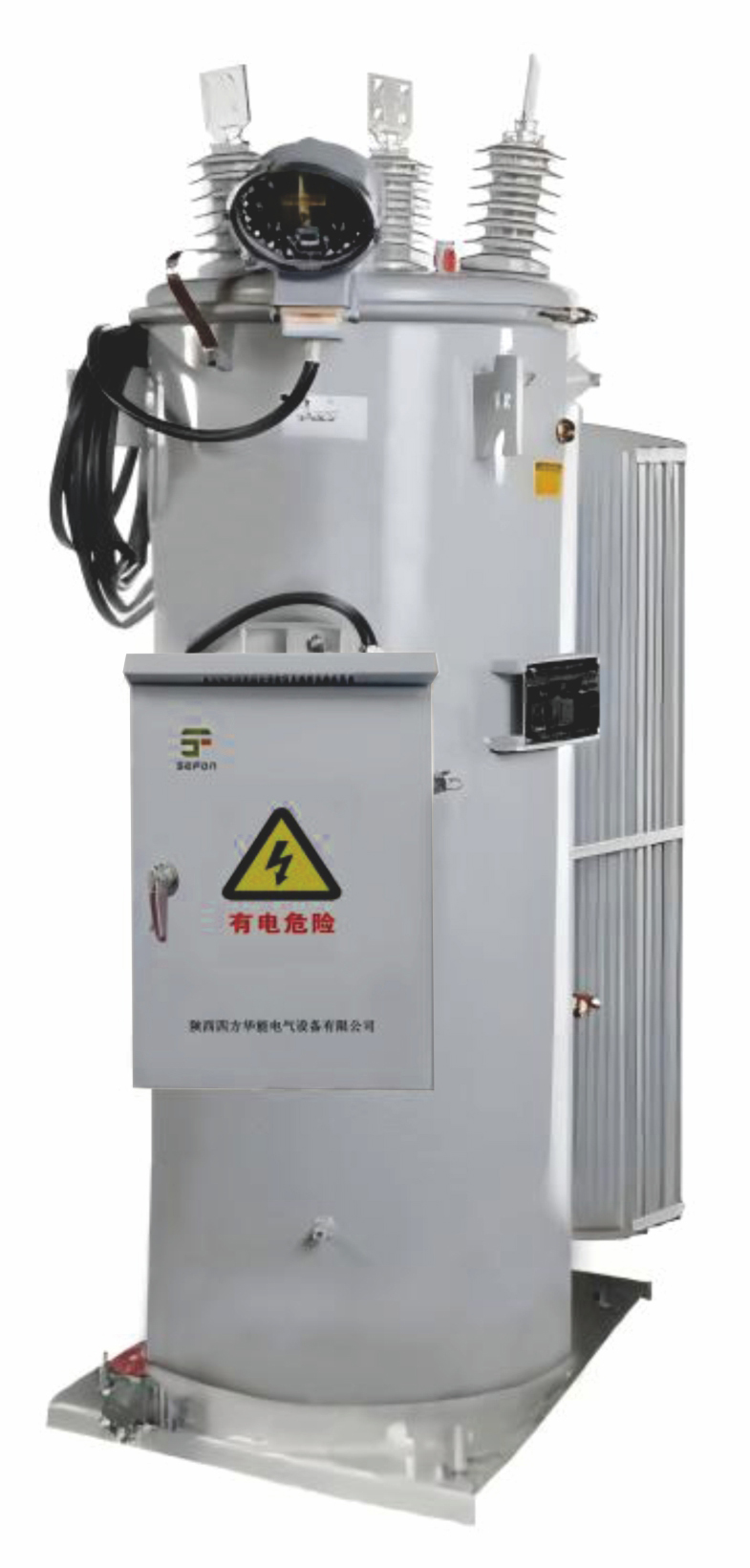
Single-Phase Automatic Voltage Regulator(AVR)
Shaanxi Sefon Electrical Equipment Co.,Ltd.

Environmentally Friendly Flame-retardant PVC Double-layer Insulated Wire
Sichuan Chndo Cable Co., Ltd.
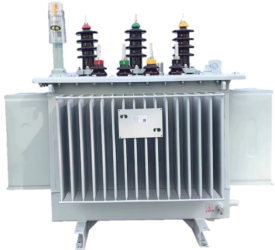
Oil-immersed Amorphous Alloy Core Distribution Transformer
Pinggao Group Smart Electric Co., Ltd.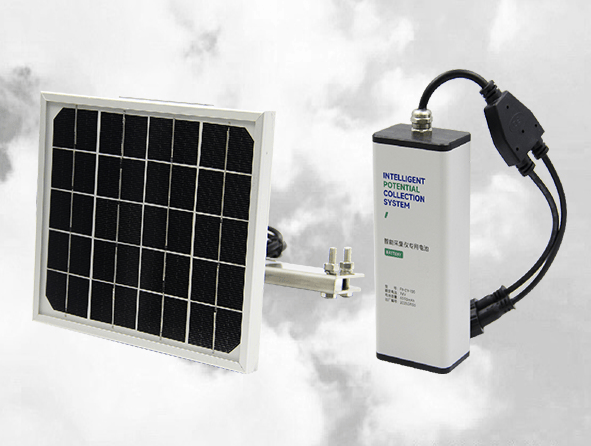
Inductive Power Harvesting Self-Powered Device - Safuneng
SELF ENERGY TECHNOLOGY (SHENZHEN) CO., LTD.
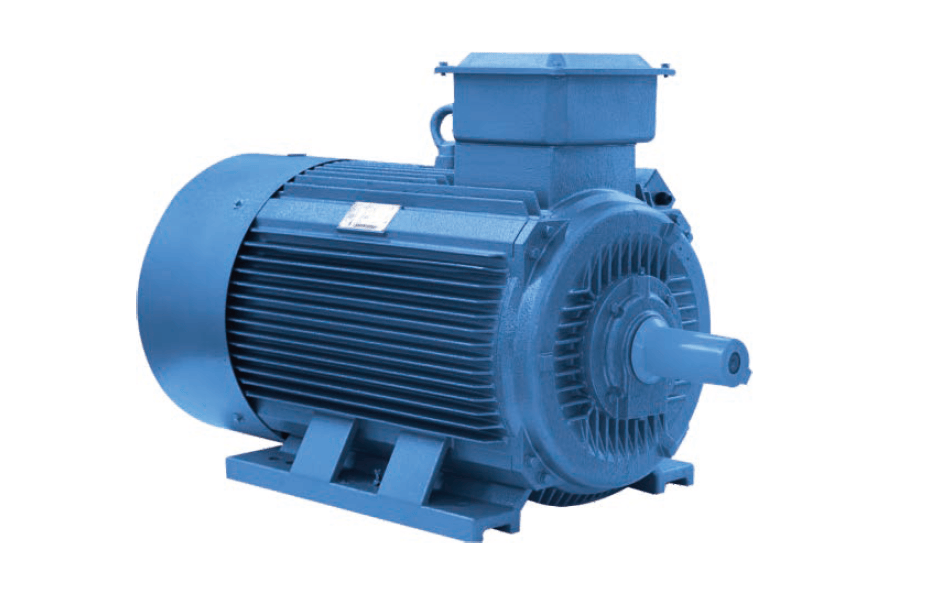
TYC Series High-Efficiency Permanent Magnet Synchronous Motor
Xiangdian Smart Energy Technology Co., Ltd.