China Geological Survey's Deep-Sea Exploration Team Achieves Over 90% Domestic Production Rate of Key Equipment
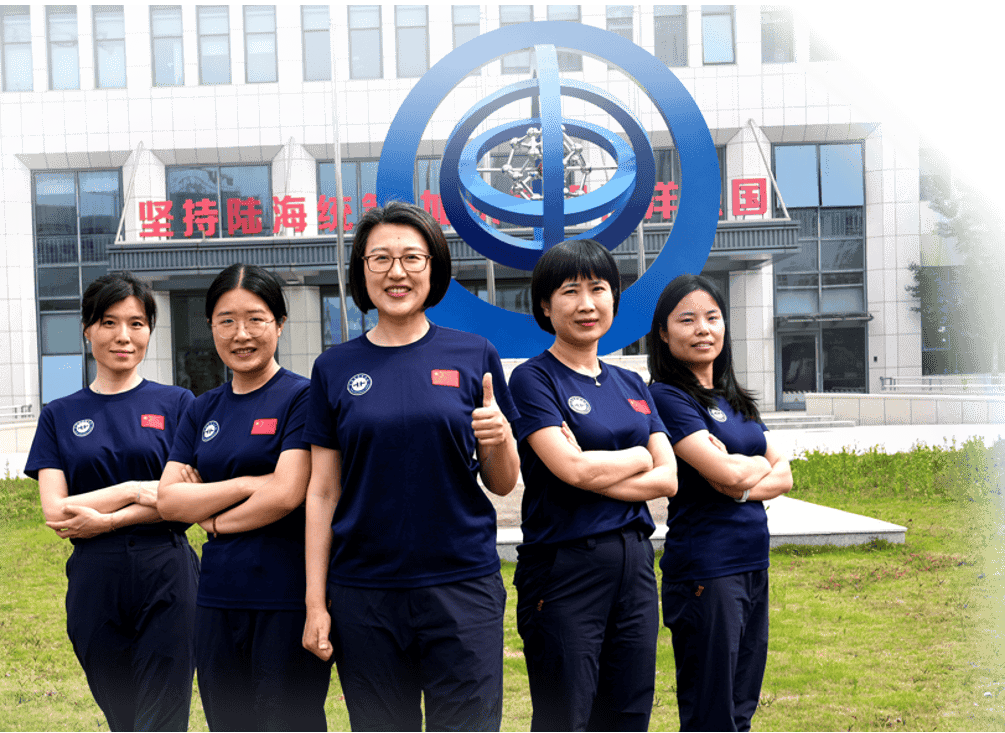
en.Wedoany.com Reported - Established in 2013, the Deep-Sea Extreme Environment Mineral Resource Exploration Team of the Qingdao Institute of Marine Geology, China Geological Survey, consists of 14 members with an average age of 35, covering expertise in marine geology, geophysics, exploration technology, and other fields. Five female researchers in the team, known as "Deep-Sea Roses," have been working year-round on frontline expeditions, submersible dives, and technological breakthroughs. Tasked with surveying China's deep-sea resource inventory, the team has completed 16 ocean voyages, discovered 14 large cold seep systems, 42 hydrothermal vents, 5 sulfide mining areas, and 11 gas hydrate metallogenic zones, and delineated a number of key prospecting targets.
The team has demonstrated professionalism and responsibility during submersible dives. During the autumn 2024 South China Sea voyage, team member Cao Hong volunteered under urgent conditions when a typhoon was approaching and only 20 hours of operational window remained. She successfully collected carbonate rock samples at a depth of 1,390 meters, obtained visual data and in-situ experimental results, filling a critical gap in gas hydrate exploration. In another mission in a key sea area, Mi Beibei identified a critical point based on a subtle morphological difference in a bulge after six hours of seabed search. The samples ultimately retrieved provided solid geological evidence for scientific research and rights protection in the relevant sea area.
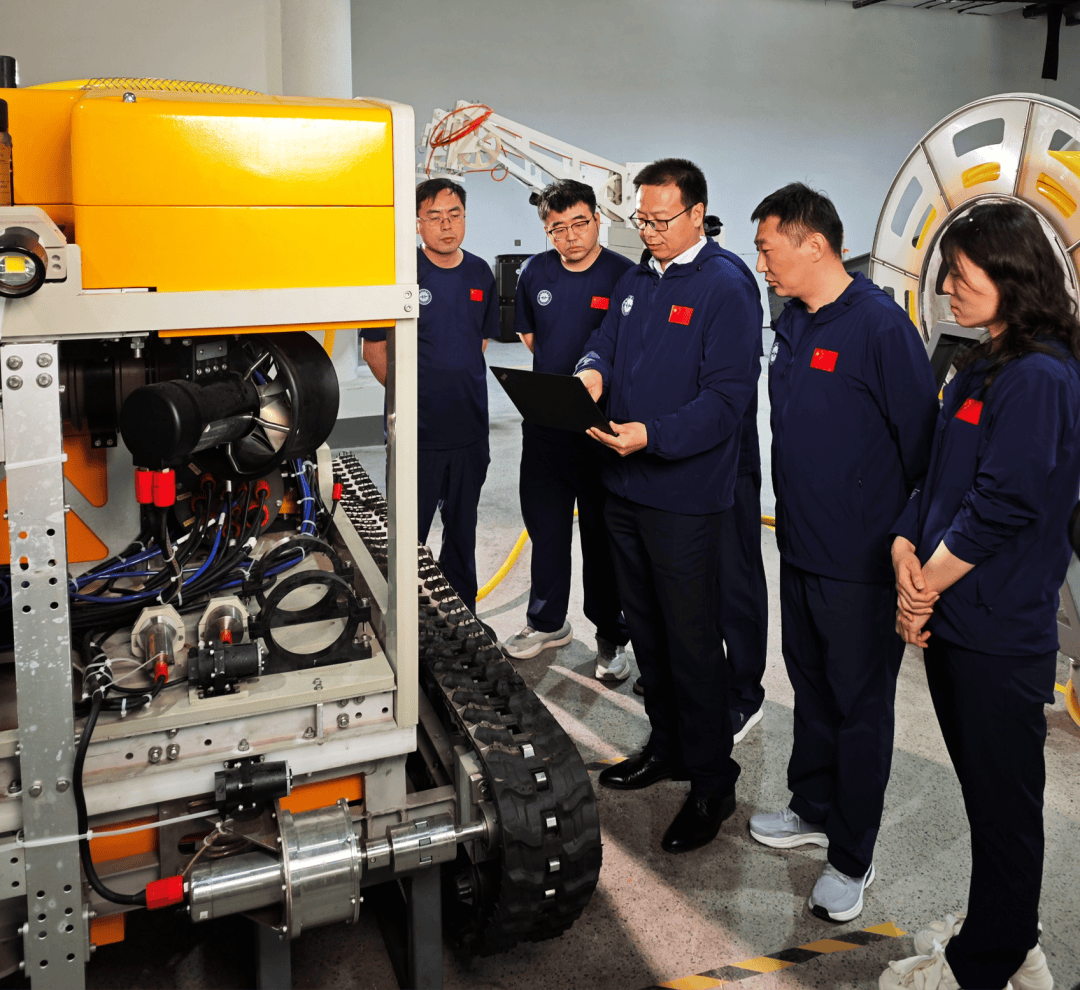
In terms of technological breakthroughs, the team has focused on overcoming limitations of imported equipment. To solve the challenge of in-situ fluid sampling, Xu Cuiling spent over 300 days repeatedly disassembling, assembling, and debugging equipment, successfully achieving in-situ fluid sampling at hydrothermal vent sites, enabling China to retrieve more authentic deep-sea field samples. The team has also achieved several key breakthroughs: reducing the response time of methane and carbon dioxide sensors from over 100 seconds for foreign products to 3.5 seconds, reaching world-leading precision; developing a tracked seabed vehicle that does not sink in muddy areas or get stuck in rocky areas; overcoming acoustic-optical fusion detection technology to clearly observe seabed micro-topography from a distance; and developing in-situ laser Raman and underwater isotope sensors capable of directly identifying composition underwater. These achievements have pushed the domestic production rate of key equipment beyond 90% and tripled exploration efficiency.
The team has also made progress in the field of biomineralization. While visiting the University of Birmingham in the UK, team member Chen Ye received a mission for a cold seep biological exploration voyage. She resolutely returned to China and boarded the ship, capturing transient changes in microbial communities near cold seep vents and identifying a special metabolic pathway of methane anaerobic bacteria under high-pressure conditions. This provided important evidence for revising the understanding of cold seep carbon cycles and expanding exploration targets for combustible ice. The team has also engaged in campus outreach, delivering over 60 science popularization lectures.
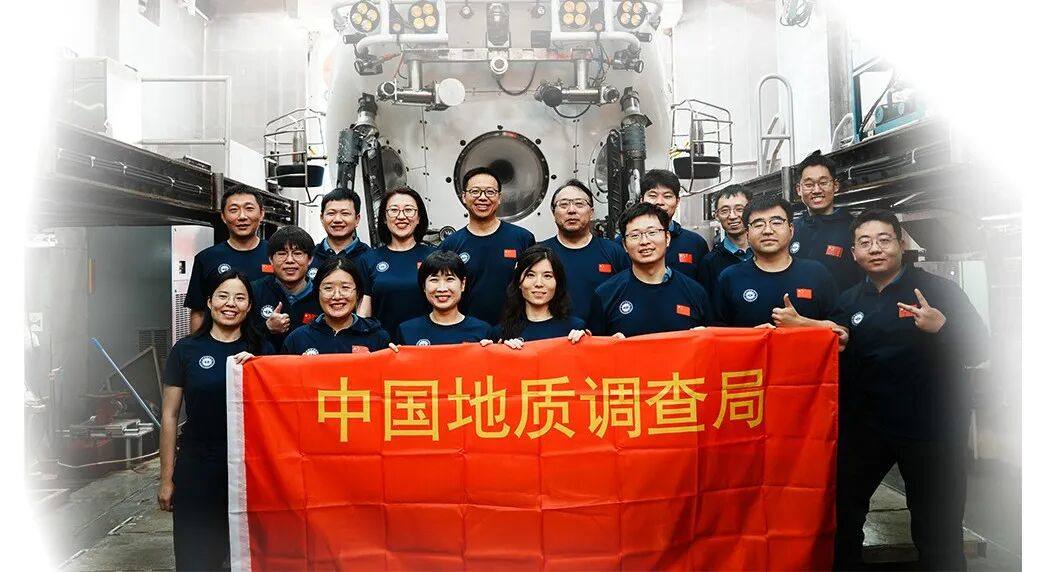
Led by researcher Sun Zhilei, the team adheres to the principle of establishing Party branches on ships, using Party building to guide deep-sea resource exploration. This young national research team, composed of 14 doctoral and master's degree holders with an average age of 35, has been selected as a high-level innovation team by the Ministry of Natural Resources. Team members stated: "The so-called 'women chasing dreams' is not about being seen because of gender, but because our work stands up to scrutiny."
Related Products
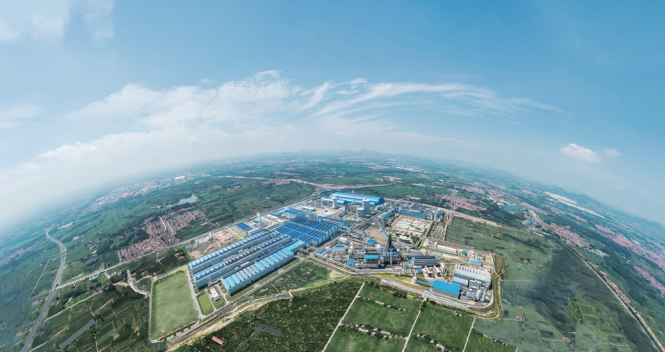

Linyi Steel Investment Special Steel 2.7 Million Tons per Year High-quality Special Steel Project
Capital Engineering & Research Incorporation Limited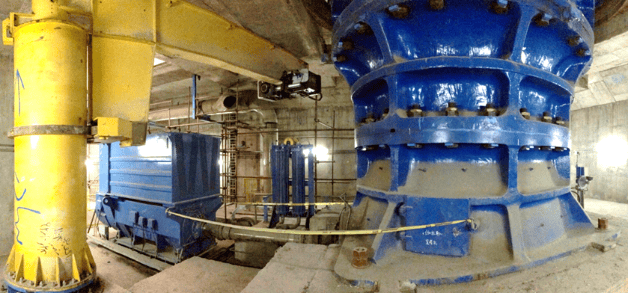
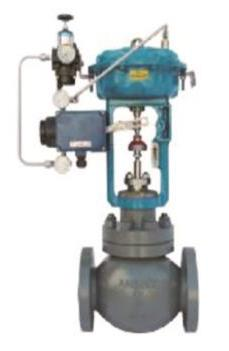
Quick-Change Single-Seat Control Valve / Quick-Change High-Pressure Single-Seat Control Valve
Beijing Consen Automation Technology Co., Ltd.

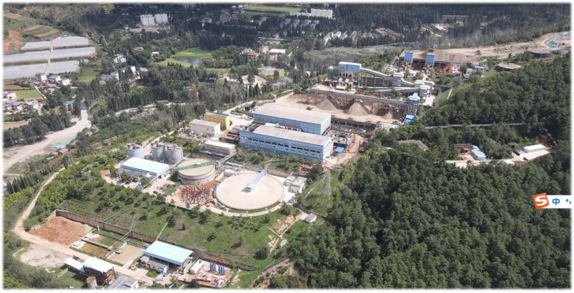
Yunnan Phosphorus Chemical Group Co., Ltd. 2 Million t/a Phosphorus Ore Mining and Beneficiation Project
China Bluestar Lehigh Engineering Corporation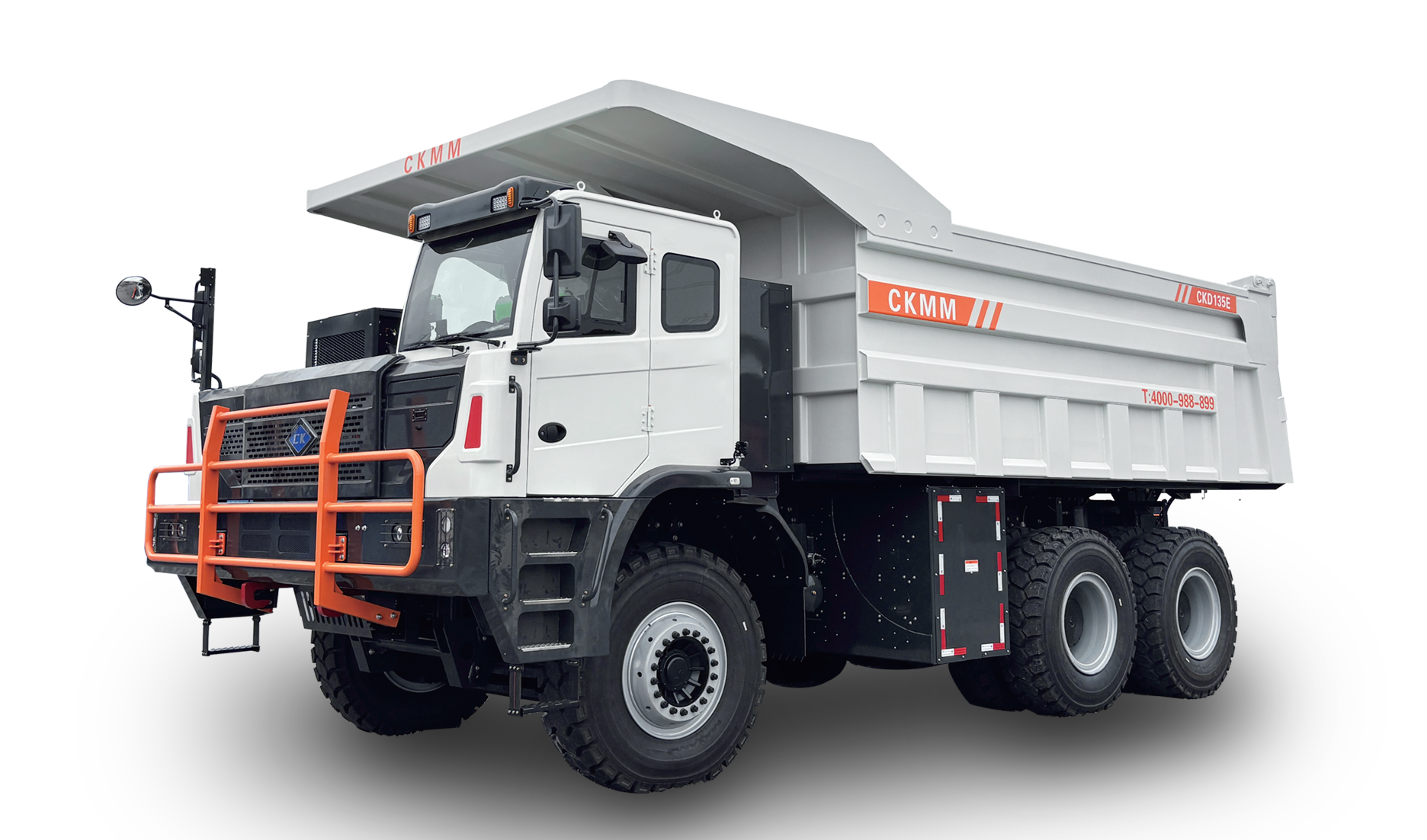
CKD135E Pure Electric Wide-body Dump Truck
Jiangsu Changkuang Engineering Machinery Co. Ltd.
Industrial and Commercial Point-Type Gas Detector
Jinan Benan Technology Development Co., Ltd.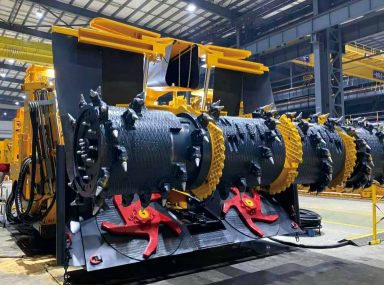
Integrated Excavation and Anchoring Machine (EJM Series)
China Railway Construction Heavy Industry Corporation Limited