Catamarca Province, Argentina Introduces QR Code Monitoring System to Enhance Mine Road Safety
en.Wedoany.com Reported - The government of Catamarca Province, Argentina, has signed a cooperation agreement with POSCO Argentina to introduce QR code registration checkpoints on routes leading to mining areas in the province's Puna region, aiming to enhance road safety for workers, contractors, and suppliers traveling these routes daily.
The agreement, signed in the presence of Governor Raúl Jalil, establishes a joint work agenda between the government, the Ministry of Security and Justice, the Provincial Security Secretariat, and POSCO Argentina to strengthen preventive and road safety measures related to mining activities. Under the agreement, QR code registration points will be installed at strategic checkpoints along the routes used by mining operation vehicles.
This system is part of POSCO Argentina's vehicle responsibility program, designed to enhance monitoring of long-distance travel to the Puna region. Drivers can use the system to record vehicle conditions, road conditions, and information related to travel safety. The collected data will be used for preventive monitoring and to improve response efficiency to potential incidents.
The agreement was signed by representatives including Alberto Natella, Minister of Government, Security and Justice; Gastón Venturini, Security Secretary; and Song Siyoung, Head of Safety and Health at POSCO Argentina. Officials from the company's safety and health team and the Catamarca office also attended the ceremony.
This initiative is launched against the backdrop of increasing logistics activities related to mining projects in the Puna region of Catamarca Province, where workers, contractors, suppliers, and supply vehicles must travel long distances daily to reach operational sites. POSCO Argentina operates the "Sal de Oro Project" at the Hombre Muerto Salar, a lithium development project spanning Catamarca and Salta provinces, and one of the major mining projects in Argentina's Puna region.
Officials from the Provincial Security Secretariat stated that cooperation between the public and private sectors is a tool to strengthen preventive policies, reduce road risks, and consolidate a road safety culture centered on protecting people. The monitoring system aims to provide new management tools for mining transport corridors, support the continued growth of Puna mining operations through preventive monitoring mechanisms, and improve safety for all personnel traveling to mining projects.
Related Products
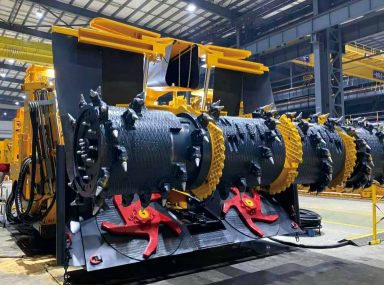

Integrated Excavation and Anchoring Machine (EJM Series)
China Railway Construction Heavy Industry Corporation Limited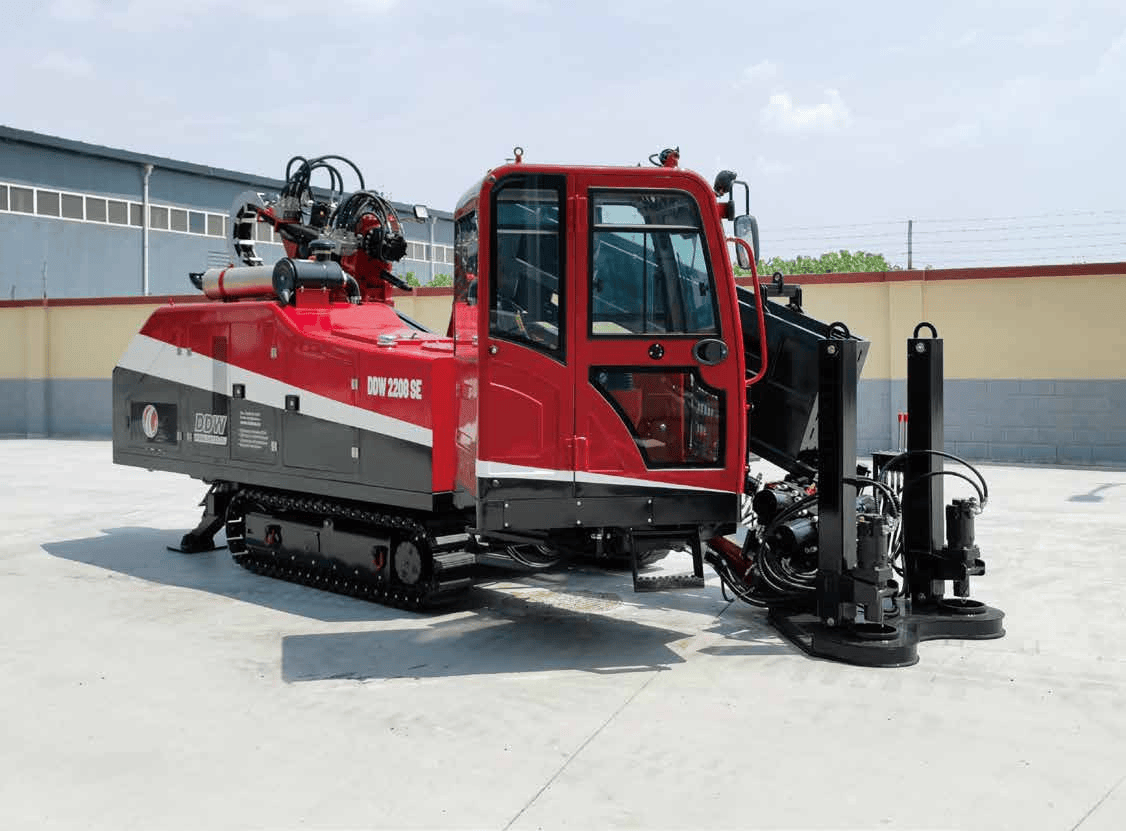
DDW22/08SE-HORIZONTAL DIRECTIONAL DRILL
DW/TXS Construction Equipment (Beijing) Co., Ltd.
High-temperature Equal Wall Thickness High-power Screw Drilling Tool
Orient Energy & Technologies Co., Ltd.

New Environmentally Friendly Green Potassium Salt Collector
Chonfar Engineering and Technology Co., Ltd.

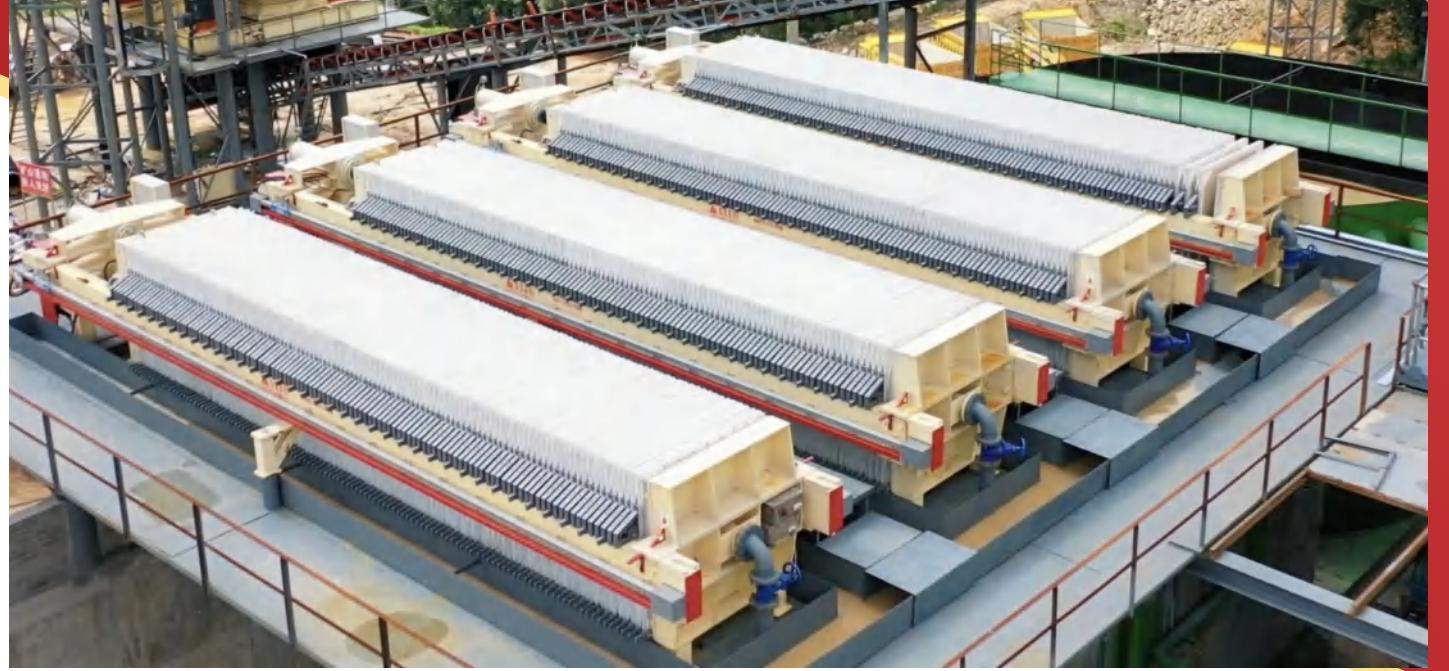
Hydraulic Plate and Frame Filter Press
Guangdong Leimeng Intelligent Equipment Group Co., Ltd.


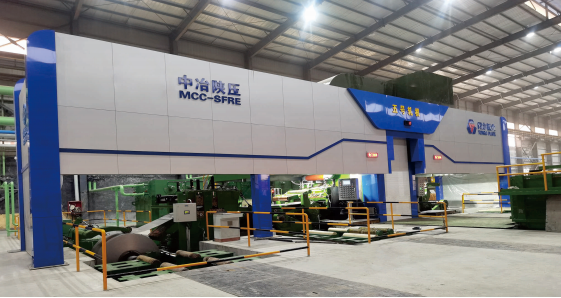
1050-1750mm Steel Strip Single-stand Reversible Cold Rolling Production Line
MCC-SFRE HEAVY INDUSTRY EQUIPMENT CO., LTD.