U.S. Qnetic Tests 200 kWh Flywheel System, Builds World's Largest Test Unit
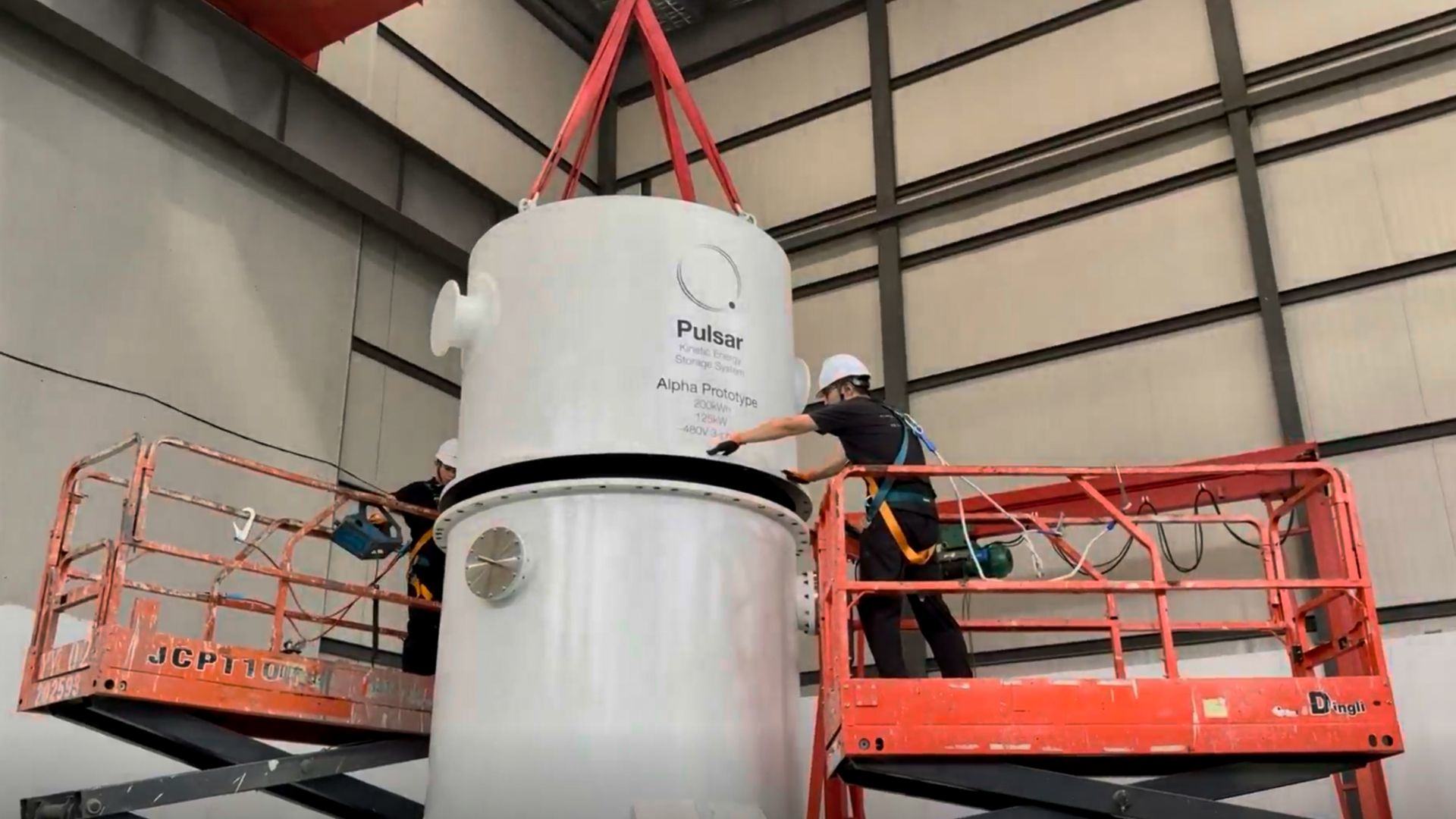
en.Wedoany.com Reported - U.S. company Qnetic is assembling a 200 kWh Pulsar flywheel energy storage system while constructing the world's largest dedicated flywheel test unit at its Shanghai Technology Center. The system aims to validate the performance, safety, and reliability of flywheel-based energy storage technology, with the potential to replace chemical batteries in the future.
The continuous growth of renewable energy installations has driven a rapid increase in energy storage demand. Solar and wind power generation are intermittent and cannot output on demand, so the electricity generated must be stored first and released when the grid requires it. Large-scale renewable energy plants, in particular, need high-capacity storage solutions, which currently rely mainly on lithium-ion batteries. These chemical batteries have high initial investment costs, and their performance degrades significantly over time, leading to reduced reliability.
Flywheel energy storage achieves energy storage through rotational motion. In a vacuum chamber, excess electricity drives the flywheel to spin, converting it into kinetic energy. Since the chamber is in a vacuum state, the flywheel can operate continuously for long periods with minimal energy loss. When the grid needs power, the flywheel drives a generator to convert the rotational kinetic energy back into electricity. Unlike traditional batteries that rely on chemical reaction rates, flywheels can respond quickly, either releasing large amounts of power instantly or providing small amounts of electricity to support grid stability.
This system has no risk of thermal runaway, thus eliminating fire hazards. More importantly, its performance degrades very little over the years, ensuring that the energy storage system maintains the same output capacity after two decades, making it more suitable for long-term projects. Qnetic, based in New York, is dedicated to advancing flywheel energy storage technology to complement and even replace lithium-ion batteries in the long run. Its 200 kWh Pulsar system will be used for data center power supply, microgrid support, and other industrial scenarios.
At the Shanghai Technology Center, Qnetic has set up testing facilities and is assembling the first full-scale Pulsar prototype, while also building the world's largest dedicated flywheel test unit. Qnetic is collaborating with a company specializing in spin-testing technology to jointly determine the test unit specifications. The partner stated that the energy stored in Qnetic's flywheel system far exceeds the spin-test objects typically handled by the institution, making the containment challenge uniquely large in scale and scope.
Qnetic CEO Michael Pratt noted that building the world's largest flywheel test unit while simultaneously validating the first Pulsar system demonstrates both technological maturity and confidence in commercial potential. The company is creating the necessary infrastructure to prove scaled performance and accelerate customer deployment. These milestones mark a critical phase for Qnetic as it transitions from technology development to commercialization.
Related Products
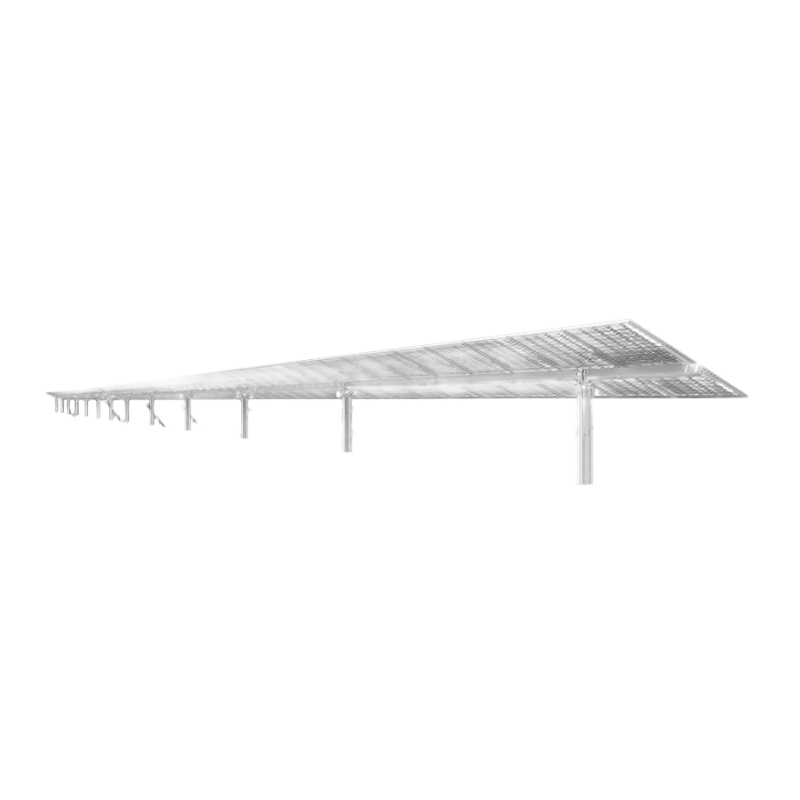

TAI Slew-drive Single-axis Independent 1P Tracking Bracket System
ANTAI TECHNOLOGY CO., LTD.

Modular Multifunctional Water Supply and Drainage Vehicle (18T)
Changsha Dewater Machinery Technology Co., Ltd.
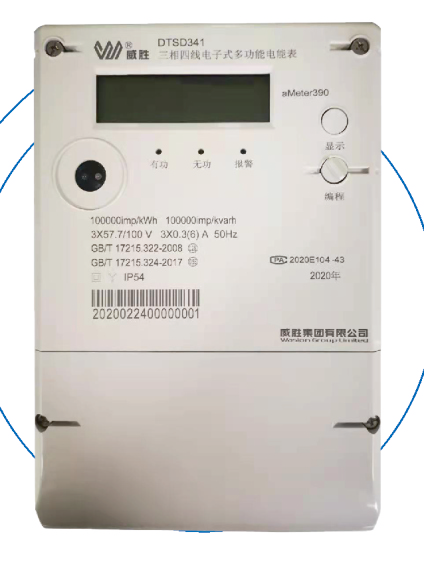
Overseas IEC Gateway Energy Meter - DTSD341/DSSD331-aMeter390
Wasion Group Limited Co., Ltd.
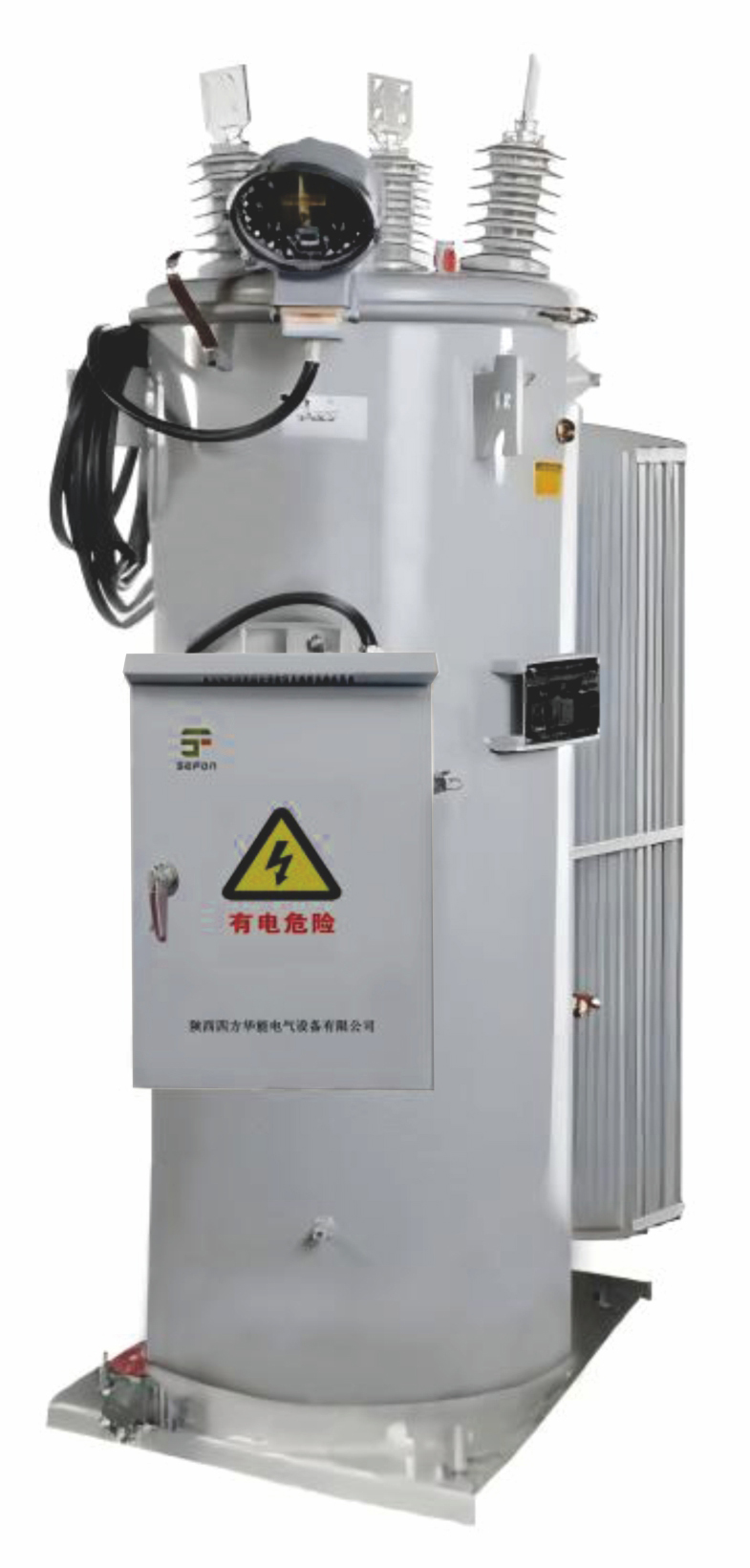
Single-Phase Automatic Voltage Regulator(AVR)
Shaanxi Sefon Electrical Equipment Co.,Ltd.

High-voltage Direct Current (HVDC) Transmission System Research and Integrated Design
XI'AN XD POWER SYSTEMS CO., LTD.