Brazilian Court to Oversee First Battery Capacity Auction, Contracts May Reach R$153 Billion
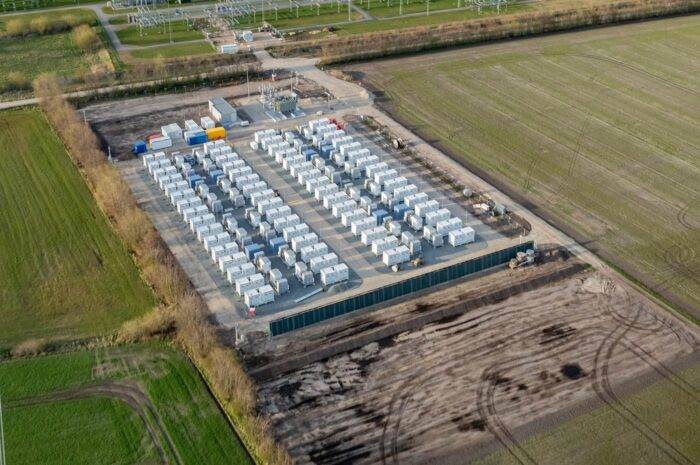
en.Wedoany.com Reported - The Brazilian Federal Court of Accounts (TCU) has authorized oversight of the country's first battery capacity reserve auction (LRCAP) structured in terms of power. The oversight will be conducted during the auction design phase and may assess decisions with financial impacts of up to R$153 billion over 15 years.
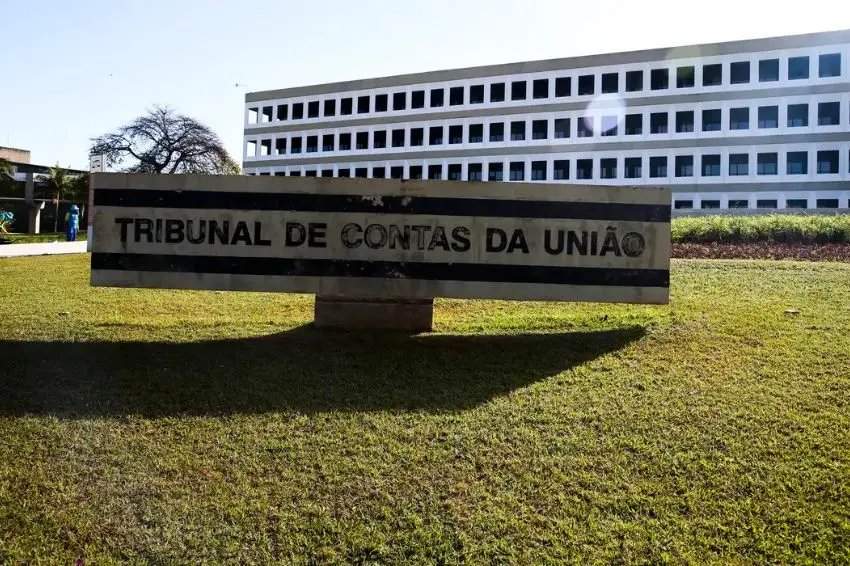
According to Ruling No. 1.891/2026, the authorization was unanimously approved by the TCU plenary. The oversight will be conducted by the Specialized Audit Department for Electricity and Nuclear Energy (AudElétrica), aiming to verify whether the regulatory design and technical, economic, and operational standards ensure the efficient procurement of energy storage capacity required by the National Interconnected System (SIN).
As this is Brazil's first auction specifically for battery contracts, the Court considers that the adopted rules may set a precedent for future auctions and the development of this market in the country. According to estimates by the Brazilian Energy Storage Solutions Association (ABSAE), the market is expected to procure between 2 GW and 6 GW of installed capacity, with an estimated annual fixed revenue of R$1.2 million to R$1.7 million per megawatt. If 6 GW are procured, annual compensation could range from R$7.2 billion to R$10.2 billion. Over the 15-year contract term, the cumulative amount could reach between R$108 billion and R$153 billion, with these costs covered by the Capacity Reserve Fee (ERCAP), paid by electricity consumers.
The TCU also cited the 2035 Ten-Year Energy Expansion Plan (PDE 2035), which projects that the country will have approximately 6.6 GW of energy storage systems by the end of 2035. Oversight should focus on aspects deemed critical to the auction's feasibility, including the methodology for defining the maximum price, project compensation, eligibility criteria, and the auction's competitive mechanism. The Court will also track how ERCAP costs are allocated among participants in the electricity sector, with particular attention to the development of system operation and availability rules.
Battery degradation over the contract period is considered one of the main technical risks. The auction design needs to determine how to handle the gradual loss of equipment capacity and the obligations contractors must fulfill over the 15-year contract term. Additionally, grid connection standards and contractual risk allocation will be assessed. According to the TCU, any inconsistencies could lead to litigation, delays in project deployment, and increased costs borne by consumers.
Oversight will proceed concurrently with rulemaking, aiming to identify potential issues before key regulatory and operational decisions are finalized. The Brazilian Ministry of Mines and Energy (MME) itself has acknowledged the importance of this preemptive oversight and has prepared technical teams to submit procurement guidelines in advance. The oversight involves multiple entities, including the MME, the Energy Research Company (EPE), the National Electric Energy Agency (ANEEL), the National Electric System Operator (ONS), the Electric Energy Trading Chamber (CCEE), and the National Bank for Economic and Social Development (BNDES). Case rapporteur Minister Jorge Oliveira believes that coordination among these entities is necessary to integrate regulatory, operational, and financing rules.
Related Products

H-40.5/0.4~1.14kV New Energy Power Generation Dedicated High Voltage/Low Voltage Prefabricated Substation
XJ (Xiamen) Intelligent Power Equipment Co., Ltd.

Industrial and Commercial Point-Type Gas Detector
Jinan Benan Technology Development Co., Ltd.
Pneumatic high-pressure wear-resistant ball valve
Zhejiang Deca Control Valve Meter Co., Ltd.
"Shunyi 1600" Deep-submerging Bottom-sitting Multi-functional Wind Power Engineering Vessel
Zhengli Offshore Engineering Co., Ltd.
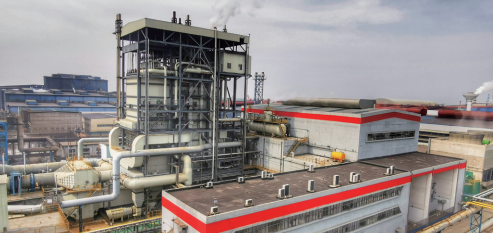
Jiujiang Pinggang 125MW Subcritical Gas Power Generation Project
Capital Engineering & Research Incorporation Limited
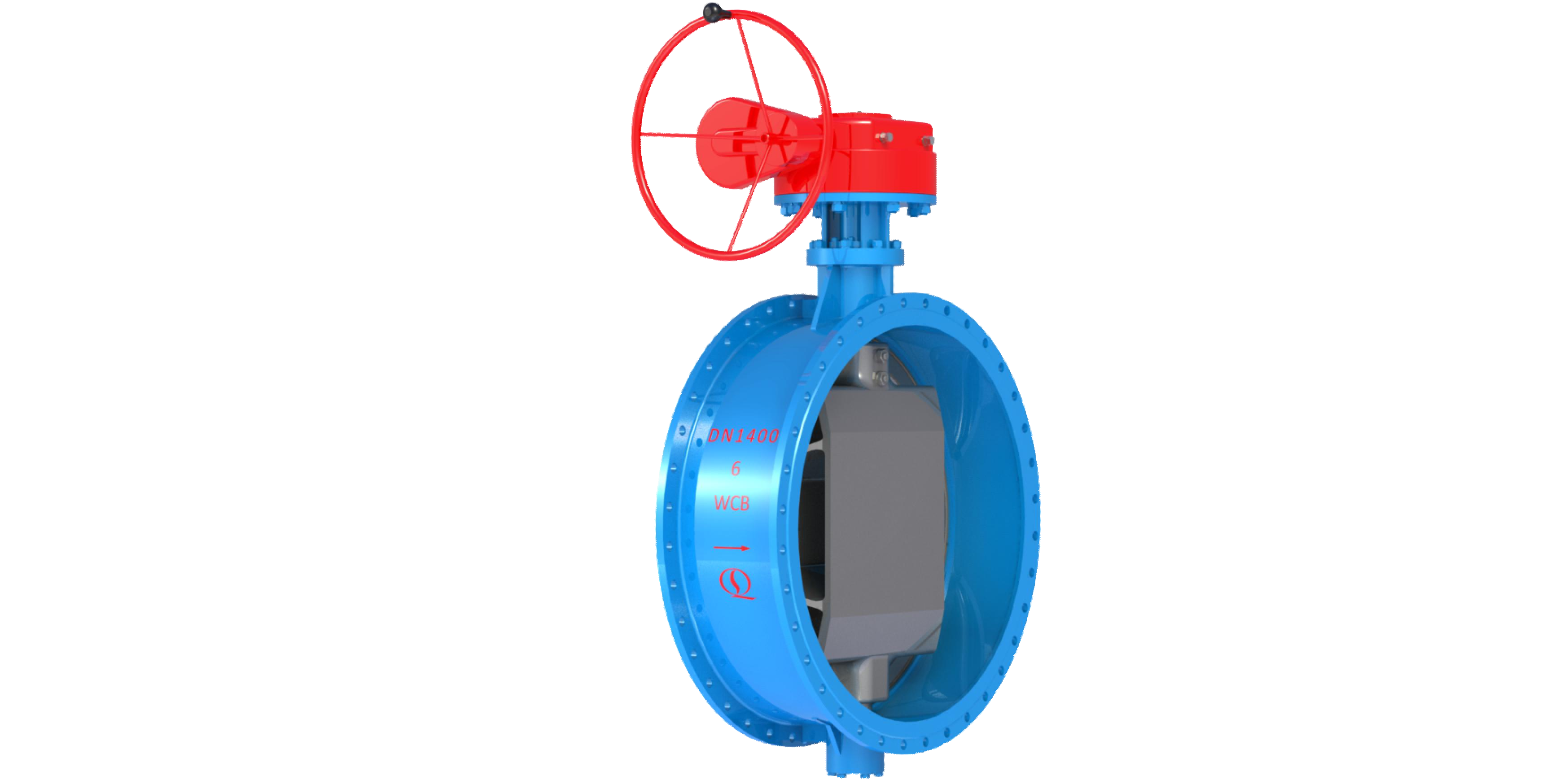
Bidirectional Metal Hard Sealed Seawater Butterfly Valve
Henan Quanshun Flow Control Science & Technology Co., Ltd.
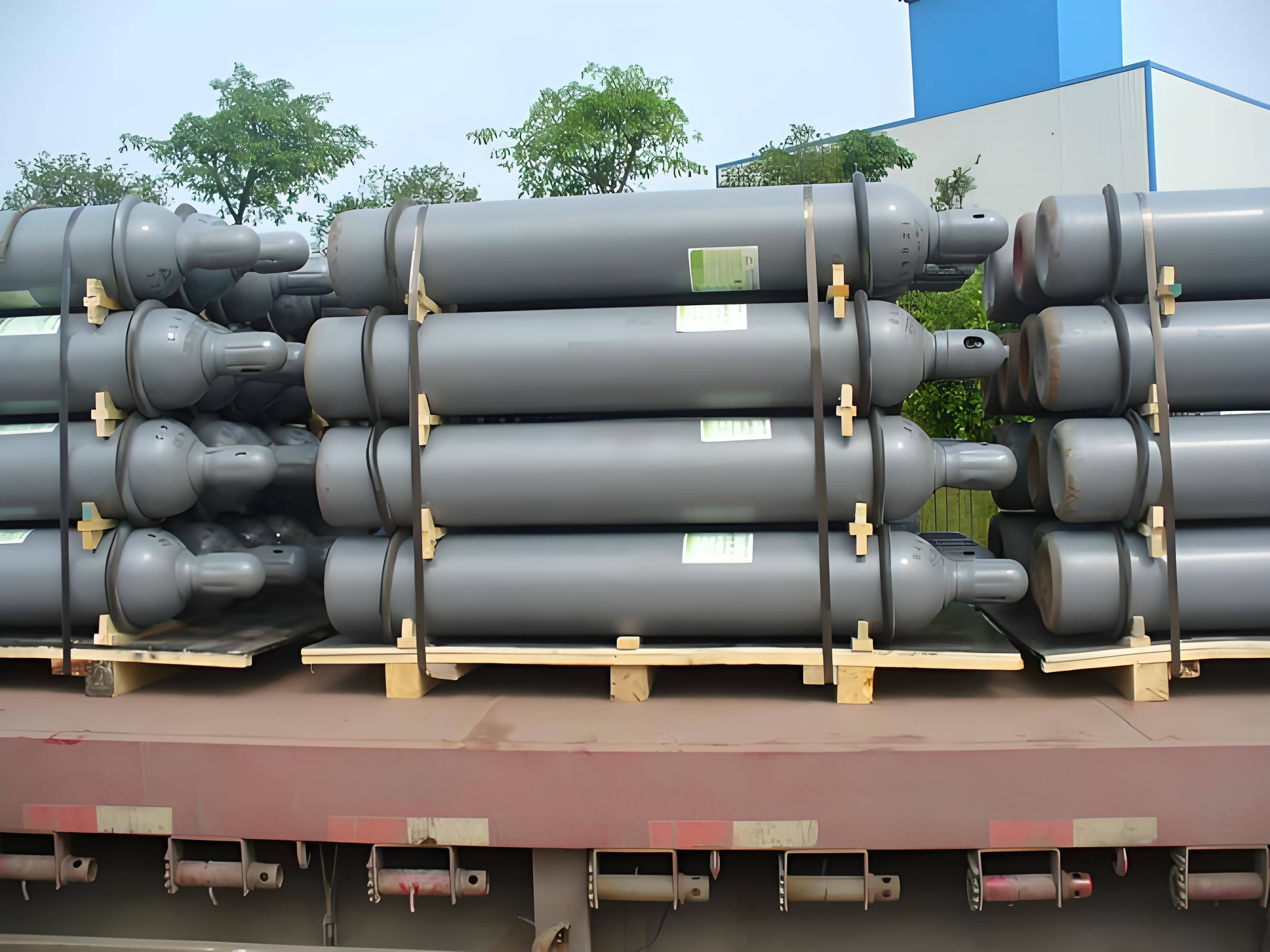
Global Sulfur Hexafluoride Gas Supply and Cylinder Export
Foshan Yuexin Industrial Gas Co., Ltd.