China's First Ecological Environment Code Officially Takes Effect
en.Wedoany.com Reported - Dimension Net News, August 15 — On the fourth National Ecology Day, the Ecological Environment Code of the People's Republic of China officially took effect. This is China's second law named after a "Code" following the Civil Code, and the world's first law specifically titled "Ecological Environment Code". The Code was voted and adopted at the Fourth Session of the 14th National People's Congress on March 12, 2026, promulgated by President Xi Jinping through Presidential Order No. 70, and scheduled for full implementation on August 15.
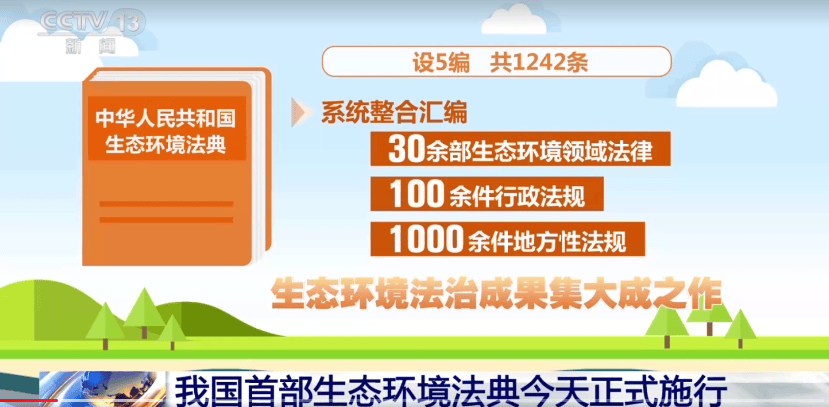
The Ecological Environment Code comprises 5 parts, 59 chapters, and 1,242 articles, systematically integrating and compiling over 30 laws in the ecological environment field, more than 100 administrative regulations, and over 1,000 local regulations. Among them, 10 core individual laws, including the Environmental Protection Law, Marine Environment Protection Law, Air Pollution Prevention and Control Law, Water Pollution Prevention and Control Law, and Soil Pollution Prevention and Control Law, have been comprehensively revised and incorporated into the Code system. Upon the official implementation of the Code, the aforementioned original individual laws were simultaneously repealed.
According to Wang Canfa, professor at China University of Political Science and Law, the core changes of the Code are reflected in five aspects: shifting from "numerous separate laws lacking unified leadership" to a "general-specific structure with internal coherence"; transitioning from single-element control to integrated systematic governance of "mountains, waters, forests, farmlands, grasslands, and deserts"; expanding from "focusing on pollution prevention while neglecting green transformation" to "coordinating protection and development"; upgrading from an emphasis on end-stage penalties to a full-chain closed-loop management of "source prevention—process control—damage remediation—accountability"; and moving from "general laws plus numerous individual laws" to a moderately codified model of "Code leadership plus supporting individual laws".
Experts state that, compared with the previous fragmented legislative model, the Ecological Environment Code uniformly integrates various legal rules, effectively eliminating conflicts among legal provisions and significantly reducing the costs of legal application and judicial enforcement; meanwhile, it precisely adapts to the systematic and cross-border governance characteristics of ecological environment issues, comprehensively enhancing the effectiveness of ecological environment governance.
The parts of the Code are, in order: General Provisions, Pollution Prevention and Control, Ecological Protection, Green and Low-Carbon Development, Legal Liability, and Supplementary Provisions. The codified institutional framework can continuously consolidate the rule-of-law system for the ecological environment and effectively reduce compliance costs for market entities.
Related Products


Environmentally Friendly Flame-retardant PVC Double-layer Insulated Wire
Sichuan Chndo Cable Co., Ltd.
Prefabricated Houses and Electrical Energy Boxes
Chengdu Ruilong Machinery Manufacturing Co., Ltd.

Standard Nozzle Flowmeter
Jinggong Automatic Control Instrument Complete Technology Development Company

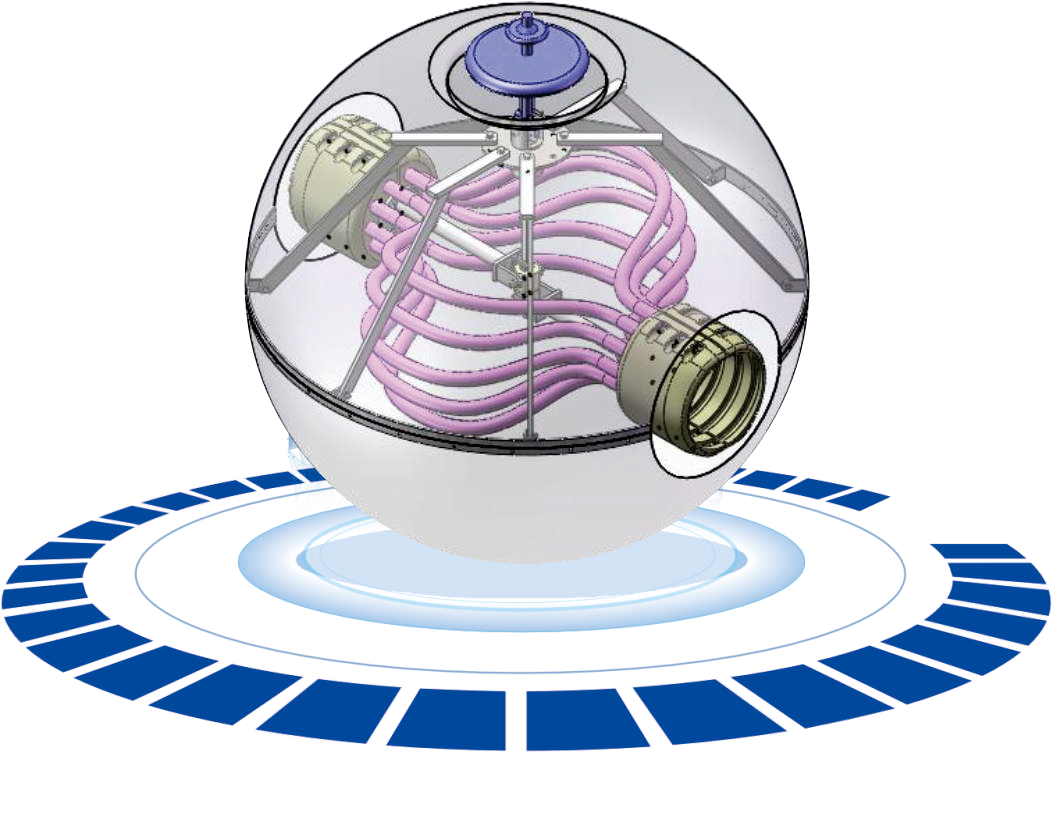
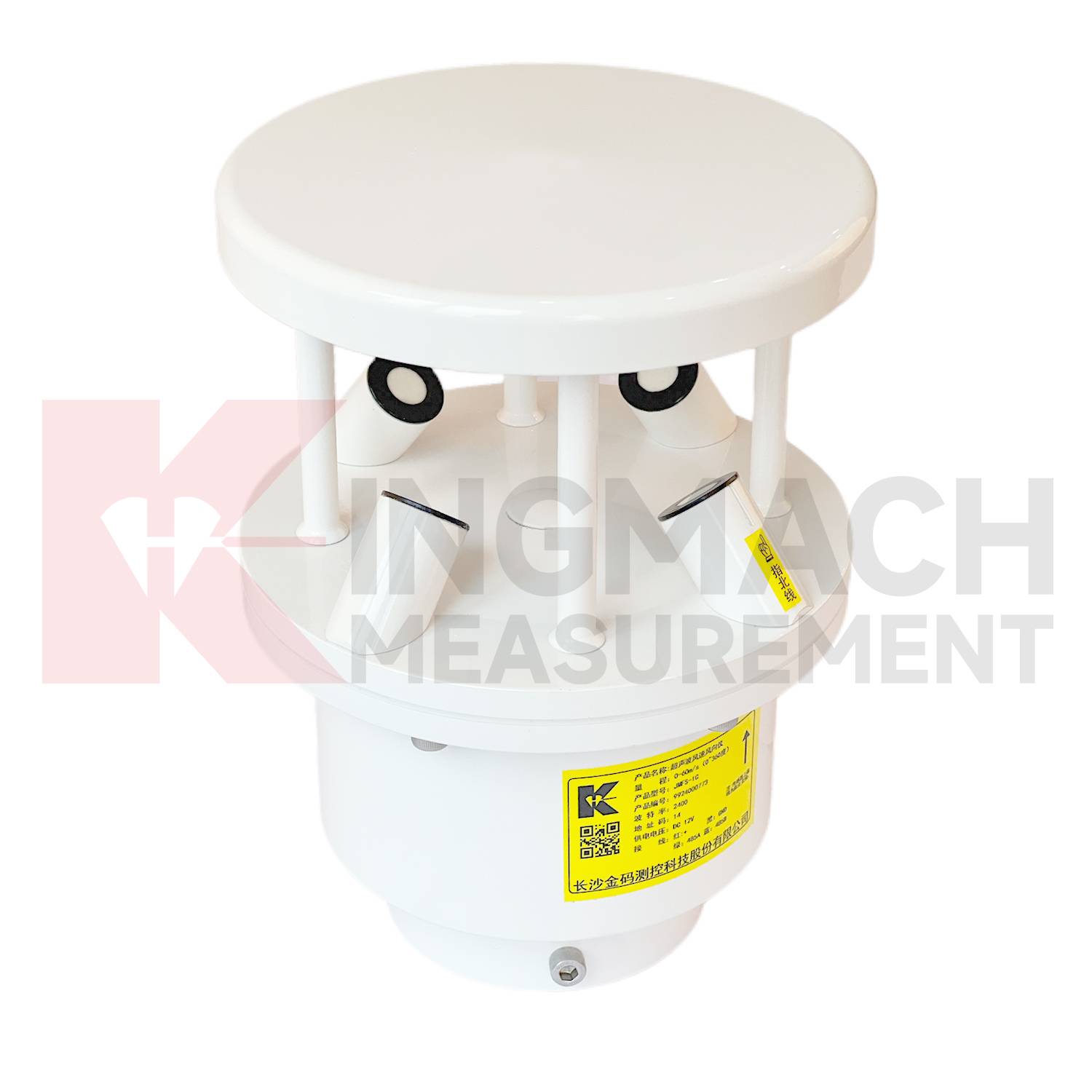
Ultrasonic Wind Speed and Direction Instrument
Kingmach Measurement & Monitoring Technology Co., Ltd.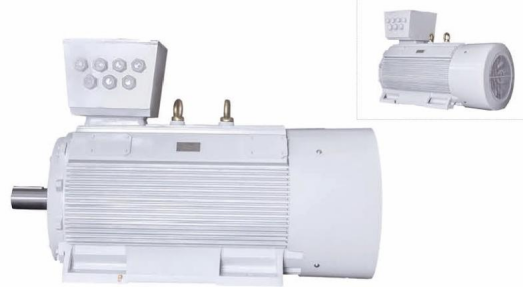
YE3 Series Low Voltage High Power Three-Phase Asynchronous Motor
Shandong Lijiu Electrical Machinery Co., Ltd.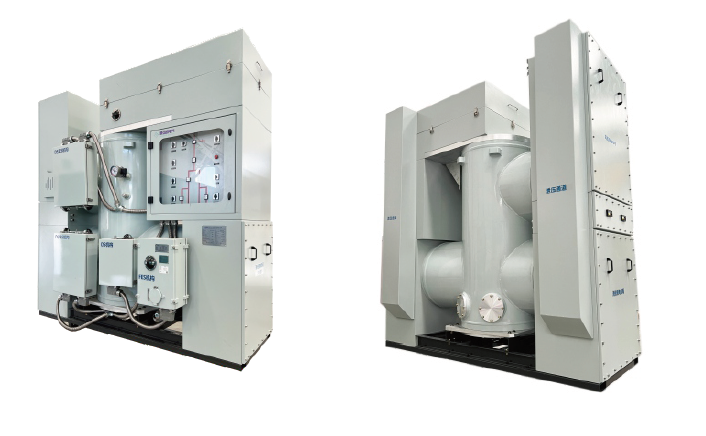
72.5kV 1250A 31.5kA SF6 free Gas-insulated Metal-enclosed Switchgear
Zhejiang Juhonkia Intelligent Electric Co., Ltd.
Hydrogen production and hydrogenation charging refueling gas integrated energy station
Shenzhen Kohodo Hydrogen Energy Co., Ltd.