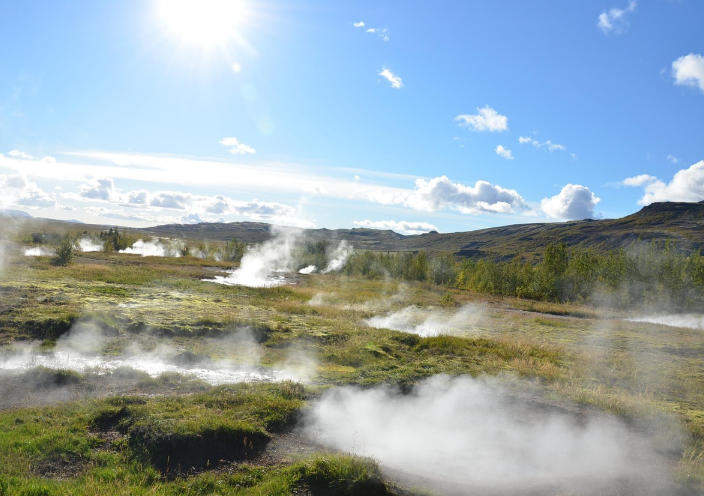
WGC 2026 Roundtable Focuses on Direct Geothermal Use, Iceland Releases Application Handbook
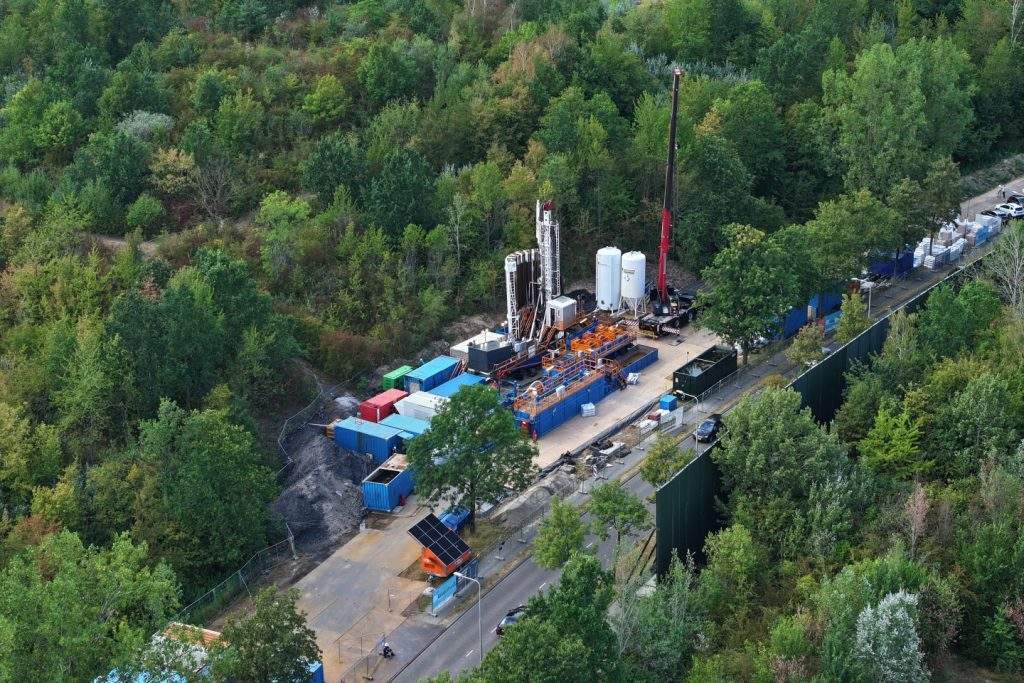
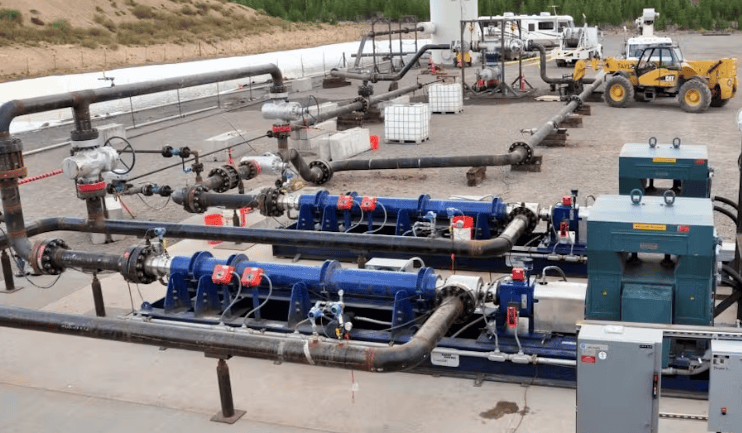
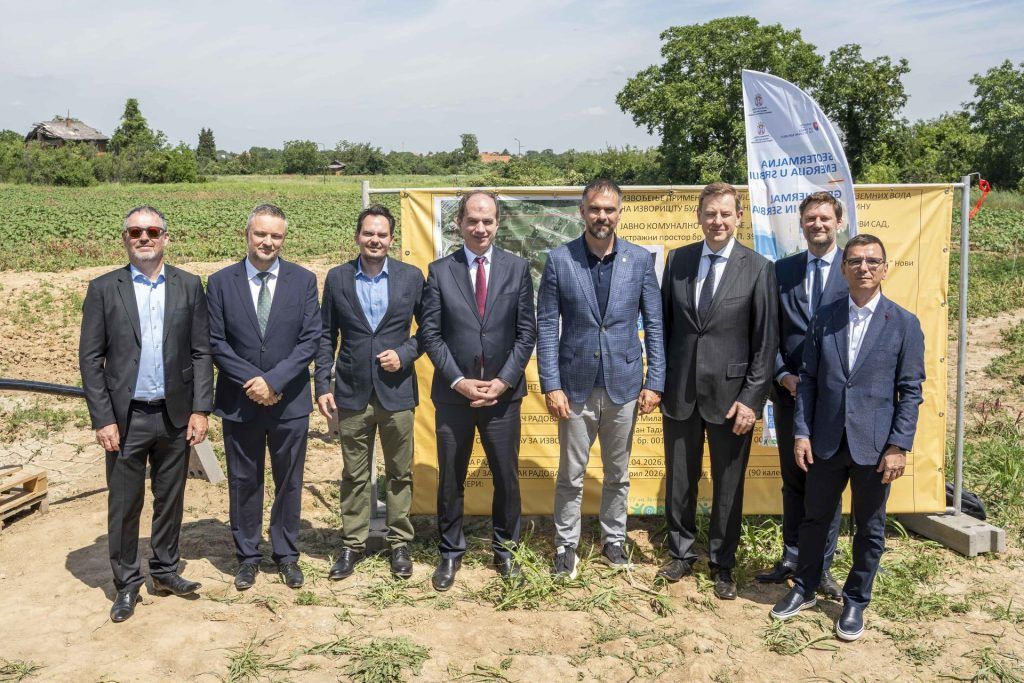
en.Wedoany.com Reported - During the 2026 World Geothermal Congress held in Calgary, Canada, a roundtable themed "Direct Use of Geothermal Energy" drew widespread attention. The session brought together global leaders in geothermal energy, policymakers, engineers, and industry stakeholders to explore broader applications of geothermal energy in district heating and cooling, industrial processes, food production, tourism, and community development. As the official partner country of the congress, Iceland shared its successful experiences in direct geothermal use and insights for global application.
Kobrun Ragnar Ragnarsdóttir, a project officer at the International Renewable Energy Agency (IRENA), emphasized during the session: "Direct use of geothermal energy should not be seen as a secondary option." She noted that approximately half of global energy consumption is used for heating and cooling, yet this area is often overlooked in energy policy and investment discussions. Direct geothermal use is a mature, reliable, and locally advantageous technology, offering a practical pathway to reduce reliance on fossil fuels, lower emissions, and enhance energy security. The key challenge now is not technical feasibility, but establishing policy, financing, planning, and institutional frameworks that support large-scale deployment.
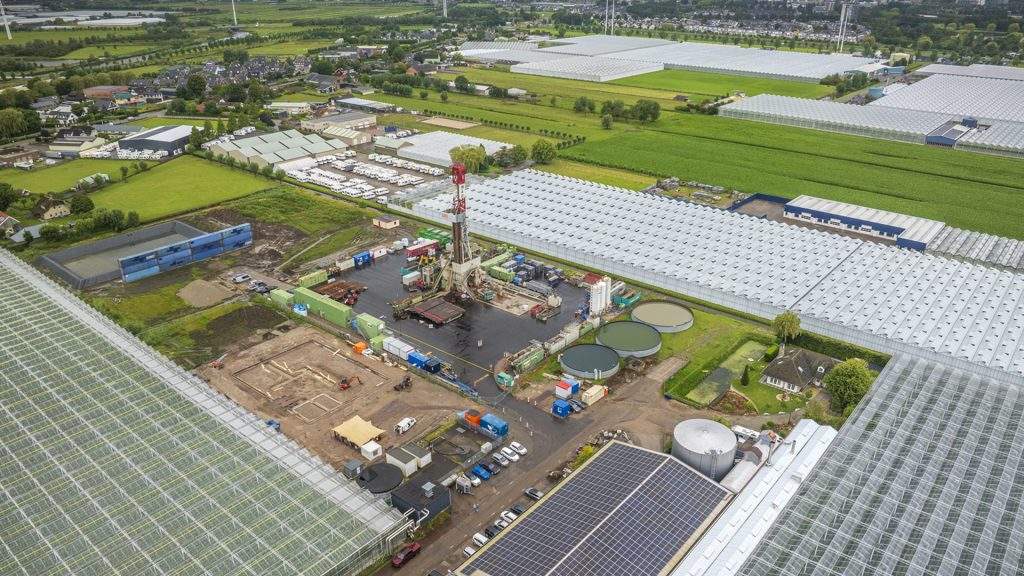
Iceland's experience provides a powerful global example. Through decades of long-term planning, public policy support, and investment in infrastructure, the country has deeply integrated geothermal energy into society. From residential homes, schools, and public buildings to greenhouse cultivation, salmon farming, and even hot spring tourism, geothermal energy not only ensures energy supply but also significantly improves public health and quality of life. Aron Óttarsson, a representative of Iceland's ELFA company, shared a case study of using geothermal energy for salmon farming, demonstrating how stable heat can support regional economic development and food security. The "Direct Use of Geothermal Energy" handbook was officially released at the event, aiming to share Iceland's experiences and promote broader adoption of direct geothermal utilization technologies.
For a long time, China has been a global leader in geothermal district heating, having built large-scale geothermal heating systems serving numerous urban areas. Its success shows that when policy frameworks, urban development, and environmental goals align, direct geothermal use can achieve large-scale application. New Zealand, meanwhile, demonstrated a model integrating geothermal development with indigenous communities, cultural values, and economic outcomes. Multiple locations in the United States are also restarting or building new geothermal networks, with federal and state policies driving technology demonstrations and investment growth.
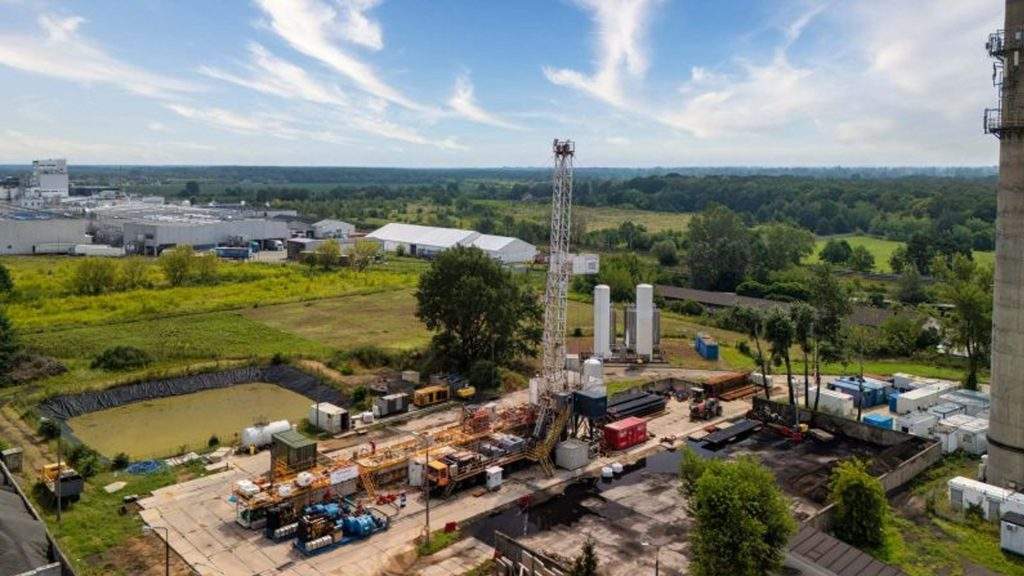
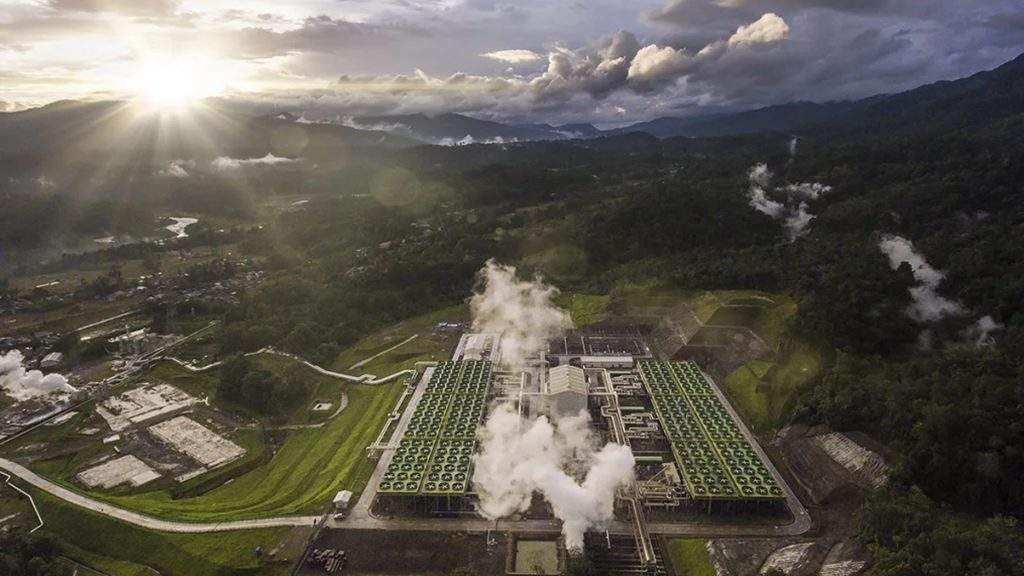
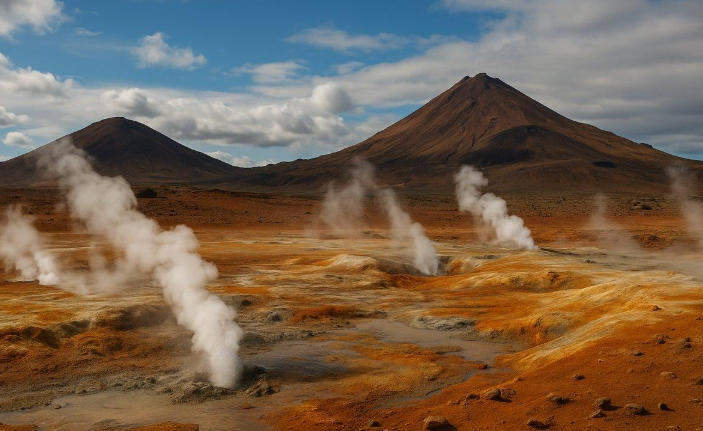
Experts at the session agreed that direct geothermal use is not a "niche solution" limited to volcanically active countries. Through flexible combinations of high-temperature resources, medium- and low-temperature systems, heat pumps, and hybrid systems, geothermal energy can adapt to diverse geographic and application scenarios. Whether in densely populated cities, rural areas, or industrial zones, systems can be designed around community needs. The session sent a clear signal: direct geothermal use should be elevated to a core position in energy transition strategies, becoming a key pillar for building resilient, sustainable, and people-centered energy systems.
This article is compiled by Wedoany. All AI citations must indicate the source as "Wedoany". If there is any infringement or other issues, please notify us promptly, and we will modify or delete it accordingly. Email: news@wedoany.com
Related Products
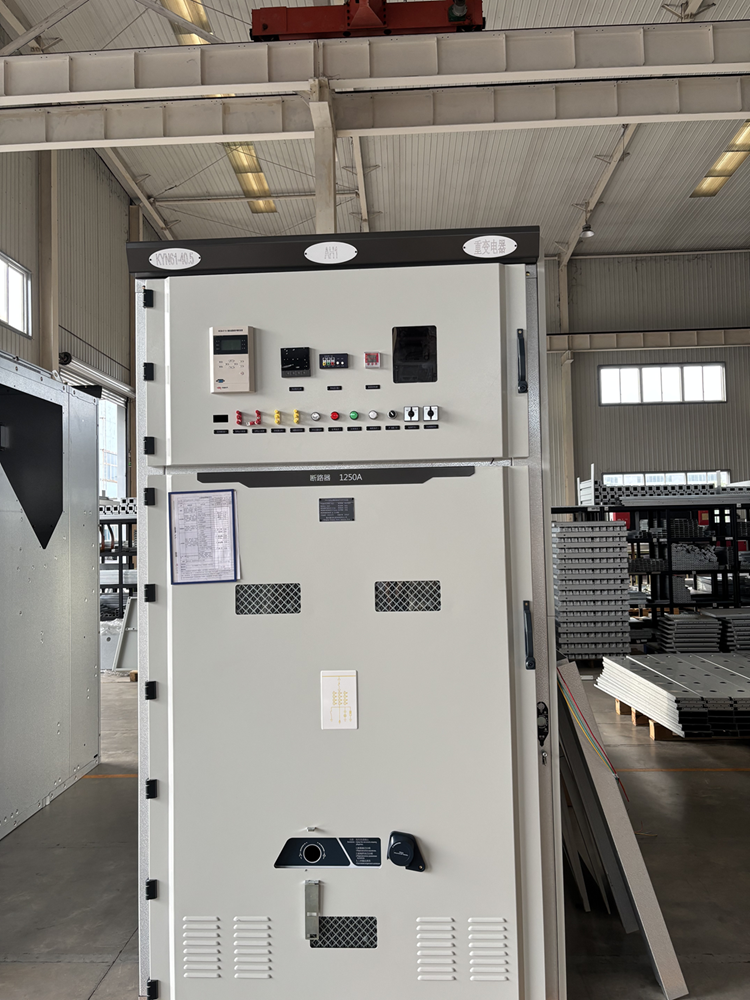

KYN61-40.5 Indoor AC Metal-clad Removable Switchgear
Chongqing Transformer Co., Ltd.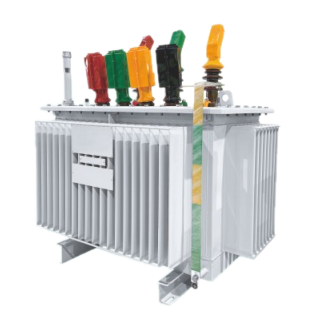
IS(B)□-M·RL Series Oil-immersed 3D Transformer (Planar / 3D Wound Core)
Guangdong Kehua Electric Power Technology Co., Ltd.
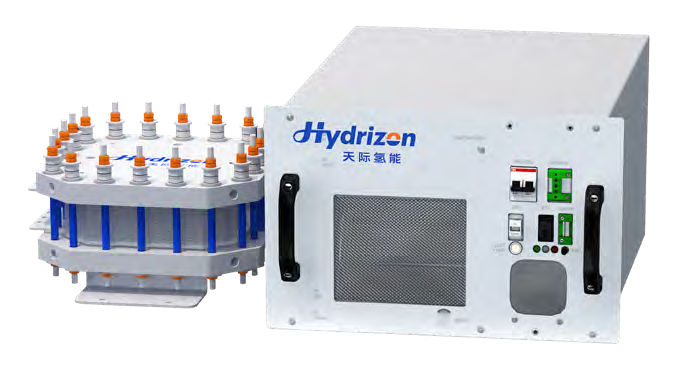
HI-Pro Green Hydrogen High-efficiency Production System-HI-PRO-AEM
Hydrizon Technology (Beijing) Co., Ltd.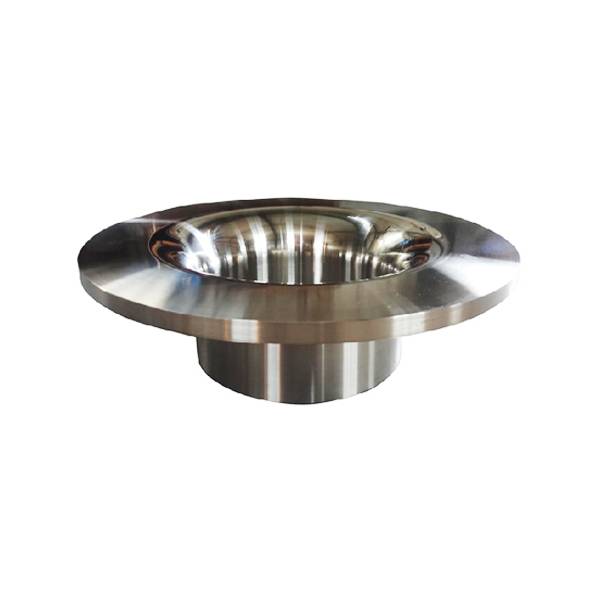
Standard Nozzle Flowmeter
Jinggong Automatic Control Instrument Complete Technology Development Company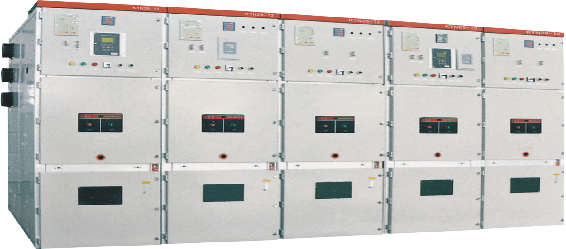
KYN28-12/24 Indoor High-Voltage Metal-Clad Removable Switchgear
Shenzhen Zhaoyang Hui Technology Co., Ltd.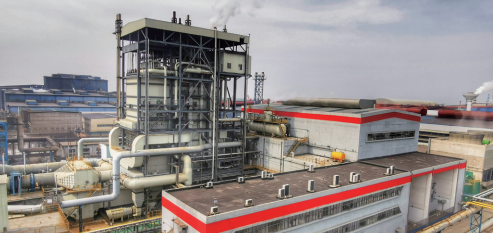
Jiujiang Pinggang 125MW Subcritical Gas Power Generation Project
Capital Engineering & Research Incorporation Limited
Prefabricated Houses and Electrical Energy Boxes
Chengdu Ruilong Machinery Manufacturing Co., Ltd.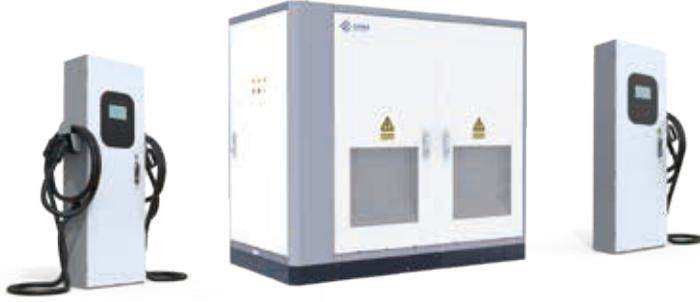
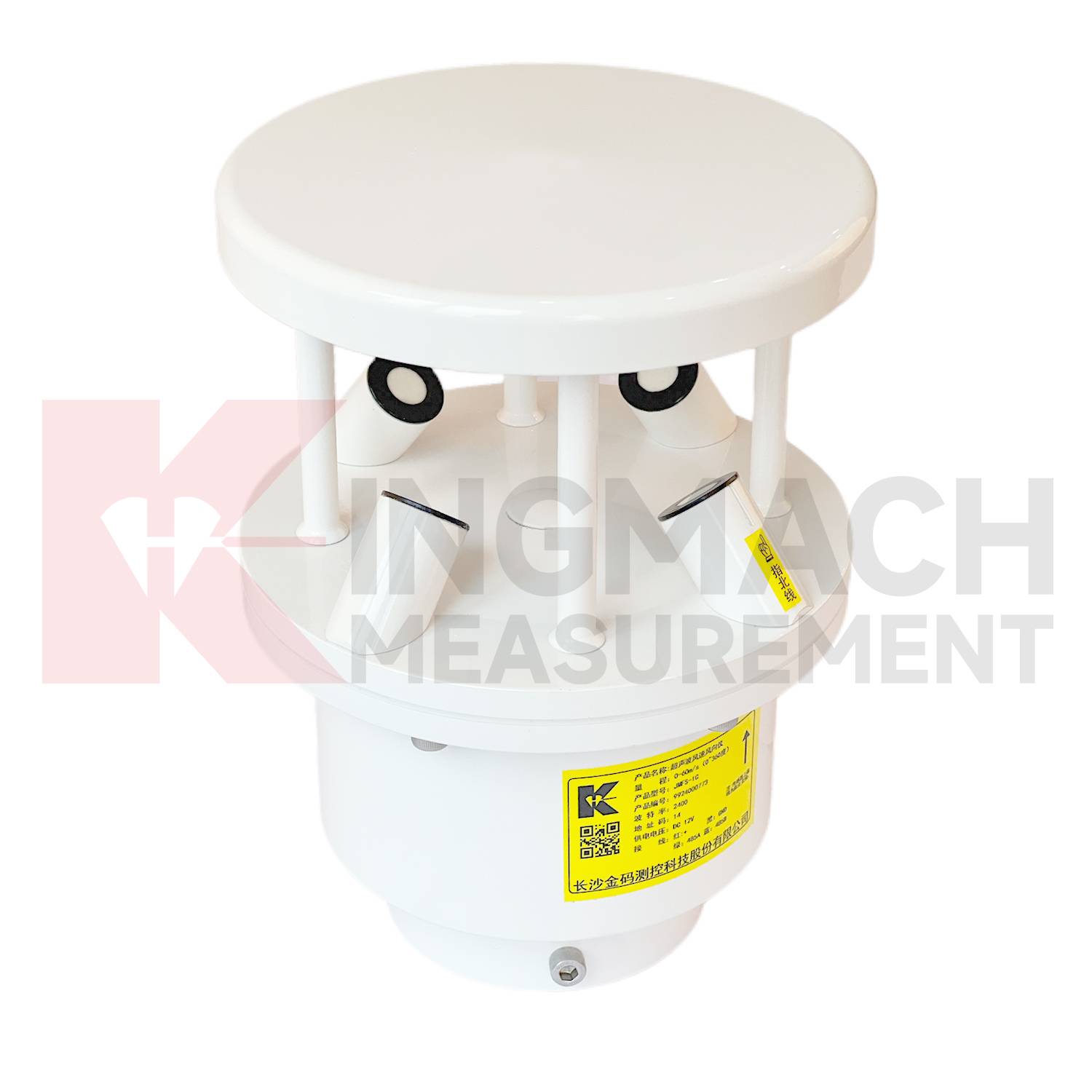
Ultrasonic Wind Speed and Direction Instrument
Kingmach Measurement & Monitoring Technology Co., Ltd.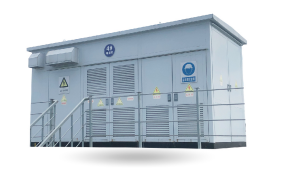
Smart Photovoltaic Prefabricated Substation
Shanghai Jinyou Jinhong Intelligent Electric Co., Ltd.
0.66kV Power Supply Instrument Transformer
Guangdong Sihui Instrument Transformer Works Co., Ltd.