Indonesia's Barito Makes Over $5 Billion Takeover Offer to Philippines' EDC
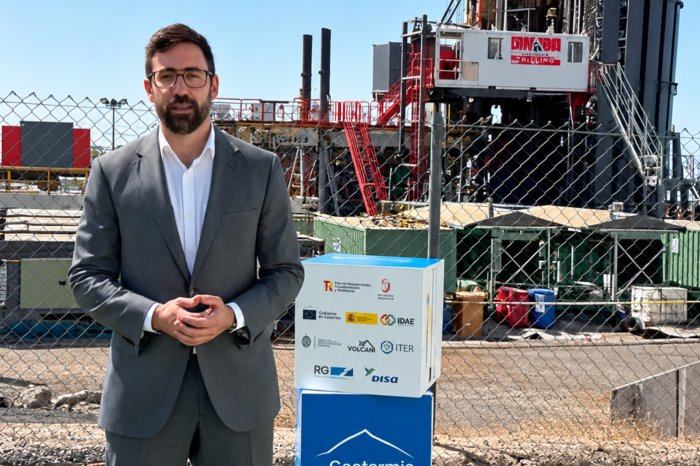
en.Wedoany.com Reported - Indonesian billionaire Prajogo Pangestu has made an unsolicited, non-binding takeover offer to Energy Development Corporation (EDC), the Philippines' largest geothermal producer. Based on preliminary filing documents and market disclosures, the estimated equity value of the transaction exceeds $5 billion, potentially reaching $7 billion including debt, which would make it one of the largest renewable energy acquisitions in Southeast Asian history. First Gen Corporation, the EDC parent company led by the Lopez family, has confirmed receipt of the indicative cash offer from Pangestu's PT Barito Renewables Energy Tbk, and EDC management has expressed willingness to evaluate this strategic proposal.
The offer comes more than two decades after the implementation of the Philippines' Electric Power Industry Reform Act (Republic Act No. 9136, or EPIRA). For years, Asian energy development has largely followed national borders, with power companies building assets within their own territories and regulators focusing on domestic energy security. Today, initiatives such as the ASEAN Power Grid are driving energy integration, while growing electricity demand, industrial electrification, and data center expansion are increasing the need for external capital and specialized expertise.
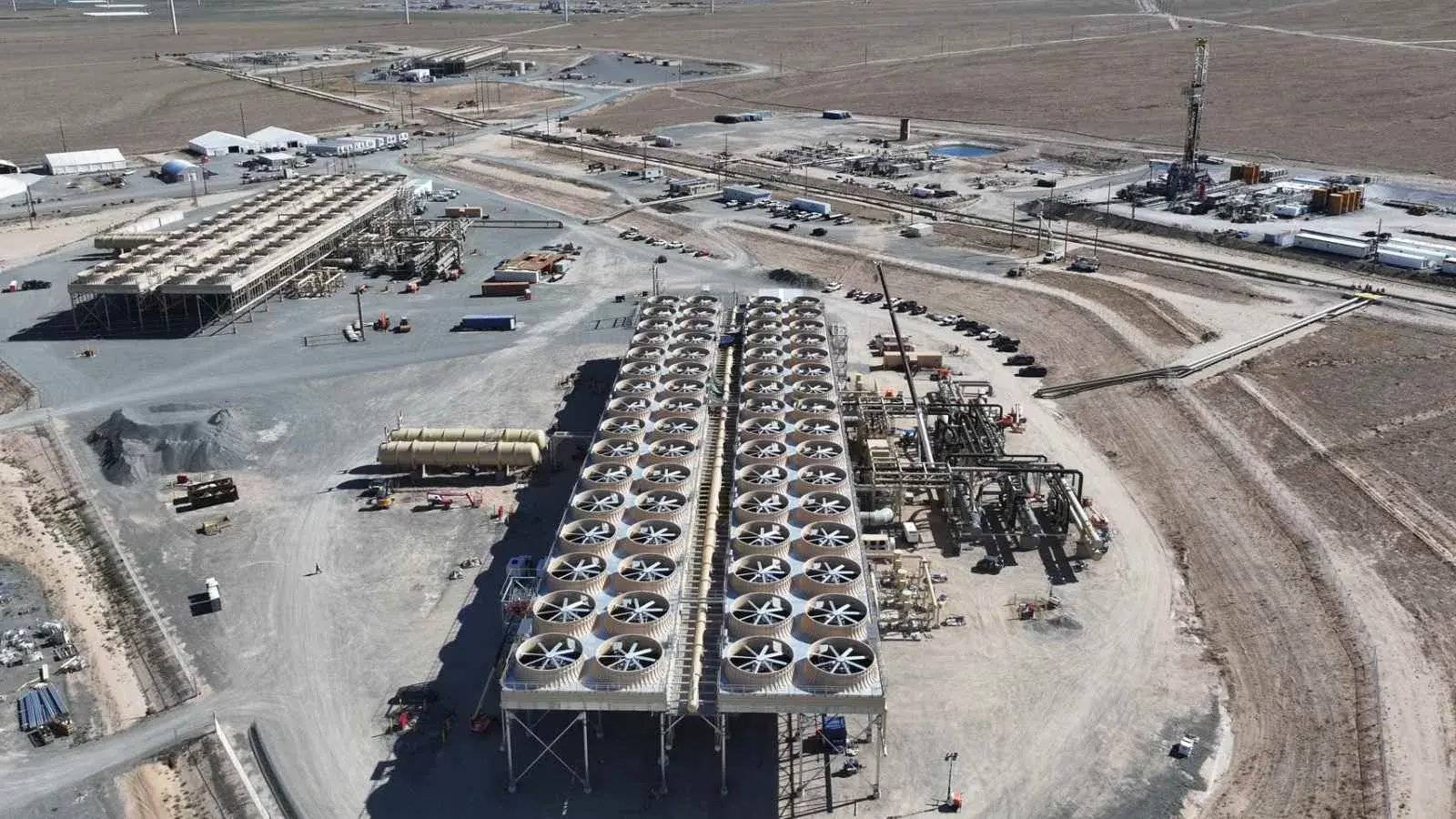
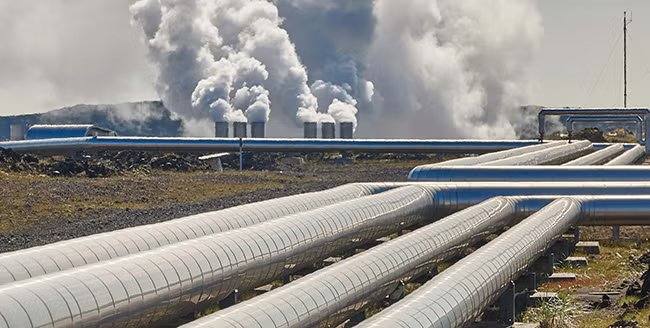
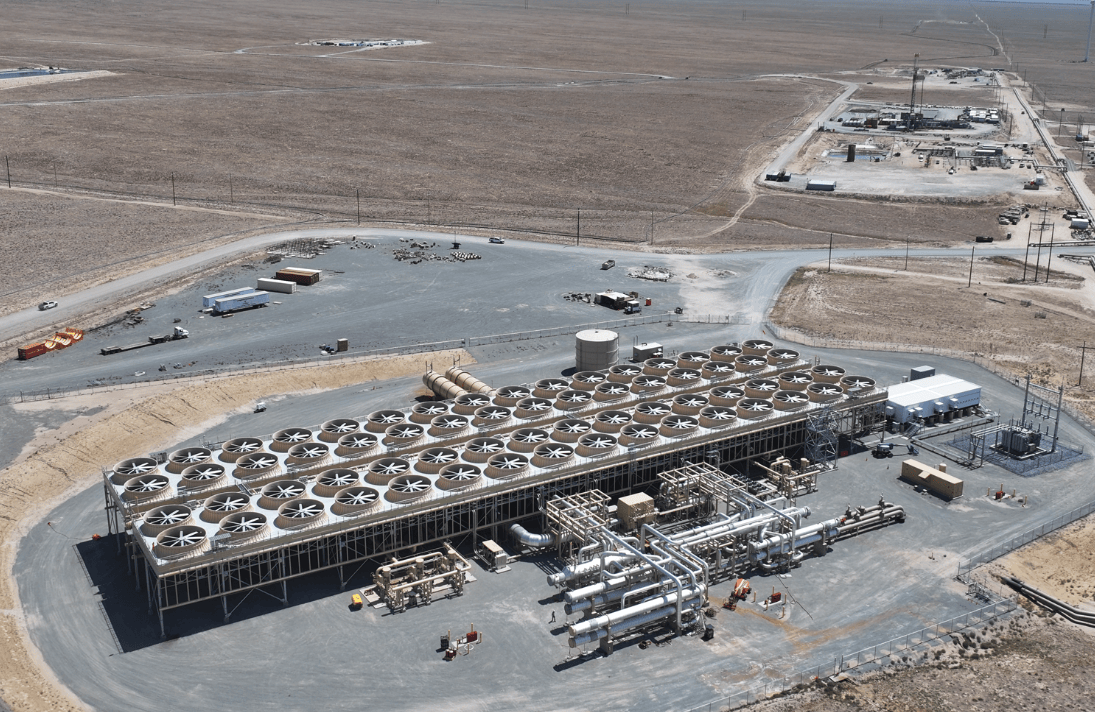
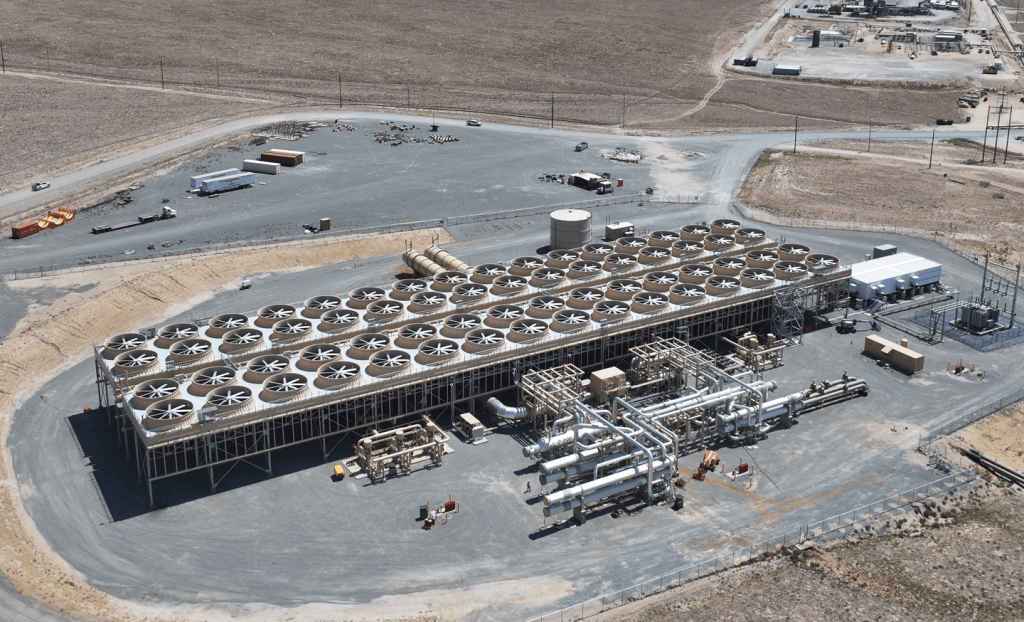
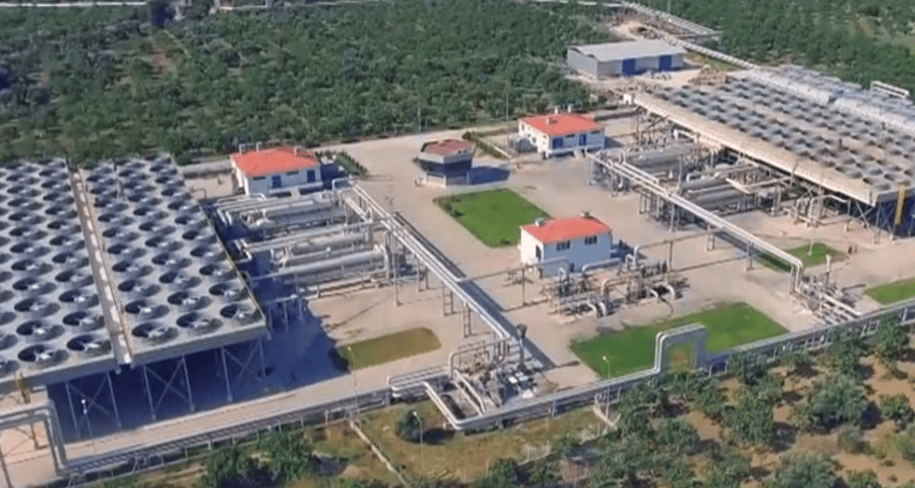
EDC possesses decades of geothermal exploration, drilling, and operational experience in one of the world's most geologically active regions. The Philippines is already a leading global geothermal producer with substantial untapped potential, as is Indonesia. This acquisition thus raises the question of whether Asian energy companies are beginning to think about energy development from a regional rather than national perspective.
Pangestu's Barito Renewables and Star Energy already control Indonesia's largest geothermal operator, and bringing EDC under the same entity would place its geothermal assets and operational expertise across Asia's two top geothermal countries. However, the deal does not automatically translate into a good one. Unlike solar and wind projects, the Philippine Constitution treats geothermal resources as natural resources, and related projects must still pass regulatory scrutiny regarding local resource ownership. Capital investment, local operations and employment, exploration activities, changes in energy security, and whether the transaction aligns with both the Constitution and national long-term energy goals are all issues that regulators and market observers will need to assess.
Regarding this deal, supporters argue that larger regional companies are better positioned to finance costly geothermal exploration and development, while critics contend that strategic energy assets should remain under major local control. Regardless of the outcome, the geothermal sector is entering a new phase: long overshadowed by solar and wind, geothermal now sees companies with mature expertise commanding multi-billion-dollar valuations and attracting investor interest across the region.
This offer highlights a broader reality: like offshore wind, geothermal holds enormous potential as a strategic asset in Asia's clean energy transition. The debate has shifted from whether geothermal matters to who controls its development, who finances its expansion, and how governments balance national interests with regional capital flows. The answers will shape how Southeast Asia builds its next generation of clean energy infrastructure.
Related Products


Hydrogen Production Technology: Hydrogen Purification by Pressure Swing Adsorption
Chengdu Yizhi Technology Co., Ltd.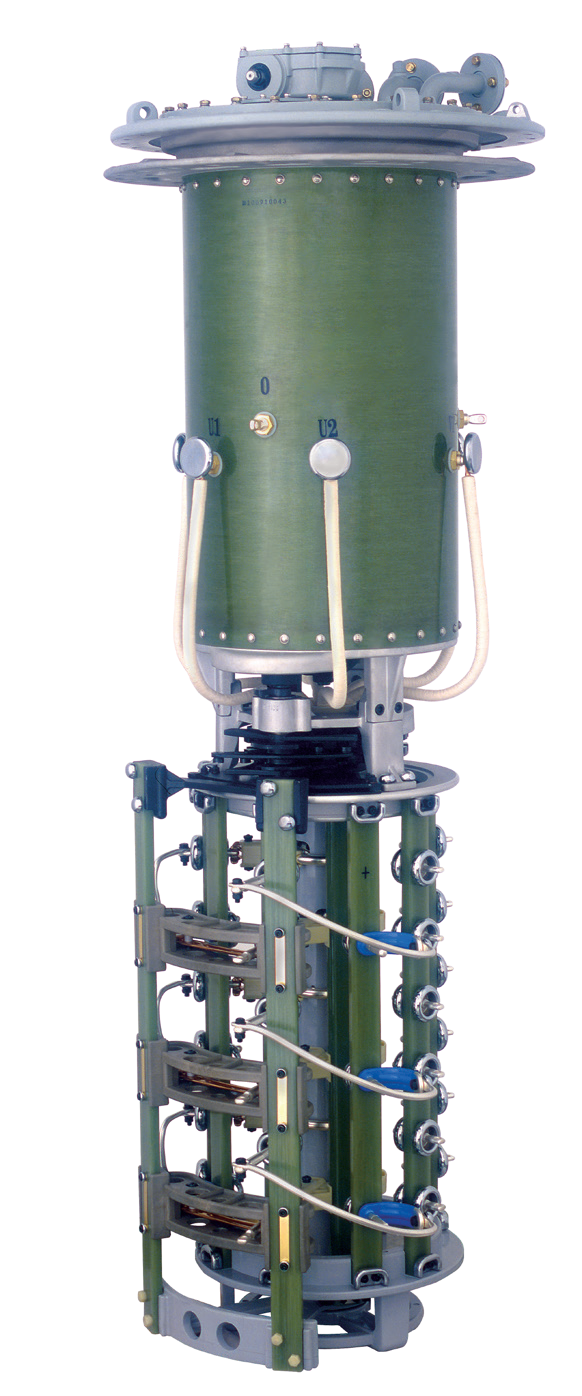
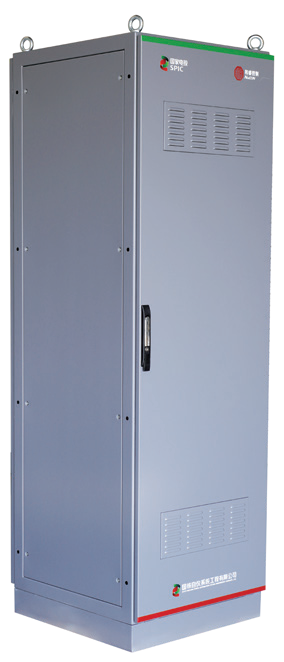
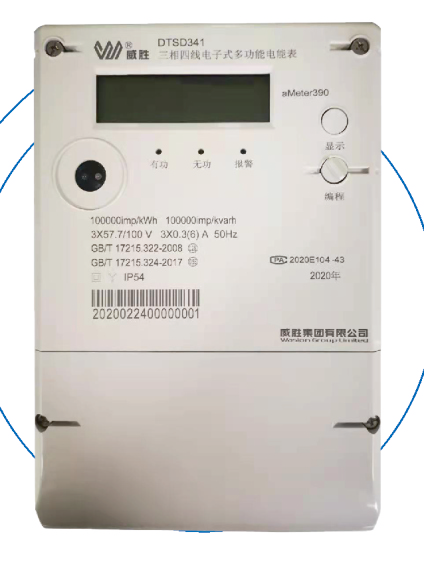
Overseas IEC Gateway Energy Meter - DTSD341/DSSD331-aMeter390
Wasion Group Limited Co., Ltd.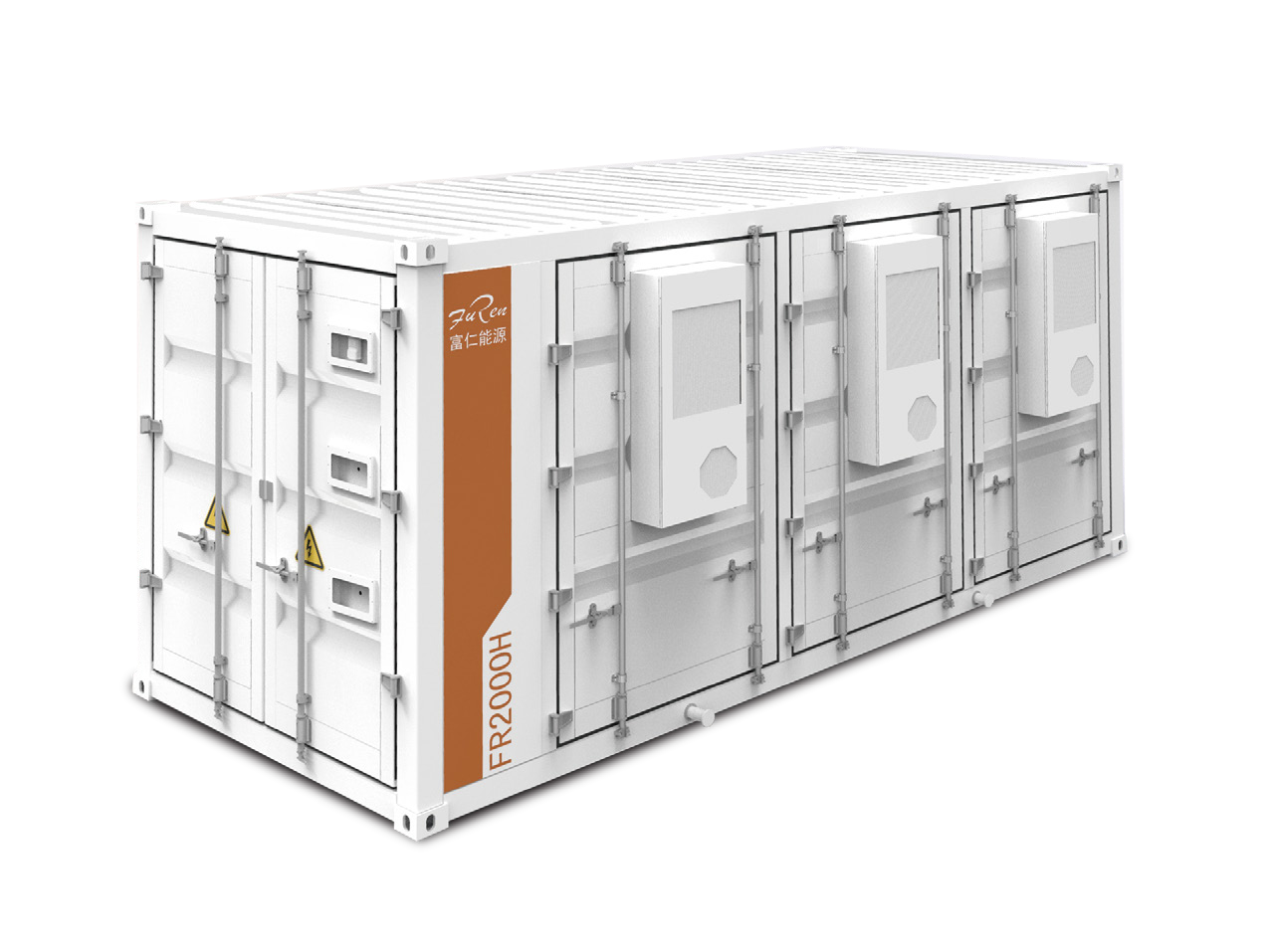
FR2000H 2.15MWh (Air-cooled) 20-foot Containerized Energy Storage System
Jiangyin Furen High-tech Co., Ltd.

Industrial and Commercial Point-Type Gas Detector
Jinan Benan Technology Development Co., Ltd.
NISELA Series Environmentally Friendly Gas-Insulated Ring Main Unit
XJ DELISHIER ELECTRIC CO., LTD.