
Nigeria's $25 Billion Fast-Moving Consumer Goods Market Shifts Toward Local Sourcing and Exports
en.Wedoany.com Reported - Nigeria's $25 billion consumer goods market is projected to grow to over $36 billion by 2030. According to the latest industry report from OmniRetail, this growth is supported by rapid urbanization, a young population, retail channel expansion, and increased digitalization.
Africa's largest consumer market is emerging from its most severe cost crisis in decades. After two years of battling record inflation, naira depreciation, and shrinking consumer purchasing power, Nigeria's fast-moving consumer goods (FMCG) industry is transitioning from survival mode to recovery.
The industry endured unprecedented cost pressures for most of 2024. President Bola Tinubu's economic reforms, particularly the removal of fuel subsidies and the liberalization of the foreign exchange market, led to sharp increases in transportation costs, electricity tariffs, and prices of imported raw materials, squeezing profit margins in the consumer goods sector and forcing companies to raise prices multiple times to maintain profitability.
During this period, listed consumer goods companies including Nestlé Nigeria, Cadbury Nigeria, Unilever Nigeria, Nigerian Breweries, Guinness Nigeria, BUA Foods, and Flour Mills of Nigeria faced widening foreign exchange losses and weak consumer demand.
As inflation begins to ease and exchange rate volatility subsides, manufacturers are shifting their focus from merely maintaining profit margins to rebuilding sales volumes and market share. Producer price inflation fell to 54.5% in the first half of 2025 from nearly 198% in the same period in 2024, providing companies with some breathing room.
Nigeria's demographics are one of the strongest attractions for manufacturers. The country's population has reached approximately 238 million, with an annual increase of over 2 million people. More than half the population is under 30 years old, and 56.4% are in the economically active age group of 15-64. Internet penetration has climbed to around 45%, representing approximately 107 million users.
Nigeria's FMCG market is second only to South Africa's $27.5 billion market on the continent and is more than double the size of Egypt's market, which is around $10.2 billion. Analysts say that even if short-term macroeconomic challenges persist, this demographic advantage will support long-term consumption.
Manufacturers are moving away from reliance on imports. For decades, manufacturers heavily depended on imported inputs, making them vulnerable to currency depreciation. Severe foreign exchange shortages over the past two years have accelerated local sourcing efforts. Manufacturers are investing in backward integration and establishing partnerships with local farmers and processors. Unilever Nigeria has reportedly increased its local sourcing ratio to nearly 70%, and supply chains for cassava, corn, and palm oil are becoming increasingly important for food processors. This trend is also reflected in the strategies adopted by BUA Foods, Flour Mills of Nigeria, and Olam Agri, which have expanded local wheat alternatives and agricultural supply programs.
Digital distributors are rewriting the market rules. Nigeria's distribution network has traditionally been fragmented, dominated by thousands of wholesalers and millions of informal retailers. Technology platforms are beginning to change this landscape. According to the OmniRetail report, 78% of retailers now use point-of-sale devices, generating transaction records that enable embedded finance and inventory financing. Companies like OmniBiz, TradeDepot, and Moniepoint are becoming key infrastructure. An FMCG analyst in Lagos stated that the winners will be companies that possess data and can effectively manage inventory and customer relationships.
Years of inflation have fundamentally altered consumer behavior. Nigerians are increasingly opting for smaller pack sizes, lower-priced products, and value brands. The top ten FMCG categories account for 64% of total industry sales. Nigeria remains Africa's largest noodle market, with annual consumption of approximately 3.02 billion servings. According to Nestlé's estimates, the country also controls nearly 22% of Africa's seasoning market, consuming around 80 million Maggi cubes daily. Meanwhile, demand for healthier products, ready-to-eat meals, and premium categories is gradually rising among urban middle-income consumers.
Exports are becoming a strategic necessity. Growing demand from neighboring countries and opportunities created by the African Continental Free Trade Area (AfCFTA) are encouraging manufacturers to seek growth outside Nigeria. Nestlé Nigeria's export revenue surged to 6.57 billion naira in 2024 from 1.18 billion naira the previous year. Flour Mills of Nigeria reported export revenue of 27.2 billion naira, while Cadbury Nigeria generated 11.7 billion naira from overseas markets. Ghana and Côte d'Ivoire have become primary destinations, and companies are increasingly targeting markets in the United Kingdom, Canada, India, and the United States.
This article is compiled by Wedoany. All AI citations must indicate the source as "Wedoany". If there is any infringement or other issues, please notify us promptly, and we will modify or delete it accordingly. Email: news@wedoany.com
Related Products
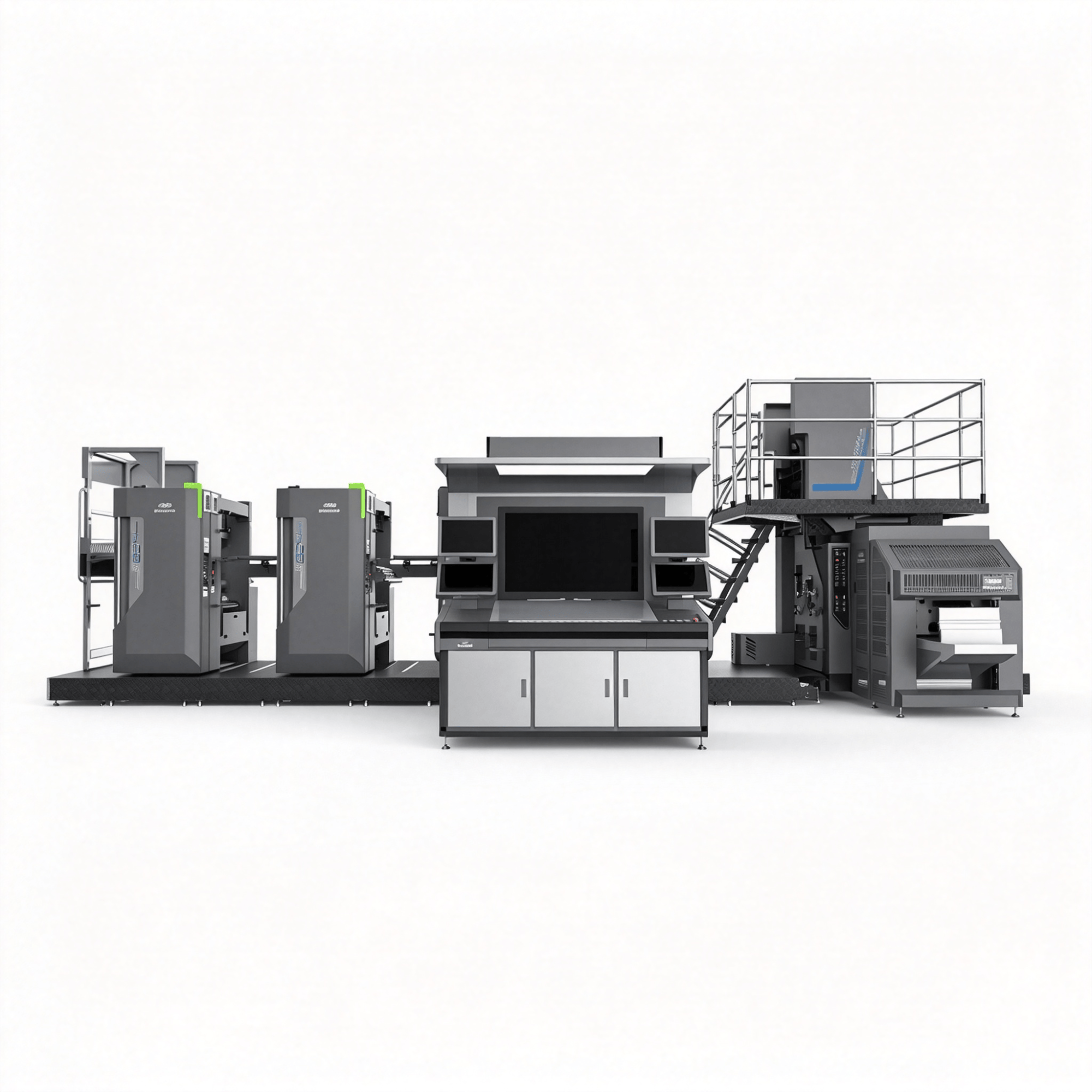

BEIREN B624A Web Offset Book and Magazine Printing Press
BEIREN INTELLIGENT EQUIPMENT TECHNOLOGY CO.,LTD.

Hongxing Steel Martensitic Stainless Steel Products
Gansu JISCO Group Hongxing Iron and Steel Co., Ltd.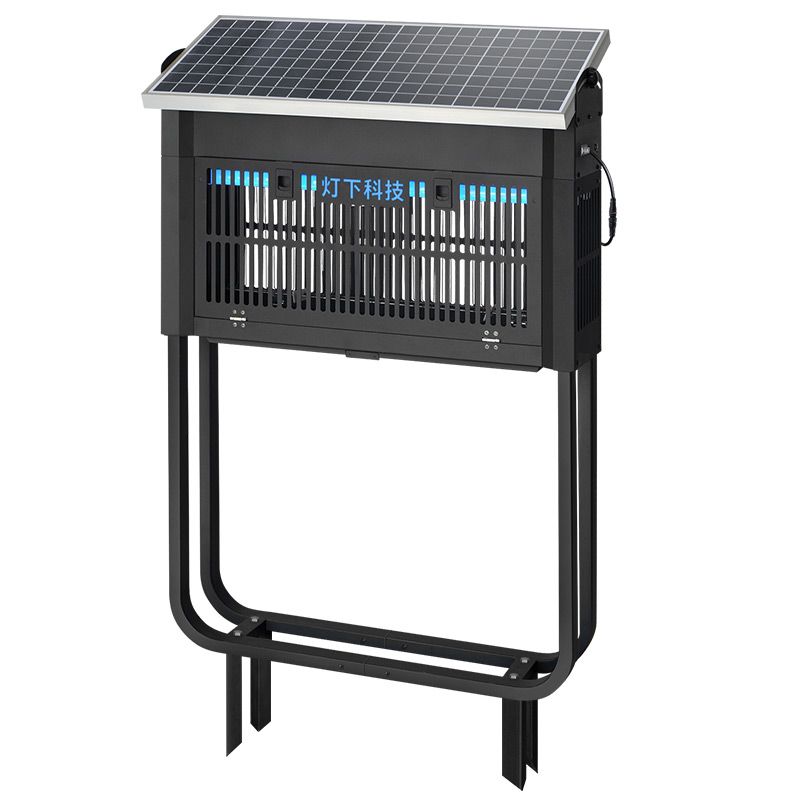
32000 MAh Large Capacity Luxury 365nm UVA LED Solar Mosquito Killer Lamp for Home Garden
Dengxia Technology (Guangdong) Co., Ltd.


