Peru's Textile and Apparel Exports Down 5.6% Year-on-Year in First Four Months
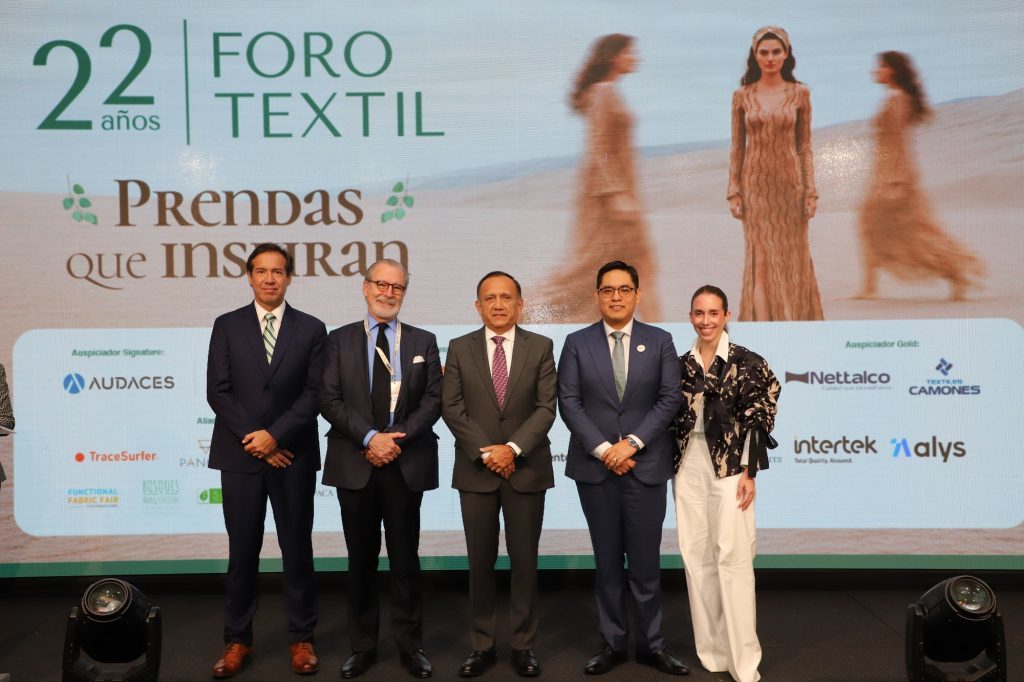
en.Wedoany.com Reported - Although Peru's textile and apparel industry chain achieved total exports of $1.736 billion in 2025, up 5.8% year-on-year, exports in the first four months (January-April) amounted to $534.836 million, contracting 5.6% year-on-year. César Tello Ramírez, President of the Exporters Association (ADEX), stated at the 22nd Textile Forum that Peru must promote a comprehensive competitiveness agenda to respond to changes in the international situation and fully leverage its core advantages to enhance its position in the global market.
Tello Ramírez pointed out that Peru needs to accelerate decision-making to seize opportunities brought by the new global landscape, promote investment, innovation, and technological modernization, and reduce additional costs that constrain corporate productivity. He emphasized the need to maintain and strengthen non-traditional export development mechanisms against the backdrop of higher international market demands, narrowing profit margins, and the appreciation of the Sol. According to data from the U.S. Office of Textiles and Apparel (OTEXA), Peru's share of U.S. apparel imports in the first four months of this year was only 1.13%, indicating significant room for expansion in this market. The apparel sector alone ($370 million) fell by 7.6%, impacted by an 8.6% decline in U.S. demand.
He added that although some Asian competitors have lost international market share, countries like Vietnam continue to consolidate their positions due to larger production scales, more competitive costs, and rapid adaptation to new global trade requirements. The supply chain is undergoing profound changes, with brands demanding greater flexibility in delivery, response speed, and the ability to adapt to demand fluctuations. In this context, Peru should fully leverage its globally recognized natural fibers, vertically integrated industry, extensive production experience, and decades-long reputation.
Nearshoring, sustainability, traceability, and the growing demand for differentiated products offer tangible opportunities for Peru. Tello Ramírez stated that the strategic direction is to modernize factories, build proprietary brands, diversify markets, integrate innovation, and consolidate the position of a high-end, sustainable, and reliable supplier. He also emphasized Peru's solid reputation in the world's most demanding markets, believing that combining this with cutting-edge technology, business acumen, and a global vision can significantly enhance the industry's competitiveness, contributing to the national goal of reaching $100 billion in exports in the medium term.
Enrique Guevara Varela, Executive President of the Commission for the Promotion of Peru for Exports and Tourism (PromPerú), stated that diversifying export destinations is crucial in current export activities. He noted that as brands become more cautious in procurement, prioritizing inventory control, cost efficiency, and delivery reliability, companies must possess high responsiveness and the ability to adapt to shorter procurement cycles.
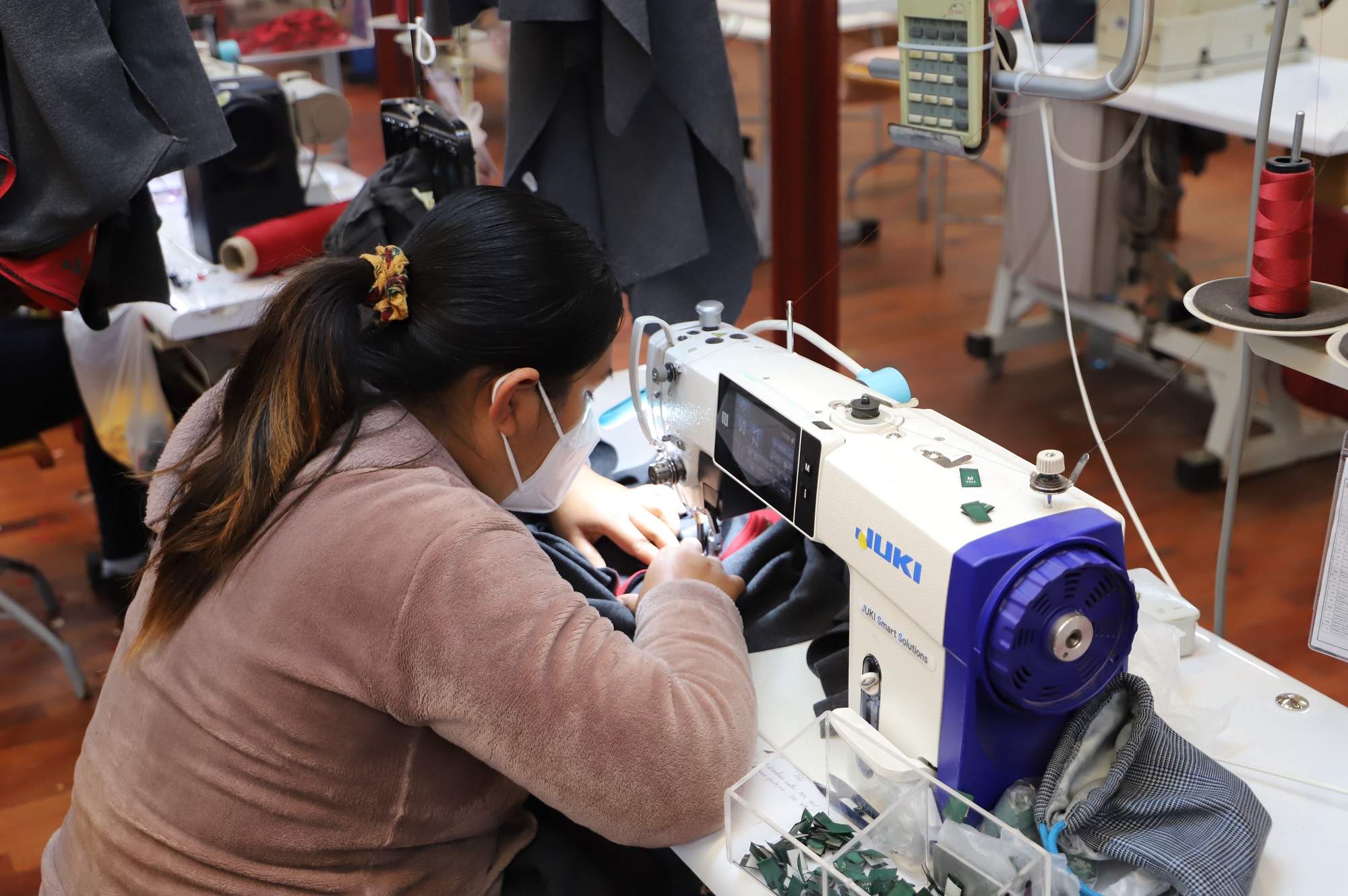
Data shows that in 2025, the textile and apparel industry chain created 88,067 direct jobs nationwide in Peru. The 22nd Textile Forum was held under the theme "Garments that Inspire (Prendas que inspiran)."
This article is compiled by Wedoany. All AI citations must indicate the source as "Wedoany". If there is any infringement or other issues, please notify us promptly, and we will modify or delete it accordingly. Email: news@wedoany.com
Related Products