Austrian Research Consortium Receives €2.9 Million to Develop High-Energy-Density LMFP Batteries
en.Wedoany.com Reported - An Austrian research consortium is advancing the development of lithium manganese iron phosphate (LMFP) cathode materials for stationary lithium-ion battery energy storage. The project, named PHOENICS, spans 36 months and aims to increase the energy density of LMFP by 20% and extend its service life by 40%.
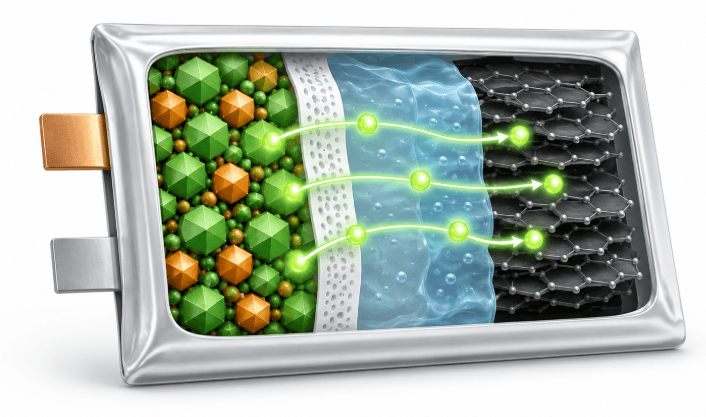
According to project lead Philip Kargl, speaking to ESS News, the expected outcomes include a small-scale LMFP prototype cell and a scalable electrode production process to confirm the technology's scalability and industrial feasibility, thereby achieving the stated project goals. Kargl stated that the PHOENICS project is an industrial research initiative, with a target of TRL4 by its conclusion—the stage of basic technology validation in a laboratory environment.
Participating institutions include Virtual Vehicle Research, Materials Center Leoben Forschung, Varta Innovation, and AVL List. The project has received funding of €2.9 million (approximately $3.36 million). Project partners anticipate analyzing the performance of the new cathode materials throughout their entire lifecycle using a variety of material characterization methods, high-resolution imaging techniques, and AI-assisted evaluation tools.
The project also plans to develop simulation tools based on physical models and data-driven approaches to model battery cell behavior; another key focus is validating the safety performance of LMFP-based cells.
Regarding the scale-up process from laboratory material development to industrial battery production, Kargl noted that the primary challenge lies in ensuring consistent material quality under mass manufacturing conditions, including metrics such as morphology and particle size distribution. The electrode manufacturing process must be optimized and tightly controlled in the mixing, coating, drying, and calendering stages to achieve a uniform electrode structure while maintaining electrochemical performance and ensuring process repeatability.
LMFP technology originates from the mature lithium iron phosphate (LFP) technology pathway, retaining LFP's high safety and stability while avoiding critical raw materials such as cobalt and nickel, while offering a specific energy density up to 20% higher than LFP. This characteristic enables more energy to be stored within the same volume, thereby improving the economics of stationary energy storage systems.
Related Products
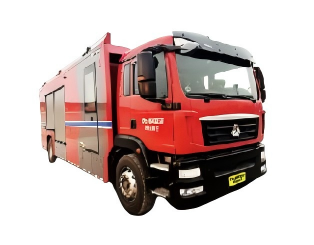

Modular Multifunctional Water Supply and Drainage Vehicle (18T)
Changsha Dewater Machinery Technology Co., Ltd.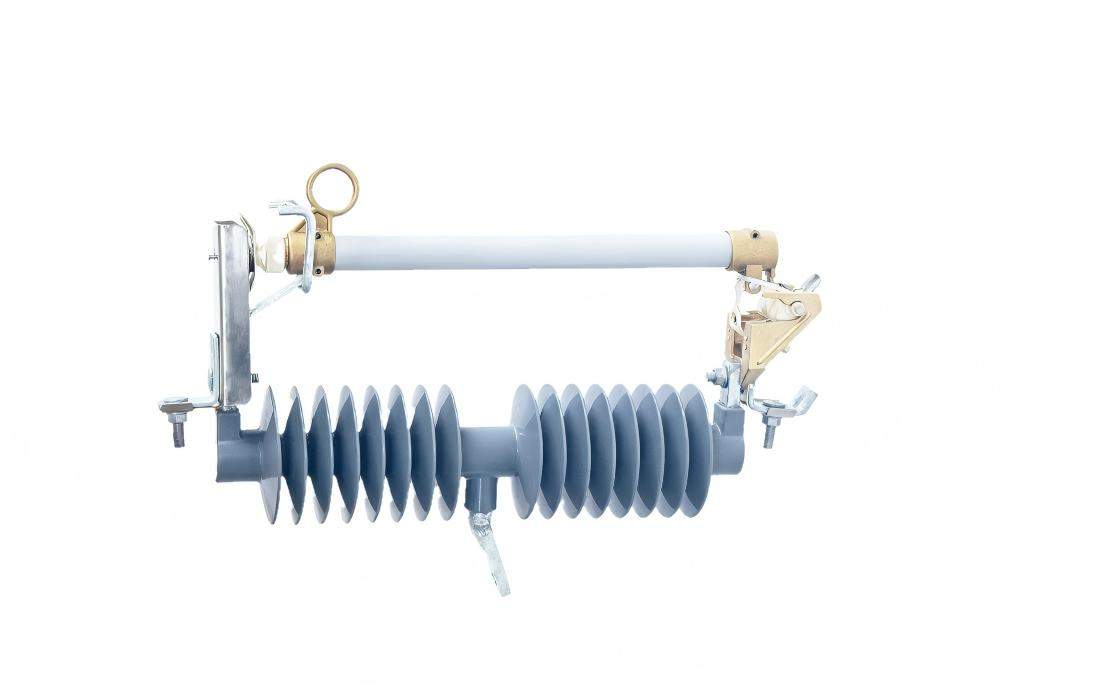
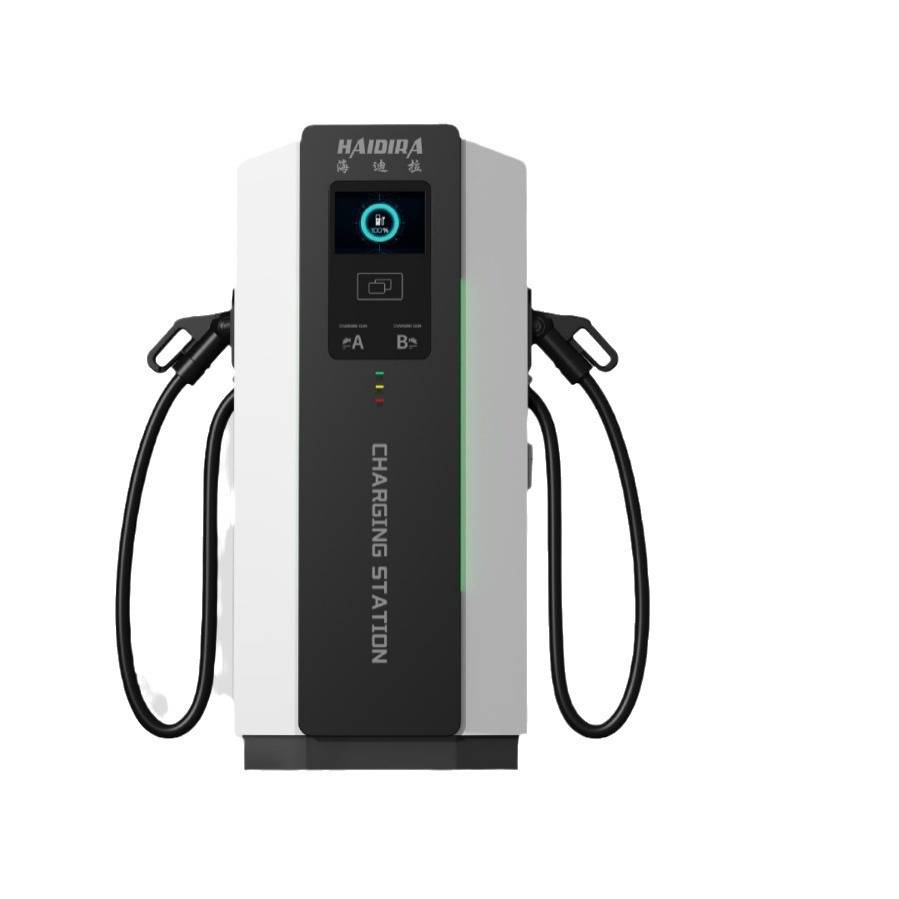
Manufacturer Direct Sales Tesla New Energy Electric Vehicle Universal DC 180kW Dual-gun Charging Pile Commercial Fast Charger
Anhui Haidira Electric Technology Co., Ltd.
Prefabricated Houses and Electrical Energy Boxes
Chengdu Ruilong Machinery Manufacturing Co., Ltd.