Brazil's tire retreading industry reaches 2.9 billion reais in 2025
en.Wedoany.com Reported - Brazil's tire retreading industry generated over 2.9 billion reais in 2025, remaining stable compared to the previous year and accumulating a 36.8% growth over the past decade.
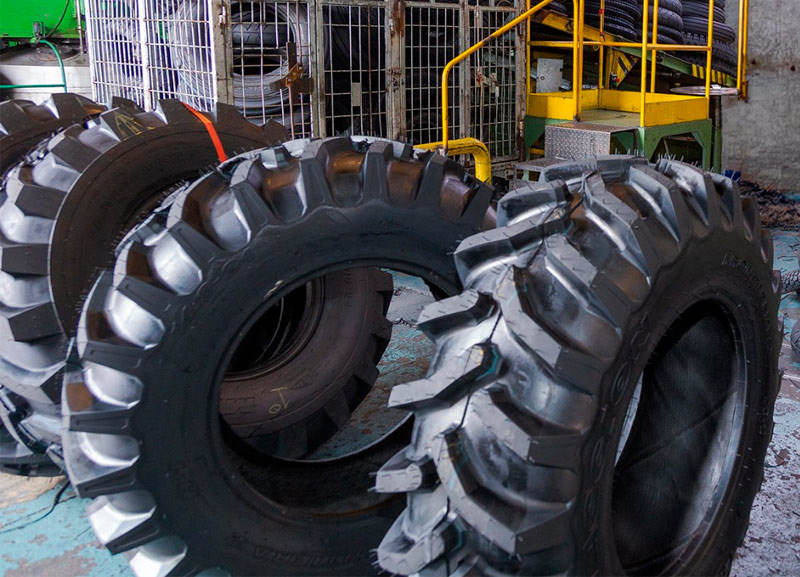
The industry creates approximately 17,900 jobs in Brazil. Its market performance is closely linked to the country's road-based logistics characteristics. According to data from the Brazilian Rubber Products Industry Association (Abiarb) and the São Paulo State Tire Retreading Companies Association (Aresp), about 58% of Brazil's cargo is transported by road, and approximately 80% of public transportation relies on tires.
Reynaldo Lopes Megna, Executive President of the Brazilian Rubber Products Industry Association and the São Paulo State Rubber Products and Tire Retreading Industry Union (Sindibor), stated that tire retreading plays a fundamental role in reducing operational costs for transportation companies, logistics firms, fleet operators, and agribusinesses. It is estimated that about 65% of tires in use in the country undergo some form of retreading process during their service life.
In terms of sustainability, the retreading process extends the life of the tire casing, reduces raw material and energy consumption, and minimizes waste generation, reinforcing circular economy principles. Megna noted that this is an activity that balances environmental responsibility, productivity, operational efficiency, and competitiveness.
From June 23 to 25, the Pneushow 2026 tire exhibition will be held at the São Paulo Expo Norte, bringing together the industry chain to showcase technologies and solutions aimed at increasing productivity, reducing costs, and promoting sustainable development in the sector. Megna believes that the exhibition reflects the industry's ongoing evolution in pursuit of innovation, quality, and efficiency, and creates a unique environment for knowledge exchange, business negotiations, and discussions on the future challenges of transportation and mobility in Latin America.
This article is compiled by Wedoany. All AI citations must indicate the source as "Wedoany". If there is any infringement or other issues, please notify us promptly, and we will modify or delete it accordingly. Email: news@wedoany.com