en.Wedoany.com Reported - A Pumped Storage Power Station combines upper and lower reservoirs, hydraulic structures, underground caverns, large rotating machines, electrical equipment and transmission systems. Because operating conditions change frequently, safety management must cover dams, slopes, waterways, pressure shafts, generating units and control systems.
Reservoir and dam safety form the foundation of station operation. Operators need to monitor water level, seepage, dam displacement, settlement, cracks and slope conditions. Frequent reservoir filling and drawdown can place repeated loading on dams, sealing systems and reservoir banks.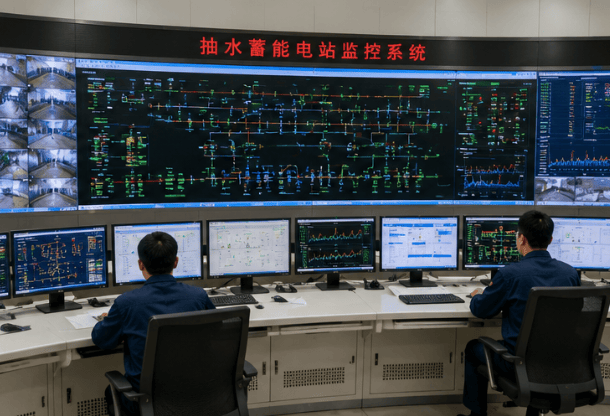
Reservoir-level control must be coordinated with unit schedules. Excessive water levels may affect flood and structural safety, while low levels may limit generation or pumping. Dispatching systems need to consider grid instructions, available storage volume, weather, water losses and equipment condition.
Water tunnels and pressure shafts experience repeated pressure changes. Unit startup, guide vane movement and mode transitions may create water hammer and hydraulic fluctuations. Pressure, flow, vibration and abnormal acoustic signals should be monitored, while valves, expansion joints and support structures require periodic inspection.
Pump-turbines are major maintenance targets. Runners may experience cavitation, erosion, sediment damage and alternating stress, while guide vanes and seals may wear. Vibration, shaft movement, bearing temperature and pressure pulsation provide important information about unit condition.
Generator-motors require monitoring of stator temperature, rotor condition, insulation, bearings, cooling and partial discharge. Frequent starts, stops and mode transitions create additional mechanical and electrical stress, so maintenance intervals may differ from those of conventional hydropower units with more stable operation.
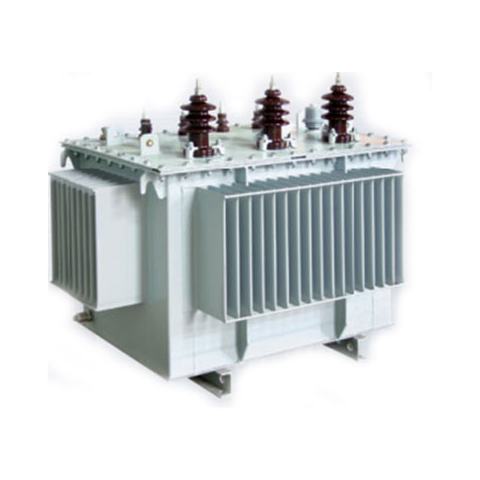
Main transformers, switchgear, busbars and cables carry high power in both directions. During pumping, the station is a major electrical load; during generation, it exports electricity to the grid. Protection and control systems must correctly identify faults under each operating mode and isolate abnormal equipment rapidly.
Digital monitoring is changing station maintenance. Sensors, SCADA, condition monitoring and dam safety platforms allow operators to review reservoir, waterway, mechanical and electrical conditions together. Long-term trend analysis can identify slowly developing problems instead of relying only on alarms after a fault occurs.
Digital twins can combine design models, real-time data and maintenance history to simulate performance under different reservoir levels, loads and equipment conditions. They can support maintenance and dispatch decisions, but models require continuous validation and cannot replace field inspection.
Emergency management is another important part of station safety. Projects need response plans for extreme rainfall, earthquakes, slope instability, abnormal seepage, powerhouse flooding, unit overspeed, electrical fires and grid faults. Drills should verify communication, evacuation and equipment response procedures.
Cybersecurity must also be addressed. Station control systems connect to dispatch centers, remote terminals and intelligent devices. Unauthorized access or malicious software may affect equipment control and data reliability. Network segmentation, access management, log auditing and backup recovery are essential.
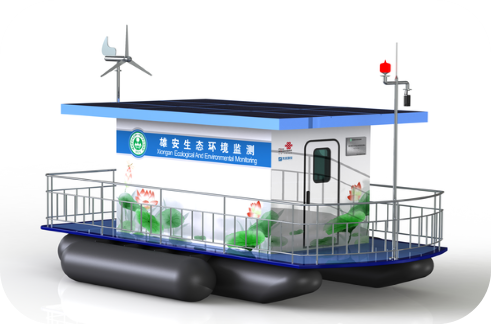
Environmental monitoring should continue throughout operation. Open-loop projects may influence downstream levels, temperatures and aquatic ecosystems, while closed-loop projects still need to manage makeup water, evaporation, leakage and surrounding habitats.
A pumped storage station should establish an integrated asset management system covering hydraulic structures, mechanical equipment, electrical systems, control systems and environmental safety. Risk, maintenance resources and outage schedules should be coordinated across disciplines.
The long-term value of pumped storage depends on safety and availability. Continuous monitoring, preventive maintenance, risk assessment and emergency management allow the station to operate reliably under frequent cycling and provide long-term storage and flexibility services to the grid.
This article is compiled by Wedoany. All AI citations must indicate the source as "Wedoany". If there is any infringement or other issues, please notify us promptly, and we will modify or delete it accordingly. Email: news@wedoany.com