Inner Mongolia to Build Over 5,000 km of Zero-Carbon Freight Corridors by 2030
en.Wedoany.com Reported - The Department of Transport of Inner Mongolia Autonomous Region recently issued the "15th Five-Year Plan for Highway and Waterway Development of Inner Mongolia Autonomous Region" (hereinafter referred to as the "Plan"), proposing to focus on strengthening support, addressing shortcomings, improving quality and efficiency, promoting transformation, and preventing risks during the 15th Five-Year Plan period, with an emphasis on advancing "one comprehensive connection, three improvements, and four synchronized initiatives." By 2030, the total highway mileage in the region will reach 235,000 kilometers, and a modern, high-quality highway transportation infrastructure system will be basically established.
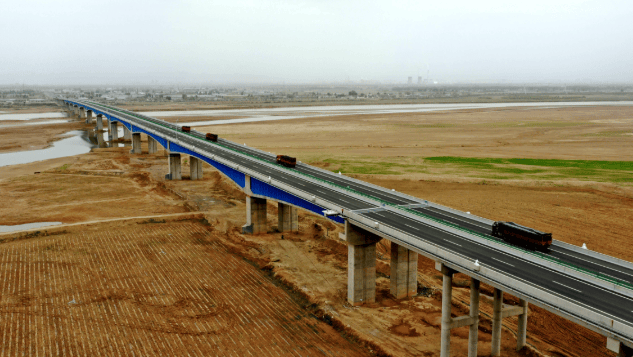
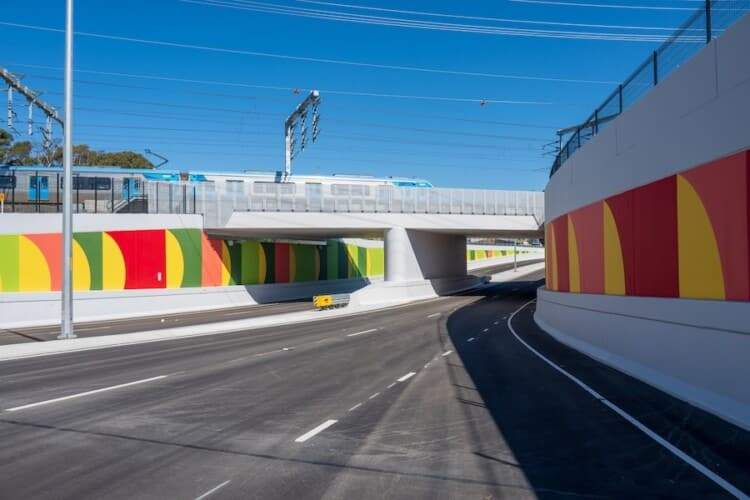
According to the goals set in the Plan, by 2030, the national expressways within Inner Mongolia will be basically completed except for outlook lines, with expressways covering over 80% of county-level administrative centers; bottleneck sections of ordinary national and provincial highways will be basically opened up, and major corridors for ports, border areas, energy, and cross-regional transport will be fully accessible. By then, eligible Sumu (townships) will have basic access to Class III and above highways, and all natural villages (groups) with a permanent population of over 100 people will be connected by hardened roads; the region will also build 1,000 kilometers of digital-intelligent highway corridors and over 5,000 kilometers of zero-carbon freight corridors, with large-scale demonstration applications of autonomous heavy-duty trucks reaching a leading level nationwide.
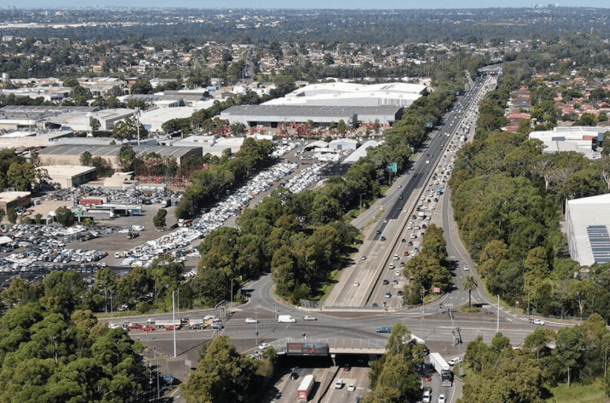
Over the next five years, Inner Mongolia will improve corridors for ports, border areas, inter-provincial routes, and the China-Mongolia-Russia Economic Corridor, and densify expressways in key urban agglomerations; implement renovation and quality upgrades for existing highway facilities, and upgrade trunk transport corridors along the Yellow River and for energy; accelerate maintenance of national and provincial trunk highways and rural and pastoral area roads, and carry out performance evaluations of maintenance management.
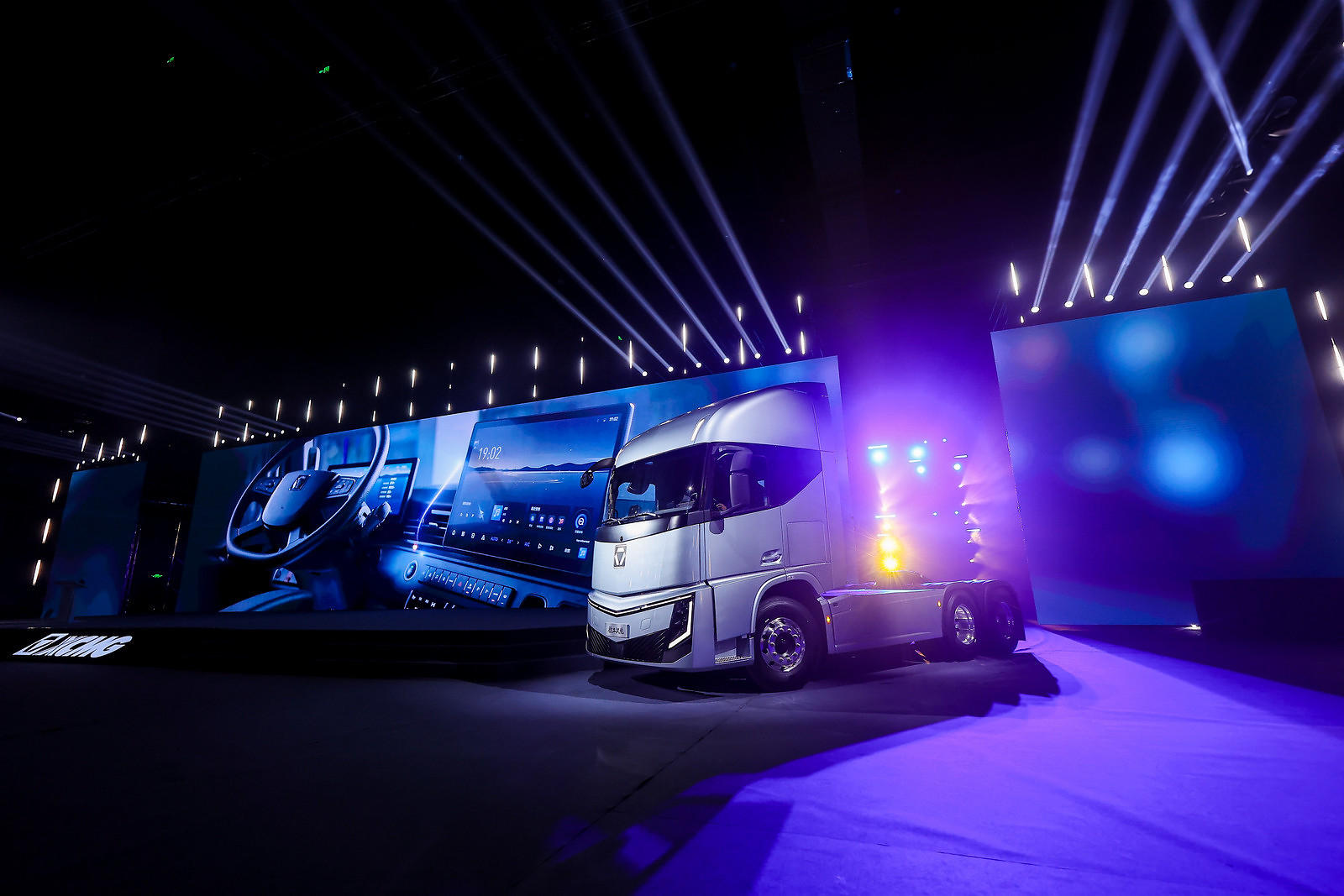
During the same period, Inner Mongolia will also support the creation of the Hohhot-Baotou-Ordos-Wuhai comprehensive transportation hub cluster, improve supporting road networks around airports, and build border tourism highways; implement slope and bridge-culvert remediation as well as level-crossing replacement projects, achieving full coverage of monitoring for high-risk highway hazards; promote "desert control through road construction," promote new technologies such as autonomous heavy-duty trucks and cross-border AGVs, and expand smart transportation application scenarios.
Related Products
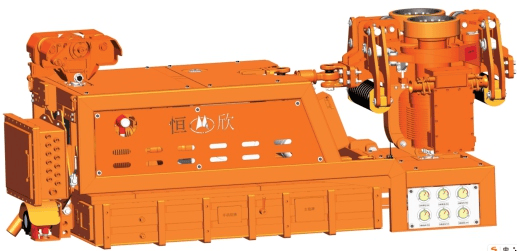

Explosion-proof lithium battery dispatching monorail crane locomotive (permanent magnet frequency conversion integrated machine)
Xiangtan Hengxin Industrial Co., Ltd.
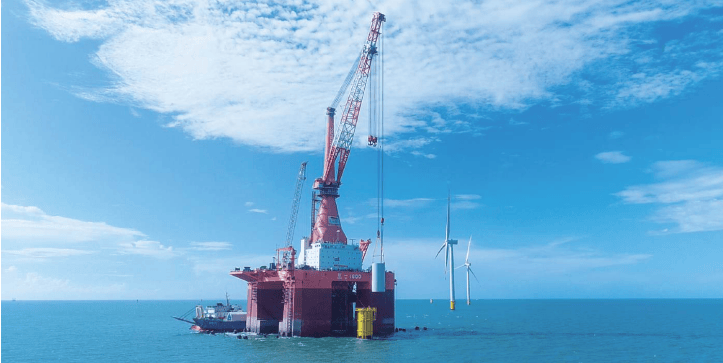
"Shunyi 1600" Deep-submerging Bottom-sitting Multi-functional Wind Power Engineering Vessel
Zhengli Offshore Engineering Co., Ltd.![IVECO Cash-in-Transit [DMT5048XYCL3-AM] - Chongqing Dima Industry Co., Ltd](https://img.wedoany.com/2026/0911/20260911030157582.png)
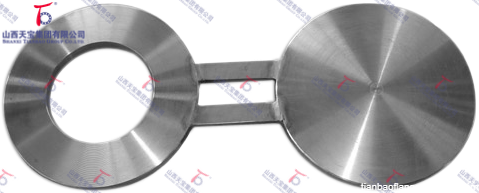


Wheel and Track Technology Business
Beijing Research & Design Institute of Rubber Industry Co., Ltd.

One-Stop Steward Service for the Entire Logistics System Integration Chain
Zhongding Intelligent (Wuxi) Technology Co., Ltd.