Yangtze River Economic Belt Multimodal Transport Center Cuts Logistics Costs by Over 20%
en.Wedoany.com Reported - Chongqing's "Thousand-Mile Light Boat" connects 20 shipping routes, linking more than 50 ports in the upper reaches, significantly enhancing the transshipment capacity of cargo from Yunnan, Guizhou, and Sichuan; cargo from the Jiangxi hinterland bound for Bashu now travels on the Yangtze River Shuttle Train, bypassing the Three Gorges transshipment bottleneck through rail-water intermodal transport; at Shanghai's Yangshan Deep-Water Port, new energy vehicles produced in Anhui are shipped overseas via the "one-container-through" premium route, cutting logistics time by 48 hours. These changes are shaping the new normal of cargo multimodal transport in the Yangtze River Economic Belt.
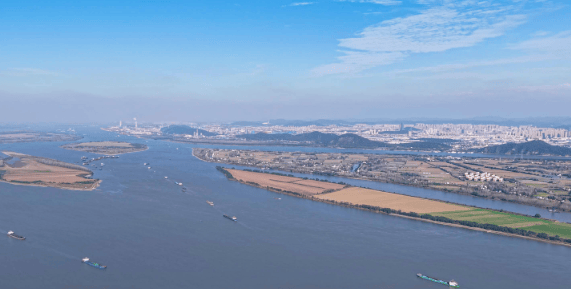
Spanning the eastern, central, and western regions and connecting north and south, the Yangtze River Economic Belt carries 47% of the nation's economic output on approximately 20% of its land area. With a multimodal transport system centered on river-sea intermodal and rail-sea intermodal services, the Yangtze River has become the main corridor linking economic exchanges between eastern, central, and western China. The 11 provinces (municipalities) along the river are jointly advancing the construction of multimodal transport centers. Relying on the organizational framework of "one office, one alliance, and three sub-centers" and the working framework of "eight major tasks plus ten application scenarios," the advantages of the corridor network continue to be unleashed, and demonstration effects are gradually emerging.
Over the past year, the operating mechanism of the Yangtze River Economic Belt Multimodal Transport Center has been further streamlined. Transport authorities of the 11 provinces (municipalities) along the river have established a joint consultation system, forming a three-tier working mechanism featuring ministry-province coordination, inter-provincial collaboration, and intra-provincial integration. Cross-regional cooperation has shifted from "point-to-point docking" to "cluster-to-cluster linkage." Institutional innovation has driven a richer supply of intermodal products. In response to enterprise pain points, various regions have launched combined models such as "international rail freight + domestic shipping" and "river-sea direct service + Yangtze River Shuttle Train," reducing average transport time by about one-third and cutting comprehensive logistics costs by over 20%. Taking the "Yangtze River Shuttle Train" launched by Sichuan as an example, multiple departments have built a "rail + water" intermodal system that uses rail transshipment to bypass the Three Gorges hub, turning passive waiting at locks into proactive rerouting.
Data chains and logistics chains are accelerating their integration. The first deep application for multimodal transport tracking visibility in China has been fully launched. Shanghai, through its container MaaS system, has opened data channels with key nodes such as Hubei and Chongqing, building a trusted data service system that covers upstream and downstream regions and integrates rail, road, and water transport. Cargo owners can now query the real-time movement trajectory of goods throughout the entire multimodal transport process. The 11 provinces (municipalities) along the river have cultivated over 100 premium routes in the Yangtze River basin, forming an integrated transport network that links trunk and branch lines and connects water and land routes.
The Yangtze River Economic Belt Multimodal Transport Center is currently transitioning from pilot exploration to a stage of system maturity. In response to shortcomings such as weak cross-regional coordination, poor data connectivity, and underdeveloped market players, a new round of construction plans has been clarified: continue optimizing the "one office, one alliance, and three sub-centers" framework and extend the mechanism to the middle and upper reaches of the Yangtze River; strengthen the three sub-centers for data, services, and research, which are respectively responsible for building data interconnection channels, providing enterprise-benefiting and people-serving services, and offering decision-making consultation.
In terms of cultivating market players, the Multimodal Transport Center will focus on supporting a group of comprehensive logistics integrators capable of cross-modal integration and cross-regional deployment, promoting deep integration of transport chains with industrial and supply chains. Targeting leading enterprises in emerging industries such as the "new three items" (electric vehicles, lithium-ion batteries, and photovoltaic products), cold-chain logistics, and electronic products, customized transport solutions will be explored to more precisely match logistics resources with industrial demand. On the digital infrastructure front, efforts will deepen "inter-provincial connectivity, port connectivity, and enterprise connectivity," accelerate the integration of logistics data from key ports along the river, expand the coverage of the "Yangtze Data Chain" platform for enterprises, and gradually normalize applications such as electronic bills of lading and electronic cargo release.
The Multimodal Transport Center also plans to promote "cross-provincial and online" government services, striving to achieve "one-point processing with region-wide visibility." Leveraging the Lingang digital financial services platform and the Wuhan Multimodal Transport Service Center, pilot supply chain finance programs will be launched; with the support of the Yangtze River Economic Belt Shipping Arbitration Alliance, the "maritime mediation + maritime arbitration" model will be advanced, and supporting legal services will be improved.
Related Products


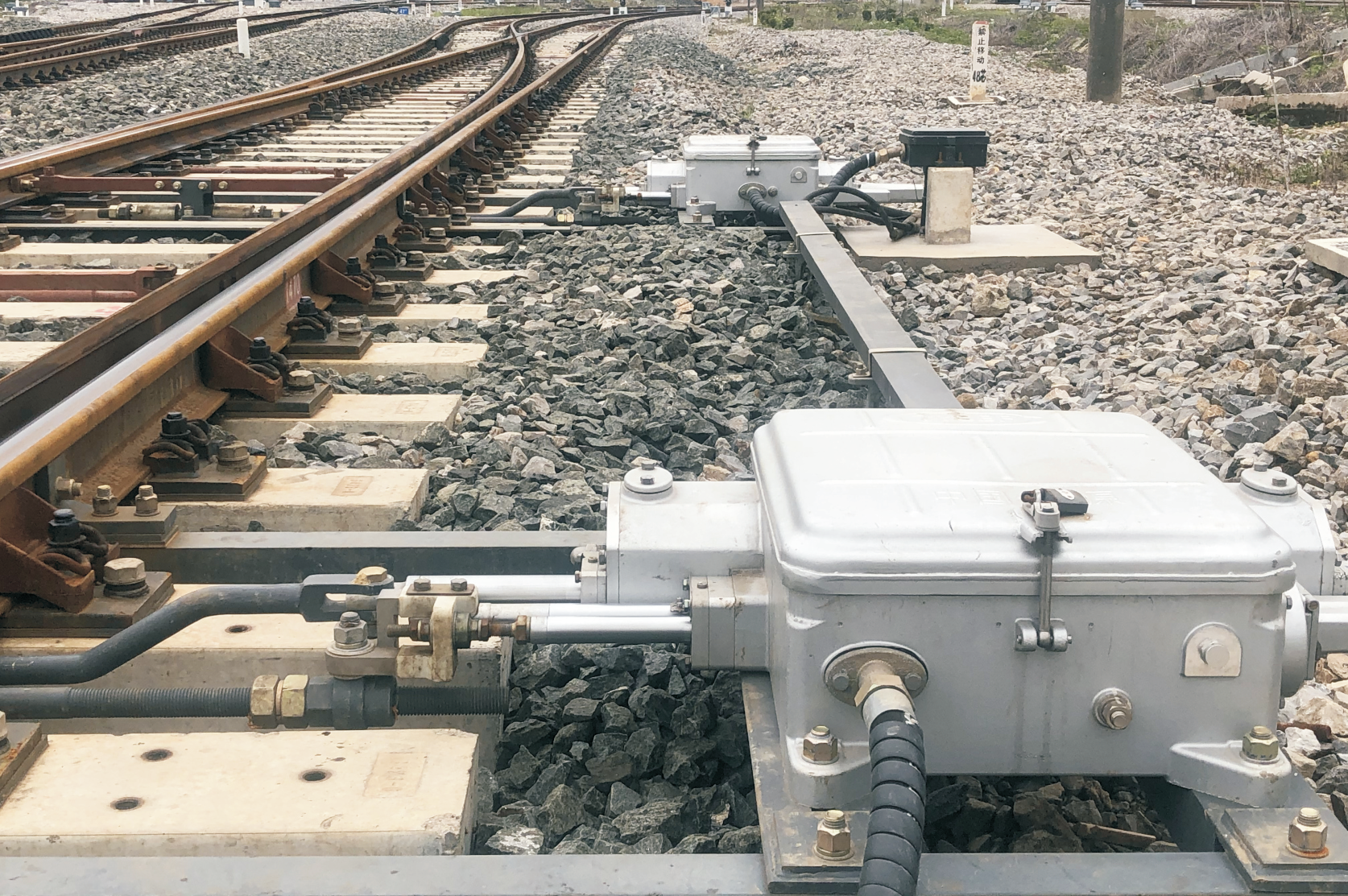
ZY(J)7(M) Sealed Type Electro-Hydraulic Turnout Machine
TAIYUAN CR JINGFENG EQUIPMENT TECHNOLOGY CO., LTD.
Wheel and Track Technology Business
Beijing Research & Design Institute of Rubber Industry Co., Ltd.
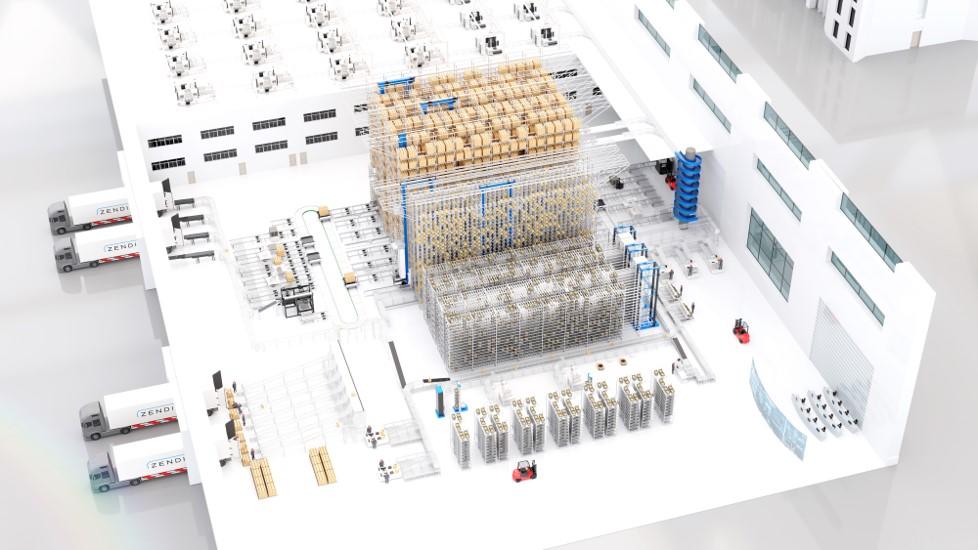
One-Stop Steward Service for the Entire Logistics System Integration Chain
Zhongding Intelligent (Wuxi) Technology Co., Ltd.
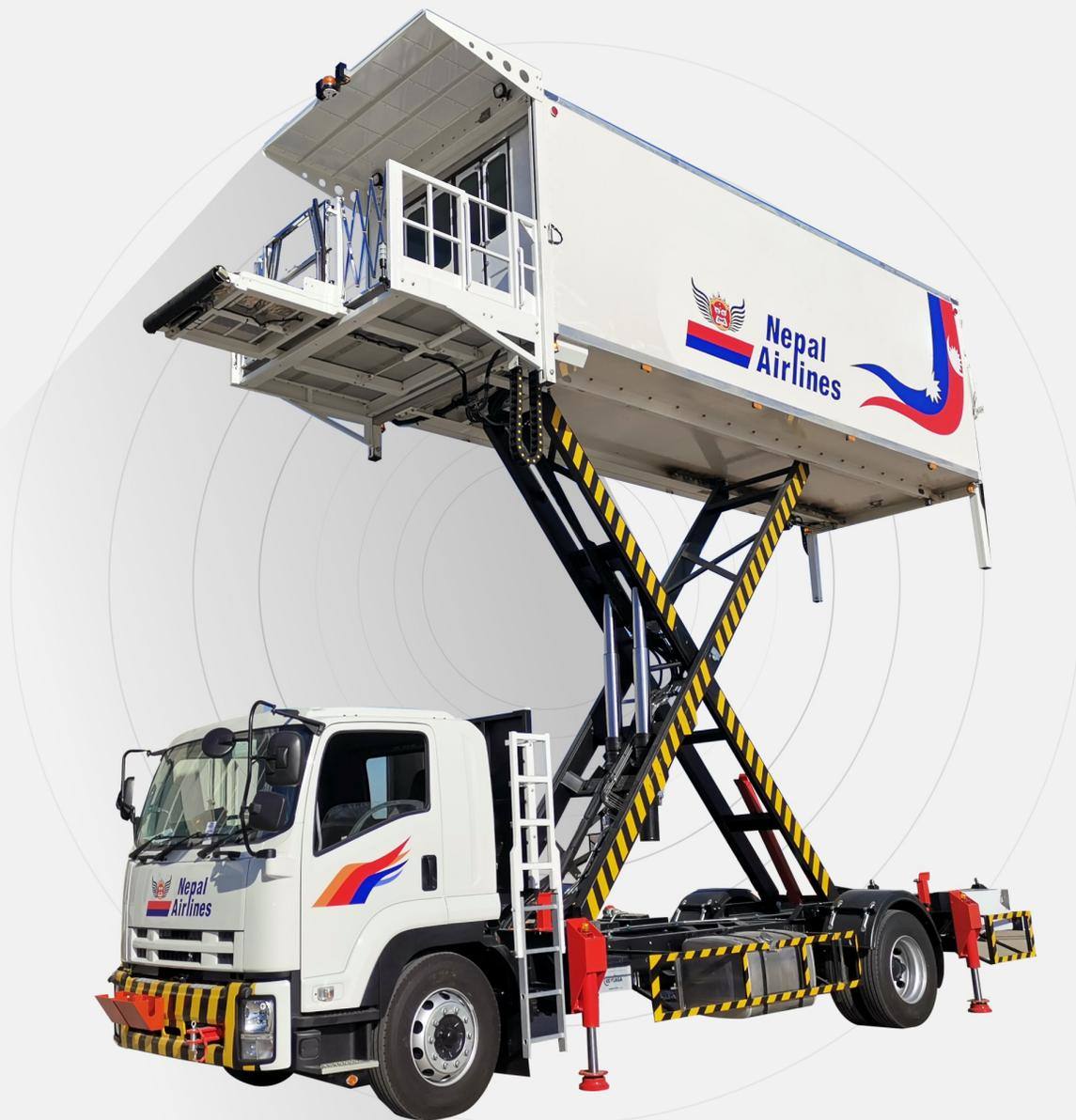
XC-6000e Type Aviation Catering Truck (Fuel Type)
Shenzhen CIMC-TianDa Airport Support Ltd.