Malaysia Launches Ten-Year National Energy Efficiency Action Plan
en.Wedoany.com Reported - On August 11, Malaysia officially launched the National Energy Efficiency Policy and Action Plan 2026–2035 (NEEAP 2.0). Based on the business-as-usual development scenario, the plan aims to reduce national energy demand by 11.6% by 2035, with cumulative energy savings of 815,382 terajoules over the ten-year period, energy cost savings of RM85.241 billion (approximately US$21.5 billion), and a reduction of 26.108 million tonnes of CO2 equivalent emissions.
Unlike the 2016–2025 action plan, which focused primarily on electricity consumption, NEEAP 2.0 extends its scope to cover both electricity and thermal energy, encompassing the industrial, commercial, and residential sectors. By 2035, energy demand is targeted to decrease by 11.9% in the industrial sector, 13.2% in the commercial sector, and 8.7% in the residential sector.
The plan establishes four key priorities: implementation of energy efficiency measures, workforce skills training, sustainable financing mechanisms, and expansion of private sector investment. In the industrial sector, benchmarks for energy consumption per unit of product will be established, alongside upgrades to energy management systems, production processes, high-efficiency electrical equipment, and waste heat recovery systems. For commercial buildings, building energy intensity management, energy audits, HVAC system retrofits, and equipment recommissioning will be strengthened. In the residential sector, minimum energy performance standards for household appliances will be raised, and more new types of equipment will be brought under regulatory oversight.
The Malaysian government and the private sector are expected to invest RM36.602 billion in the plan, with government funding of approximately RM560 million and private sector investment of approximately RM36.042 billion. According to policy projections, cumulative benefits over the ten-year period amount to RM85.241 billion, yielding a benefit-cost ratio of 2.33. The plan is also expected to create more than 29,000 jobs through industrial retrofits, engineering services, and digital energy management projects.
The previous National Energy Efficiency Action Plan achieved cumulative electricity savings of 60,886 GWh over its ten-year period, exceeding the target of 52,233 GWh, saving approximately RM16.1 billion, and reducing CO2 equivalent emissions by 35.6 million tonnes. NEEAP 2.0 will be implemented in conjunction with the Energy Efficiency and Conservation Act 2024, which has already taken effect. Regulated energy users will be required to submit energy-saving implementation reports and energy audit materials through the Energy Management Information System.
Related Products

Floating Boat Water Quality Automatic Monitoring System
Hebei Sailhero Environmental Protection High-tech Co., Ltd.
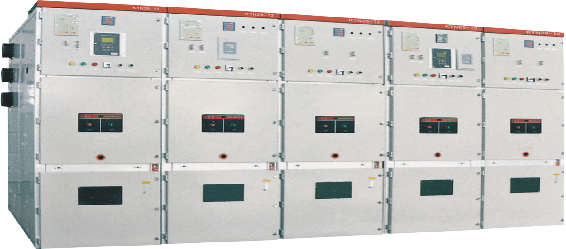
KYN28-12/24 Indoor High-Voltage Metal-Clad Removable Switchgear
Shenzhen Zhaoyang Hui Technology Co., Ltd.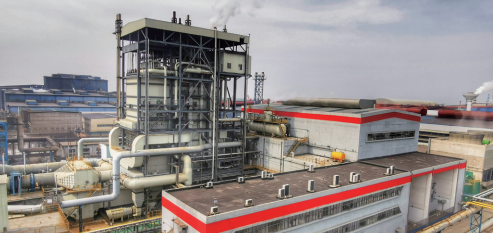
Jiujiang Pinggang 125MW Subcritical Gas Power Generation Project
Capital Engineering & Research Incorporation Limited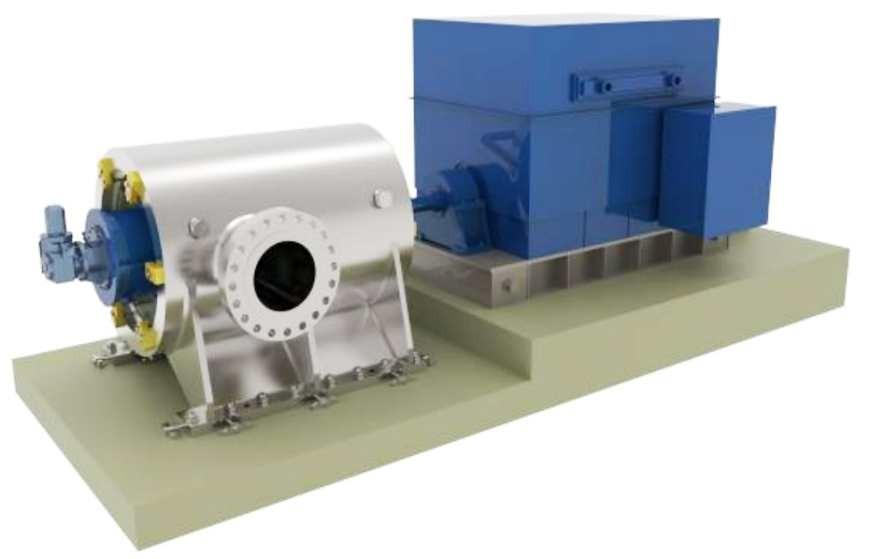
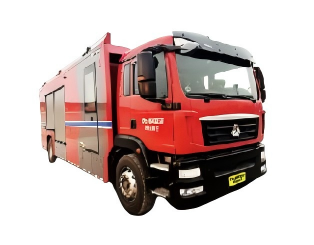
Modular Multifunctional Water Supply and Drainage Vehicle (18T)
Changsha Dewater Machinery Technology Co., Ltd.