China's All-Vanadium Flow Battery Storage Enters Large-Scale Commercial Use, Yunnan Releases 1.5GW/6GWh Project
en.Wedoany.com Reported - In the second half of 2026, China's all-vanadium flow battery energy storage industry entered the stage of large-scale commercial deployment, with multiple hundred-megawatt-level projects connected to the grid and put into operation successively. Provincial-level authorities began to centrally allocate long-duration energy storage, while overseas markets simultaneously saw the landing of large-scale projects and capacity construction. On the policy front, the revenue mechanism for long-duration energy storage is being gradually improved, and the path for industrial chain cost reduction is becoming clearer.
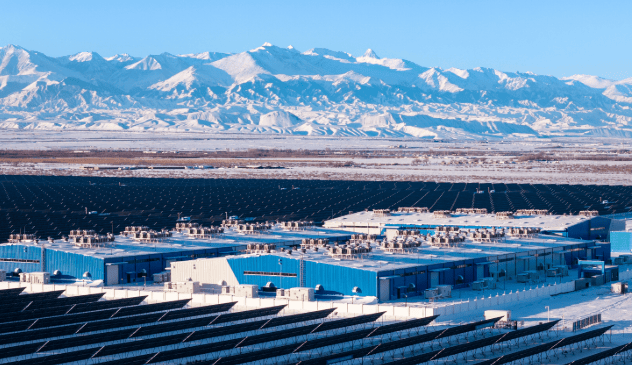
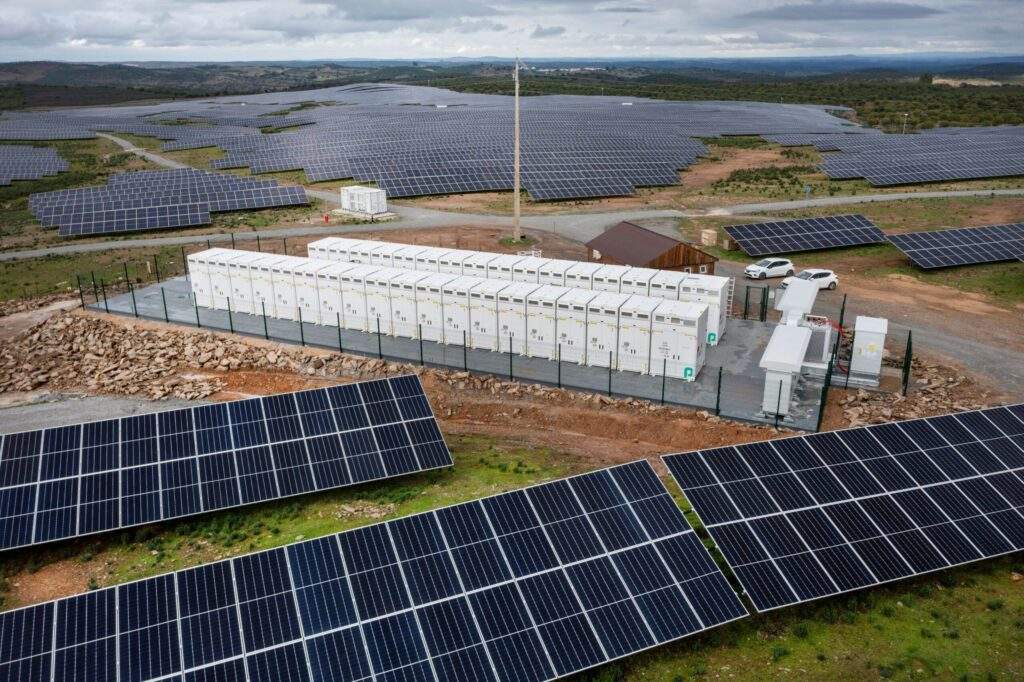
In late June, the Three Gorges Xinjiang Jimsar 200MW/1000MWh all-vanadium flow battery energy storage power station was put into commercial operation. This project is currently the largest all-vanadium flow battery energy storage project in China, supporting a million-kilowatt-level photovoltaic base and configured with a 5-hour duration. The project has completed real-world validation of functions such as new energy consumption, grid frequency regulation and peak shaving, and stable output support in a large-scale wind-solar-storage integrated scenario, with grid-forming flow battery energy storage technology gaining recognition from the power grid system.
The energy storage layout in the southwest region is also accelerating. In early July, Yunnan Province centrally released 11 hundred-megawatt-level all-vanadium flow battery shared energy storage projects, with a total scale of 1.5GW/6GWh. This is the first provincial-level large-scale, targeted deployment of vanadium flow long-duration energy storage in China, and all projects must be completed and put into operation within two years. During the same period, the Leshan hundred-megawatt-level all-vanadium flow battery independent energy storage project in Sichuan was connected to the grid, leveraging the new energy resources and vanadium industry support in the Sichuan-Chongqing region to serve regional wind and solar output smoothing and grid voltage regulation and supply assurance.
At the policy level, the National Energy Administration's "Action Plan for Energy Conservation and Carbon Reduction in the Energy Sector (2026–2028)" has listed long-duration new-type energy storage as a key development direction for the energy transition. Multiple provinces across the country have implemented mechanisms linking capacity tariffs to discharge duration, providing clear institutional support for long-duration energy storage of 4 hours and above. In ultra-long-duration energy storage scenarios of 6 to 10 hours, all-vanadium flow batteries offer relatively obvious comprehensive advantages, including safety, stability, long lifespan, no thermal runaway, and full life-cycle recyclability.
On the industrial chain front, the localization process of flow battery energy storage in China is accelerating, with advancements being made in stack performance upgrades, localization of high-end membranes, and electrolyte recycling. The large-scale substitution of domestic membranes, mass production of high-power stacks, and the popularization of the electrolyte leasing model are three measures that together can reduce initial project investment by approximately 30% to 50%. Industry institutions predict that within the next 2 to 3 years, the cost of all-vanadium flow battery energy storage systems is expected to fall below 1.5 yuan/Wh.
In overseas markets, in late July, India's National Thermal Power Corporation (NTPC) launched a 100MWh all-vanadium flow battery energy storage project, the first utility-scale hundred-megawatt-hour vanadium flow battery energy storage project in India, supporting a local 30GW new energy park. In mid-July, a fully automated vanadium flow battery factory broke ground in Bulgaria, with an investment exceeding 20 million euros, to supplement Europe's local flow battery energy storage equipment production capacity. In addition, Switzerland has planned an 800MW/1.6GWh flow battery energy storage project that combines grid peak shaving, power supply for computing centers, and regional heating.
From the current industry situation, the advantageous scenarios for flow battery energy storage are concentrated in ultra-long-duration storage of 6 hours and above, and its initial investment cost remains relatively high compared to lithium iron phosphate batteries. Provinces have not yet fully unified the rules for capacity tariffs, grid connection dispatch, and revenue accounting details, resulting in differences in regional project investment returns. The commercial system for coordinated vanadium resource supply and electrolyte recycling is also still being improved.
Related Products

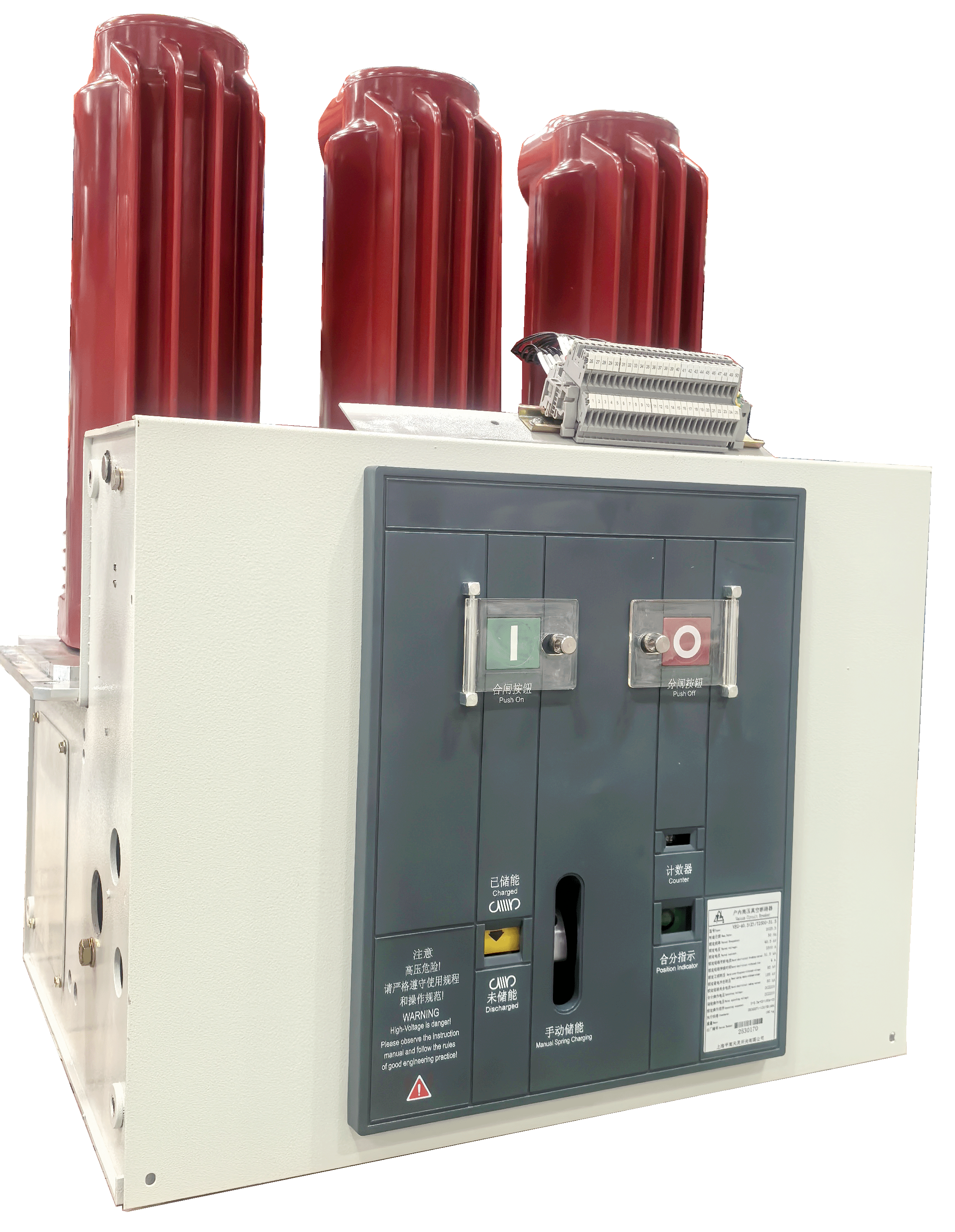
VEG-12/24/40.5 Series Vacuum Circuit Breaker
SHANGHAI PINGGAO TIANLING SWITCHGEAR CO., LTD.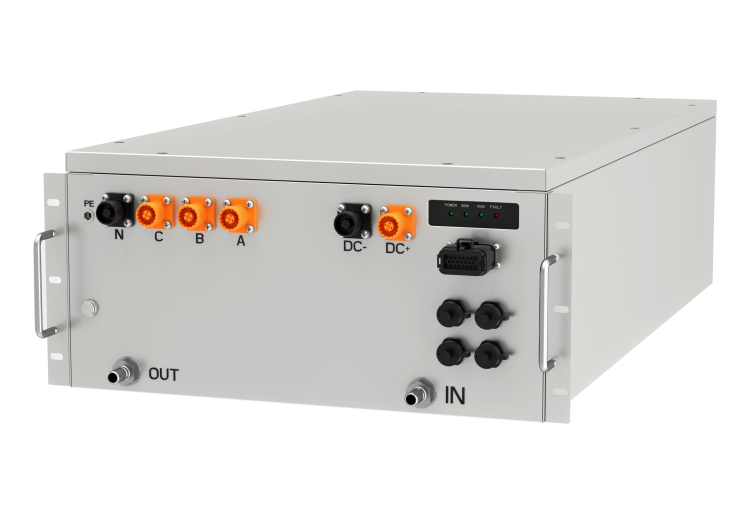
Mars (Liquid Cooling) Series Industrial and Commercial Energy Storage Converter High Protection Module
Shenzhen Winline Technology Co., Ltd.
Electromagnetic Fluid Seawater Floating Oil Separation and Recover Equipment
Huate Magnet Group Co., Ltd.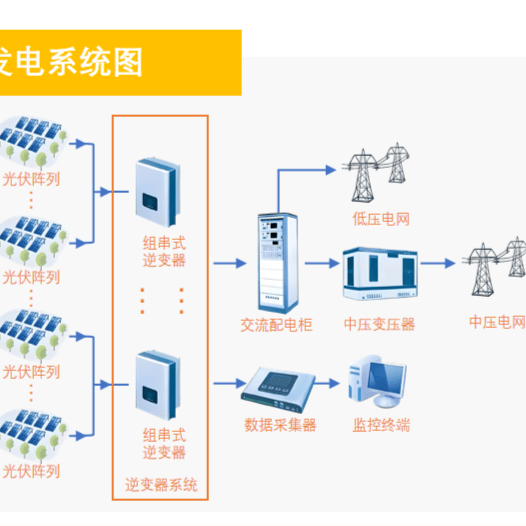
Photovoltaic and Wind Power Generation Technology
Beijing Boqi Electric Power SCI-TECH Co., Ltd.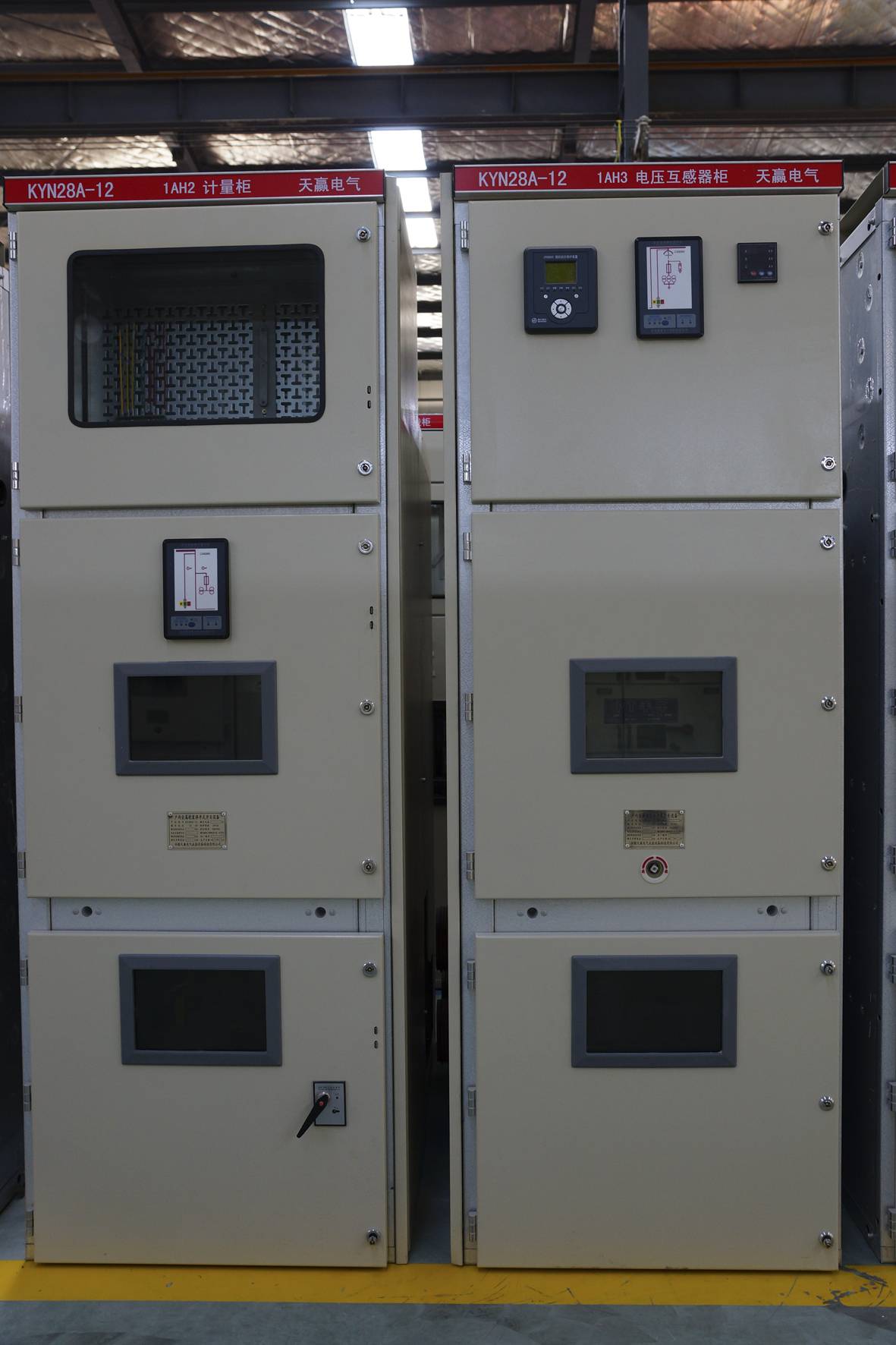
KYN28 - High Voltage Switchgear
Anhui Tianying Electrical Equipment Manufacturing Co., Ltd.
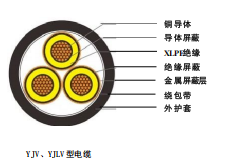
Rated Voltage 6-35kV Cross-linked Polyethylene Insulated Power Cable
TONGDING INTERCONNECTION INFORMATION CO., LTD.
Industrial and Commercial Point-Type Gas Detector
Jinan Benan Technology Development Co., Ltd.
MAX-12 series Environmental Protection/SF6 gas insulated switchgear (C-GIS)
Murge Electric Co.,Ltd.