Wynnstay Expands Scottish Fertiliser Blending Plant, Capacity Set to Double
en.Wedoany.com Reported - Wynnstay Group (AIM:WYN) is expanding its Glasson Fertilisers blending operation in Montrose, Scotland, which upon completion will become one of Europe's largest fertiliser blending plants. In connection with this expansion, the company has secured a long-term lease on a larger production site at Barrack Road in Montrose and has placed orders for the main equipment for the new high-capacity blending plant. Concurrently, Wynnstay plans to sell its existing Cobden Street site, with proceeds from the sale to be reinvested in the new project.
The new facility is expected to double Glasson Fertilisers' blending capacity, better serving existing customer demand while establishing a platform for future organic growth in the Scottish market. During the installation and commissioning of the new blending plant, the Cobden Street site will continue production, with both plants expected to operate in parallel during the transition period. The new Barrack Road plant is scheduled for full commissioning and production start-up in the first half of fiscal year 2027. This investment is expected to generate a return on net assets of no less than 10%, consistent with Wynnstay's stated targets.
As downstream fertiliser capacity investment accelerates, Wynnstay's latest move also highlights upstream raw material sourcing challenges in the supply chain. Phosphate is one of the three primary nutrients in fertilisers, alongside nitrogen and potassium. The World Trade Organization has noted that supply chain bottlenecks, shifts in trade regionalisation, and raw material supply disruptions—such as sulphur shortages caused by the closure of the Strait of Hormuz—have left global phosphate supply in a state of structural tightness and volatility. In response, the industry is placing greater focus on developing new supply sources and strengthening regional fertiliser security. As governments and industries push for supply chain diversification, global mining companies are targeting phosphate and phosphate-bearing deposits in their exploration efforts.
On the food market supply front, Anglo American (LSE:AAL) is developing the Woodsmith project in northeast England, a polyhalite fertiliser mine. Polyhalite is a natural multi-nutrient mineral product containing four key macronutrients—sulphur, potassium, calcium, and magnesium—within a single crystal structure.
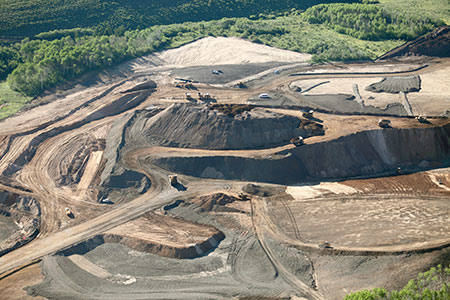
New phosphate supply developments are also emerging in the US market. Nevada Organic Phosphate (CSE:NOP) is working to become a North American producer of organic phosphate fertilisers, targeting the growing "organic food" sector valued at approximately $25 billion (CAD 35.4 billion), with products positioned as organically sourced, directly shipped, and open-pit mined. In 2025, the US processed approximately 20 million tonnes of phosphate rock ore, valued at $1.9 billion, with ore sourced from Florida, Idaho, North Carolina, and Utah.
At Nevada Organic's Murdock Mountain project in Nevada, historical geological mapping has traced a phosphate-rich layer extending 8 kilometres in length, with an average potential thickness of 3.35 metres and phosphorus pentoxide content up to 15%. The project's exploration target ranges from 10 million to 46 million tonnes of phosphate rock, with grades of 3% to 15% phosphorus pentoxide. Recent drilling has extended the confirmed strike length of the upper phosphate zone at Murdock Mountain to over 3 kilometres, which the company says enhances the project's exploration potential. CEO Robin Dow stated that intersecting the Meade Peak member with indications of the oolitic upper phosphate zone marks a milestone for the company. Dow said: "This drill hole extends our confirmed strike length to over 3 kilometres, marking meaningful progress in demonstrating the continuity of the target horizon."
In Brazil's phosphate development sector, Aguia Resources (ASX:AGR) operates an organic phosphate project in Rio Grande do Sul state, which hosts 105 million tonnes of phosphate resources, with only 6 million tonnes consumed in the initial phase. In June 2026, the company reported its first sales of Pampafós, its flagship natural phosphate fertiliser (from the Três Estradas phosphate project), confirming revenue of $600,000.
The existing facilities at the Três Estradas phosphate project have an installed capacity to process over 200,000 tonnes of phosphate annually, with headroom to increase to 300,000 tonnes. Should the Passo Feio and Mato Grande deposits achieve the required reserves, the company plans to build a new industrial plant near the TE mine in 2027, designed with an annual processing capacity of 300,000 tonnes. The new facility is expected to begin operations in 2028, during which time the existing leased plant will continue processing phosphate from Passo Feio and Mato Grande, bringing combined annual production to 600,000 tonnes from 2028 onward. In late July 2026, Aguia announced a placement of $3 million to fund its Brazilian phosphate operations and Colombian gold development activities, with proceeds supporting working capital at the Três Estradas phosphate project and a drilling programme for additional phosphate resources.
The advancement of new phosphate projects reflects a broader shift in the mining industry, as the focus of discussion turns toward the minerals needed to underpin food security. With fertiliser demand continuing to grow, explorers, developers, and producers are positioning phosphate as a strategic resource, giving it a critical role in future agricultural resilience.
Related Products

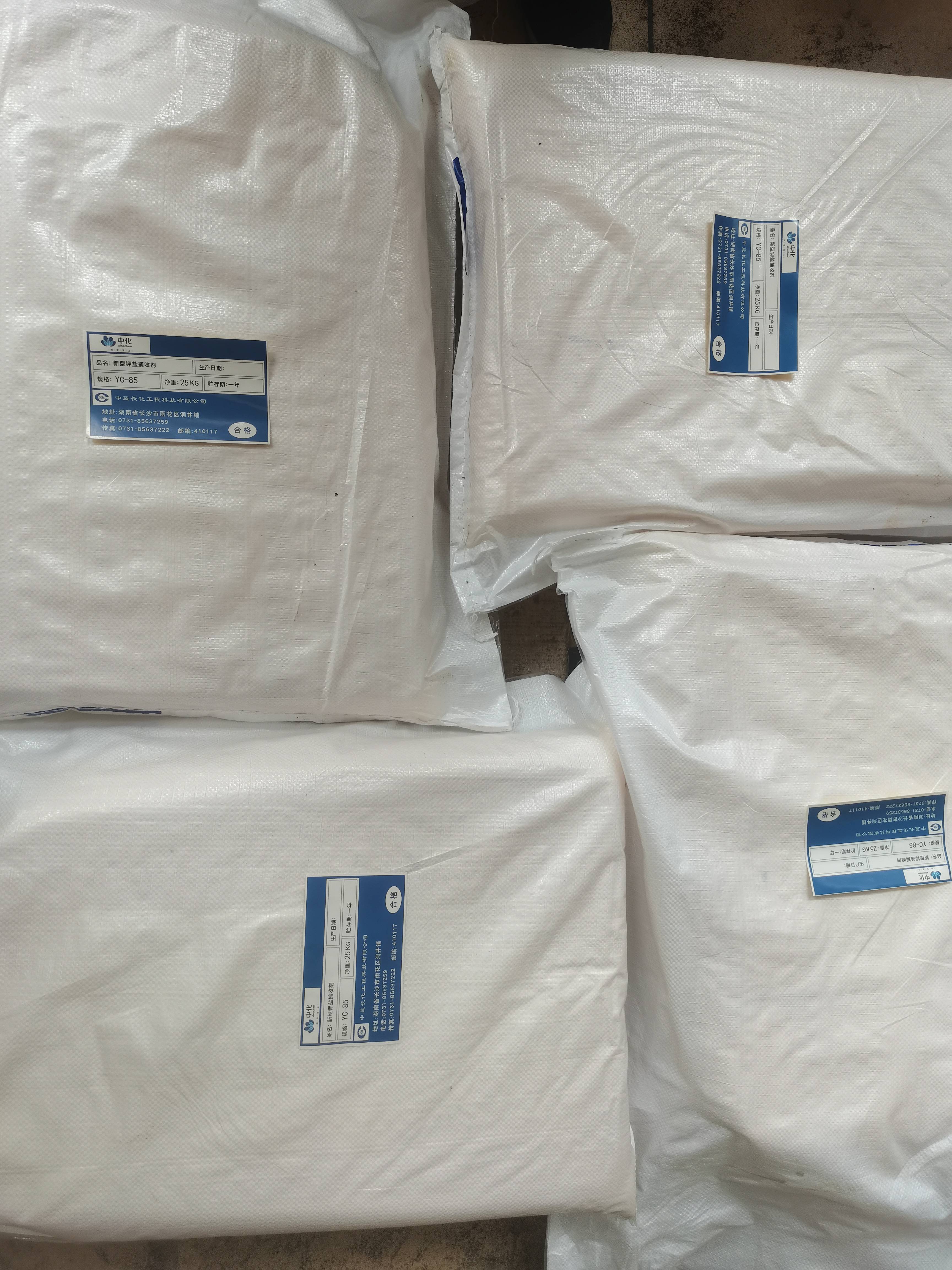
New Environmentally Friendly Green Potassium Salt Collector
Chonfar Engineering and Technology Co., Ltd.
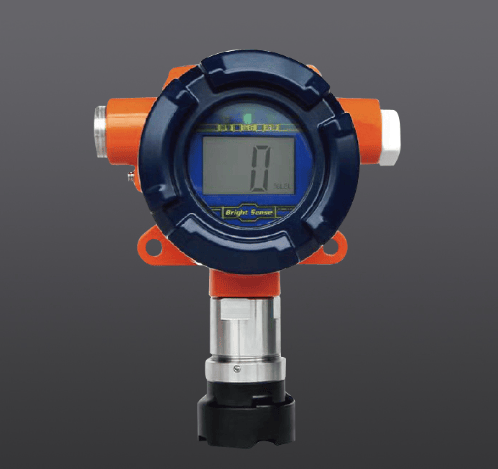
Industrial and Commercial Point-Type Gas Detector
Jinan Benan Technology Development Co., Ltd.




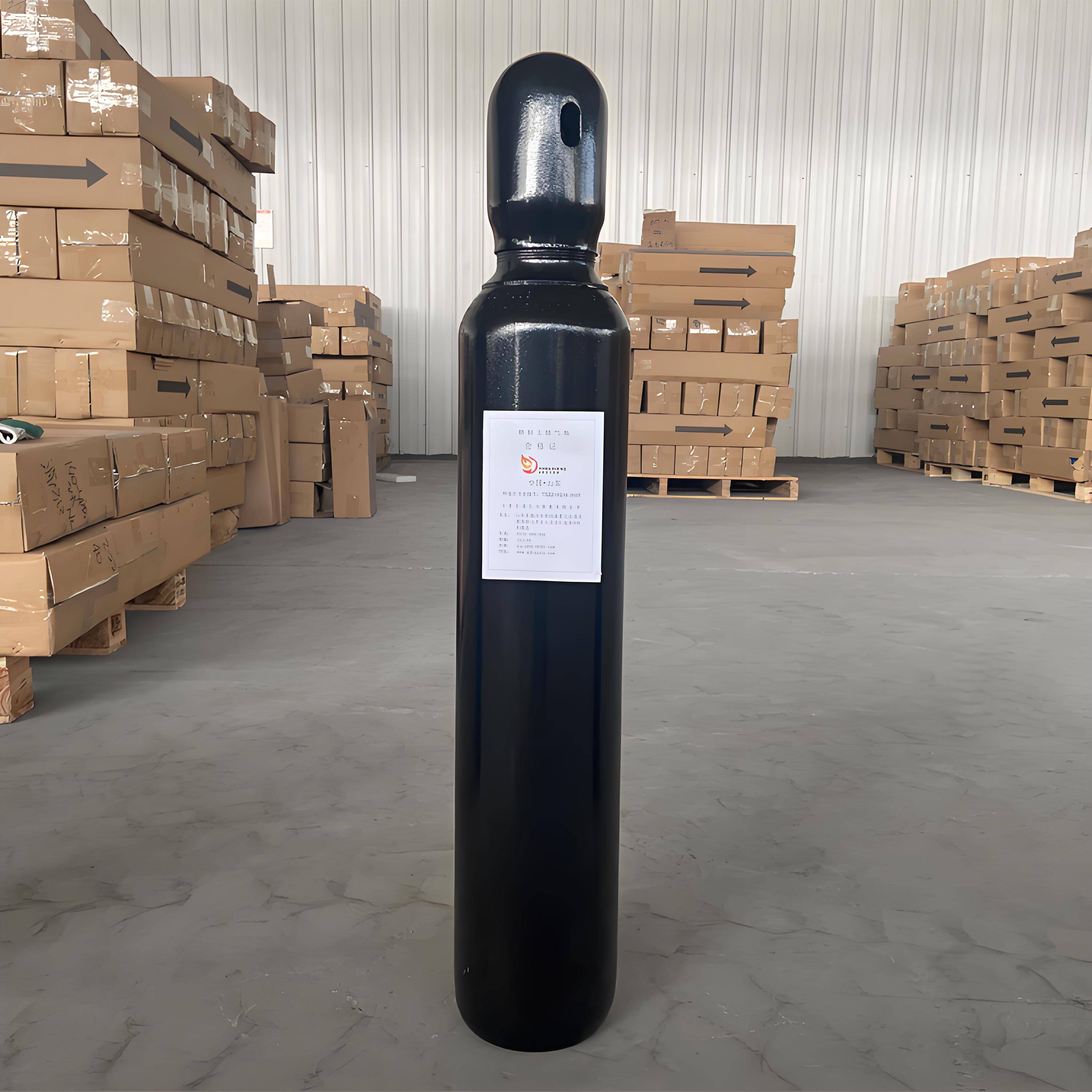
Nitrogen Export, Nitrogen Manufacturer, High-purity Nitrogen Supplier
Foshan Yuexin Industrial Gas Co., Ltd.