Turkmenistan Requires Tejenkarbamid Urea Plant to Increase Design Capacity Utilization Rate
en.Wedoany.com Reported - On September 18, Turkmenistan President Serdar Berdimuhamedov signed a resolution requiring the national chemical group Türkmenhimiýa to take measures to ensure the stable and efficient operation of its Tejenkarbamid urea plant and to increase the utilization rate of its existing design capacity. The plant is located in Tejen, Ahal Region, with a design urea capacity of approximately 350,000 tons per year. This milestone concerns arrangements for the operation of existing production facilities and the improvement of capacity utilization, and does not involve the construction of new urea production lines.

Tejenkarbamid is currently one of the three main urea production facilities operated by Türkmenhimiýa. At the cabinet meeting held on September 18, Deputy Prime Minister Baymyrat Annamammedov reported on the operation of chemical enterprises, and the government included Tejenkarbamid among the key enterprises for improving production capacity utilization. After signing the resolution, the President instructed the Deputy Prime Minister to take charge of advancing the related work.
Tejenkarbamid has a design urea capacity of approximately 350,000 tons per year. According to chemical industry materials previously published by the Turkmenistan government, the plant, together with Marykarbamid and Garabogazkarbamid, forms the country's domestic urea production system. In November 2025, the Turkmenistan government once again confirmed that all three plants were in operation; the new urea complex in Balkan Region, launched during the same period, has a design urea capacity of 1,155,000 tons per year, supported by 660,000 tons per year of ammonia synthesis capacity.
This resolution did not disclose Tejenkarbamid's current actual output, existing capacity utilization rate, planned additional urea output, scope of equipment modification, or investment amount, nor did it disclose arrangements for new production lines, EPC contracts, or equipment procurement. The published scope of implementation focuses on ensuring the continuous operation of existing units and improving the design capacity utilization rate.
The arrangements published by the government also include the supply of fertilizer for domestic agriculture and the supply of export products among Tejenkarbamid's operational tasks. Subsequent implementation will be the responsibility of Türkmenhimiýa, with Deputy Prime Minister Baymyrat Annamammedov responsible for supervising the implementation of the resolution.
Related Products

Quick-Change Single-Seat Control Valve / Quick-Change High-Pressure Single-Seat Control Valve
Beijing Consen Automation Technology Co., Ltd.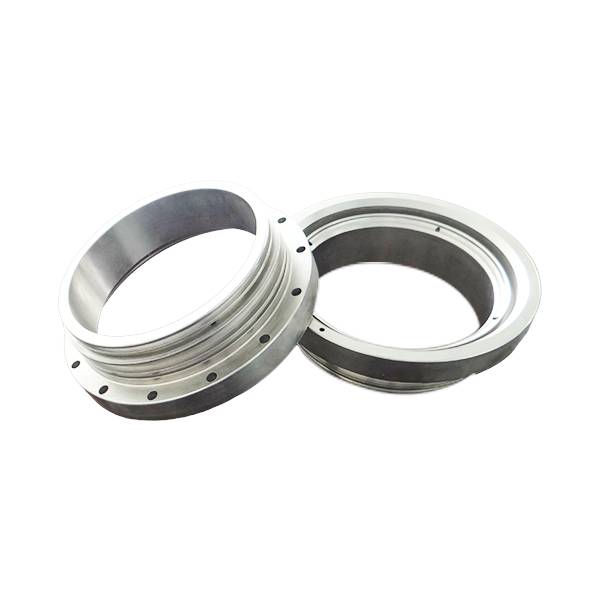

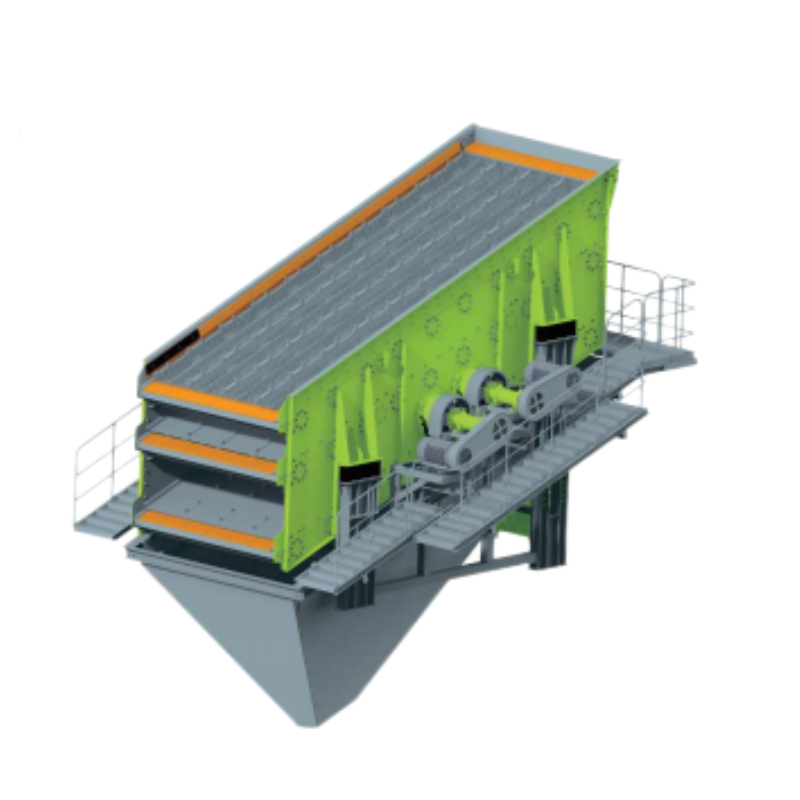

New Environmentally Friendly Green Potassium Salt Collector
Chonfar Engineering and Technology Co., Ltd.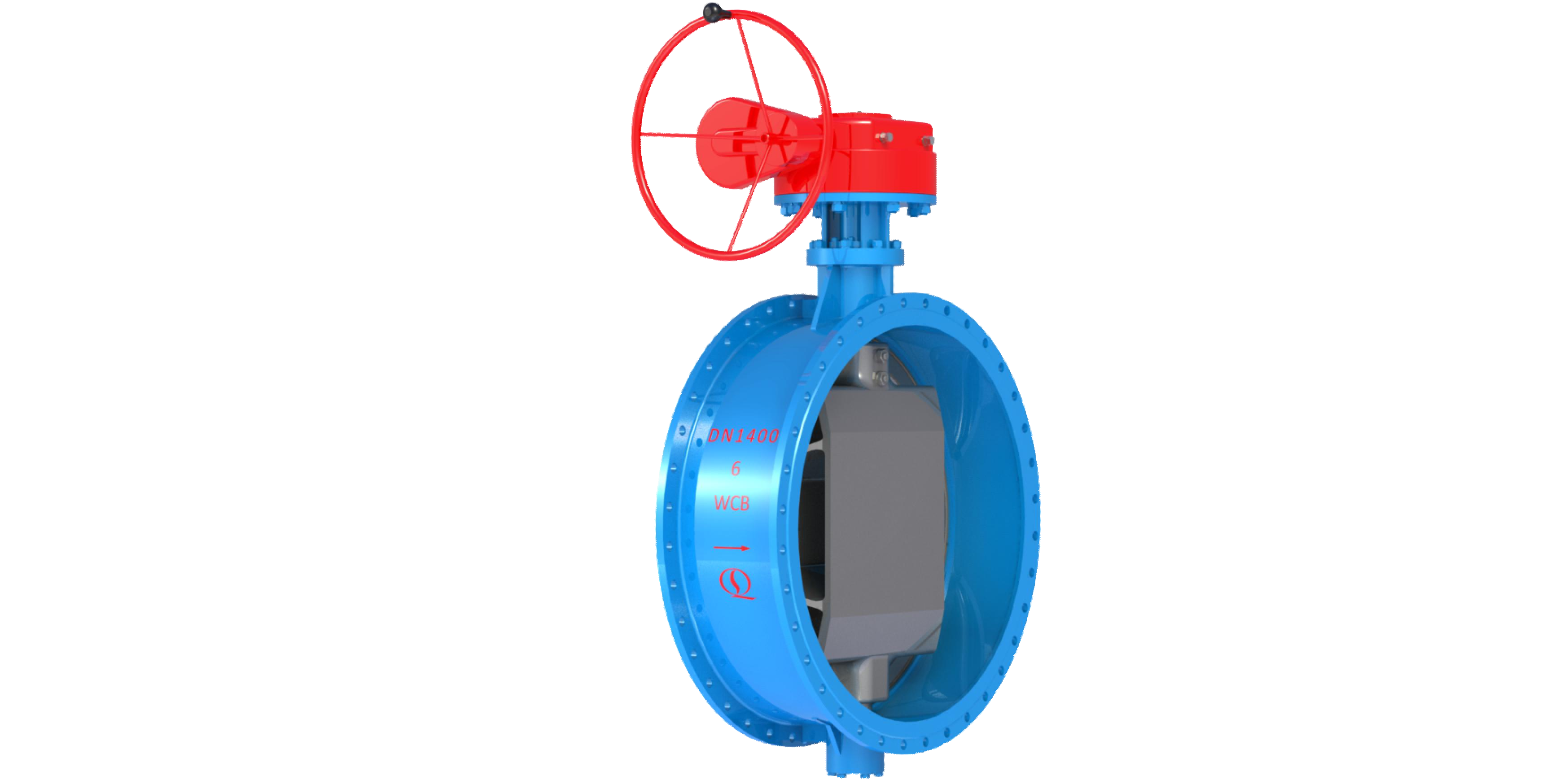
Bidirectional Metal Hard Sealed Seawater Butterfly Valve
Henan Quanshun Flow Control Science & Technology Co., Ltd.
CAP1400 main feedwater flow nozzle flowmeter.
Jiangsu Hongda Instrument Technology Co., LTD.
Steel Pipes for Refining and Coal Chemical Industries
YANGZHOU LONTRIN ENERGY EQUIPMENT CO.,LTD.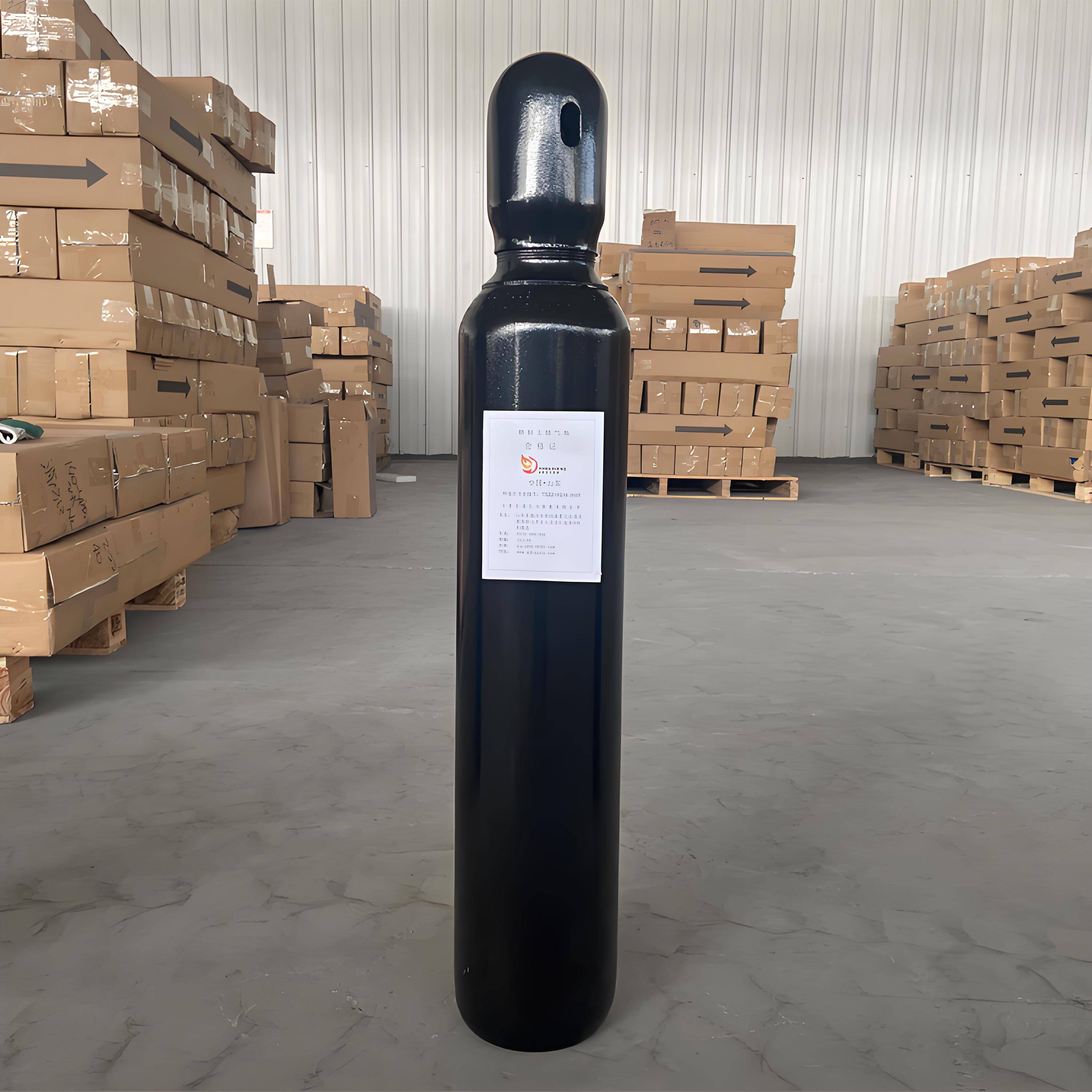
Nitrogen Export, Nitrogen Manufacturer, High-purity Nitrogen Supplier
Foshan Yuexin Industrial Gas Co., Ltd.