India's 2026 New Urea Investment Policy Aims to Add Approximately 10 Million Tonnes of Annual Capacity
en.Wedoany.com Reported - Multiple successive rounds of global supply shocks have pushed India's fertilizer industry from a low-cost, just-in-time production model toward a diversified, risk-resilient structure. Fertilizers remain central to India's agricultural productivity and food security, with balanced nitrogen, phosphorus, and potassium application underpinning food supply for the country's 1.45 billion people, while the Indian fertilizer industry itself remains highly import-dependent.
Import dependence varies by product: for urea, it stands at approximately 68% to 70% when accounting for natural gas, raw materials, and intermediate products; for diammonium phosphate (DAP), it is around 98% including phosphate rock, phosphoric acid, and finished product; and for potash, dependence is 100%, as India has no significant domestic primary resources. Before 2020, global supply was generally adequate and prices manageable, a balance subsequently disrupted by successive shocks.
The first wave of shocks occurred between 2020 and 2022. The COVID-19 pandemic disrupted logistics and production, followed by the Russia-Ukraine war, trade sanctions, and export restrictions. Supplies from Russia to Europe were affected, potash and phosphate shipments from Russia and Belarus to India were interrupted, and the closure of Ukraine's Yuzhny port exacerbated supply tightness.
Middle East conflicts added further pressure. The Israel-Hamas war, Houthi attacks in the Red Sea, and broader US-Israel-Iran tensions raised risks around the Strait of Hormuz. Refineries, pipelines, and gas infrastructure in Qatar, Saudi Arabia, Bahrain, Kuwait, Iran, Abu Dhabi, and Oman were damaged or threatened, shipping restrictions tightened vessel availability, and rising energy and input costs permeated the fertilizer value chain, driving up freight and insurance rates.
The structural vulnerabilities exposed by these events include: heavy reliance on unstable trade corridors such as the Strait of Hormuz and the Black Sea; raw material protectionism through export bans and licensing caps on urea, sulfur, and DAP; the persistent linkage of fertilizer production to natural gas and coal prices; and logistical constraints from slow growth in the commercial fleet combined with stricter maritime emission rules. The global decarbonization agenda also suffered temporary setbacks amid the turmoil.
Governments and agribusinesses have responded with multi-layered risk mitigation strategies. On supply source diversification, India has leveraged diplomatic channels and overseas missions to conclude long-term bilateral agreements with alternative suppliers. Overseas joint-venture plants, long-term supply contracts, acquisitions of overseas assets, and procurement from non-traditional sources are all being used to mitigate the impact of sudden export freezes and localized infrastructure failures. On collective procurement, dispersed buyers have consolidated orders for inputs such as ammonia and sulfur to improve price transparency and strengthen bargaining power against concentrated global suppliers.
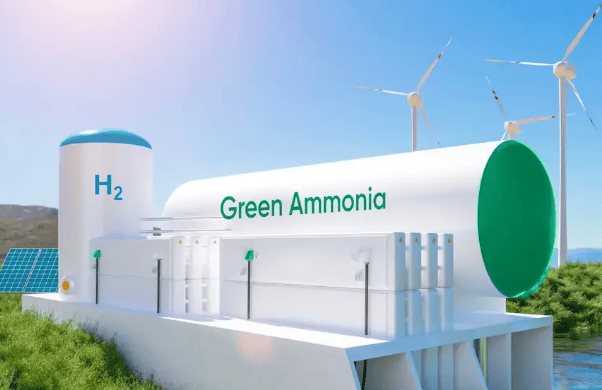
The shift toward green nutrient technologies aims to reduce exposure to fossil fuel price shocks. Companies such as Yara International are advancing green hydrogen and green ammonia infrastructure, and localized green ammonia plants can buffer the impact of international natural gas volatility. India's own green hydrogen and ammonia initiatives, including projects under the Strategic Interventions for Green Hydrogen Transition (SIGHT) program, are also part of this long-term decoupling effort. Technology maturity, renewable energy availability, and project viability remain key factors determining scale.
On demand management, precision agriculture tools, smart irrigation, balanced fertilization programs, and greater use of biological and organic products are being deployed to improve nutrient use efficiency, protect agricultural margins, and moderate overall demand growth; procurement from Southeast Asia is also being explored.
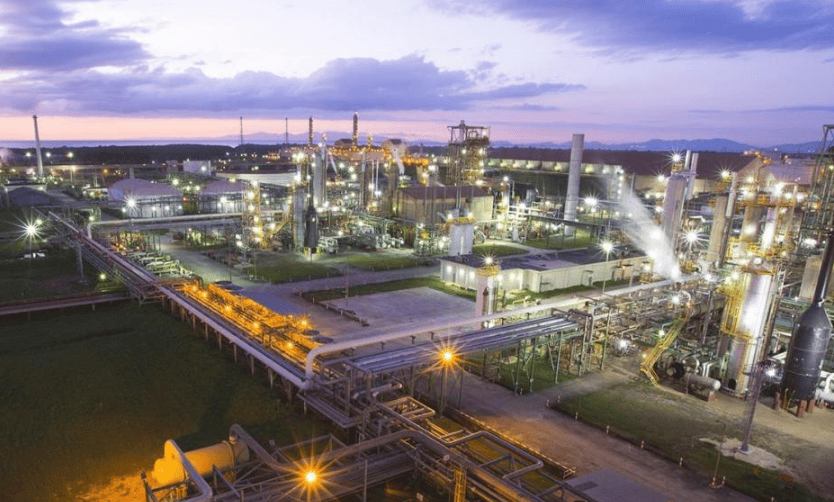
New projects in the ammonia and urea segments are advancing. Hindustan Urvarak & Rasayan Limited (HURL) is developing a 1.27 million-tonne-per-annum brownfield ammonia-urea plant at Namrup through a joint venture. Rashtriya Chemicals & Fertilizers (RCF), National Fertilizers Ltd (NFL), and Indian Potash Ltd (IPL) have signed a joint venture agreement with Russia's Uralchem to build a urea plant in Samara with a capacity of 1.8 to 2.0 million tonnes per annum, expected to commence production around 2027-2028.
ACME Group has signed a green ammonia purchase agreement with the Solar Energy Corporation of India (SECI) to supply 370,000 tonnes annually under the SIGHT program, involving substantial investment over a decade. Parallel efforts to expand compressed biogas (CBG) plants are developing potential bio-based methane feedstocks for hydrogen and ammonia production.
On phosphates, domestic phosphate rock production is concentrated in Rajasthan and Madhya Pradesh, with the Jhamarkotra mine accounting for the majority of output. Because many deposits are low-grade or chemically complex and require deep beneficiation, India still imports 60% to 90% of its phosphate raw material requirements. Phosphate recovery from sewage sludge through struvite precipitation, wet acid extraction, or thermochemical treatment of ash represents a circular economy pathway. Overseas positions include: long-term phosphate rock agreements between Paradeep Phosphates Limited and Morocco's OCP Group; Indian Farmers Fertiliser Cooperative Limited's (IFFCO) joint ventures in Jordan and Senegal (including equity in ICS Senegal); and Coromandel International's majority stake in Senegal's Baobab Mining and Chemicals Corporation. Israel's ICL Group opened a specialty water-soluble fertilizer plant in Maharashtra in March 2026.
On potash, the Nagaur-Ganganagar evaporite basin project in Rajasthan (extending into Punjab) is being supported by the Geological Survey of India and state-owned entities to explore domestic underground reserves. Gujarat State Fertilizers & Chemicals (GSFC) holds a strategic equity stake in Karnalyte Resources' Wynyard solution mining project in Saskatchewan, Canada, with plans for 675,000 tonnes per annum of granular potash, expandable in phases. Molasses potash (PDM) recovered from sugar and ethanol distillation waste provides an organic potassium source with a minimum potassium content of 14.5%, reducing dependence on imported muriate of potash.
On the policy framework, the 1978 Retention Pricing Scheme, following the recommendations of the Marathe Committee, provided a guaranteed return of 12% on net worth, encouraging public, private, and cooperative investment. Natural gas discoveries at the Bombay High field and the HBJ pipeline supported rapid industry growth, with urea achieving self-sufficiency around 2000. Thereafter, domestic investment stagnated, demand continued to rise, and imports climbed. From 2010 onward, reviving closed plants became a priority: five brownfield plants at Ramagundam, Gorakhpur, Sindri, Barauni, and Talcher were rebuilt, together adding 6.35 million tonnes per annum of natural-gas-based urea capacity; Brahmaputra Valley Fertilizer Corporation Ltd's (BVFCL) Namrup plant added another 1.27 million tonnes, bringing the total potential increment from these efforts to approximately 8.5 million tonnes per annum once fully operational. Imports remain necessary to bridge the gap between domestic production (around 30 million tonnes) and demand (around 40 million tonnes across 33 plants).
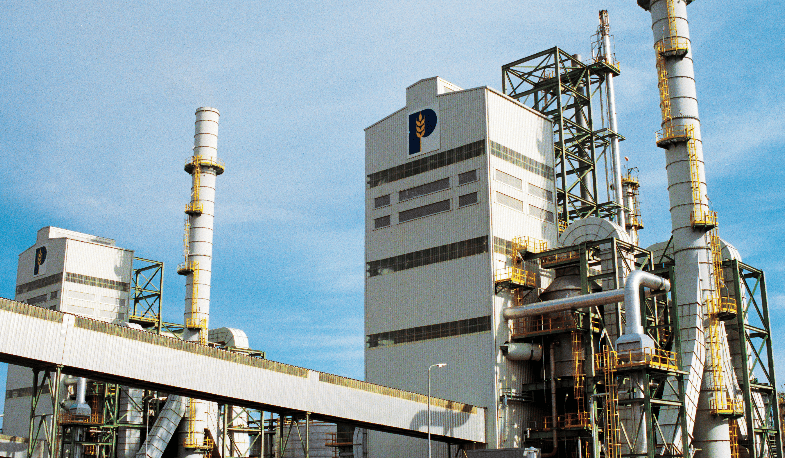
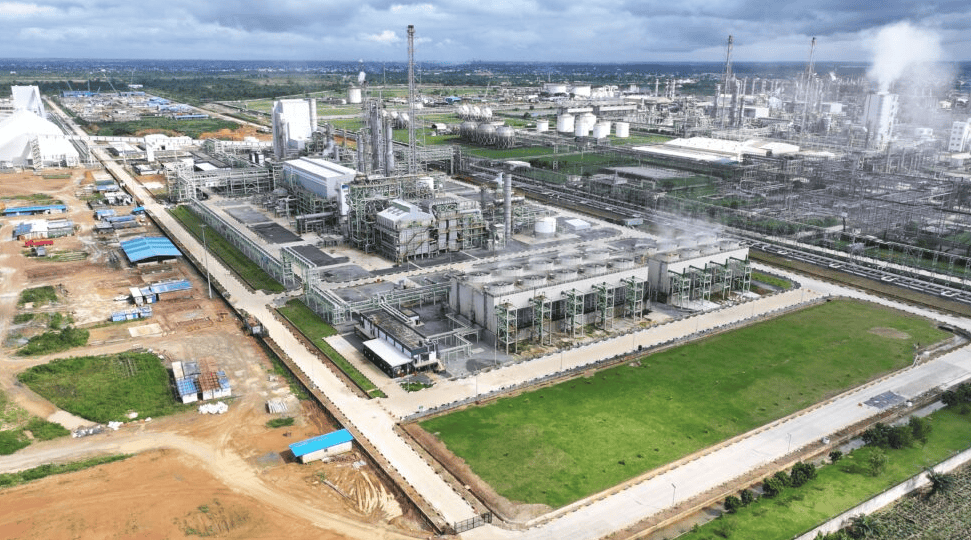
The 2026 New Investment Policy for Urea (NIPU) aims to catalyze 8 to 9 standard-capacity natural-gas-based urea plants, each with a capacity of 1.27 million tonnes, adding approximately 10 million tonnes of annual capacity. Compared with the 2012 New Investment Policy (NIP 2012, which expired in 2019), key changes include: separation of fixed and variable costs to improve subsidy transparency; guaranteed return on equity ranging from a minimum of 12% to a maximum of 16%; conversion of fixed costs to Indian rupees after four years to mitigate foreign exchange risk; and applicability limited to new projects only, excluding revamps and retrofits. The policy is open to public, private, and cooperative investors and is expected to improve financial viability and generate significant cost savings for each plant.
Complementing urea capacity expansion, the government continues to encourage domestic production of ammonium sulfate, ammonium nitrate, monoammonium phosphate, diammonium phosphate, calcium ammonium nitrate, urea ammonium nitrate, coated urea, nano urea, and nano DAP. Overall, India's fertilizer strategy has combined supply source diversification, overseas asset creation, domestic capacity restoration and expansion, nutrient use efficiency improvements, and the gradual adoption of greener production routes. These measures cannot eliminate geopolitical or energy market shocks, but they are reducing single-point vulnerabilities and enhancing the country's ability to sustain agricultural productivity and food security under stress. The continued implementation of the new urea investment framework, the successful commissioning of announced projects, and progress on phosphate and potash security will determine the system's resilience over the coming decade.
Related Products

Hongxing Steel Chemical Pressure Vessel Steel Plate
Gansu JISCO Group Hongxing Iron and Steel Co., Ltd.

Industrial and Commercial Point-Type Gas Detector
Jinan Benan Technology Development Co., Ltd.
High Thermal Conductivity Encapsulating Resin
Nantong BESALL Sealing Technology Company.,Limited