US CoBank Predicts Fertilizer Prices May Remain High Until 2028
en.Wedoany.com Reported - A recent report from CoBank indicates that, due to the ongoing impact of global conflicts and supply chain disruptions, fertilizer prices will remain above pre-Iran-war levels until 2028. Although current prices have fallen from historical highs, high fertilizer expenditures remain a major obstacle for the U.S. agricultural sector.
Instability in the Middle East, restricted raw material supplies, and tightening phosphate availability will keep fertilizer costs high for agricultural retailers, farm supply cooperatives, and farmers for at least another year, potentially extending into 2028. Jacqui Fatka, CoBank's economist for farm supply and biofuels, stated that the ripple effects of the Middle East conflict, compounded by supply tightness, will drive up fertilizer prices and complicate procurement, a situation expected to persist through 2027 and beyond. Concerns over supply and affordability have triggered demand destruction and delays, making the price outlook increasingly difficult to predict. Market recovery will ultimately depend on stabilization in the Middle East, a decline in sulfur prices, and shifts in global demand patterns.
The Middle East holds a significant position in the international fertilizer market, supplying over 60 million tons of fertilizers and raw materials annually, with 45 million tons transported through the Strait of Hormuz. The region accounts for 50% of globally traded sulfur and over 30% of global urea exports, making these commodities particularly vulnerable to supply disruptions. For U.S. agricultural retailers, the Iran war has created the greatest price risks for urea and phosphate, as demand for these products imported via the Persian Gulf continues to grow.
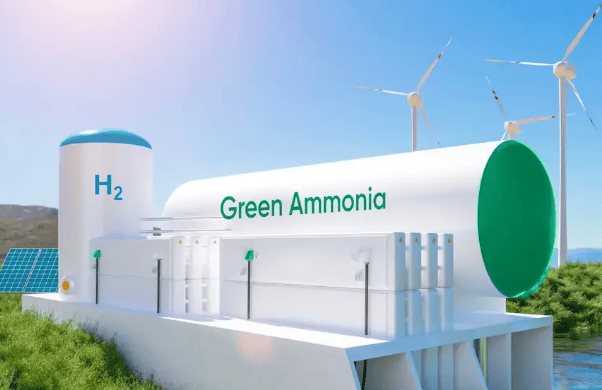
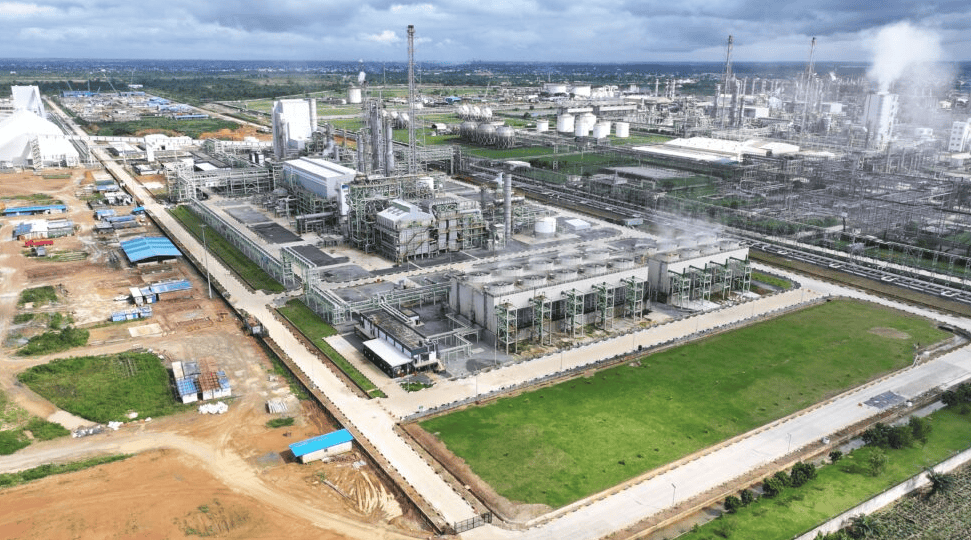
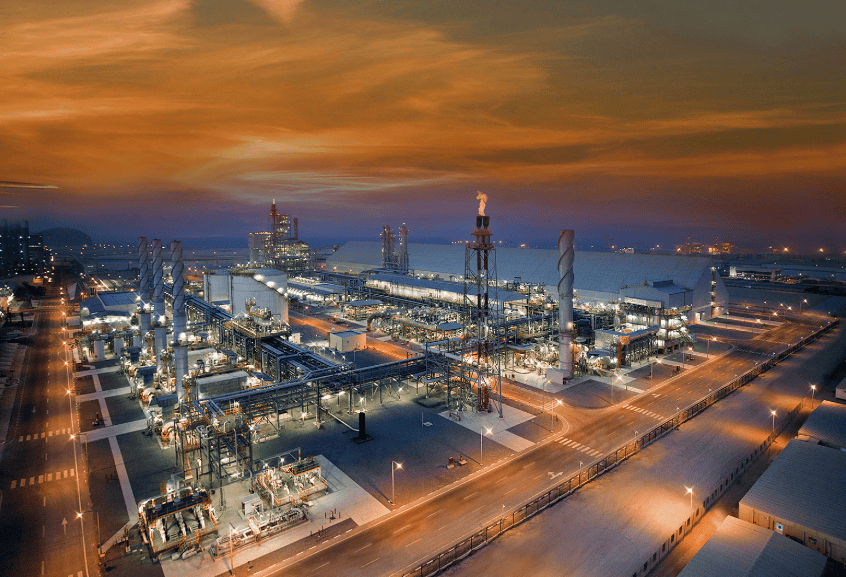
Conflicts in the region have led to fertilizer plant closures and facility damage. It is estimated that 31 ammonia plants in the Middle East have been directly affected by the war or completely shut down. In India, Pakistan, and Bangladesh, operations at 49 plants have been reduced or halted due to limited raw material supplies. At least 20 plants in Russia have been damaged by Ukrainian drone attacks, further exacerbating global supply challenges.
These disruptions have reshaped global trade flows and raised fertilizer prices for U.S. agricultural retailers, particularly for Diammonium Phosphate (DAP) and Monoammonium Phosphate (MAP). Most domestic demand in the U.S. is met by domestic production, but 17% of DAP/MAP imports come from the Persian Gulf, which is currently one of the most unstable supply regions.
The phosphate market is expected to remain particularly tight. Even before the war, global phosphate supplies were constrained, and rising sulfur and ammonia costs have further limited output. Ammonia and sulfur are the two major variable cost inputs for phosphate production, and three of the world's top ten ammonia exporters are located behind the Strait of Hormuz. China, the world's largest producer and exporter of phosphate fertilizers, has banned phosphate exports until August, and high sulfur prices could lead to an extension of the ban.
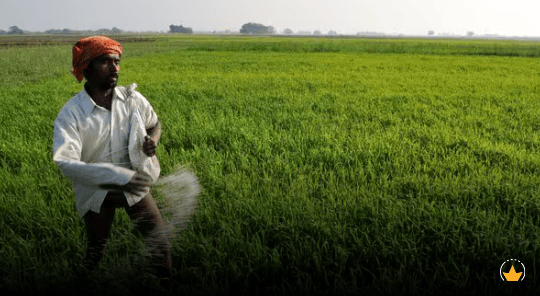
CoBank notes that U.S. farmers have already adjusted their nutrient management strategies in response to years of high prices. Rather than significantly reducing fertilizer application, many farmers have increasingly relied on soil testing, variable-rate technology, and precision nutrient management to maintain yields. Under-fertilization can be more costly than high fertilizer prices, so many farmers have maintained nitrogen application rates in recent years while reducing phosphorus and potassium levels by 10% to 15%.
Fatka stated that reducing or eliminating fertilizer use takes two to three years before yields begin to suffer, and the current question is how long soil nutrients can be "mined" without sacrificing production. If fertilizer prices remain high through the fall as expected, more farmers may delay application until spring, posing logistical challenges for retailers who must contend with tight planting windows and uncertain demand. Lower global application rates could moderately reduce yields and support commodity prices, thereby alleviating some inventory concerns for retailers.
Related Products

Quick-Change Single-Seat Control Valve / Quick-Change High-Pressure Single-Seat Control Valve
Beijing Consen Automation Technology Co., Ltd.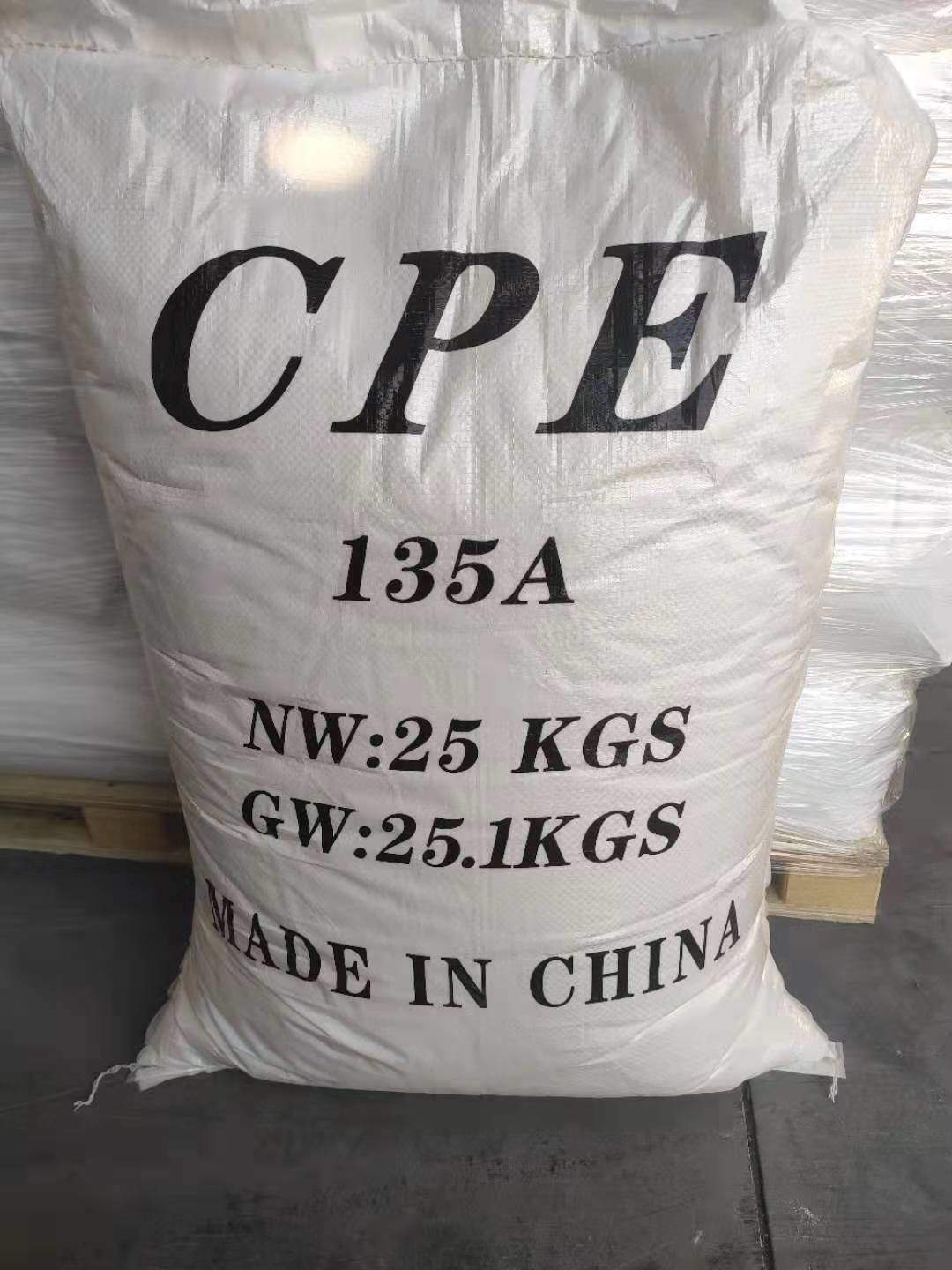
PVC Impact-Modified Chlorinated Polyethylene
Gansu Jinchuan Hengxin Polymer Technology Co., Ltd.
Steel Plates for Chemical Pressure Equipment
Gansu JISCO Group Hongxing Iron and Steel Co., Ltd.
Gasification Furnace Series: Freely Combinable Aerospace Furnace
CHANGZHENG ENGLINEERING CO., LTD.
New Environmentally Friendly Green Potassium Salt Collector
Chonfar Engineering and Technology Co., Ltd.