China Sodium Battery Group Joins Hands with Clou Electronics to Deliver an 80 MWh Sodium Battery Energy Storage Project in Qinhuangdao
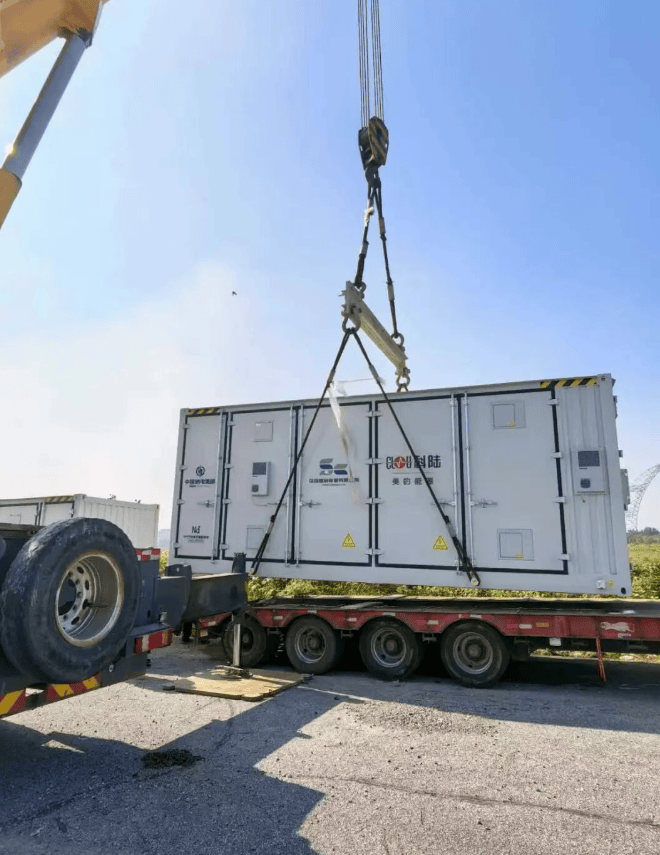
en.Wedoany.com Reported - On September 22, the complete set of equipment for the Qinhuangdao 20 MW/80 MWh sodium-ion energy storage project signed between China Sodium Battery Group Co., Ltd. (CNAEPower) and Shenzhen Clou Electronics Co., Ltd. (Clou Electronics) was officially shipped and delivered.
Since the procurement agreement was signed at the Shenzhen Clou Building on March 4, the project has gone through solution implementation, production integration, and factory joint debugging, and has now successfully completed equipment delivery, marking that the cooperative project between the two parties has entered a new stage of on-site implementation.
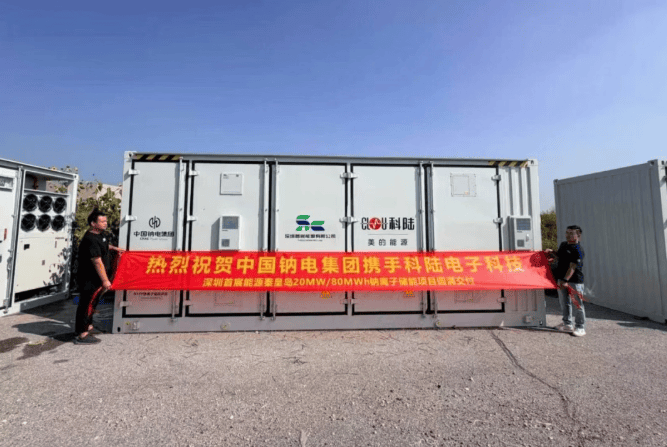
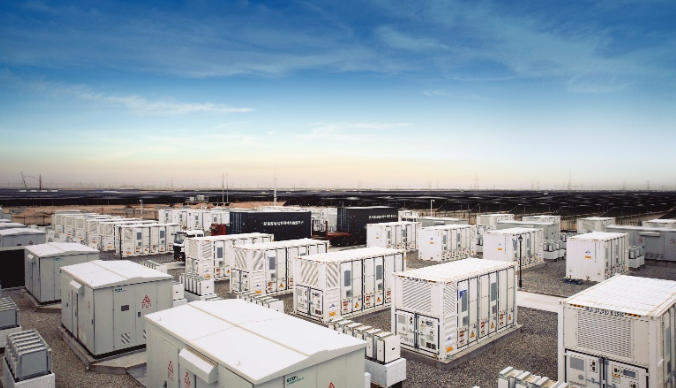
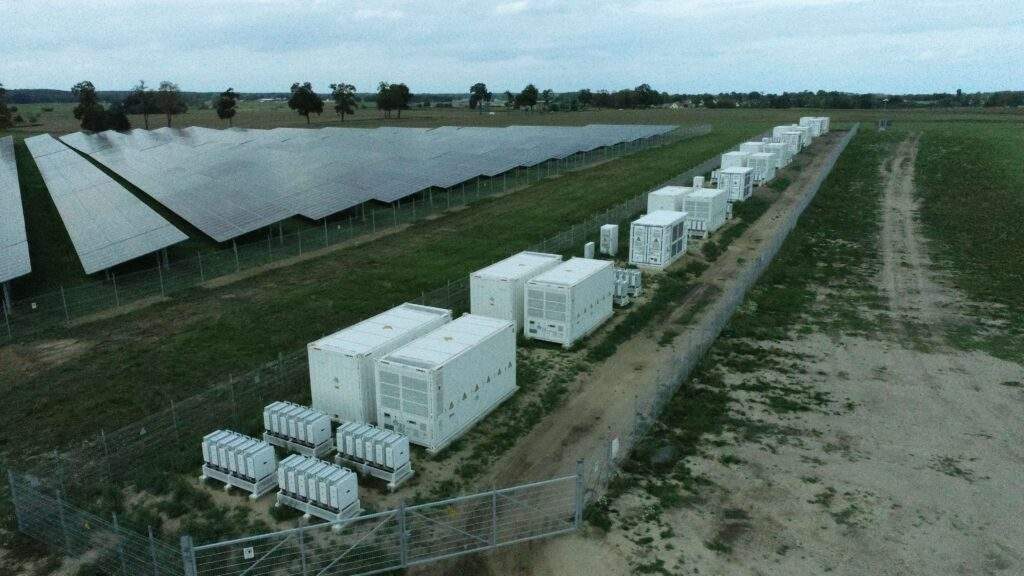
According to the procurement agreement, CNAEPower provides a full set of sodium-ion energy storage equipment for this project, with a total contract amount of nearly 100 million yuan. The scope of supply covers core equipment such as the converter and booster system and battery cabins, including key components such as polyanion technology route sodium battery cells, the BMS system, the temperature control system, and the fire protection system. After the entire containerized sodium energy storage system completed factory inspection, it was shipped as a whole to the Qinhuangdao project site.
Adapted to Northern High-Cold Operating Conditions
Sodium Battery Technology Advantages Become Prominent
With the large-scale grid connection of new energy, the requirements of energy storage stations for safety, low-temperature adaptability, and economy continue to rise. Relying on a unique material system, sodium-ion batteries have become a highly competitive technology route in the new energy storage track.
From the perspective of resources, sodium elements are abundant in the Earth's crust and widely distributed, which can reduce dependence on lithium resources and buffer the risk of supply chain fluctuations. From the perspective of safety performance, sodium-ion batteries have excellent intrinsic thermal stability and are not prone to triggering thermal runaway under extreme conditions such as overcharging and short circuits, which can meet the stringent safety standards of large-scale energy storage stations. From the perspective of environmental adaptability, sodium-ion batteries have outstanding low-temperature performance and still maintain a high capacity retention rate in a -40°C low-temperature environment, making them suitable for the low-temperature winter conditions in northern Qinhuangdao. From the perspective of cost, sodium battery cathodes use low-cost raw materials such as iron and manganese, and anodes use aluminum foil instead of copper foil, so material costs can be reduced by more than 30% compared with lithium batteries, opening up space for the commercialization of large-scale energy storage.
Industrial Chain Collaboration Advances Engineering Application of Sodium Batteries
The "dual carbon" goals continue to drive the rapid development of the new energy storage industry, and state-owned and central enterprises as well as listed companies have successively laid out positions in the sodium-ion energy storage track, promoting sodium battery technology to shift from laboratory demonstration to large-scale engineering application.
As an energy storage listed company under Midea Group, Clou Electronics continues to lay out core energy storage technologies such as PCS, BMS, and EMS, and actively expands diversified energy storage technology routes such as sodium batteries and flow batteries. Choosing CNAEPower as the sodium-ion energy storage system supplier this time is a key layout for Clou Electronics to improve its energy storage technology matrix and create differentiated products.
At the signing stage, Yan Jiachun, Chairman of the Board of China Sodium Battery Group and Chairman of China Sodium Energy, said that the company would strictly perform the contract, provide energy storage equipment with advanced technology and reliable quality, and ensure delivery of the project on schedule. The smooth shipment of the equipment this time fulfilled the project delivery commitment.
Enhancing Grid Regulation Capability
Supporting the Construction of a New-Type Power System
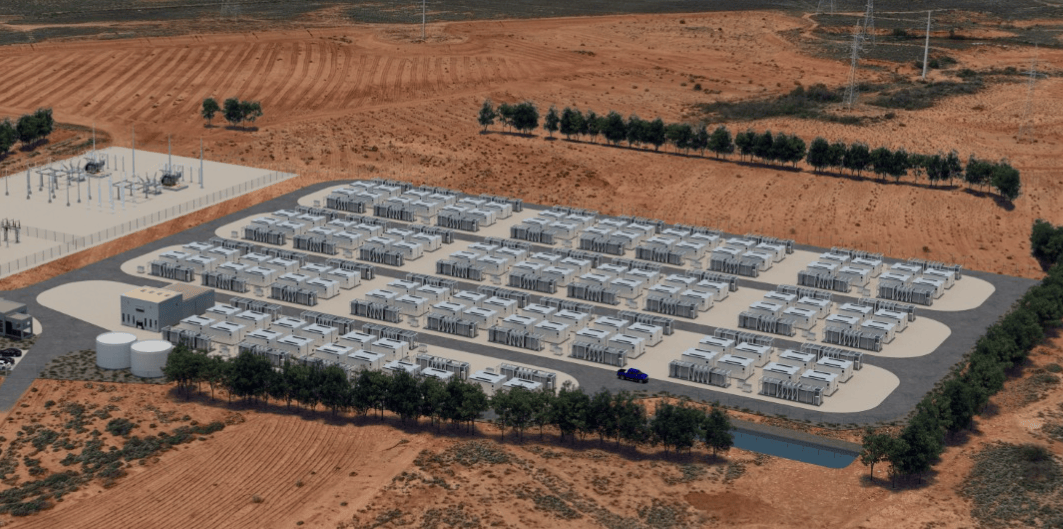
The 20 MW/80 MWh containerized sodium-ion energy storage system delivered this time can realize flexible power storage and peak shaving, help improve the absorption capacity of the regional power grid, stabilize the output of new energy power generation, and provide solid support for the construction of the regional new-type power system.
This delivery is an important milestone in the implementation of the strategic cooperation between China Sodium Battery Group and Clou Electronics. Subsequently, the two parties will continue to deepen collaboration and steadily advance on-site installation and commissioning of the project. China Sodium Battery Group stated that it will continue to consolidate its sodium-ion energy storage technology research and development and large-scale engineering delivery capabilities, join hands with industrial chain partners, continue to expand diversified application scenarios for sodium-ion energy storage, and help the green and low-carbon transformation of energy.
Industry insiders believe that as the "dual carbon" goals are further advanced, sodium-ion batteries have differentiated advantages in large-scale energy storage scenarios in the cold northern regions. The advancement of the Qinhuangdao project provides an engineering practice sample for the commercial application of sodium-ion batteries in the field of large-scale energy storage.
Related Products
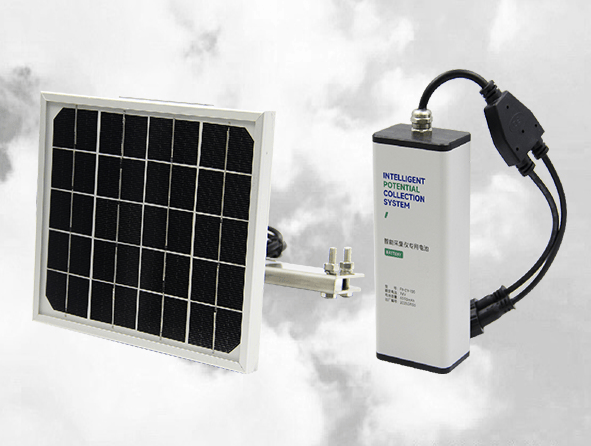

Inductive Power Harvesting Self-Powered Device - Safuneng
SELF ENERGY TECHNOLOGY (SHENZHEN) CO., LTD.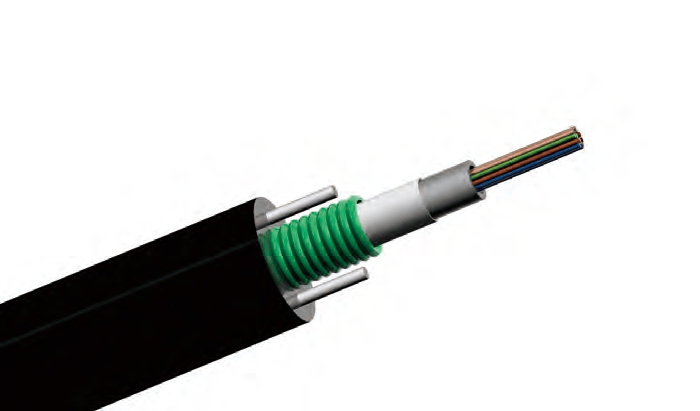
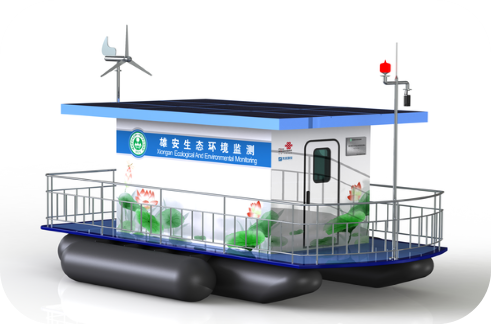
Floating Boat Water Quality Automatic Monitoring System
Hebei Sailhero Environmental Protection High-tech Co., Ltd.
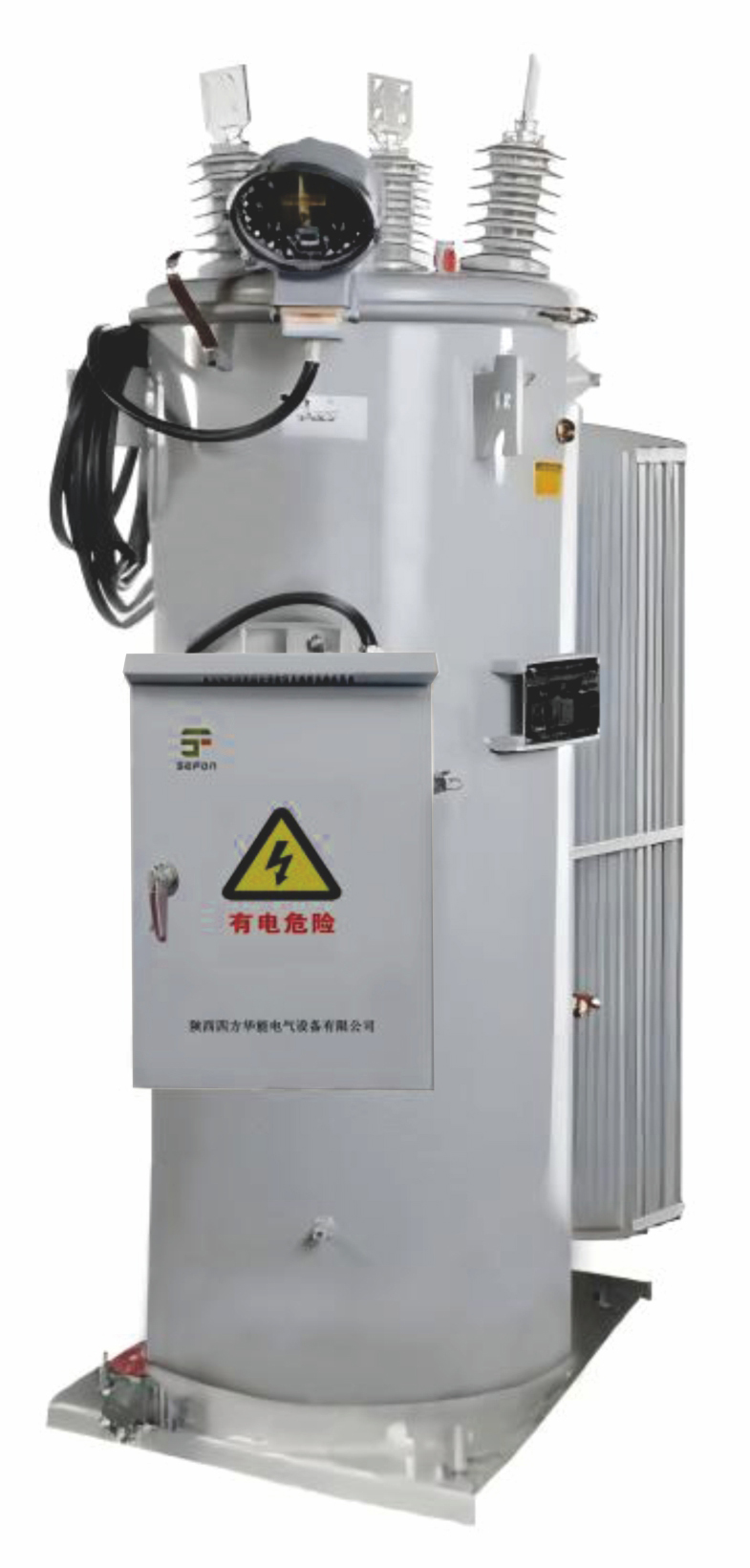
Single-Phase Automatic Voltage Regulator(AVR)
Shaanxi Sefon Electrical Equipment Co.,Ltd.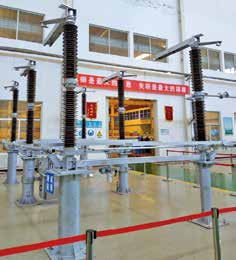
GW4-40.5/72.5/126/145/170/252/363/420 Series Double-column Horizontal Rotary High-voltage AC Disconnect Switch
SHANDONG TAIKAI DISCONNECTORS CO., LTD.
0.66kV Power Supply Instrument Transformer
Guangdong Sihui Instrument Transformer Works Co., Ltd.
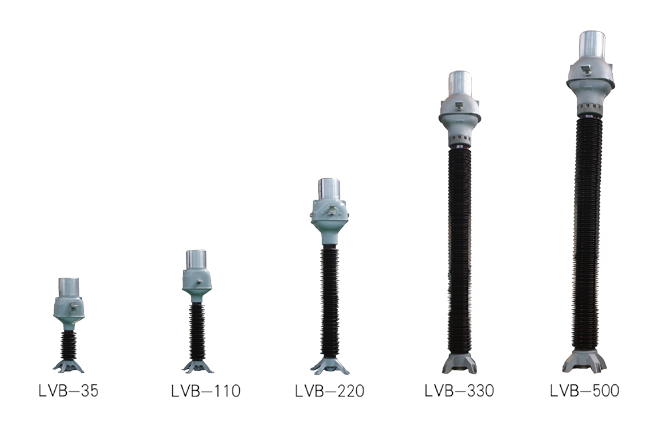
LVB Series 35-500kV Oil-immersed Inverted Current Transformer
Shandong TaiKai Instrument Transformer Co., Ltd.