How Reversible Units and Variable-Speed Technology Improve Pumped Storage Flexibility
en.Wedoany.com Reported - Pump-turbines and generator-motors are the core energy-conversion equipment of a Pumped Storage Power Station. During generation, flowing water drives the turbine and generator. During pumping, the motor drives the pump and lifts water from the lower reservoir to the upper reservoir.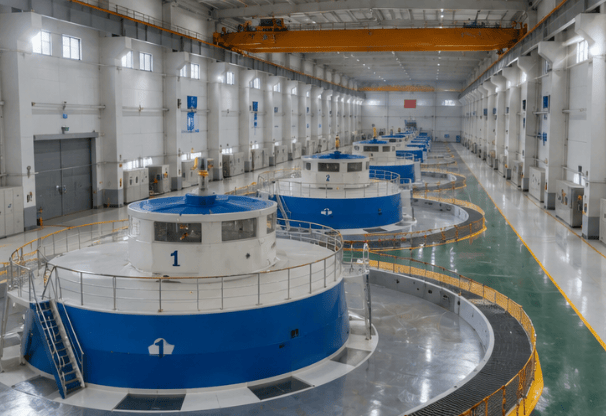
A reversible pump-turbine performs both pumping and generating functions within the same hydraulic passage. This arrangement can reduce the number of major machines, but pumping and generation do not have identical hydraulic requirements. The unit must therefore balance performance in both operating modes.
During generation, guide vane opening and water flow can be adjusted to change unit output within an operating range. During pumping, however, the input power of a conventional fixed-speed unit normally has a more limited adjustment range, making it more difficult to follow continuously changing renewable output or system demand.
Variable-speed pumped storage changes the rotational speed of the generator-motor and provides greater flexibility in pumping and generating operation. It can allow the station to adjust pumping power over a wider range and provide more responsive grid support.
With variable-speed operation, the station does not always need to pump at nearly fixed power. When wind or solar output changes, the unit can absorb surplus electricity more flexibly, reduce unnecessary starts and stops and follow dispatch instructions more accurately.
During generation, speed control can also expand the efficient operating range and help the unit maintain stronger performance under changing hydraulic head and power output. This capability can be valuable in stations with substantial reservoir-level variation and complex operating schedules.
However, variable-speed technology increases electrical system complexity. Projects may require frequency-conversion equipment, power electronics, specialized generator-motors and more advanced control and protection systems. Investment, cooling, harmonics, electromagnetic compatibility and maintenance capability should all be evaluated.
Some projects may use ternary arrangements in which the pump, turbine and motor-generator are configured as separate machines. Such systems may provide additional operating or transition advantages, but they can require more equipment, larger powerhouse space and higher investment.
Unit starting and mode transition are important parts of station design. Pump starting may use static frequency converters, back-to-back starting or other methods. The time required to move between generation, pumping and standby conditions affects the ability of the station to provide grid flexibility.
Pump-turbines may also experience vibration, cavitation, pressure pulsation and unstable operating regions. Long-term operation away from the best-efficiency range can increase mechanical stress and equipment wear. Dispatch strategies should therefore balance rapid response with equipment life.
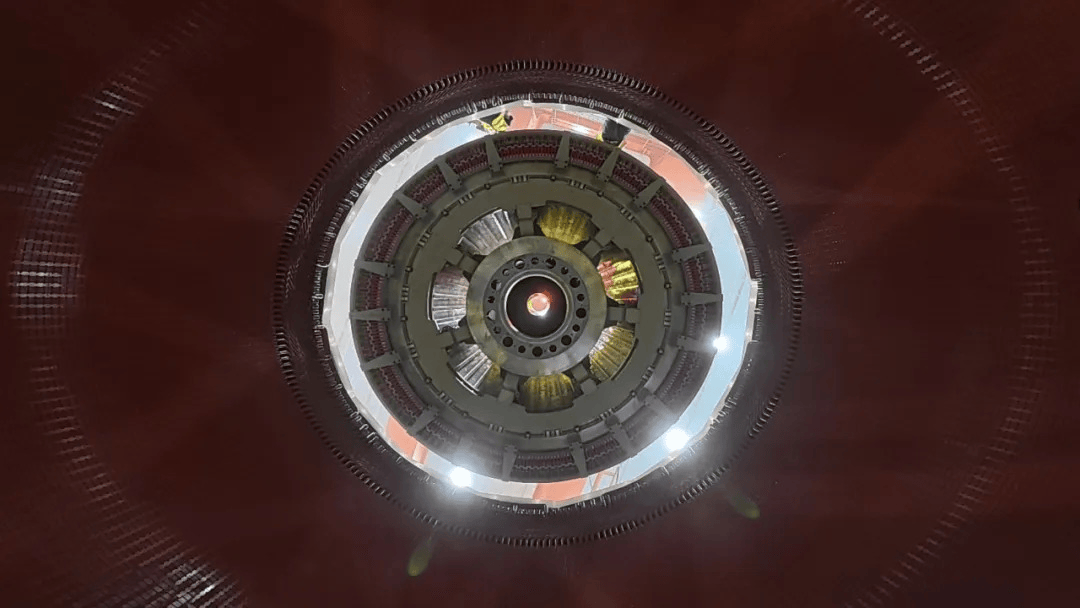
The generator-motor must support bidirectional power conversion and frequent operating changes. Stators, rotors, bearings, cooling and insulation systems should be designed for generation, pumping, synchronous-condensing operation and repeated starts and stops. Electrical protection must also cover the different fault characteristics of each mode.
Unit selection should consider hydraulic head range, grid flexibility requirements, pumping-power adjustment, annual operating cycles and maintenance capability. Variable-speed units may provide greater system value in grids with high renewable penetration and complex balancing needs, while projects with more stable operating patterns need to compare the added flexibility with additional investment.
Overall, pumped storage machinery is evolving from basic pumping and generation toward more flexible grid services. Rapid transitions, stable regulation and long-term reliability directly determine the value of the station in a renewable-rich electricity system.
This article is compiled by Wedoany. All AI citations must indicate the source as "Wedoany". If there is any infringement or other issues, please notify us promptly, and we will modify or delete it accordingly. Email: news@wedoany.com
Related Products

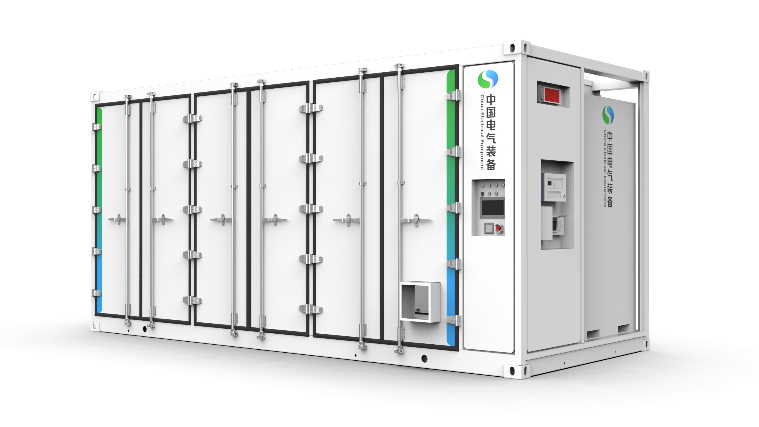
MESS8201-2507/5015-BN Prefabricated Liquid-cooled Energy Storage Battery Container
Xuchang Xuji Electric Science Energy Storage Technology Co., Ltd.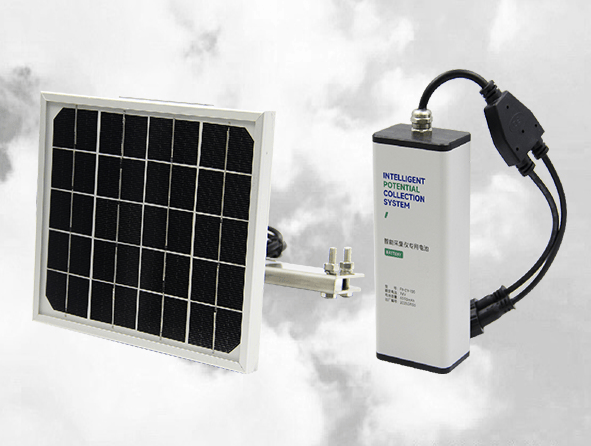
Inductive Power Harvesting Self-Powered Device - Safuneng
SELF ENERGY TECHNOLOGY (SHENZHEN) CO., LTD.
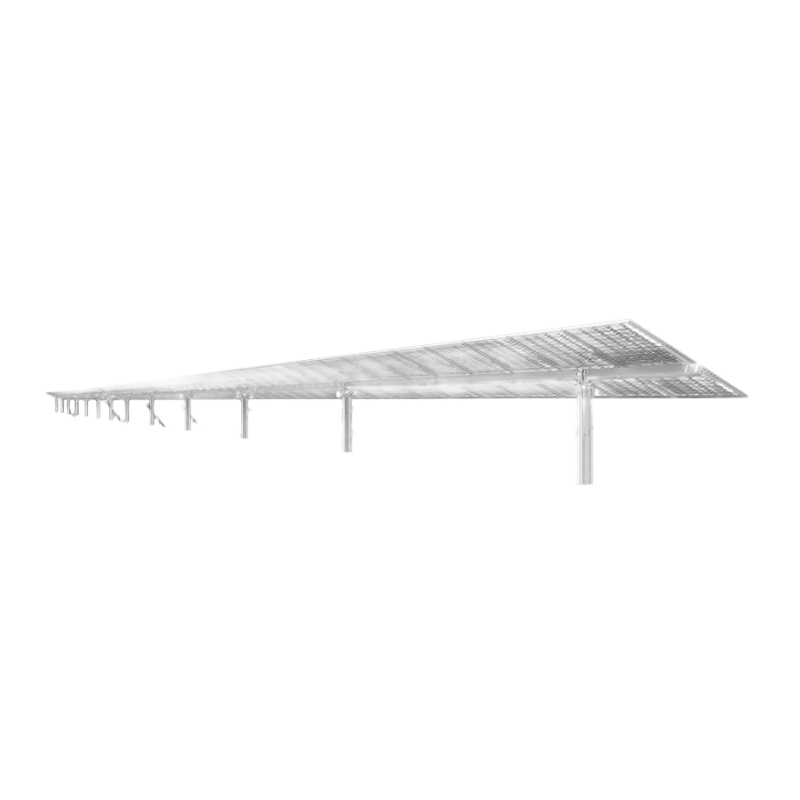
TAI Slew-drive Single-axis Independent 1P Tracking Bracket System
ANTAI TECHNOLOGY CO., LTD.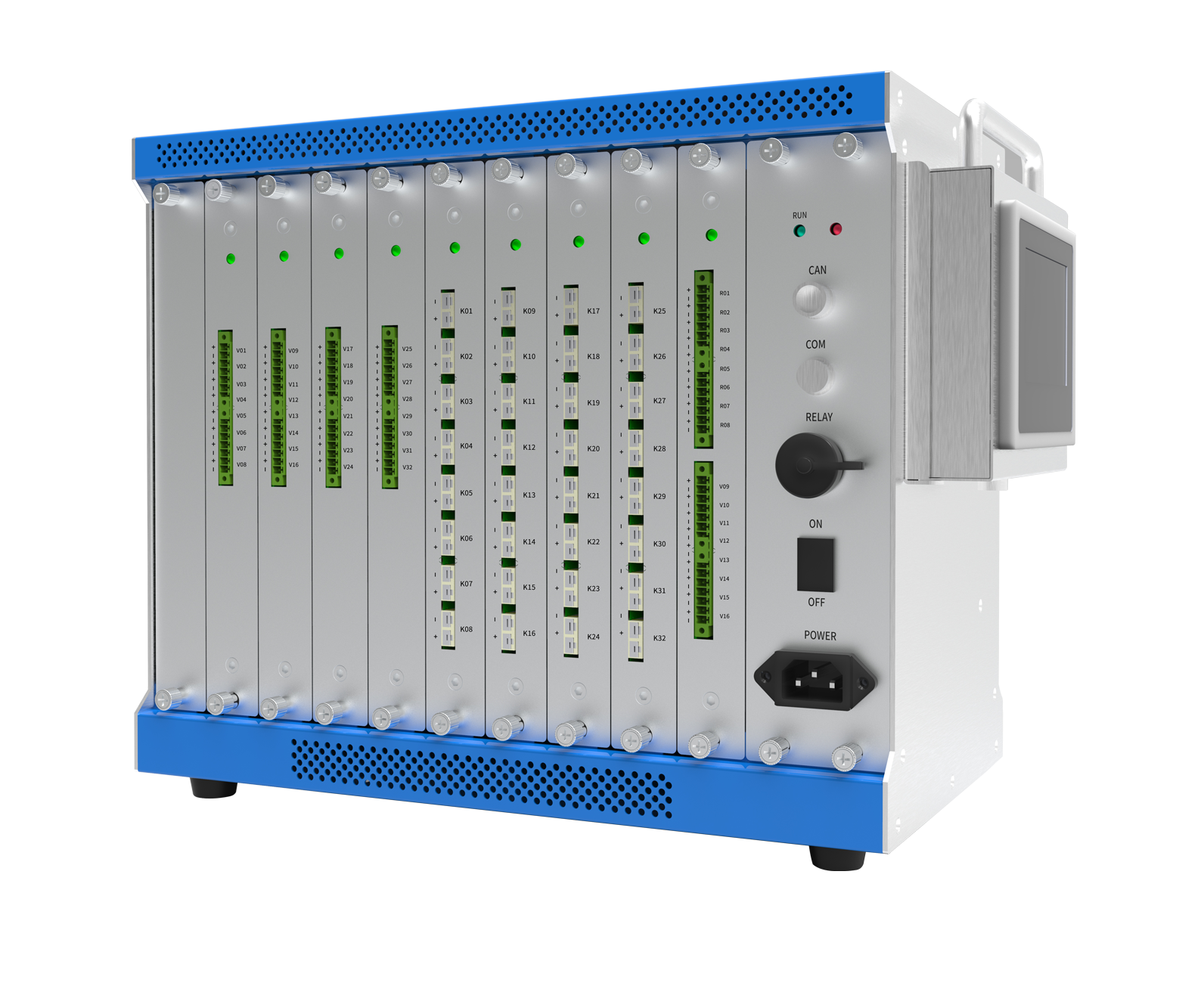
Optional Accessory - Auxiliary Sampling Module
Beijing Soaring Electric Technology Co., Ltd.