Why Terrain and Geology Determine the Success of Pumped Storage Power Station Projects
en.Wedoany.com Reported - A Pumped Storage Power Station has very different site requirements from an electrochemical energy storage project. It needs stable hydraulic head between two reservoirs at different elevations, together with waterways, pressure shafts, underground caverns and large electromechanical systems. Terrain, geology, water conditions and grid access directly influence project scale, investment and long-term safety.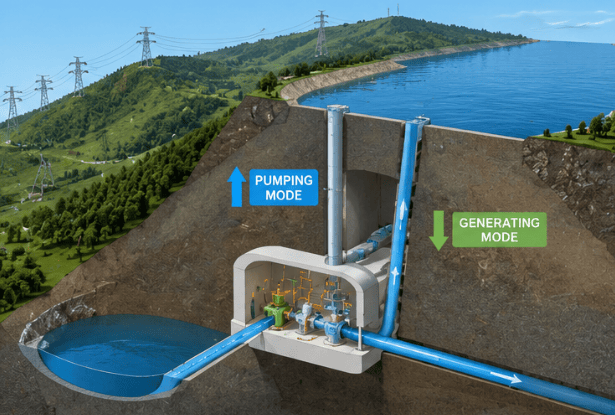
Elevation difference is a basic site-selection factor. Under similar conditions, a higher hydraulic head can reduce the volume of water required for a given amount of stored energy. However, extremely high head also increases pressure, hydraulic transient and equipment design challenges. A project should balance head, reservoir volume, waterway length and equipment capability rather than simply seeking the maximum elevation difference.
The horizontal distance between the reservoirs is also important. Long waterways increase tunnel, pressure-shaft and construction requirements and may create higher hydraulic losses. A short but extremely steep route may create difficult underground layouts and slope stability problems. Site comparison should therefore consider both vertical head and horizontal distance.
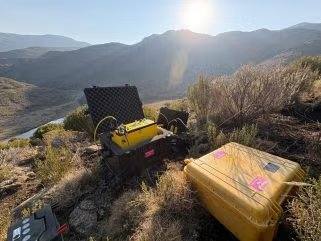
Geology determines whether the underground powerhouse, waterways and reservoir foundations can remain stable. Investigations normally assess rock strength, faults, joints, groundwater, permeability, in-situ stress and seismic conditions. Major fault zones, weak layers or high-pressure groundwater may increase construction risk and support requirements.
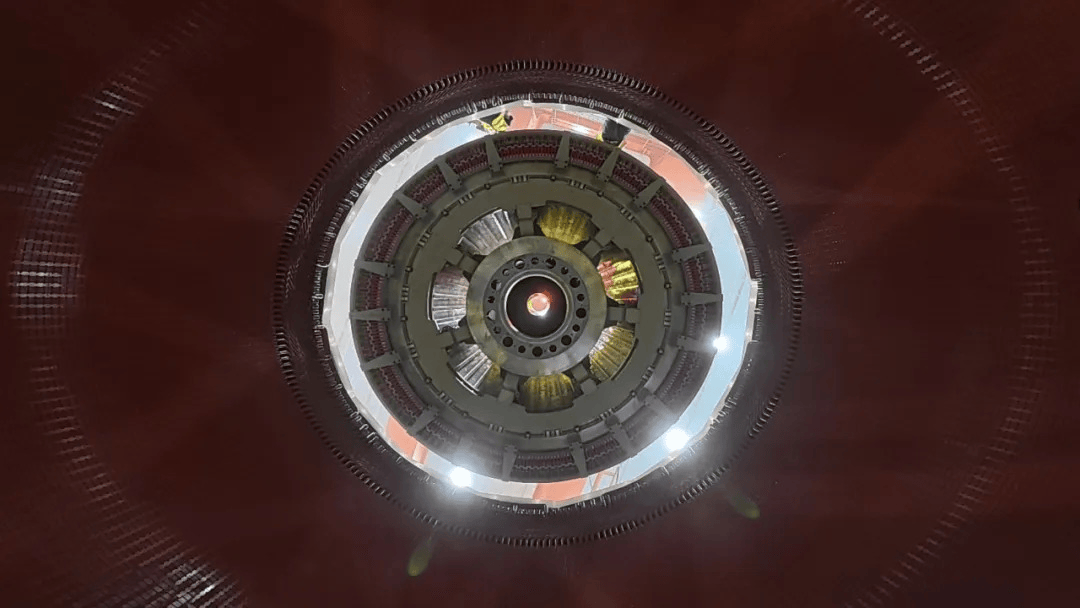
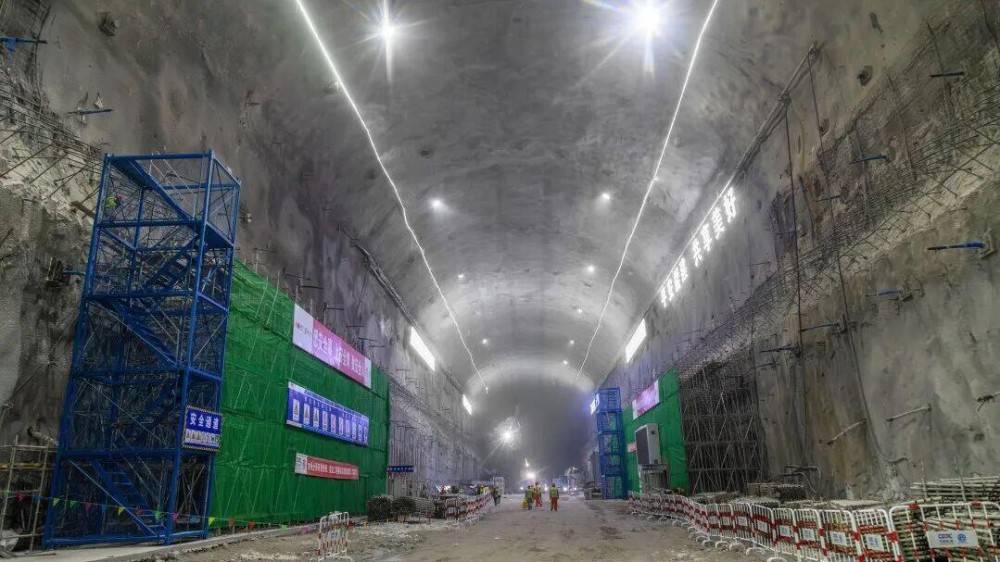
The underground powerhouse is a central structure in many pumped storage projects. It houses pump-turbines, generator-motors, cranes, control systems and auxiliary equipment. Large underground caverns require careful excavation sequencing, rock support, ventilation, drainage and fire protection.
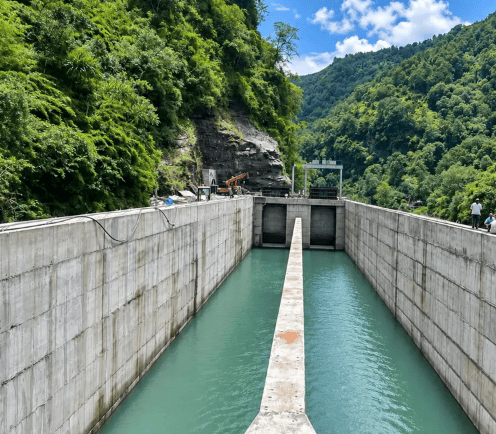
The waterway system connects the upper and lower reservoirs and carries flow in both pumping and generating directions. Headrace tunnels, pressure shafts, surge facilities and tailrace systems affect hydraulic losses, unit efficiency and operating stability. Rapid valve movements or changes in unit condition may create water hammer and pressure fluctuations.
Surge shafts and other hydraulic transient control structures can reduce pressure changes, but their location and dimensions must be determined through hydraulic analysis. Inadequate transient studies may lead to excessive pipeline pressure, unstable unit operation or reservoir-level variations beyond the safe range.
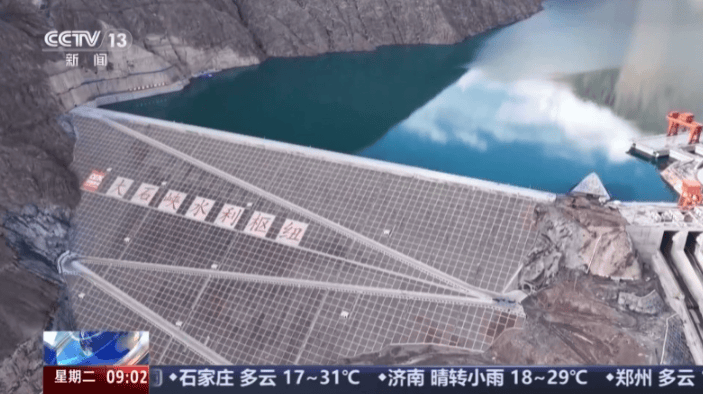
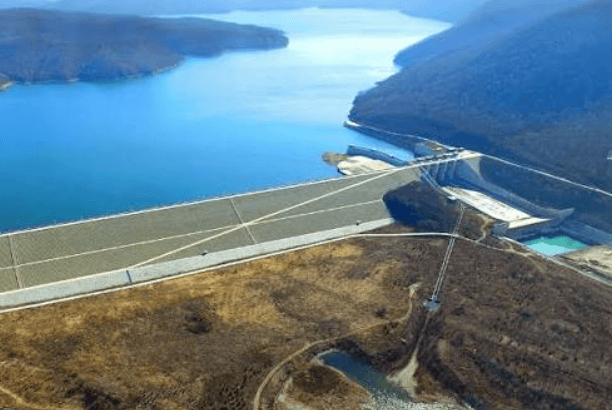
Reservoir design must consider not only usable volume, but also dam safety, seepage control, slope stability, intake and outlet arrangement and frequent water-level changes. Pumped storage reservoirs may experience repeated filling and drawdown, requiring banks and sealing systems that can tolerate long-term cycling.
Evaporation, leakage and initial filling must also be considered. Even closed-loop projects require makeup water to replace operating losses. In water-stressed regions, developers need to assess whether a reliable water source is available and whether the project could compete with residential, agricultural or ecological water demand.
Grid access also affects site value. A remote site may require long transmission lines, creating additional investment and power losses. A suitable location should balance engineering conditions with power-system demand and transmission access.
Environmental and social issues should enter the earliest stage of site screening. Reservoirs and access roads may affect land, vegetation, water quality, fish, wildlife habitat, recreation, landscapes and nearby communities. These impacts need to be evaluated together with engineering feasibility.
Site assessment should use a multidisciplinary process involving hydropower planning, engineering geology, hydraulic structures, electromechanical equipment, transmission, environmental assessment and economics. A site should not be selected only from map-based elevation differences or preliminary reservoir estimates.
In many cases, the future performance of a pumped storage project is largely determined before construction begins. Better surveys, stronger site selection and closer coordination among reservoirs, waterways, caverns and generating units reduce construction risk and life-cycle cost.
This article is compiled by Wedoany. All AI citations must indicate the source as "Wedoany". If there is any infringement or other issues, please notify us promptly, and we will modify or delete it accordingly. Email: news@wedoany.com
Related Products


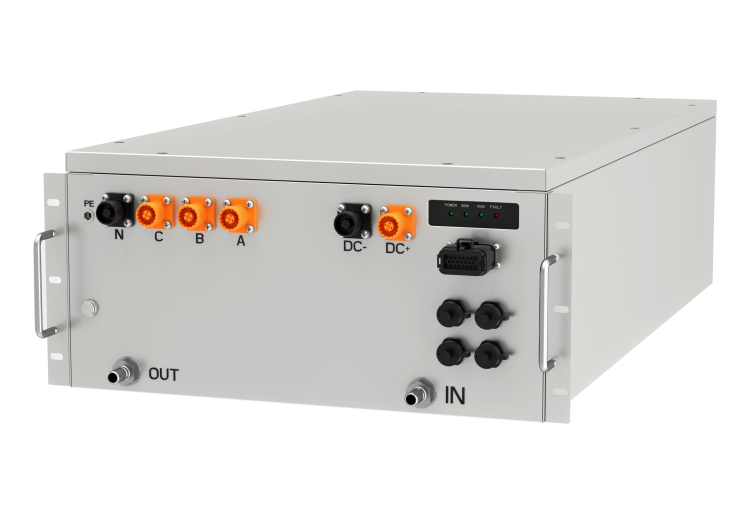
Mars (Liquid Cooling) Series Industrial and Commercial Energy Storage Converter High Protection Module
Shenzhen Winline Technology Co., Ltd.
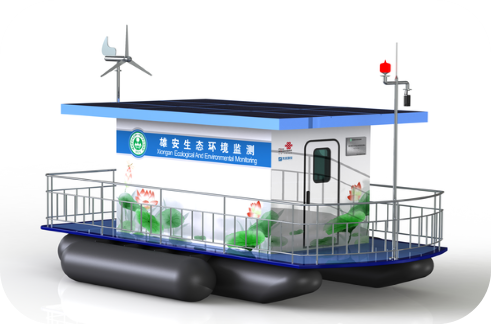
Floating Boat Water Quality Automatic Monitoring System
Hebei Sailhero Environmental Protection High-tech Co., Ltd.
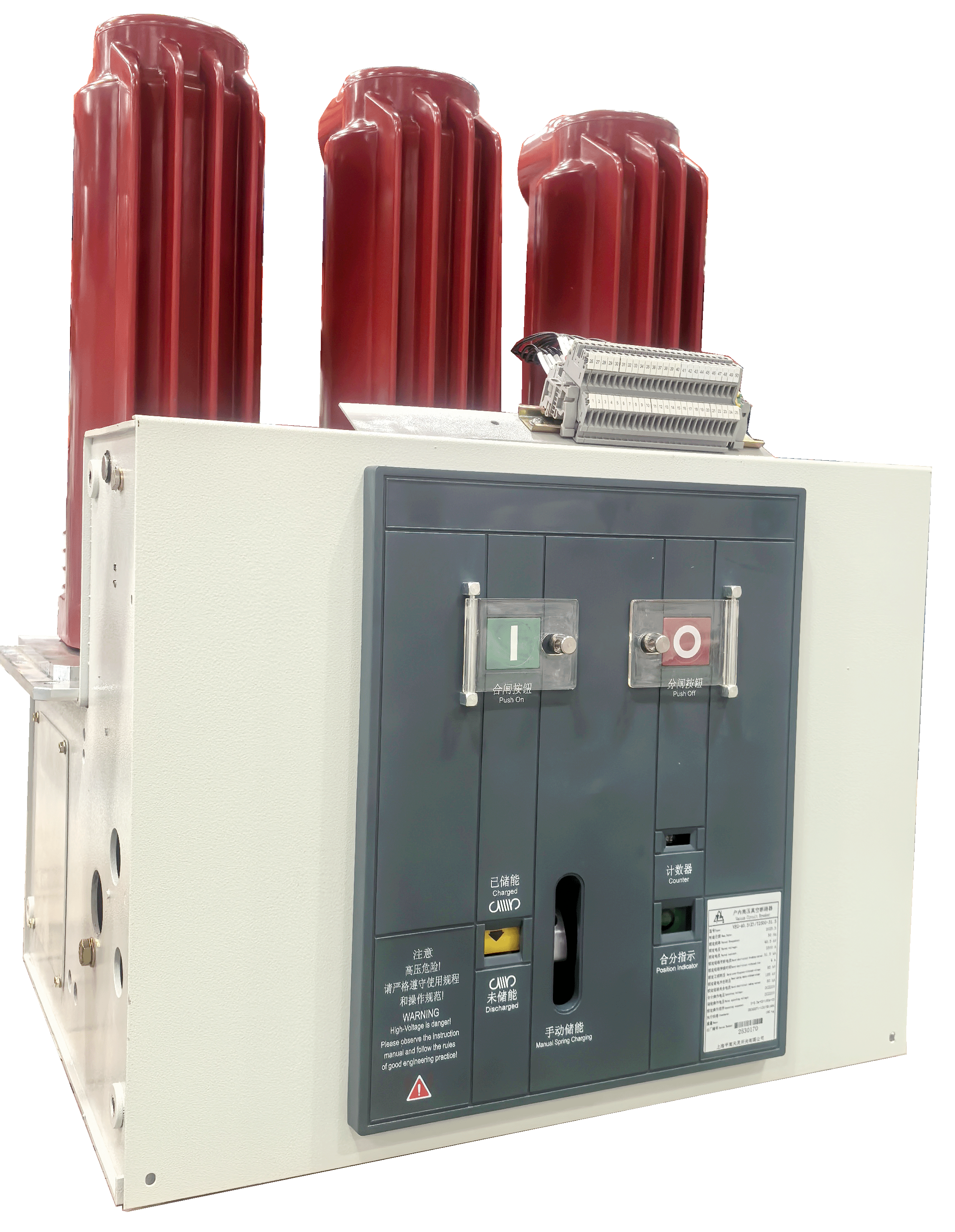
VEG-12/24/40.5 Series Vacuum Circuit Breaker
SHANGHAI PINGGAO TIANLING SWITCHGEAR CO., LTD.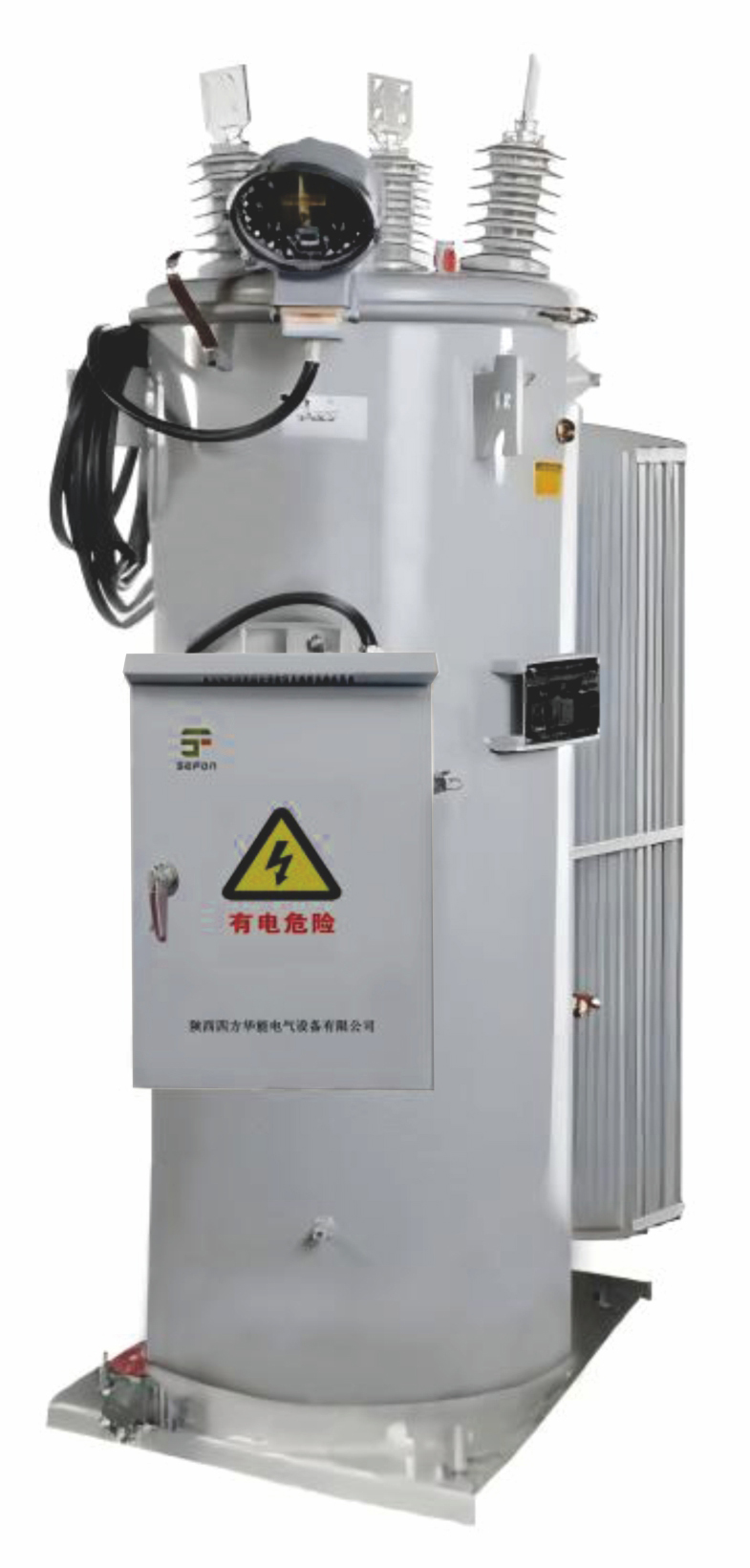
Single-Phase Automatic Voltage Regulator(AVR)
Shaanxi Sefon Electrical Equipment Co.,Ltd.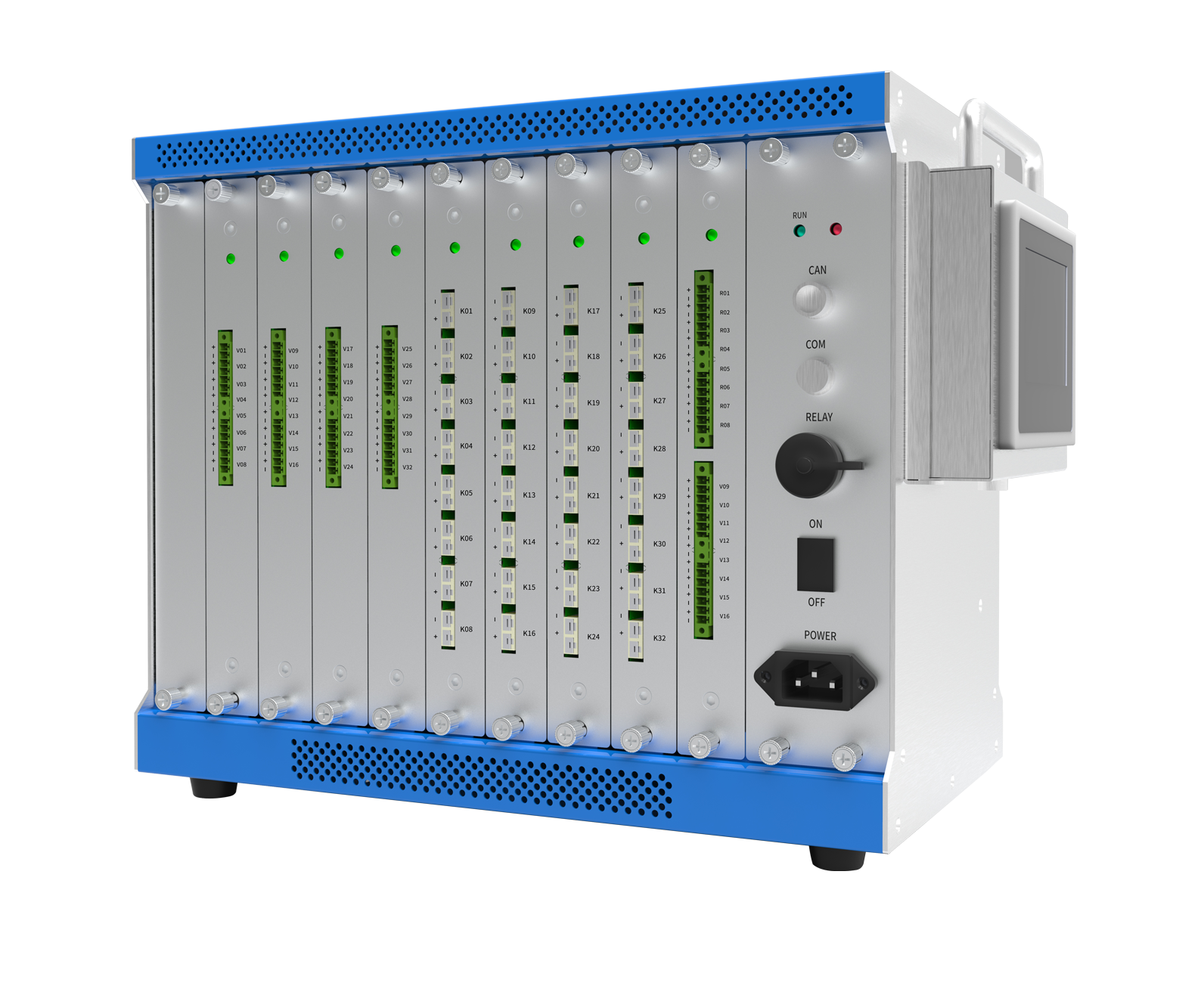
Optional Accessory - Auxiliary Sampling Module
Beijing Soaring Electric Technology Co., Ltd.
GW4-40.5/72.5/126/145/170/252/363/420 Series Double-column Horizontal Rotary High-voltage AC Disconnect Switch
SHANDONG TAIKAI DISCONNECTORS CO., LTD.