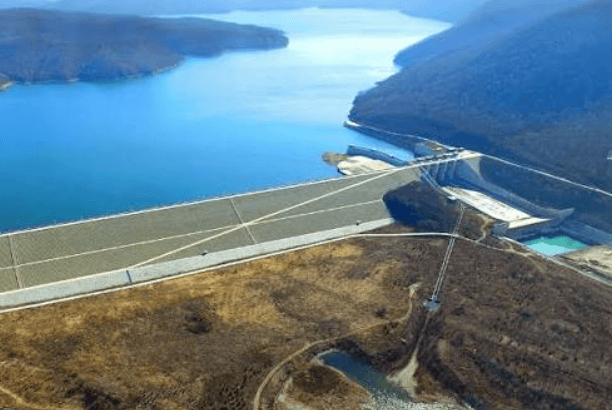
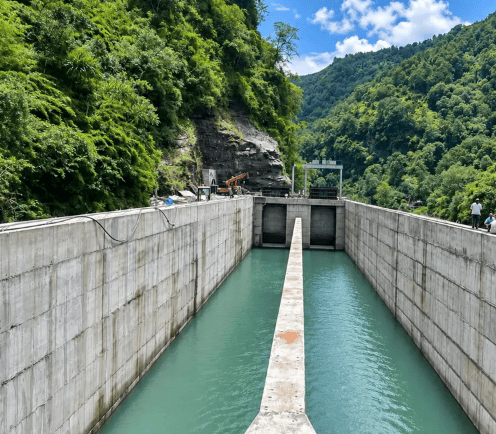
Predictive Maintenance and Cybersecurity Are Essential for Intelligent Hydropower Station Operation
en.Wedoany.com Reported - Hydropower equipment normally involves high investment, long service life and significant consequences when units are unavailable. Conventional time-based maintenance schedules equipment shutdowns at fixed intervals. This supports basic safety, but may result in unnecessary maintenance when equipment is healthy or allow faults to develop between inspections. An Intelligent hydropower station uses condition monitoring and predictive maintenance to improve this approach.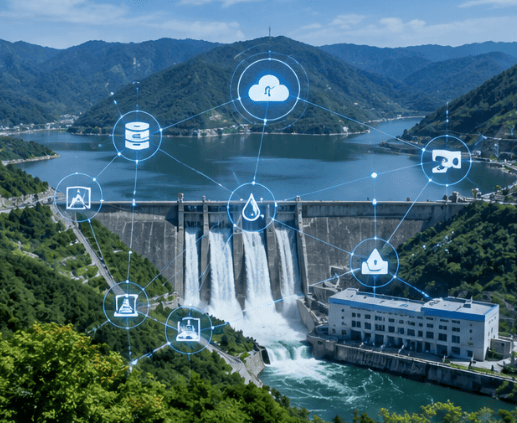
Predictive maintenance determines inspection and repair timing according to actual equipment condition. The system continuously collects vibration, temperature, pressure, rotational speed, shaft movement, partial discharge, oil condition and electrical parameters. These data can be evaluated together with unit load, operating cycles and maintenance history to identify degradation trends.
Turbine runners, guide vanes, shafts, bearings and sealing components experience hydraulic forces, mechanical stress and wear. Cavitation, sediment erosion and unstable hydraulic conditions may change vibration and pressure-pulsation patterns. Trend analysis can help maintenance teams arrange inspection before damage becomes more serious.
Generator stators, rotors, insulation, cooling and bearing systems also require continuous monitoring. Abnormal winding temperature, rotor imbalance, insulation discharge or reduced cooling performance may affect unit reliability. Combining multiple parameters reduces the risk of incorrect decisions based on one alarm.
Main transformers, switchgear, cables and DC systems are important parts of electrical safety. Dissolved gas information, winding temperature, partial discharge, circuit-breaker operating cycles and battery condition can support equipment health assessment and maintenance prioritization.
Intelligent inspection may use robots, drones, machine vision and infrared equipment to examine powerhouses, switchyards, dams and waterways. Drones are useful for high slopes, transmission lines and reservoir shorelines, while robots can enter selected locations that are difficult or risky for personnel to inspect frequently.
Dams and hydraulic structures should also be included in intelligent maintenance. Seepage, displacement, settlement, cracks, water pressure and slope conditions require continuous monitoring. A single reading may not explain asset condition, making long-term trends and relationships among different monitoring points especially important.
Predictive models require high-quality data. Inaccurate sensors, interrupted communication, inconsistent equipment identification or incomplete historical records can produce misleading conclusions. Stations therefore need data validation, instrument calibration, time synchronization and structured asset records.
As hydropower stations connect to dispatching networks, remote maintenance platforms and intelligent devices, cybersecurity becomes increasingly important. Unauthorized access, malicious software, incorrect parameters and communication attacks may affect monitoring data or equipment control. Digital modernization should therefore include network segmentation, identity authentication, access permissions, log auditing and backup recovery.
Control systems should be divided according to production control, asset management and office functions. Critical control instructions require strict authorization. Remote maintenance interfaces should be closed when not in use, while software upgrades, portable storage devices and third-party access require controlled procedures.
Intelligent maintenance should also connect with work-order and spare-parts systems. When abnormal bearing temperature or changing circuit-breaker condition is detected, the platform can generate a maintenance task, connect equipment documents and fault history, check spare-parts inventory and record the completed repair.
Hydropower operators should begin intelligent modernization with critical equipment, assets with high failure consequences and locations that are difficult to inspect manually. Sensor reliability, diagnostic accuracy and maintenance benefits should be verified before the monitoring scope is expanded.
The purpose of intelligent maintenance is not to replace human expertise completely. It is to make maintenance decisions more precise, timely and traceable. Predictive maintenance improves asset availability, while cybersecurity protects the reliability of digital operations. Together, they determine the long-term value of an intelligent hydropower station.
This article is compiled by Wedoany. All AI citations must indicate the source as "Wedoany". If there is any infringement or other issues, please notify us promptly, and we will modify or delete it accordingly. Email: news@wedoany.com
Related Products

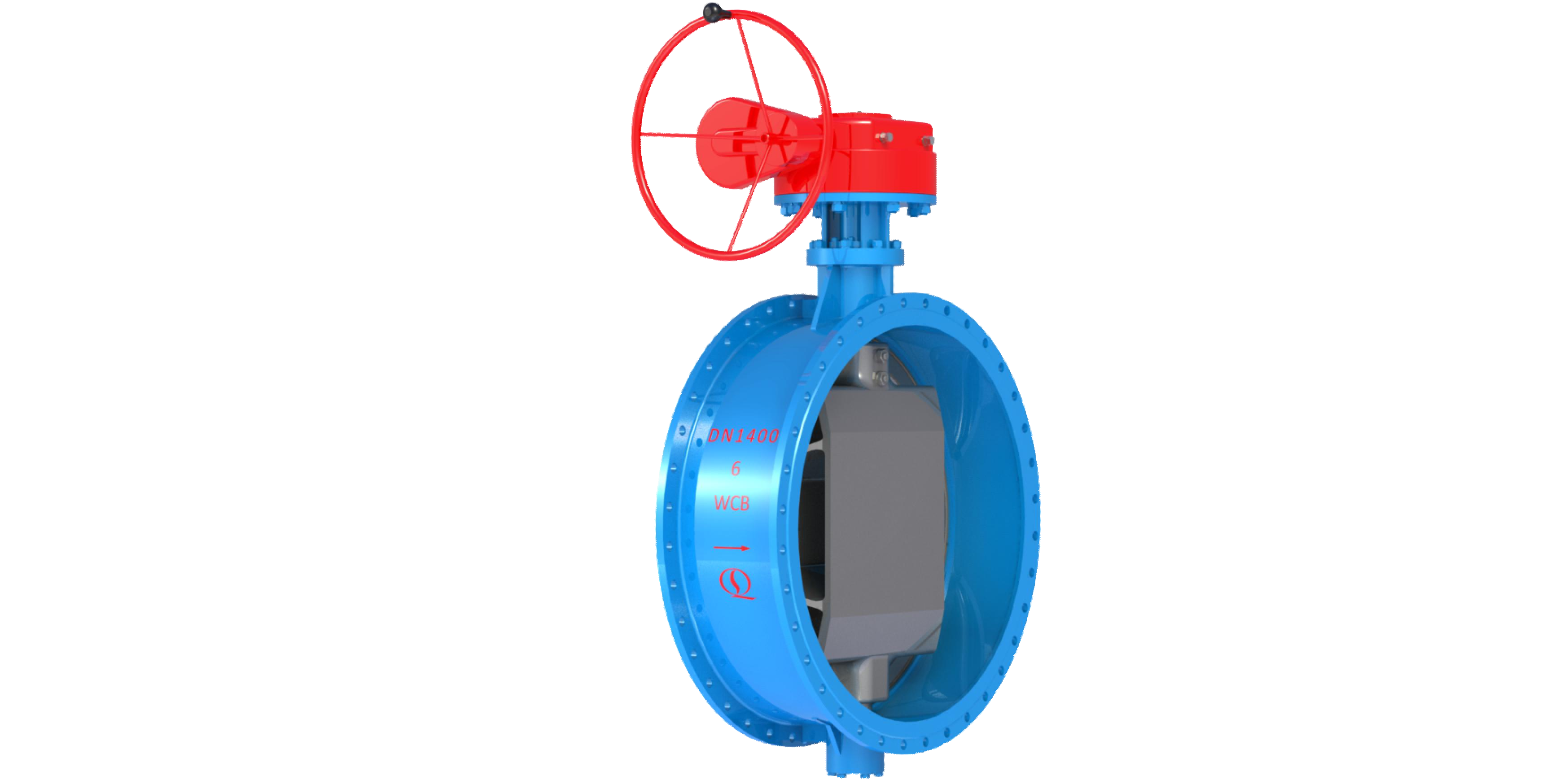
Bidirectional Metal Hard Sealed Seawater Butterfly Valve
Henan Quanshun Flow Control Science & Technology Co., Ltd.
Industrial and Commercial Point-Type Gas Detector
Jinan Benan Technology Development Co., Ltd.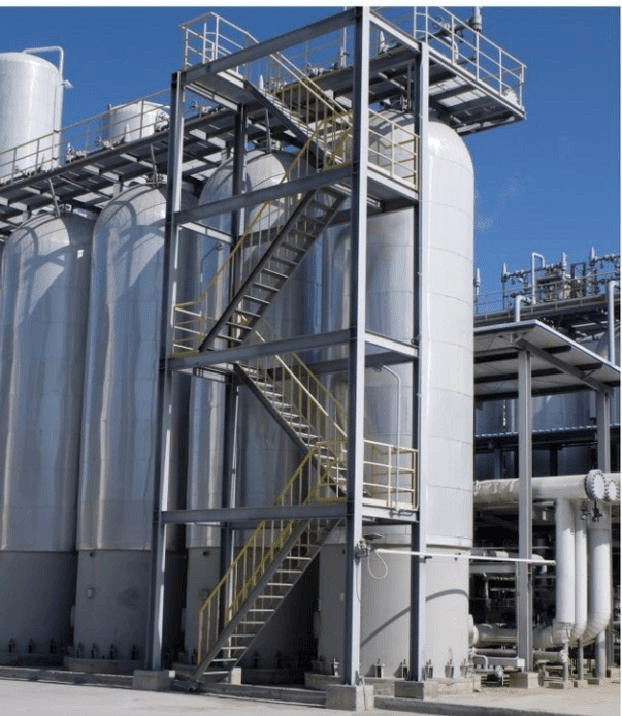
Hydrogen Production Technology: Hydrogen Purification by Pressure Swing Adsorption
Chengdu Yizhi Technology Co., Ltd.
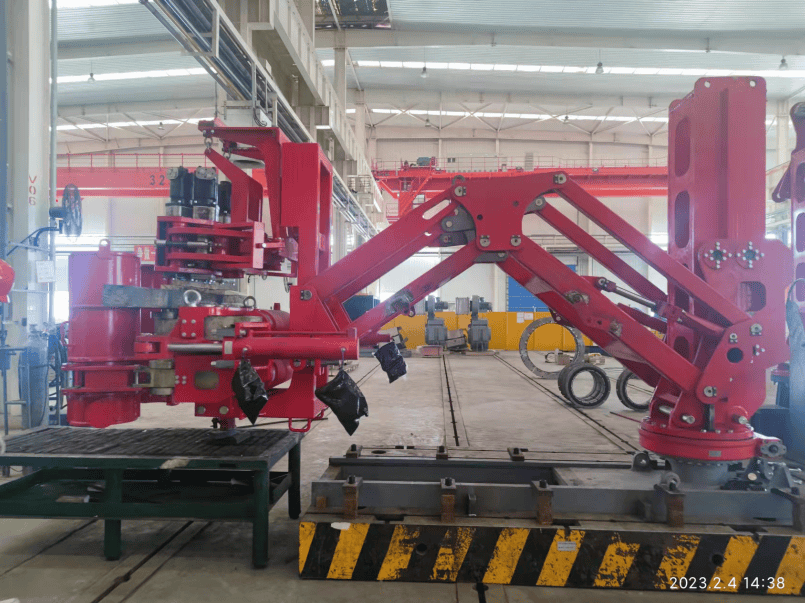

Prefabricated Houses and Electrical Energy Boxes
Chengdu Ruilong Machinery Manufacturing Co., Ltd.