en.Wedoany.com Reported - A Pumped Storage Power Station is a large-scale energy storage facility that stores and releases electricity through differences in water elevation. When electricity demand is low or renewable generation is abundant, the station uses electricity to pump water from a lower reservoir to an upper reservoir. When electricity demand rises or the grid requires rapid balancing, water is released through turbines and generators to produce power.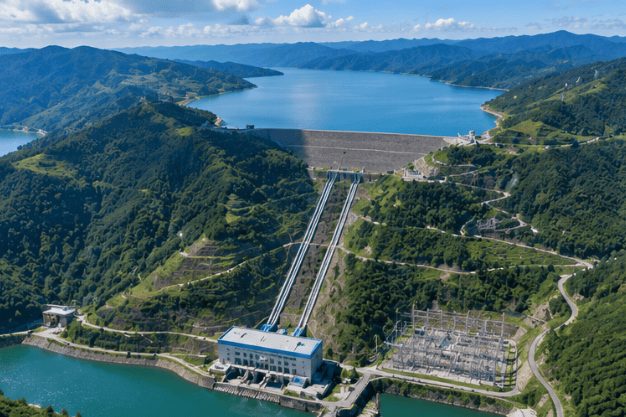
A pumped storage station does not create new energy. It converts electricity into the gravitational potential energy of water and converts that stored energy back into electricity when required. Because hydraulic, mechanical and electrical losses occur during pumping and generation, the electricity delivered is lower than the electricity consumed during pumping. Its value, however, is not limited to conversion efficiency. It can shift electricity across time and provide rapid, controllable grid flexibility.
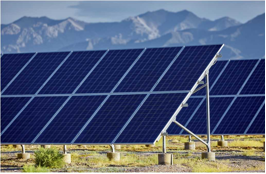
In a conventional electricity system, thermal power, nuclear power and large hydropower plants provide much of the generation, while flexible units follow changes in demand. As wind and solar capacity increases, generation patterns become more variable. Solar output may create surplus electricity around midday, while evening demand can remain high after photovoltaic production declines.
Pumped storage can absorb surplus electricity by pumping water to the upper reservoir and later generate electricity during high-demand periods. In addition to peak shifting, the station can support frequency regulation, operating reserves, reactive power management and emergency response, improving the ability of the grid to manage changing loads and equipment outages.
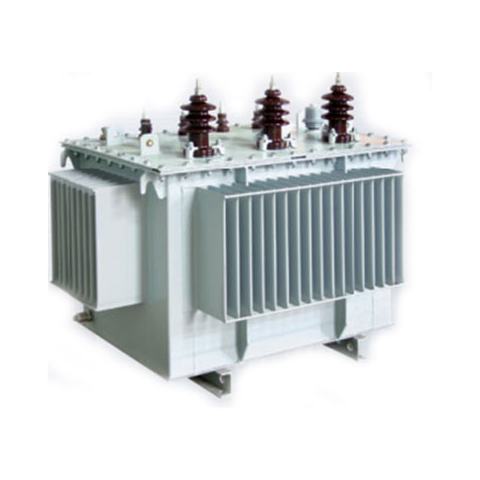
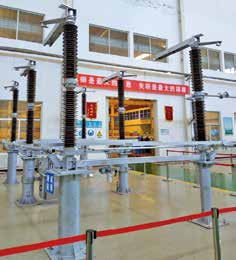
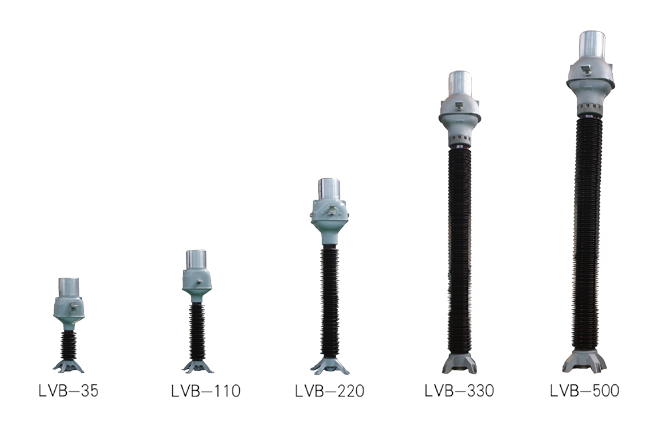
A complete facility normally includes an upper reservoir, a lower reservoir, waterways, an underground or surface powerhouse, reversible pump-turbines, generator-motors, main transformers, switchyards and control and protection systems. The elevation difference between the reservoirs determines the available hydraulic head, while usable reservoir volume influences the duration of pumping and generation.
Pumped storage projects may use open-loop or closed-loop configurations. Open-loop systems are connected to a naturally flowing water body, while closed-loop systems generally circulate water between reservoirs with limited direct connection to natural rivers. These configurations differ in water conditions, environmental impacts, engineering layout and permitting requirements.
Fast response is one of the important advantages of pumped storage. When demand changes suddenly, a major generator disconnects or renewable output varies rapidly, the units can adjust their operating condition and power according to grid instructions.
However, pumped storage is not suitable for every location. Projects require appropriate elevation differences, geological conditions, water availability and grid access. Construction may involve reservoirs, dams, tunnels, underground caverns and transmission facilities, leading to substantial survey, permitting and construction requirements.
Project economics should not be evaluated only through the difference between off-peak and peak electricity prices. Pumped storage can provide capacity, ancillary services, peak regulation, energy-market participation and renewable integration. If market mechanisms do not recognize these services properly, project revenue may not fully reflect system value.
Planning should begin with power system requirements. Developers should analyze future renewable generation and variability, identify peak regulation and reserve needs, evaluate the distance between the site and the main grid, determine suitable power and storage duration, and assess both electricity-market revenue and grid-service value.
Overall, a pumped storage power station is not simply a modified conventional hydropower plant. It is large-scale storage infrastructure connecting generation resources, electricity networks and renewable energy. As variable generation increases, its value will increasingly come from flexibility, long-duration storage and grid security.
This article is compiled by Wedoany. All AI citations must indicate the source as "Wedoany". If there is any infringement or other issues, please notify us promptly, and we will modify or delete it accordingly. Email: news@wedoany.com