en.Wedoany.com Reported - Metalsource Mining Inc. (MSM:CSE; SFRIF:OTC; E9Z:FSE) reported that the latest drilling results from the Silver Hill project in North Carolina have significantly extended the high-grade mineralization zone beyond historical mining areas, providing new data on the geometry of the polymetallic system.
The company released assay results for holes SH26-17 and SH26-18 from its ongoing exploration program. Hole SH26-18 returned mineralization grading 245 g/t silver equivalent (AgEq) over 11.83 meters, including intervals of 833 g/t AgEq over 1.40 meters and 1,580 g/t AgEq over 0.64 meters. This hole extends the mineralization approximately 28 meters south of the previously reported SH26-08 hole.
Hole SH26-17 tested the northern edge of a recently identified high-grade zone, intersecting the target horizon at depths of 185.59 to 185.75 meters with a combined lead-zinc grade of 14.3%. The company believes this result indicates that the mineralization zone remains open to the north, with local variations in width and grade.
Hole SH26-18, drilled as a 28-meter step-out from SH26-08, aimed to verify mineralization continuity and the recently defined high-grade down-dip extension zone. The company reported a combined lead-zinc grade of 32.5% and a gold grade of 13.8 g/t over the interval from 199.40 to 200.04 meters, stating that these results enhance confidence in tracking mineralization along the down-dip direction.
Metalsource Mining CEO Joe Cullen said in a company press release that these results are significant as they continue to demonstrate continuity within the system while validating the company's evolving geological model. He noted that Hole SH26-18 successfully extended approximately 28 meters from Hole SH26-08 and encountered the same type of strong silver, gold, lead, and zinc mineralization, increasingly convincing the team that they are tracking a coherent high-grade mineralization zone rather than isolated pockets.
The company stated that these results continue to deepen the understanding of deposit geometry, grade variations, and the direction of high-grade down-dip mineralization within the larger polymetallic system. Metalsource also noted that multiple assay results from the current drilling campaign remain pending.
Analytical testing was conducted by ALS Geochemistry in Reno, Nevada, and ALS Canada in Vancouver, British Columbia. The company stated that the exploration results remain preliminary in nature and are insufficient to define mineral resources, requiring additional drilling to determine mineralization continuity, geometry, and grade distribution.
The Street reported on June 20 that analysts Lina Thomas and Daan Struyven revised their gold price outlook following the Federal Reserve's latest policy decision. They no longer expect rate cuts this year and lowered their expectations for gold exchange-traded fund inflows, but still described the outlook as "structurally bullish but tactically cautious, with downside risks in the short term and upside risks in the medium term." The Street also reported that official institutions purchased a net 19 tonnes of gold in April, with approximately 45% of central banks surveyed by the World Gold Council indicating plans to continue increasing gold reserves over the next year.
FOREX.com analyst Matt Simpson said in a market analysis on June 23 that gold is heading for a fourth consecutive monthly decline, but some indicators suggest selling pressure is easing. He noted that gold remains above the $4,000 level, total short positions held by managed funds have fallen to their lowest since 2022, and short positions held by large speculators are at their lowest since January. Open interest has reportedly increased slightly in recent weeks, suggesting potential accumulation as gold holds steady above $4,000.
Yahoo Finance reported on June 24 that gold futures fell more than 3%, trading below $4,000 per ounce, as the U.S. dollar strengthened and investors awaited the release of the Federal Reserve's preferred inflation indicator, the Personal Consumption Expenditures index. Saxo Bank Head of Commodity Strategy Ole Hansen said that rising bond yields, a stronger U.S. dollar, and expectations that policy rates may remain high for an extended period continue to challenge investor interest in non-yielding assets. Hansen also noted that the $4,000 to $4,100 range remains critical, and a sustained break below this range could trigger a new wave of selling. Gold has fallen approximately 24% since late February.
Peter Krauth noted in a June 24 analysis that silver fell from about $71 to $69 following the Fed's June meeting, then further to $67, and was trading at approximately $61.50 at the time of writing. Krauth stated that he does not believe this weakness is over and views current levels, and potentially lower ones, as buying opportunities. He expects silver to resume its uptrend once the current period of weakness ends, and investors may increasingly focus on silver producers as they continue to report strong profits in coming quarters.
Bob Moriarty of 321gold.com discussed Metalsource Mining's ongoing drilling program at the Silver Hill project in North Carolina in a June 11 commentary. Moriarty noted that the company continues to deliver results from the program, highlighting a drill intercept of 434 g/t silver equivalent over 10.64 meters, including 2,050 g/t silver equivalent over 1.52 meters. The hole reportedly extends the deposit 195 meters down-dip, with assay results from approximately a dozen additional holes still pending.
Metalsource stated that results from many holes in the current exploration campaign remain pending, including holes designed to test mineralization extensions along strike, down-dip, and at depth. The company is advancing plans to secure additional drill rigs to accelerate testing of known mineralization and newly identified exploration targets. Metalsource also indicated it is evaluating opportunities to expand its land position in prospective areas identified through geological and geophysical analysis.
The company continues to integrate recently completed induced polarization survey results with ongoing drilling data and historical datasets. According to Metalsource, early interpretations suggest potential additional exploration opportunities beyond the currently defined mineralization footprint, with follow-up work underway to refine and prioritize future drill targets. Metalsource stated it is advancing the next phase of exploration through initiatives aimed at accelerating exploration and assessing the broader potential of the Silver Hill area. The company added that drilling, geophysical work, and geological interpretation continue to guide future exploration and target generation.
An accompanying corporate presentation shows that Silver Hill is located on a 1,225-acre property in Davidson County, North Carolina, with Phase 1 drilling extending high-grade precious and base metal mineralization 195 meters down-dip. The presentation also outlines ongoing down-dip drilling below the historic 1000 level, strike extension drilling, updated 3D modeling, and advanced geophysical work as part of the project's exploration program.
This article is compiled by Wedoany. All AI citations must indicate the source as "Wedoany". If there is any infringement or other issues, please notify us promptly, and we will modify or delete it accordingly. Email: news@wedoany.com
Related Products
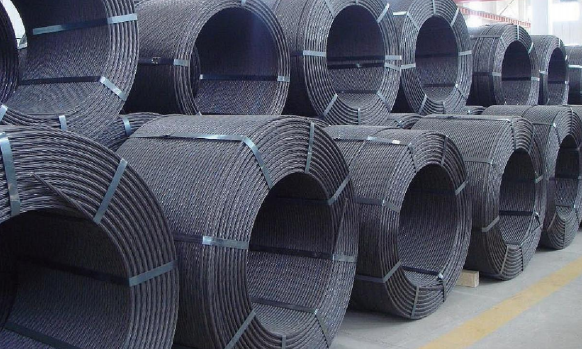

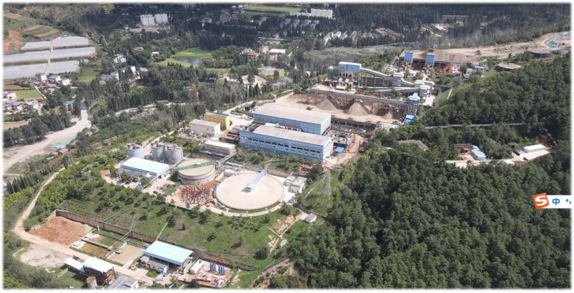
Yunnan Phosphorus Chemical Group Co., Ltd. 2 Million t/a Phosphorus Ore Mining and Beneficiation Project
China Bluestar Lehigh Engineering Corporation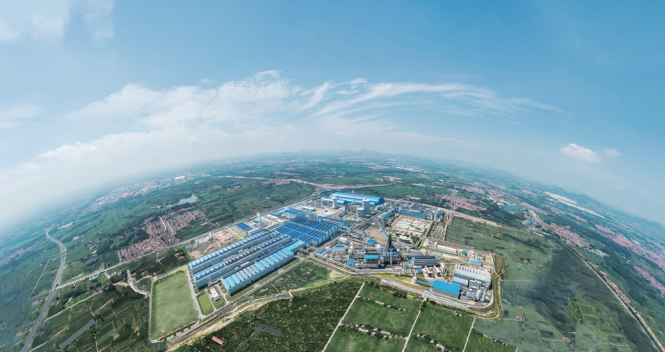
Linyi Steel Investment Special Steel 2.7 Million Tons per Year High-quality Special Steel Project
Capital Engineering & Research Incorporation Limited
Mine Explosion-proof and Intrinsically Safe Industrial Ethernet Ring Network (10 Gigabit/Gigabit)
Chongqing Mas Sci&Tech Co., Ltd.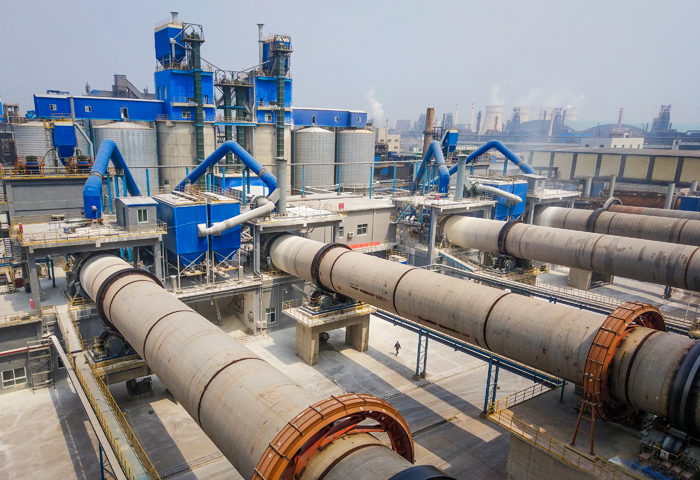
CITIC Heavy Industries Metallurgical Equipment Steel Smelting Engineering Equipment
CITIC Heavy Industries Co., Ltd.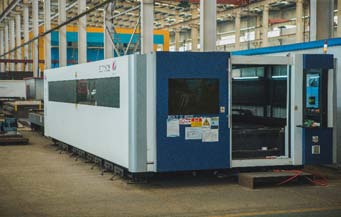
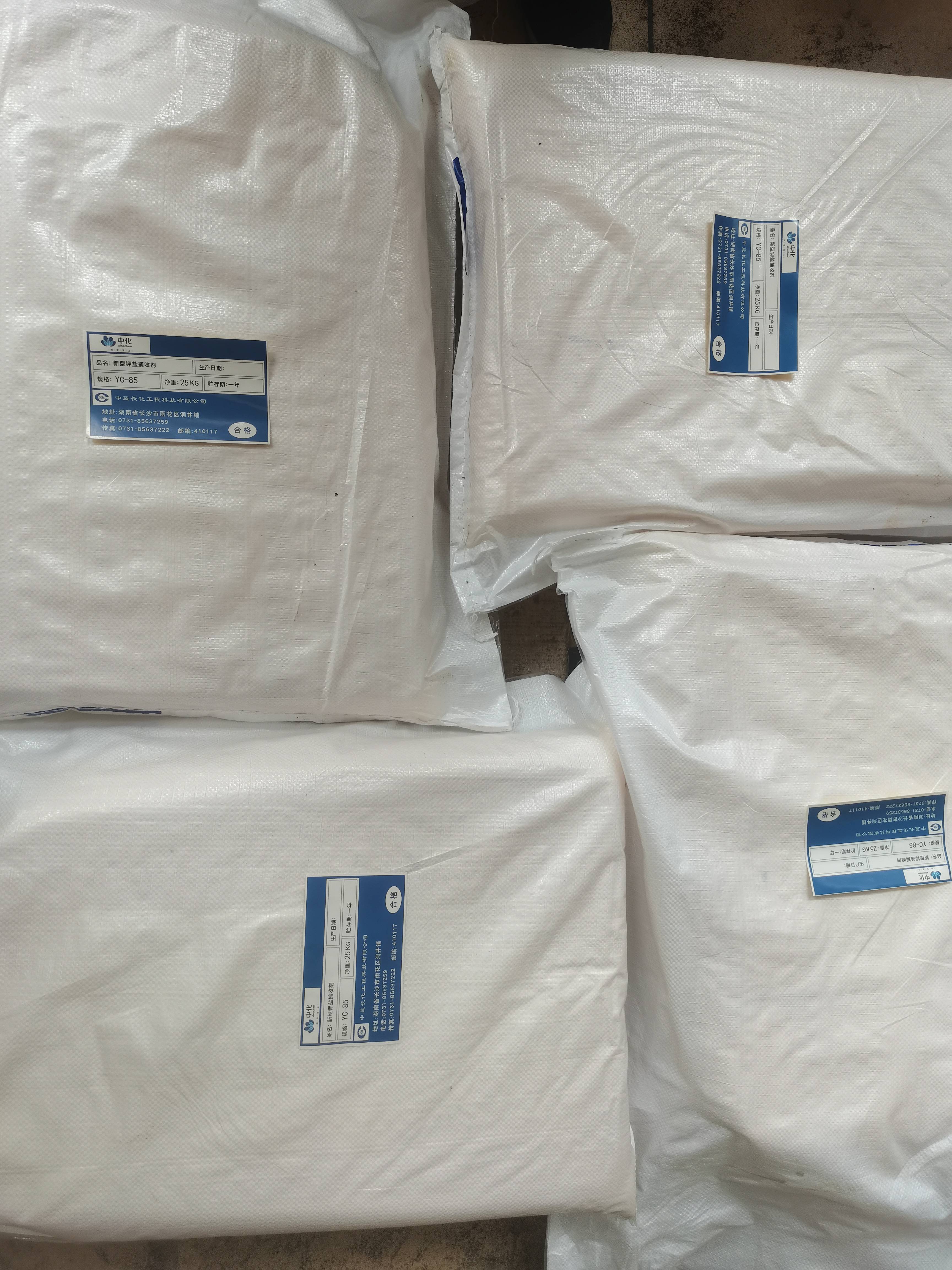
New Environmentally Friendly Green Potassium Salt Collector
Chonfar Engineering and Technology Co., Ltd.


Comprehensive Mining Automation Control System
Beijing Tianma Intelligent Control Technology Co., Ltd.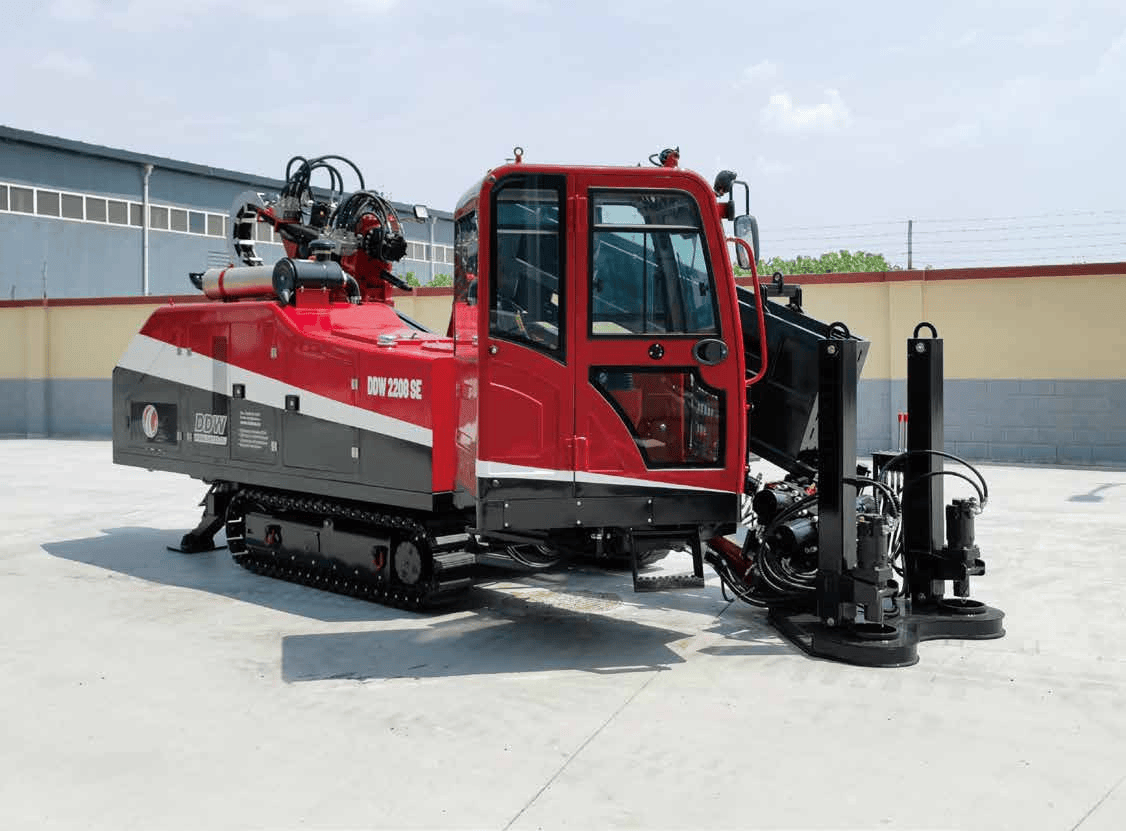
DDW22/08SE-HORIZONTAL DIRECTIONAL DRILL
DW/TXS Construction Equipment (Beijing) Co., Ltd.