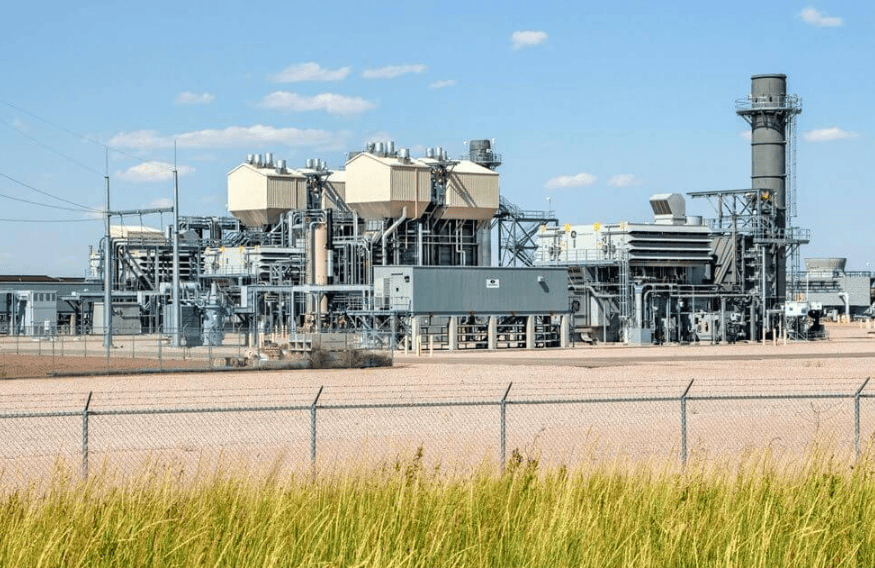
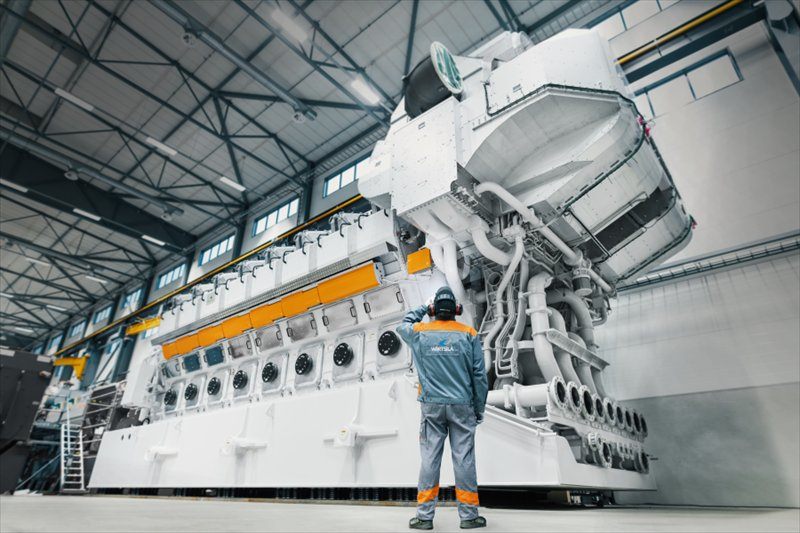
Chilean Court Hears Environmental Update Appeals for Angamos 600MW Thermal Power Plant
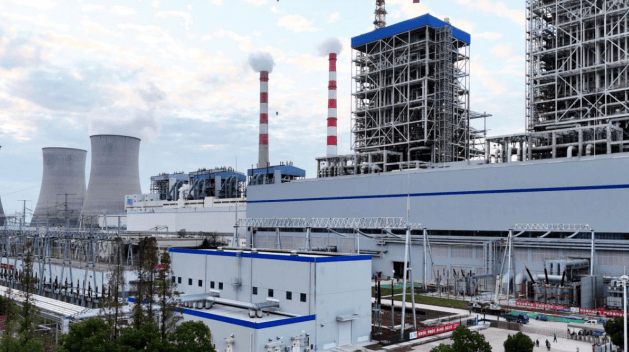
en.Wedoany.com Reported - Chile's First Environmental Court (Primer Tribunal Ambiental) recently heard two judicial appeals against a resolution by the Committee of Ministers (Comité de Ministros) concerning the review of the Environmental Qualification Resolution (RCA) for the Angamos Thermal Power Plant (Central Termoeléctrica Angamos). The appeals were filed by residents of the town of Mejillones and by observers of the plant's environmental review process, respectively, with the plant located in the Antofagasta Region (Región de Antofagasta).
The appellants challenged the authority's decision, demanding mitigation, remediation, or compensation measures for the plant's operations, arguing that it had not adequately addressed environmental impacts related to atmospheric composition, the marine environment, and climate change. In the first appeal (Case No. R-153-2026), Marcos Emilfork, lawyer for residents Manuel Carvajal and Saba Galindo, argued that substantial changes in atmospheric composition had occurred due to carbon dioxide, PM2.5, and black carbon emissions, which impact climate change, and that the current plan lacked corresponding mitigation, remediation, or compensation measures.
The second appeal, filed by observers María José Kaffman, María Sará Larraín, and Felipe Moreno, represented by lawyer Santiago García, argued that the consequences of the current RCA should be reviewed in terms of regulatory and environmental evolution, and that the contested resolution failed to adequately address changes related to atmospheric emissions, climate change, and marine environment parameters.
Juan de Dios Montero, lawyer for the Executive Directorate of the Environmental Assessment Service (SEA) and the Committee of Ministers, requested the dismissal of both appeals. The SEA argued that a previous Supreme Court ruling requiring the review process to consider climate change variables had been complied with. The Committee of Ministers' decision was based on the technical background in the file, opinions from environmental authorities, and commitments made by the project owner to address operational impacts. These commitments include constructing a photovoltaic power plant, fulfilling a green tax, and early closure of the coal-fired power plant. The SEA considered ceasing coal-fired operations as a significant measure to address climate change impacts. Regarding the marine environment, relevant variables were included in the review process and assessed based on technical background, with corrective measures established only for residual free chlorine.
Benjamín Muhr, lawyer representing Eléctrica Angamos SpA, also requested the dismissal of the appeals. The defense noted that, under Article 25 quinquies, the power to modify the RCA is exceptional and can only be exercised when the conditions stipulated by law are met. The company argued that the review process confirmed no substantial changes in environmental variables except for one, and that sufficient commitments had been made for that variable.
The RCA review process was initiated in 2020 following claims by multiple actors of substantial changes in environmental variables, particularly the marine environment and atmospheric emissions. In January 2024, the Antofagasta Evaluation Commission partially modified RCA N°290/2007, determining a substantial change in residual free chlorine from cooling system discharges. The Committee of Ministers dismissed the administrative appeal on January 19, 2026, but proactively incorporated new requirements, including optimizing the environmental monitoring plan, a new water quality model under climate change scenarios, and a study on benthic species inhalation.
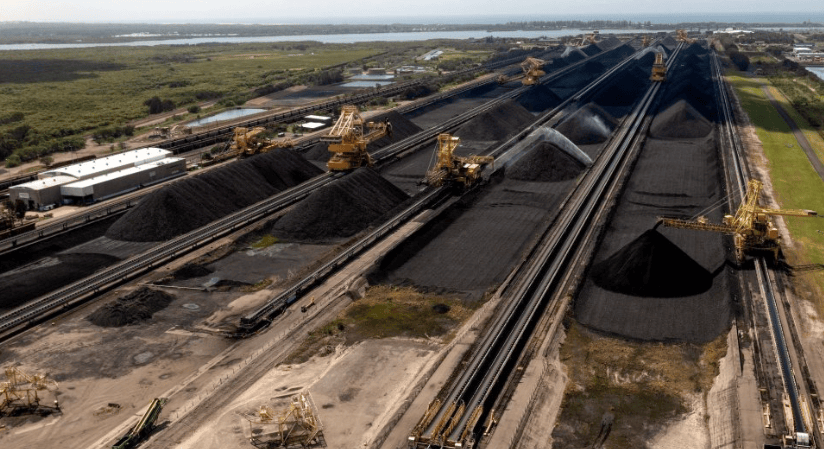
The Angamos Thermal Power Plant was approved in 2007 to operate four 150 MW thermal units, with a total installed capacity of 600 MW, using coal as the primary fuel and fuel oil as backup. The case is also related to the Alba project, developed by Eléctrica Angamos SpA (a subsidiary of AES Gener), aimed at converting the plant by replacing coal with a solar salt system. This initiative has received environmental approval, with related appeals upheld by the First Environmental Court and the Supreme Court.
This article is compiled by Wedoany. All AI citations must indicate the source as "Wedoany". If there is any infringement or other issues, please notify us promptly, and we will modify or delete it accordingly. Email: news@wedoany.com
Related Products
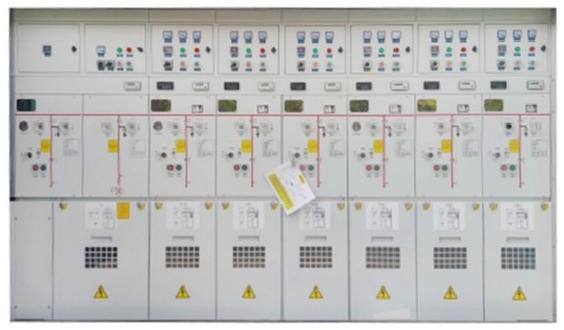

NISELA Series Environmentally Friendly Gas-Insulated Ring Main Unit
XJ DELISHIER ELECTRIC CO., LTD.






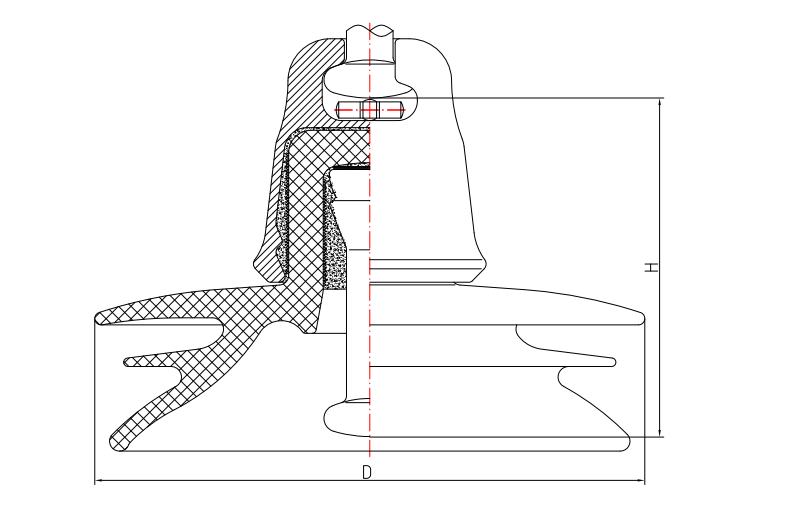
Post-type AC Pollution-resistant Disc Suspension Porcelain Insulator (Triple Umbrella Type)
Shandong High Voltage Insulator Co., Ltd.
CAP1400 main feedwater flow nozzle flowmeter.
Jiangsu Hongda Instrument Technology Co., LTD.