Spain's Economy Minister Cuerpo Halts €9 Billion Capacity Market Over Electricity Bill Cost Concerns
en.Wedoany.com Reported - Spain's First Deputy Prime Minister and Minister of Economy, Trade and Enterprise, Carlos Cuerpo, has halted the launch of the new capacity market, citing uncertainty over natural gas price trends, instability in the Middle East, and concerns that this mechanism—which provides subsidies to combined-cycle plants and energy storage—could impose additional costs on citizens' electricity bills.

The European Commission had previously approved Spain's new capacity market plan. Under the original schedule, the team of Minister for Ecological Transition and Demographic Challenge Sara Aagesen planned to launch the first capacity auction this summer and complete the administrative procedures to approve the new market by July. The mechanism is now delayed with no clear date, leaving the industry puzzled after counting on new revenue from ensuring electricity supply.
Energy market volatility has raised alarm at the Ministry of Economy's headquarters on Paseo de la Castellana. Against a backdrop of natural gas prices at €60/MWh, this new tool designed to revitalize combined-cycle plants could push consumer costs higher than expected. According to sources obtained by El Periódico de la Energía, Cuerpo and his team have conveyed these concerns to the Ministry for Ecological Transition, requesting an assessment of the capacity mechanism's impact on consumer bills under different electricity price levels.
The Almaraz nuclear plant is another key variable. Beyond the suspensions already seen in June and July, the government has now decided to keep the Almaraz nuclear plant in Extremadura operational until 2030. According to El Economista, the continued operation of the plant's two reactors significantly alters the assumptions previously used for scenarios of generating capacity and reliable capacity; these scenarios underpinned the coverage analysis used to justify the need for this €9 billion support mechanism to the European Commission.
If Almaraz remains operational, combined-cycle generation will decrease by 7% over the next 3 to 4 years, with a full impact on these plants, which are the main beneficiaries of the capacity mechanism. According to the newspaper, this change will at least force a review of the parameters used to determine the scale of future capacity auctions and may require updating the adequacy (supply security) analyses used to date. None of the previous analyses considered a scenario in which Almaraz would be decommissioned within two years.
The combination of these factors will further delay a mechanism that has been in the works for years and was designed to secure Brussels' approval. The mechanism was approved by the European Commission at the end of May last year. Both within the industry and at the ministry led by Aagesen, there is confusion as to why Cuerpo is halting this capacity market now, after so much effort had been invested.
Related Products


Floating Boat Water Quality Automatic Monitoring System
Hebei Sailhero Environmental Protection High-tech Co., Ltd.
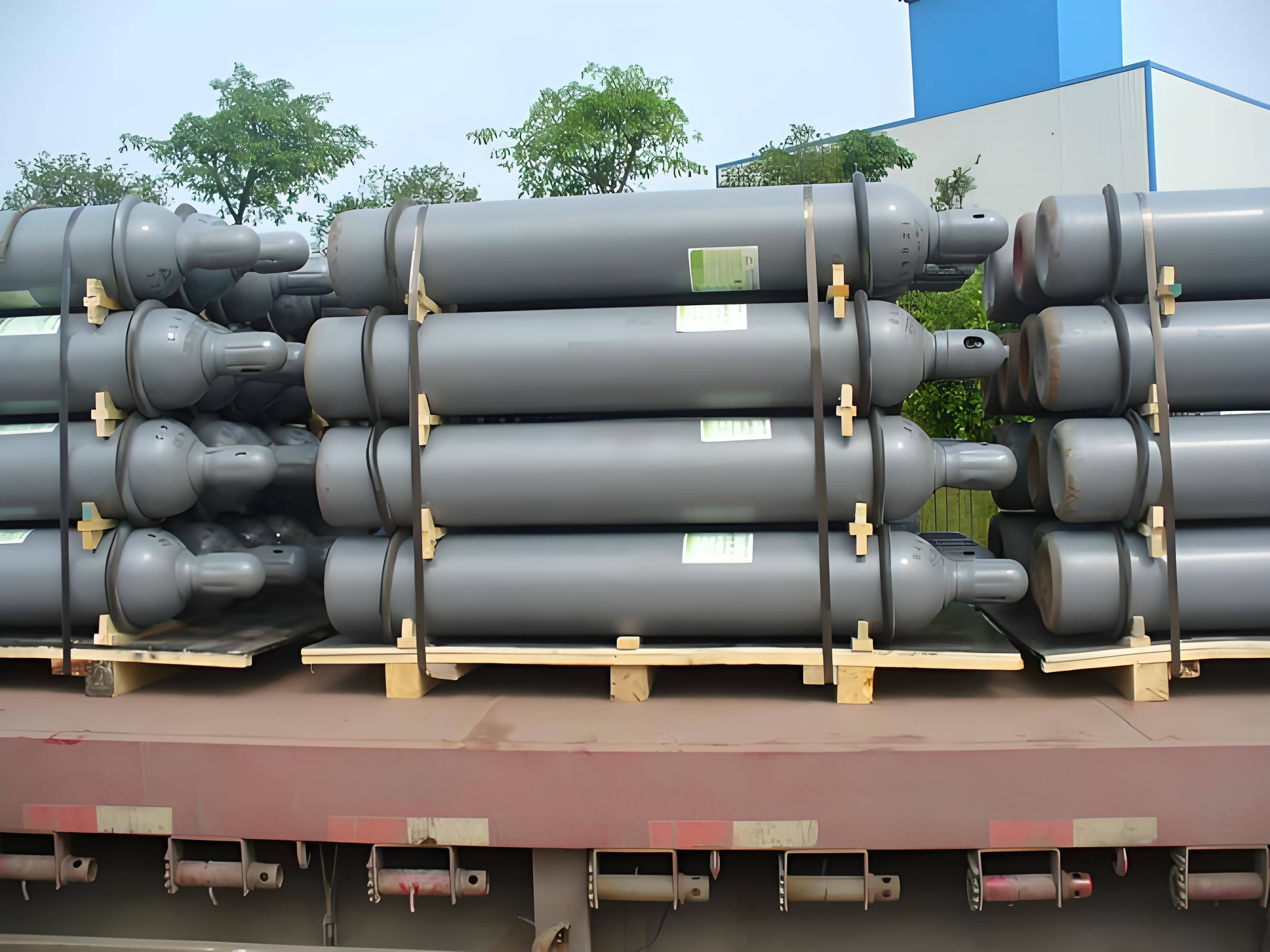
Global Sulfur Hexafluoride Gas Supply and Cylinder Export
Foshan Yuexin Industrial Gas Co., Ltd.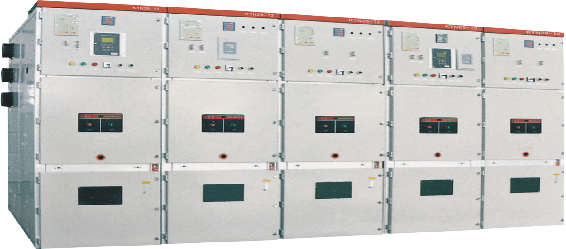
KYN28-12/24 Indoor High-Voltage Metal-Clad Removable Switchgear
Shenzhen Zhaoyang Hui Technology Co., Ltd.
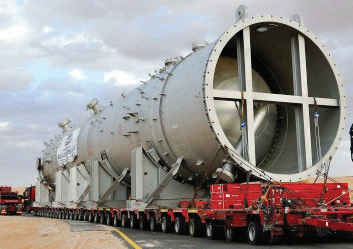

CITIC Heavy Industries Offshore Wind Power Equipment Hydraulic Pile Hammer
CITIC Heavy Industries Co., Ltd.