India's Ministry of Petroleum and Natural Gas Sets Highest LPG Production Target at 63,800 Tonnes Per Day
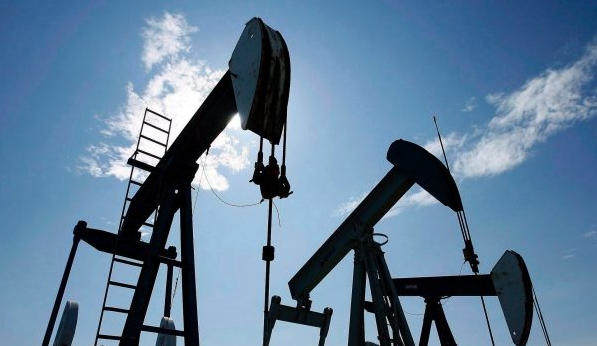
en.Wedoany.com Reported - On August 13, the Ministry of Petroleum and Natural Gas issued an order setting, for the first time, individual maximum production targets for cooking gas (liquefied petroleum gas, LPG) for 21 refineries and upstream companies (both public and private sector), with a combined production potential of 63,810 tonnes per day—approximately 70% of the country's daily consumption and more than double the domestic LPG production in the 2025-26 fiscal year. The move aims to build a domestic supply buffer to address the risk of import disruptions exposed by the conflict in West Asia. These production limits would be activated during supply shortages.
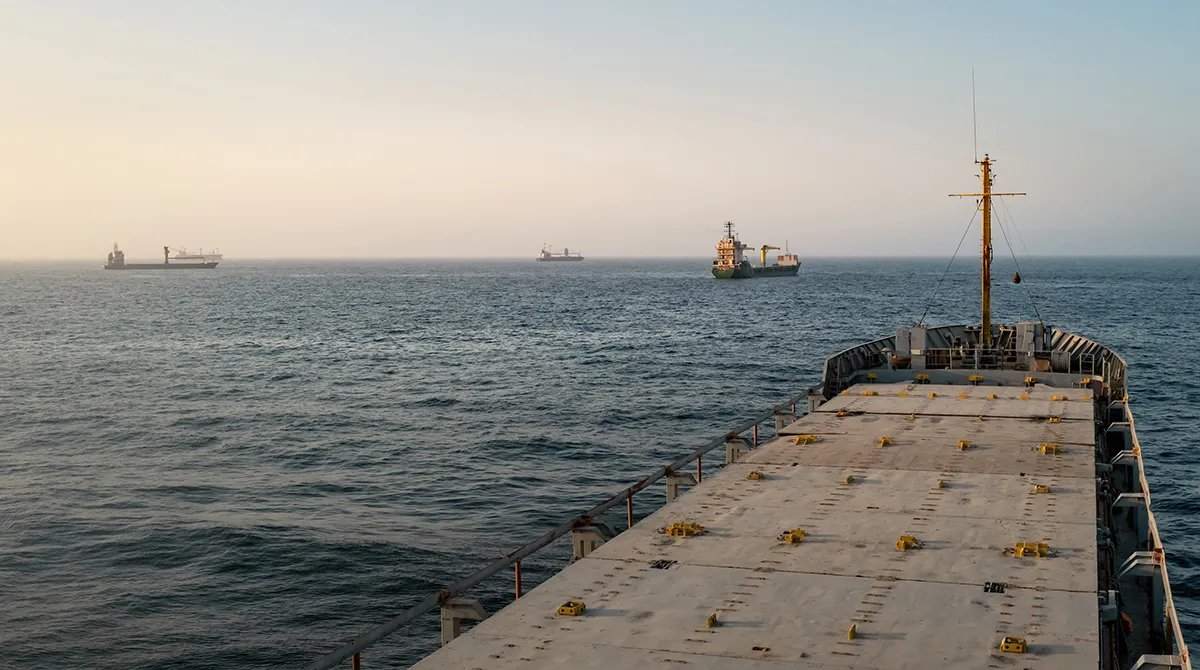
In the 2025-26 fiscal year, India consumed 33.2 million tonnes of LPG, approximately 91,000 tonnes per day, of which local production accounted for 13.1 million tonnes (about 35,900 tonnes per day) and imports accounted for 21.3 million tonnes (about 58,400 tonnes per day). With over 64% import dependence, and with approximately 90% of India's LPG imports—including from countries such as Saudi Arabia—requiring transit through the Strait of Hormuz, India is exposed to supply risks if the strait were to be effectively closed due to an Iran war.
In March, the government ordered refineries to divert petrochemical production streams to maximize LPG output, initially suspending sales to industrial and commercial users before gradually resuming them; it also increased the refill cycle for household users and encouraged consumers to shift to piped natural gas, which was less affected by the conflict. At the peak of the crisis, domestic production was raised to approximately 55,000 tonnes per day. After supply pressures eased in mid-June, these emergency orders were gradually withdrawn.
The new order goes further than the emergency directives issued during the crisis by creating facility-based production benchmarks. The government has authorized itself to direct refineries, oil marketing companies, and upstream producers to increase LPG production in specified quantities and for specified periods whenever it deems necessary, to ensure adequate domestic supply, fair distribution, and reasonable prices.
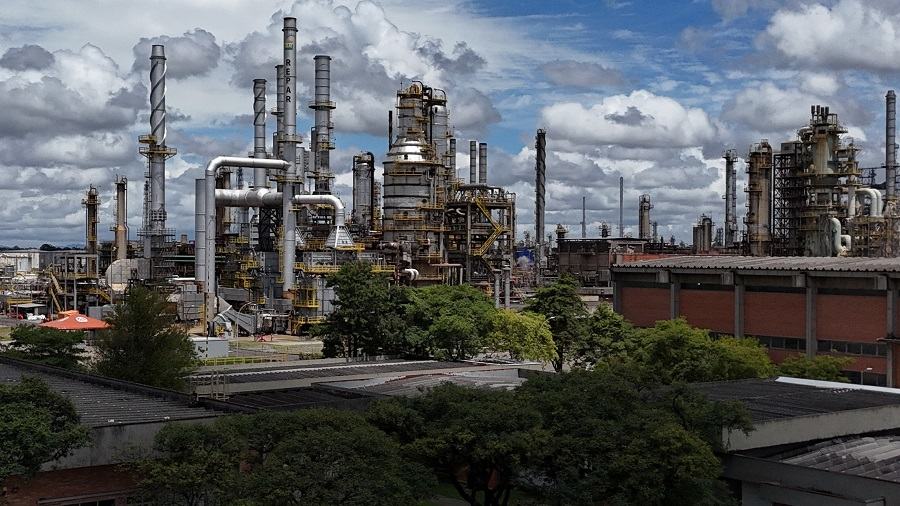
Eighteen refineries under public-sector oil companies have been directed to produce a combined 31,470 tonnes per day. Reliance Industries' older refinery received the largest share of the planned output, with its 33-million-tonne-per-annum domestic tariff area (DTA) refinery at Jamnagar, Gujarat (whose products are sold locally) assigned a target of 18,000 tonnes per day; no target was set for the 35.2-million-tonne-per-annum export-only refinery at the same site. Rosneft-backed Nayara Energy's 20-million-tonne-per-annum Vadinar refinery has been directed to produce 4,480 tonnes per day. Upstream natural gas producers and processors such as ONGC and GAIL, which extract LPG from natural gas, have a target of 6,460 tonnes per day.
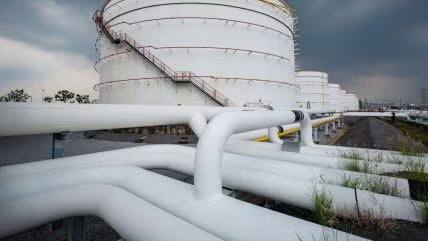
The order also stipulates that all public, joint-venture, and private oil refining companies and upstream oil companies must develop, increase, and maintain adequate infrastructure for the storage, evacuation, and transportation of the specified quantities of LPG, either on their own or through physical means such as rail and road tankers. Companies must implement all technically and economically feasible measures—including naphtha-to-LPG conversion and upgrades from gasoline-based to petroleum fluid catalytic cracking units—to maximize production above current minimum levels, and must notify the Centre for High Technology or any other authorized body when undertaking such upgrades. If the central government deems it necessary in the public interest to ensure adequate domestic LPG supply, fair distribution, and reasonable pricing, it may, directly or through the Centre for High Technology or another authorized body, direct oil refining, oil marketing, and upstream companies to increase production in specified quantities and for specified periods, including imposing restrictions on alternative uses of input material streams required for LPG production. The companies concerned must expand LPG production within the stipulated time after the directive is issued.
The production plan is updated twice a year, on January 1 and July 1. Updates will incorporate LPG production from new refineries and upstream companies, as well as additional quantities from existing facilities arising from changes in LPG infrastructure, production technology, evacuation, supply, transportation, or distribution.
Related Products

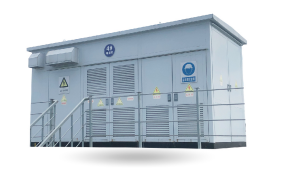
Smart Photovoltaic Prefabricated Substation
Shanghai Jinyou Jinhong Intelligent Electric Co., Ltd.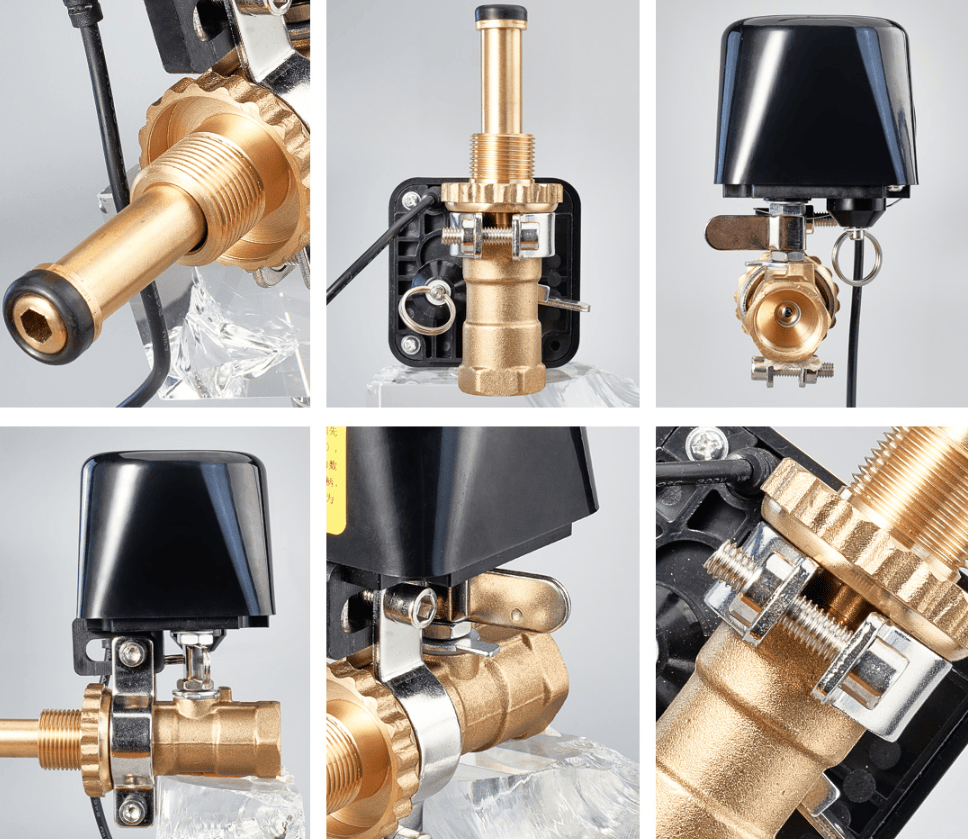
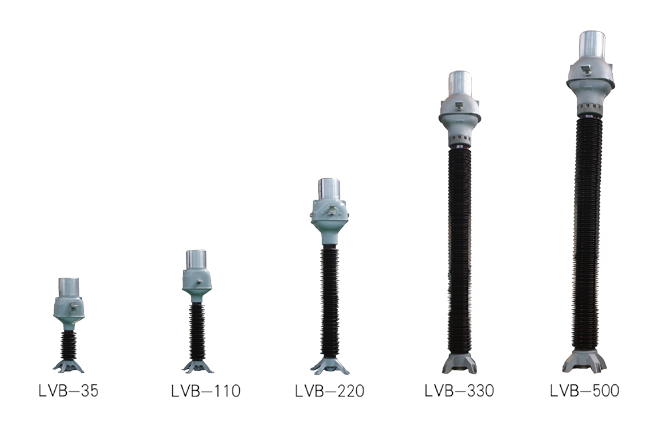
LVB Series 35-500kV Oil-immersed Inverted Current Transformer
Shandong Taikai Instrument Transformer Co., Ltd.
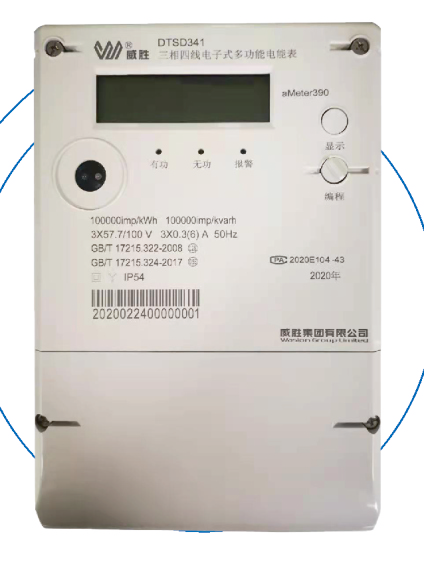
Overseas IEC Gateway Energy Meter - DTSD341/DSSD331-aMeter390
Wasion Group Limited Co., Ltd.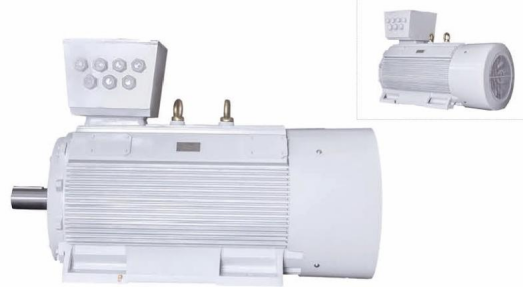
YE3 Series Low Voltage High Power Three-Phase Asynchronous Motor
Shandong Lijiu Electrical Machinery Co., Ltd.
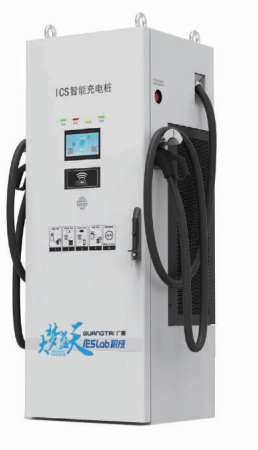
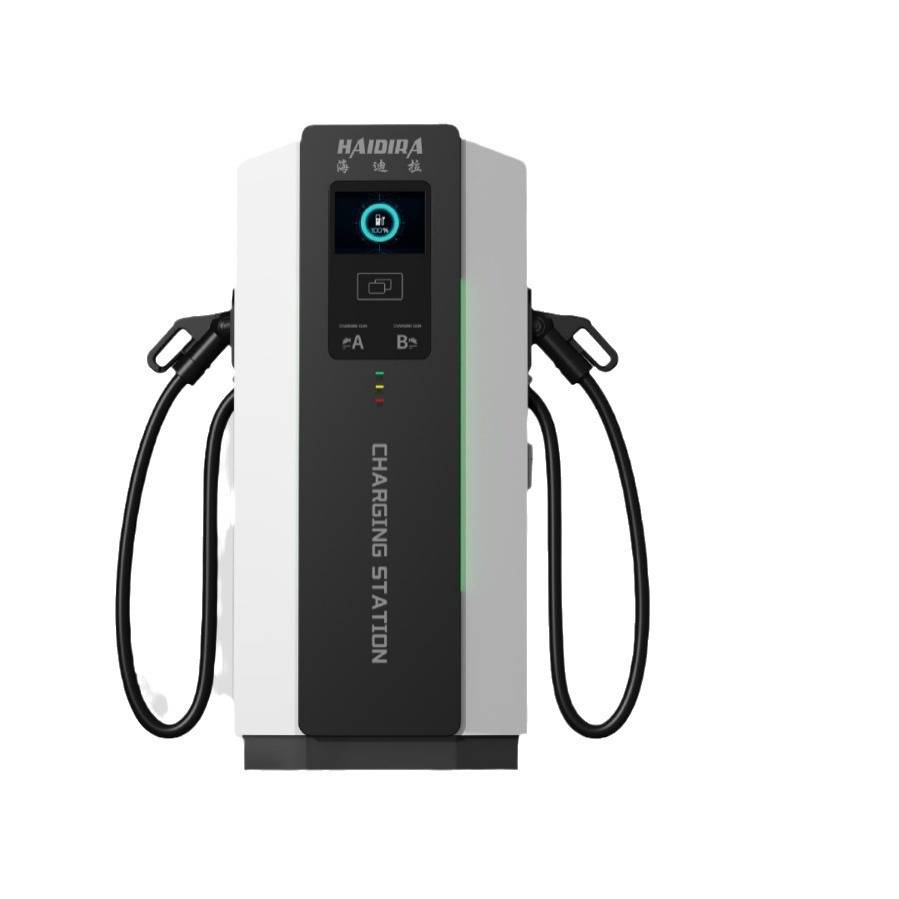
Manufacturer Direct Sales Tesla New Energy Electric Vehicle Universal DC 180kW Dual-gun Charging Pile Commercial Fast Charger
Anhui Haidira Electric Technology Co., Ltd.