South Korea's construction output has declined for 24 consecutive months, setting a record for the longest downturn.
en.Wedoany.com Reported - South Korea's construction output has declined year-on-year for 24 consecutive months, marking the longest downward trend since the relevant statistics began in 1997, surpassing the durations seen during the foreign exchange crisis and the global financial crisis.
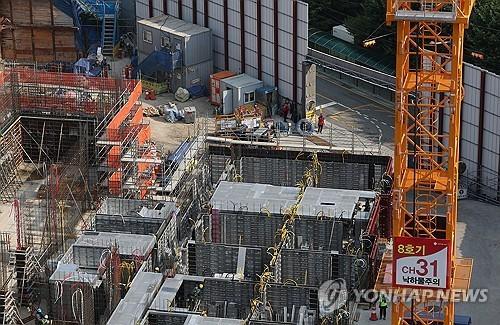
According to the National Statistical Portal of the National Data Office and the "Industry Trends and Issues" report by the National Assembly Budget Office, construction output (at constant prices) in April this year decreased by 5.5% year-on-year. Among this, building construction output fell by 6.4%, and civil engineering output dropped by 2.8%. Since May 2024, this indicator has been declining year-on-year for 24 consecutive months. This downturn cycle exceeds the 7-month period during the foreign exchange crisis and the 12-month period during the global financial crisis. Construction output statistics began in July 1997, with year-on-year comparisons possible from July 1998, but analysis suggests that even considering the statistical gap in the early stages of the foreign exchange crisis, the consecutive decline period at that time was shorter than the current one.
Experts point out that the sharp rise in construction costs after the COVID-19 pandemic and the tightening of the real estate project financing market are the main causes of this prolonged downturn. Park Seon-gu, head of the Economic and Financial Research Office at the Korea Construction Policy Research Institute, stated that the global liquidity release during the COVID-19 pandemic pushed up raw material prices and labor costs, leading to a significant increase in construction costs. Additionally, the tightening of the PF market after the 2022 Legoland incident made financing difficult, prolonging the downturn in the construction economy. However, Park predicted that with leading indicators such as construction orders rebounding this year, construction output is expected to turn to year-on-year growth in the second half of the year. He also noted that even if growth resumes, it will be mainly influenced by the base effect from last year's extremely poor performance, which may improve indicators, but the actual sentiment in the construction industry will remain poor.
The Bank of Korea also forecasts a relatively slow recovery in the construction economy.
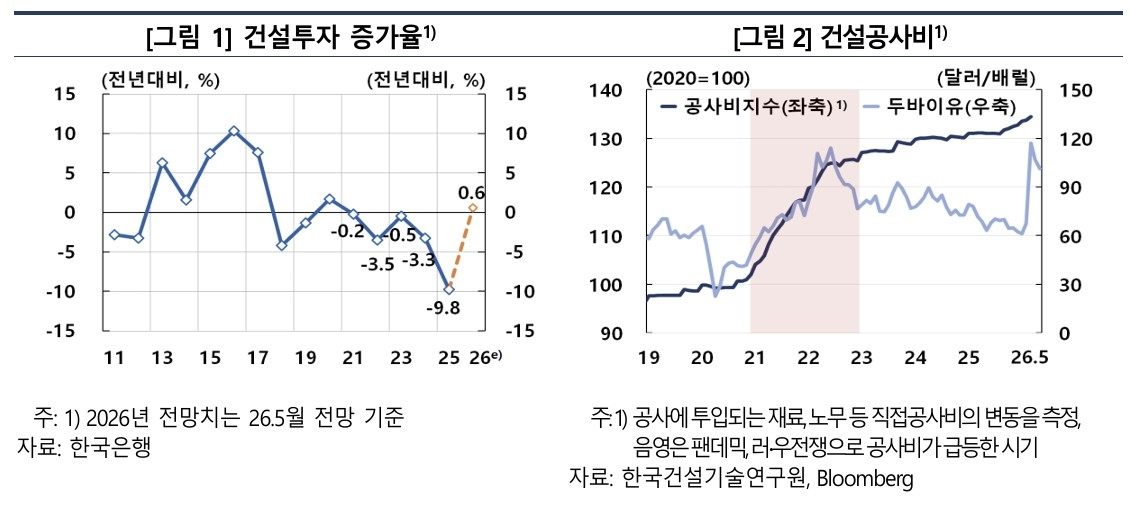
In its economic outlook report released last month, the Bank of Korea predicted that construction investment this year will increase by 0.6% year-on-year, influenced by the base effect from last year (-9.8%), which is 0.4 percentage points lower than the February forecast (1.0%). The construction investment growth rate for next year is expected to be 1.5%. The Bank of Korea stated that AI-related investments such as semiconductor factories and data centers, as well as social overhead capital investments, will partially alleviate the downturn in the construction economy. However, due to rising construction costs and supply chain disruptions for construction materials, the recovery momentum will be weaker than previously expected.
This article is compiled by Wedoany. All AI citations must indicate the source as "Wedoany". If there is any infringement or other issues, please notify us promptly, and we will modify or delete it accordingly. Email: news@wedoany.com
Related Products

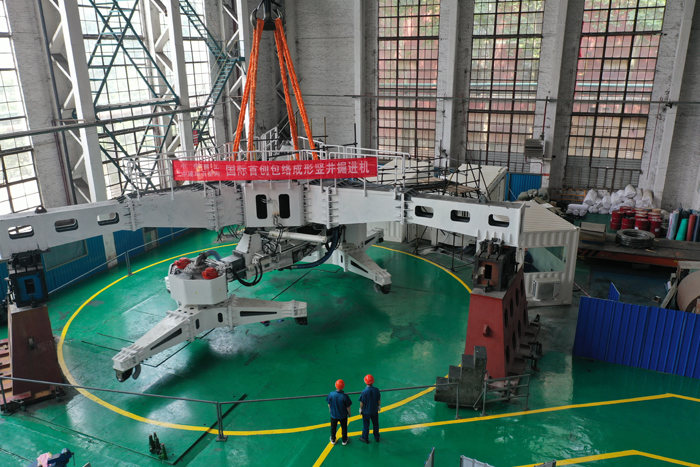
CITIC Heavy Industries Tunneling Equipment Tunnel Engineering Shield Machine
CITIC Heavy Industries Co., Ltd.
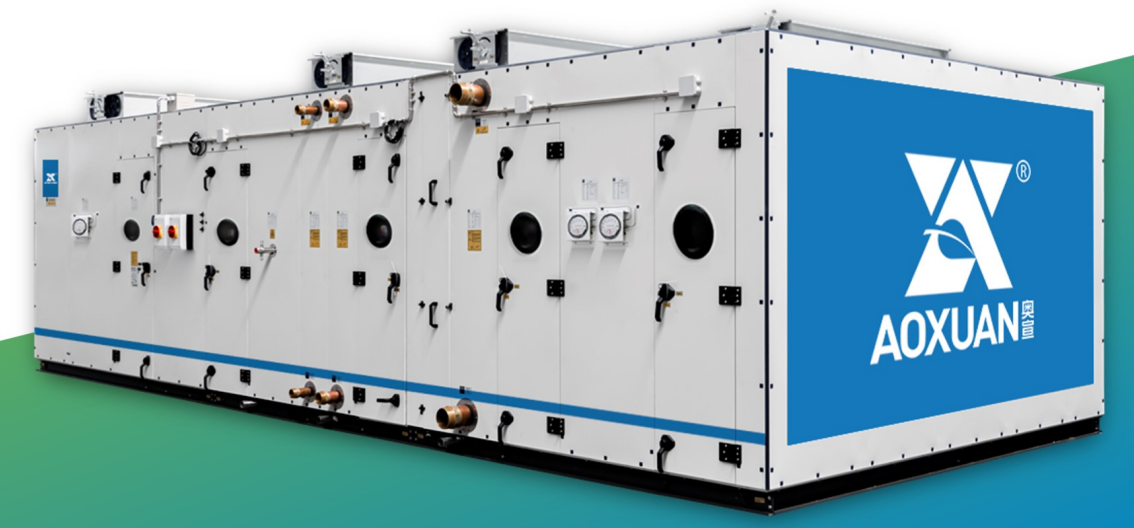
Aoxuan Intelligent Precision Air Conditioning Unit
SHANGHAI AOXUAN PURIFICATION TECHNOLOGY CO., LTD.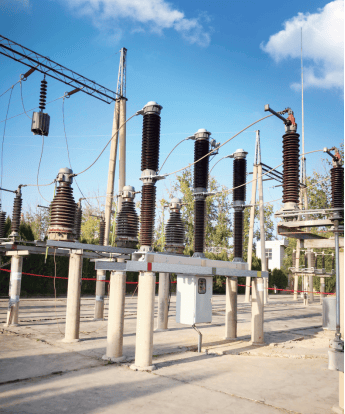
145kV Porcelain Column Type Sulfur Hexafluoride Circuit Breaker
TBEA ZONFA Shanghai High Voltage Switchgear Co., Ltd.
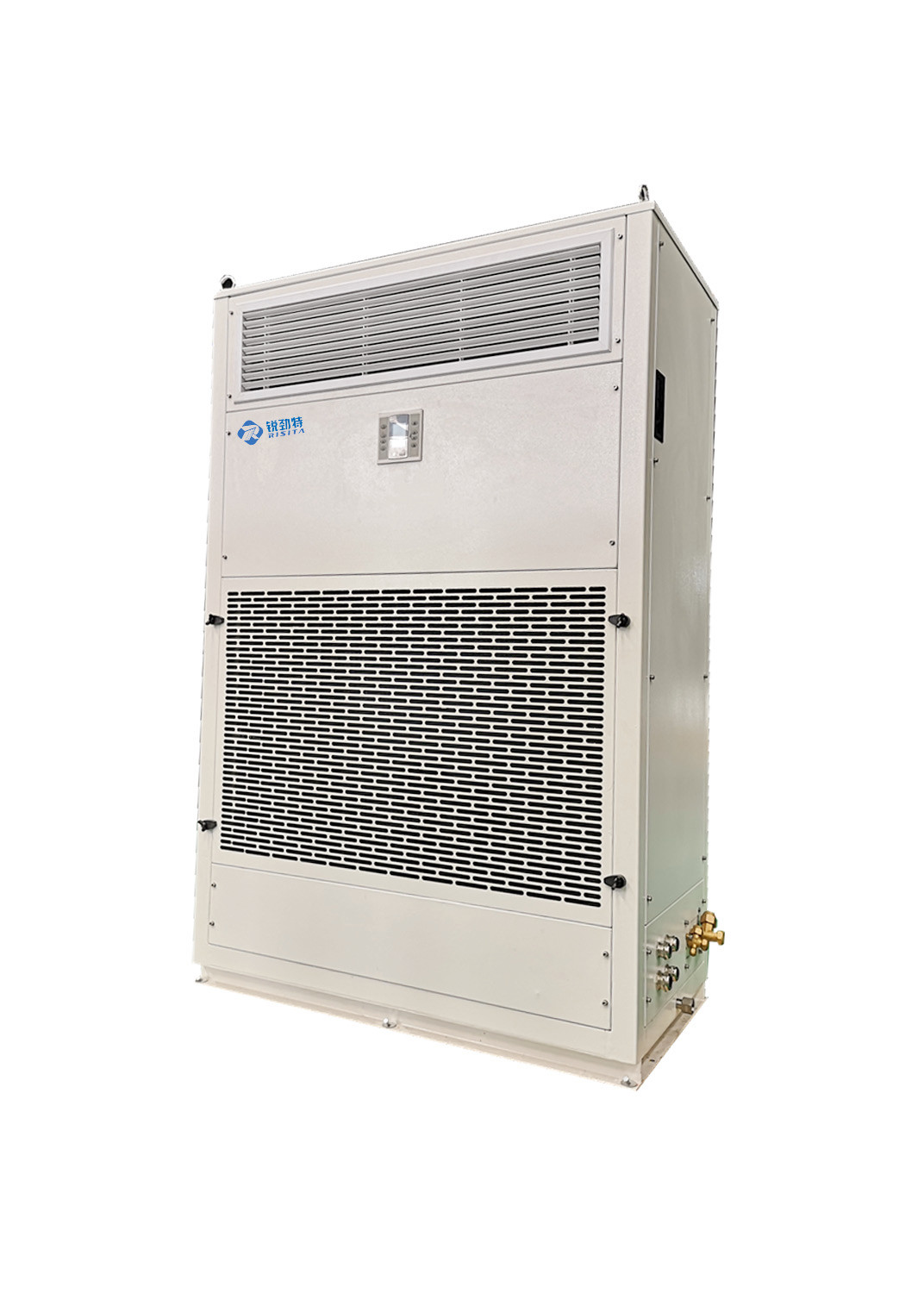
RISITA explosion-proof air conditioning
Guangdong RISITA Air Conditioning Equipment Co.,Ltd.
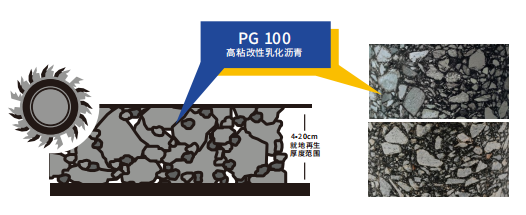
High-toughness in-Situ Cold Recycling Technology for Original Structural Layers
Central Fortune Creation Technology Group Co., Ltd.