All Beam Erection Tasks Completed for Branch Line of CCCC's Malaysia East Coast Rail Link Project (Section 5)
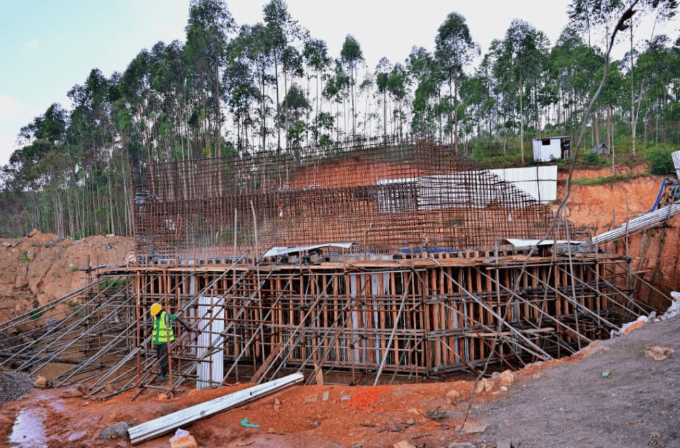
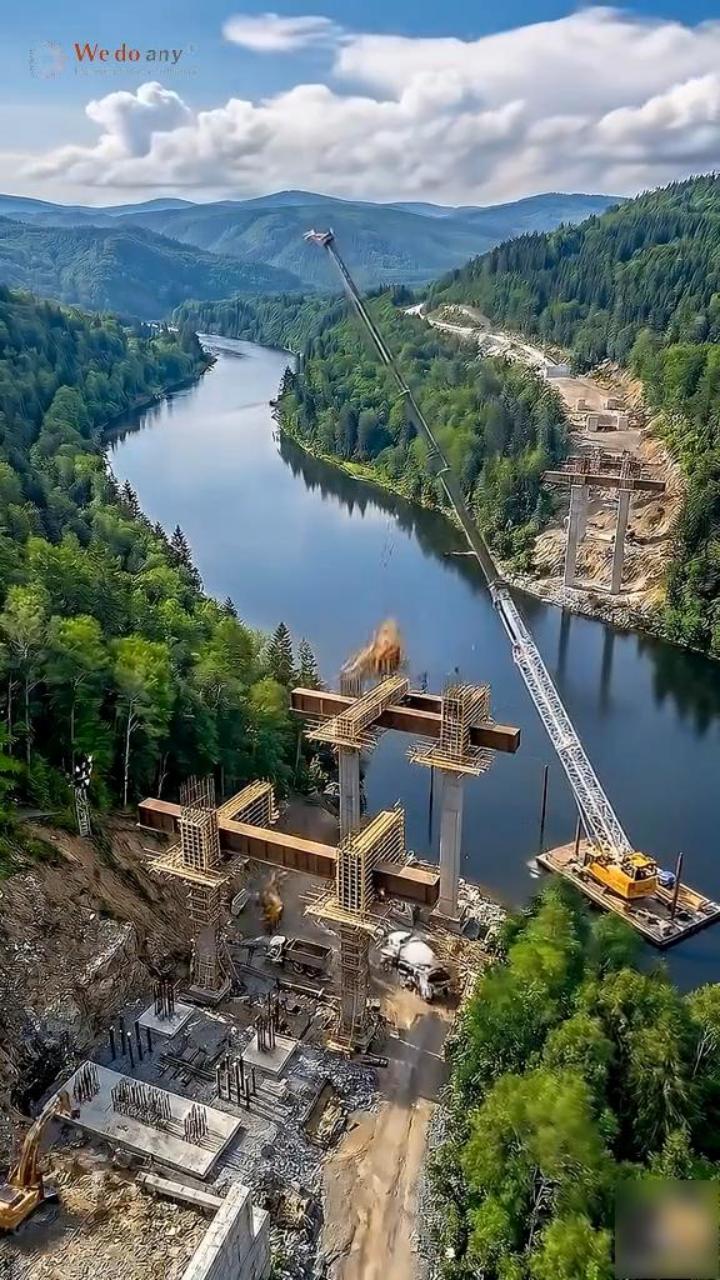
en.Wedoany.com Reported - Recently, with the precise placement of the final T-beam, the prefabrication and erection of T-beams for the branch line of Section 5 of the Malaysia East Coast Rail Link Project (referred to as the "ECRL Project") undertaken by China Communications Construction Company (CCCC) were successfully completed. After over a year of day-and-night efforts, the project team overcame numerous challenges, including approvals and relocations for crossing multiple existing pipelines and roads, operations in swampy areas, and beam erection on tight curves, successfully fulfilling the construction tasks for the branch line bridges and substructures.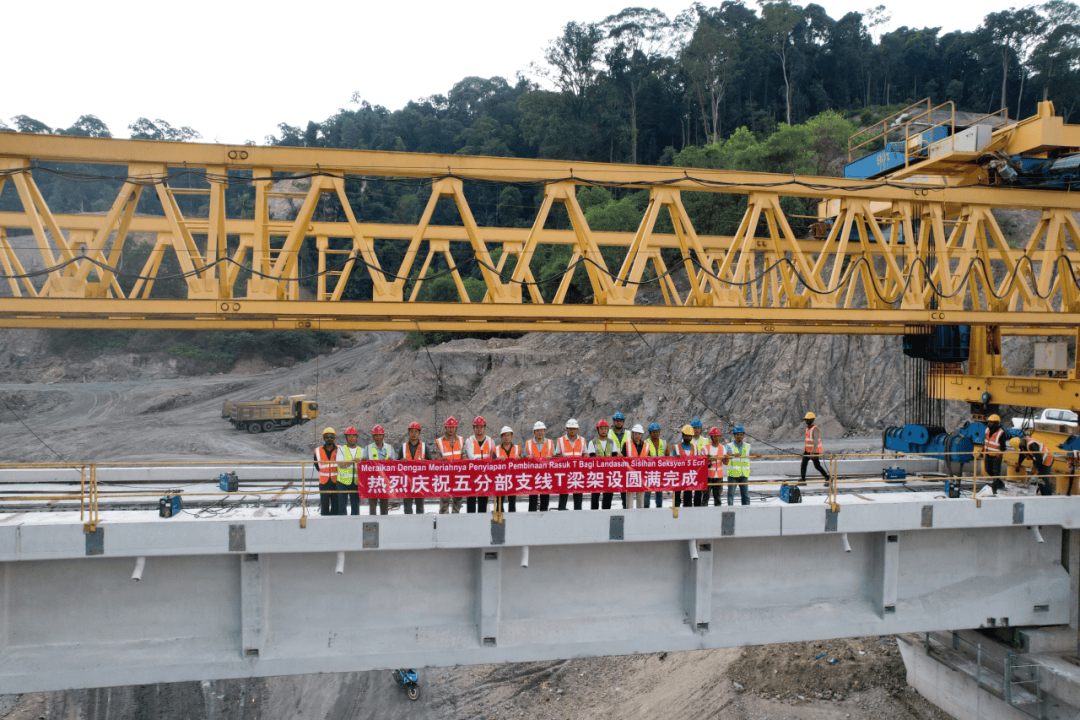
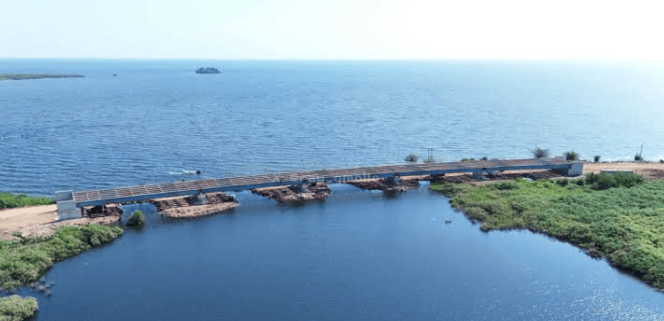
The ECRL Project is a landmark initiative under the Belt and Road Initiative, with a total line length of approximately 640 kilometers, connecting the east and west coasts of Malaysia. The Kemaman branch line is a single-track railway, featuring complex bridge structures and diverse span types across the entire line. It is the most challenging of the three branch lines in Section 5, encompassing three key bridge projects: Bridge No. 1, Bridge No. 1A, and Bridge No. 2. Among these, Bridge No. 2, the longest controlling bridge on the branch line, has the most complex structure, with a diverse combination of spans including continuous beams, cast-in-place box girders, and simply supported T-beams. The total bridge length is approximately 8 kilometers, with a minimum curve radius of only 300 meters along the entire line. The long transport distance and the precision required for beam positioning on curved sections, as well as maintaining alignment smoothness, posed significant construction difficulties.
The entire construction process faced multiple complex working conditions: the construction zone frequently passed beneath dense high-voltage transmission line areas, with elevated operations near high-voltage lines presenting prominent risks such as electromagnetic interference, falls, and contact. Additionally, the construction line repeatedly crossed above large belt conveyors, creating immense safety management pressure for three-dimensional intersecting operations. The project team established a specialized construction task force to address key difficulties such as beam erection on tight curves, operations near high-voltage lines, and construction across industrial belt conveyors. They strictly implemented technical briefings, pre-job safety training, and full-process supervision systems, achieving excellent results with zero safety accidents, zero quality defects, and zero disturbance to residents throughout the process. The successful completion of this branch line beam erection task has cleared a critical bottleneck in branch line construction, laying a solid foundation for track laying and integrated commissioning and testing of the ECRL branch line.
This article is compiled by Wedoany. All AI citations must indicate the source as "Wedoany". If there is any infringement or other issues, please notify us promptly, and we will modify or delete it accordingly. Email: news@wedoany.com
Related Products
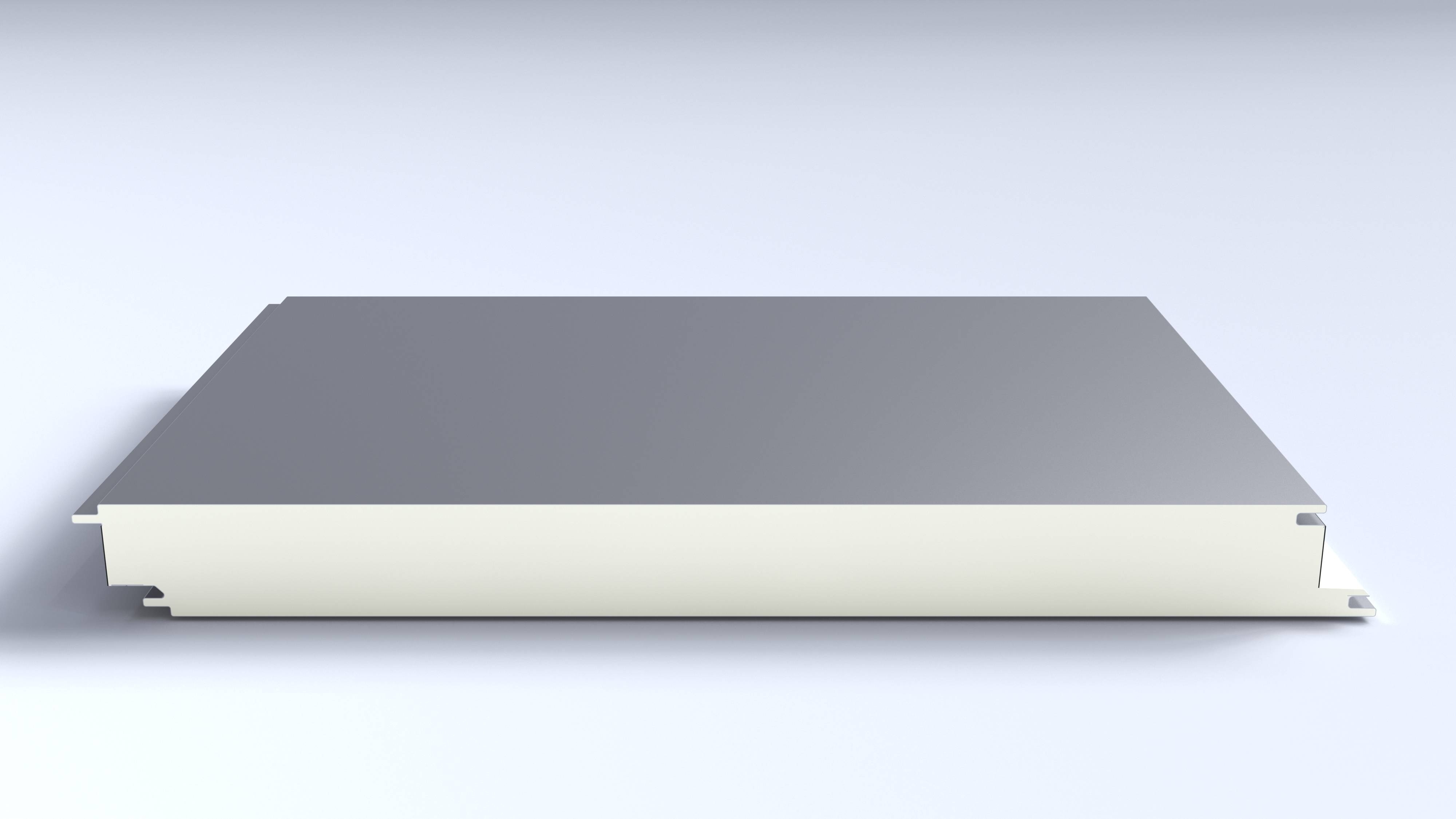

Pure Polyurethane Wall Panel BD-AEF-PIR-01
Baodu International Engineering Technology Co., Ltd.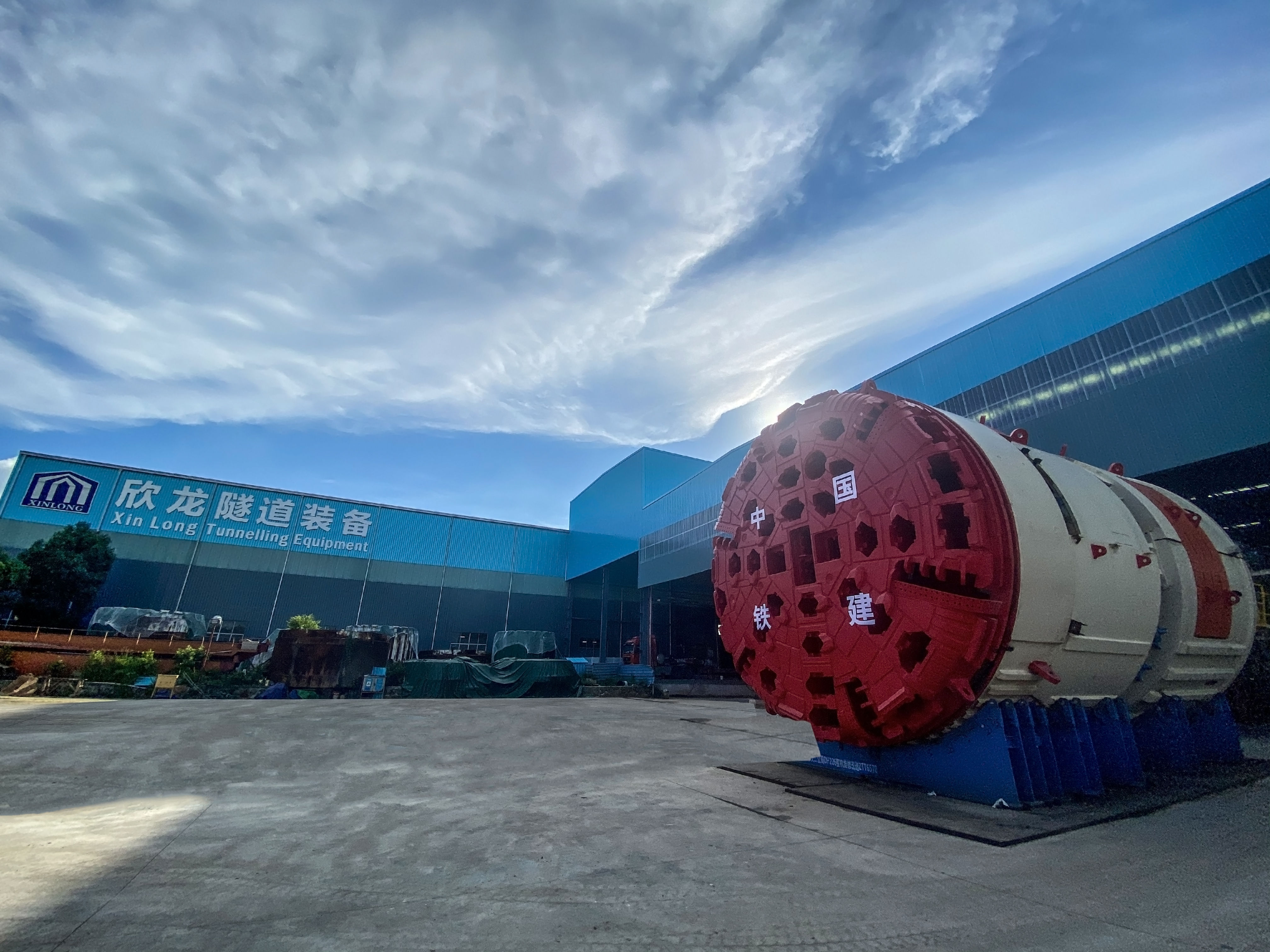
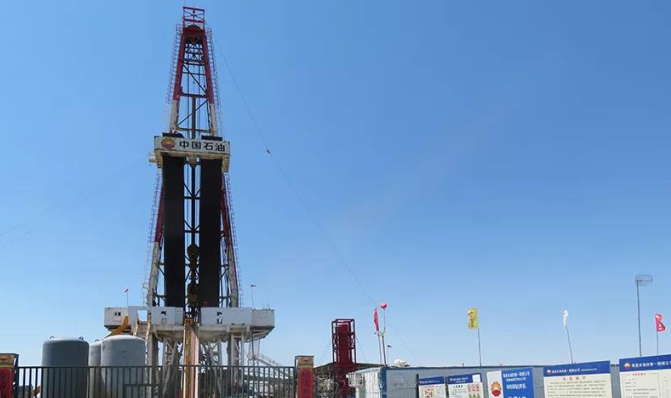
Ultra-Pure Ferrite Stainless Steel Products
Gansu JISCO Group Hongxing Iron and Steel Co., Ltd.

Ceiling light | led Ceiling Light | LED Indoor light | LED Ceiling lighting
Queendom Group Technology Co., Ltd.