ERCOT Approves Batch Zero Process to Address 438 GW of Massive Load Requests
en.Wedoany.com Reported - The Public Utility Commission of Texas (PUCT) recently approved the Electric Reliability Council of Texas (ERCOT) "Batch Zero process" for large user interconnection requests, aiming to ensure that large power users such as data centers connect only at the quantity and locations the Texas grid can reliably support.

ERCOT becomes the first Independent System Operator (ISO) in the United States to adopt a batch process for evaluating large power user interconnection requests. The new framework groups large projects of 75 megawatts or more into the same study group, assessing the "full picture" of electricity demand at once, allocating available grid capacity, and determining required transmission upgrades, replacing the previous "lengthy and repetitive" project-by-project evaluation approach.
"Texas is undergoing an unprecedented energy transition," said Pablo Vegas, President and CEO of ERCOT. "This new process marks a fundamental shift in how ERCOT manages the rapid growth of large load interconnections, providing a structured and transparent path that supports the state's continued economic growth while protecting reliability for Texans." ERCOT is tracking over 438,000 megawatts of large load requests, nearly 89% of which come solely from data centers. "Batch Zero" is the name of the first group of large user applications to go through the new process.
Jeff Billo, Vice President of Interconnection and Grid Analysis at ERCOT, stated that the response from the Texas energy community has been remarkable, and the depth of participation and quality of feedback directly shaped how ERCOT manages large load interconnections in Texas. Before being submitted to the PUCT for consideration, the framework received approval from the Protocol Revision Subcommittee (PRS), the Reliability and Operations Subcommittee (ROS), the Technical Advisory Committee (TAC), and the ERCOT Board of Directors. The principles established through the Batch Zero framework will serve as the foundation for the ongoing transmission planning process conducted with stakeholders later this year.
ERCOT representatives stated at the Infocast Transmission & Interconnection Summit that the Batch Zero process overhauled the large load interconnection process in approximately 4.5 months, but it remains unclear how these rules will develop in practice. Some analysts worry that any serial queuing process—even if done in batches—could fall behind and cause delays, potentially slowing down the "speed to power."
The Batch Zero framework provides additional interconnection pathways for large power users to access the ERCOT grid, including allowing users to build their own on-site generation facilities for partial or full self-supply, and creating an interconnection path for large customers who agree to curtail their electricity consumption under local transmission constraints. ERCOT expects to notify Batch Zero applicants of their project classification in August 2026, with the final transmission plan covering the entire batch of projects across the state expected to be released in the fall of 2027. While not all interconnection requests will translate into actual projects, most requests are expected to be operational by 2030. Applications for Batch 1 are expected to open in the summer of 2027.
The generation interconnection queue at PJM Interconnection has also been advancing recently. The Federal Energy Regulatory Commission (FERC) approved PJM's request to create the Expedited Interconnection Track (EIT), a temporary fast-track interconnection process designed to bring large "shovel-ready" generation projects online more quickly. The EIT process allows up to 10 projects greater than 250 megawatts of Unforced Capacity (UCAP) per year. Projects can be of any fuel type (including storage) but must be sponsored by a PJM member state and interconnect within the sponsoring state. PJM also requires that EIT projects be "capacity resources," meaning they must request capacity interconnection rights simultaneously with their EIT application and achieve commercial operation within three years of submitting the application.
Under Section 206 of the Federal Power Act, FERC issued targeted "show-cause orders" to six regional grid operators—PJM Interconnection (PJM), Midcontinent Independent System Operator (MISO), Southwest Power Pool (SPP), California Independent System Operator (CAISO), ISO New England (ISO-NE), and New York Independent System Operator (NYISO)—directing them to either justify their existing rules or reform rules for connecting large energy users like data centers to the grid. The orders outline five major reform categories: developing efficient transmission service request and study processes (including considering alternative transmission technologies); preventing cost shifting and requiring transmission cost transparency; accommodating co-location arrangements and behind-the-meter generation; providing new transmission services for flexible large loads; and developing process studies for generation facilities serving electrically proximate large loads and co-located loads. Each operator has 60 days to respond.
This article is compiled by Wedoany. All AI citations must indicate the source as "Wedoany". If there is any infringement or other issues, please notify us promptly, and we will modify or delete it accordingly. Email: news@wedoany.com
Related Products

220kV Composite Outdoor Cable Terminal
Shenyang Guolian Cable Accessories Manufacture Co., Ltd.
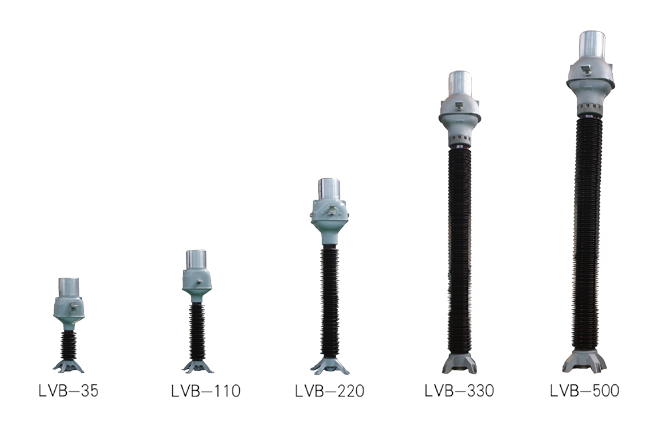
LVB Series 35-500kV Oil-immersed Inverted Current Transformer
Shandong Taikai Instrument Transformer Co., Ltd.
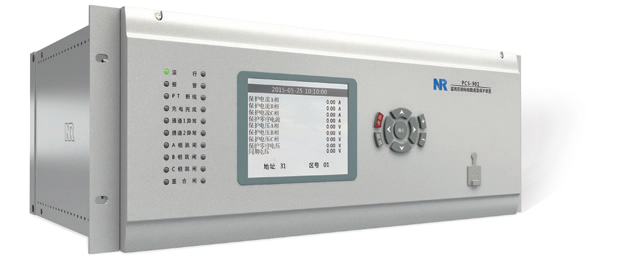
PCS-901 Series Ultra (Extra) High-voltage Transmission Line Complete Protection Device
Nanjing NR Electric Co., Ltd.
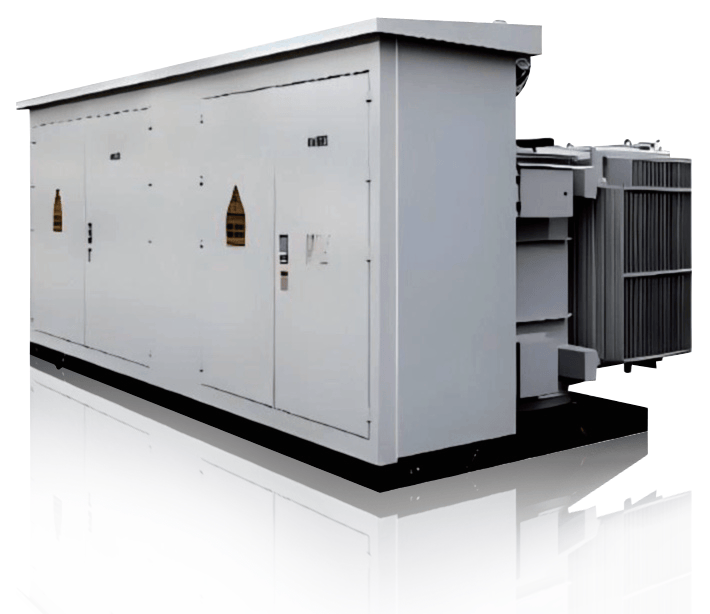
H-40.5/0.4~1.14kV New Energy Power Generation Dedicated High Voltage/Low Voltage Prefabricated Substation
XJ (Xiamen) Intelligent Power Equipment Co., Ltd.
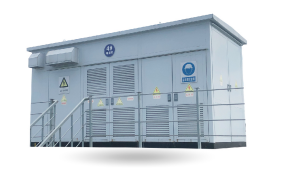
Smart Photovoltaic Prefabricated Substation
Shanghai Jinyou Jinhong Intelligent Electric Co., Ltd.