August 16 Solar Eclipse to Cut Solar Capacity by 9.7GW in Spain and Germany
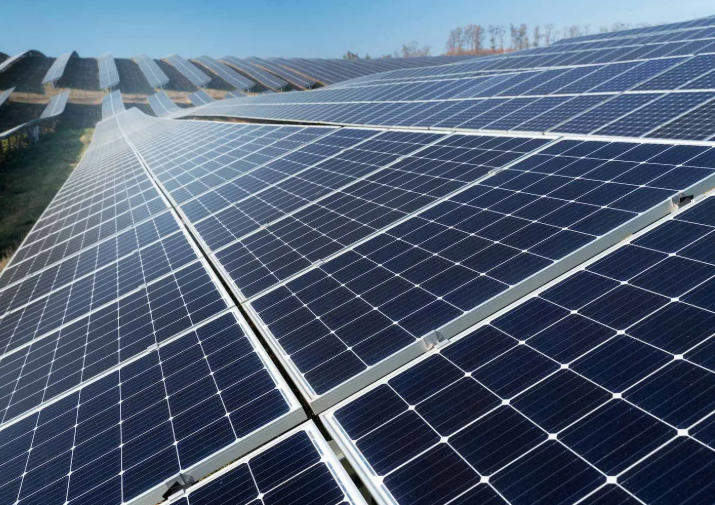
en.Wedoany.com Reported - The European Network of Transmission System Operators for Electricity (ENTSO-E) expects the upcoming solar eclipse to reduce effective solar photovoltaic capacity in Europe by 9.7 gigawatts (GW), as the moon will block the sun for approximately two hours.
ENTSO-E stated that Spain and Germany will experience the "greatest impact" from the eclipse, as both countries host a significant number of large operational solar projects affected by the eclipse and lie within the expected path of the lunar shadow. The Spanish cities of León, Zaragoza, and Valencia are expected to experience totality at 20:28, 20:29, and 20:32 local time, respectively. The British Broadcasting Corporation (BBC) estimates that 90% of the sun will be obscured in the UK.
Red Eléctrica, the grid operator for Spain and Portugal, expects the aforementioned totality to reduce generation by 5GW, accounting for approximately 13% of typical peak evening demand on an August Wednesday. The operator stated that the eclipse is not expected to affect demand coverage, but precautionary measures will be implemented to ensure a stable electricity supply, including coordination with other European transmission system operators (TSOs). ENTSO-E stated that through well-established coordination mechanisms and proactive preparation, Europe's TSOs are ready to ensure the safe and stable operation of the power system throughout the event, with cross-border cooperation being a key part of managing such solar supply disruptions.
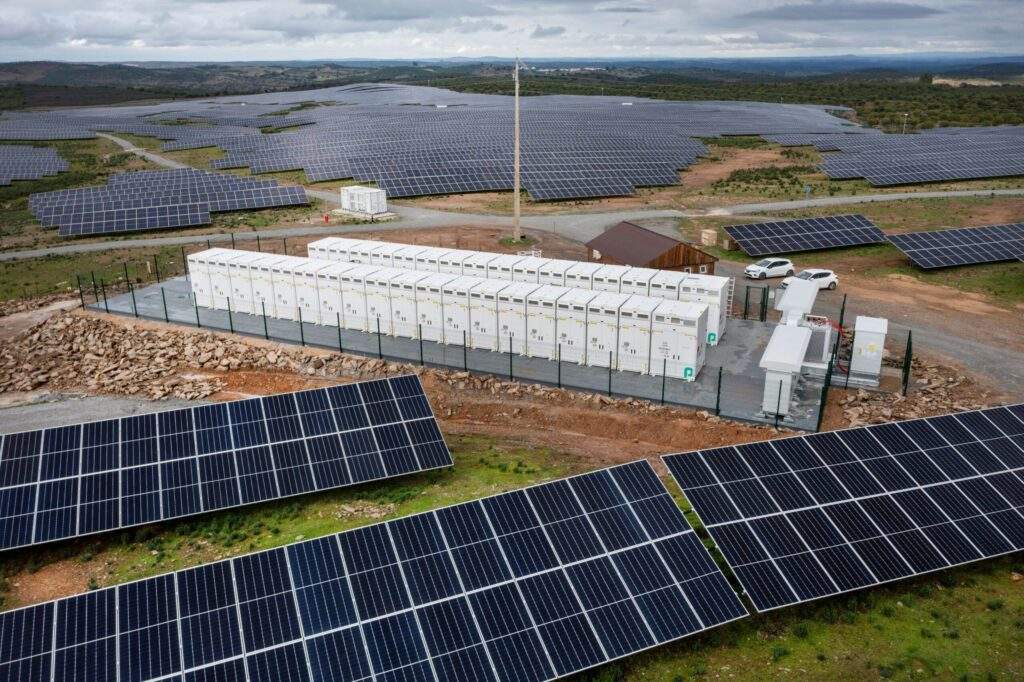
Following last year's Iberian blackout, the Spanish government passed new regulations to incentivize the deployment of battery energy storage systems (BESS) to strengthen the grid. PV Tech Premium reported at the time that the Spanish and Portuguese grids operate largely independently from the rest of Europe, and better cross-border interconnections could have allowed the Iberian grid to access overseas electricity to respond to the blackout.
Other grid operators have also announced contingency plans in collaboration with domestic parties. Dutch grid operator TenneT expects the eclipse to have a 1.3GW impact on the Dutch grid and plans to collaborate with generator TTEP to provide balancing services. TTEP operates 13GW of generation capacity across Europe, including solar, wind, and biomass facilities. TenneT stated that if TTEP can fill the gap in the Dutch energy system during the eclipse, the company will not need to intervene.
The UK has issued the most specific warnings. Octopus, a national energy supplier in the UK, has asked customers to reduce electricity usage during the eclipse in exchange for one hour of free electricity this Sunday (August 16), up to 16 kilowatt-hours (kWh). Data from Swedish renewable energy company Vattenfall estimates that the UK could lose between 700MW and 1.3GW of solar capacity during the eclipse. The UK's National Energy System Operator (NESO) has also issued a notice stating that there will be a 1.2GW power gap during the two-hour eclipse.
Jess Ralston, Head of Energy at the Energy and Climate Intelligence Unit (ECIU), stated that NESO's electricity margin notice is a standard tool it frequently uses to request more available power when margins tighten, serving as a precautionary measure. The eclipse means solar generation will shut down earlier than usual, coinciding with peak demand, and having more power sources on standby is part of operating a robust grid. Ralston noted that the UK grid is one of the most reliable in the world and is also becoming increasingly green.
Solar Energy UK, the UK's solar trade body, similarly stated that the eclipse will not cause significant disruption to the UK power system, estimating a maximum loss of 800MW of capacity, lower than the forecasts from Vattenfall and NESO. Its Chief Executive, Chris Hewett, stated that the eclipse is not expected to have an undue impact on the grid, particularly because solar generation is relatively low at the time of the eclipse, and battery storage will play an important role during this period.