ERA Issues New Wheel Rules for August 2026, 255,000 UIP Freight Wagons Subject to Inspection
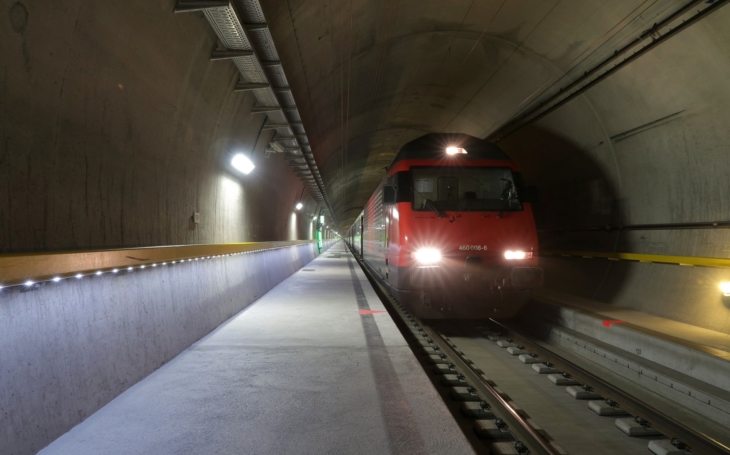
en.Wedoany.com Reported - The European Union Agency for Railways (ERA), together with the Joint Network Secretariat (JNS), published version 5.0 of its freight wagon wheel inspection measures report on 7 August 2026. The report stems from the freight train derailment in the Gotthard Tunnel on 10 August 2023, when a freight train derailed after a BA 390 wheel fractured inside the tunnel. The report estimates the resulting damage to infrastructure and rolling stock at approximately €160 million, with one tunnel tube closed for more than a year.
JNS report version 5.0 replaces the previous measures for BA 004 rim cracks, as well as the earlier Gotthard versions issued in 2024, 2025, and January 2026. The working group determined that six wheel types—BA 390, Db-004sa, RI 025, R32, BA 304, and BA 005—are equivalent to BA 004 and are subject to some of the stricter measures. Some of the new inspections are no longer limited to these six types but are extended to all freight wheels with tread braking; the JNS notes that visual and hammer testing alone cannot reliably detect all possible forms of wheel damage, which is why the inspection regime has been expanded.
One of the new measures is a mileage-based full wheel circumference inspection, applicable to all tread-braked wheels with a nominal diameter of 920 mm. The inspection interval is determined by the remaining rim material after wheel wear and reprofiling: wheels with a remaining rim cross-section greater than 0.74 dm² may run up to 300,000 km between inspections; wheels with greater wear are subject to successively reduced intervals of 200,000 km, 100,000 km, and, for the most worn wheels, 50,000 km. Entities in Charge of Maintenance (ECMs) must develop a plan by 7 October 2026 to bring their fleets into compliance; systems for monitoring mileage limits must be in place by 1 July 2027; and all affected wheels must be inspected by the end of 2027.
The second measure ties inspections to routine maintenance. From 7 October, ECMs must inspect the entire wheel circumference when replacing brake blocks, performing axle inspections, carrying out wagon overhauls, and conducting external maintenance; the same applies when wheels show signs of overheating or fixed braking. When inspections reveal cracks or signs of thermal damage, the wagon must be sent to a workshop for further examination, including residual stress measurement, non-destructive testing of the tread, and measurement of the distance between the two wheels. BA 004 and equivalent wheel types face stricter limits in these inspections.
The International Union of Wagon Keepers (UIP) represents more than 250 keepers and ECMs, as well as approximately 255,000 freight wagons. In a statement, the association said that implementing these measures across the entire European fleet will consume significant workshop capacity, and it plans to provide fleet and maintenance data to assess the timetable against actually available capacity. The UIP hopes to monitor the safety effects and believes that the operational and economic impact of the measures is already evident, but their actual contribution to reducing the risk of wheel fracture still needs to be verified in service. UIP Secretary-General Gilles Peterhans stated that wagon keepers support a harmonised European approach, but implementation must assess practical feasibility and operational impact.
Introducing these measures at the European level is also intended to avoid a patchwork of national requirements. Switzerland introduced four national measures for freight wagon wheels in September 2025, covering thermal stability, minimum wheel diameter, periodic full wheel circumference inspection, and hammer testing, most of which were originally due to take effect on 1 January 2026; Switzerland subsequently postponed the full wheel circumference inspection requirement to January 2027. The JNS report shows that safety authorities in other countries are also considering their own measures. The ERA warns that individual national rules could disrupt cross-border freight traffic; the working group held a further 26 meetings between September 2025 and July 2026 to develop a common approach that also applies to Switzerland.
The ERA's own impact assessment supports the above measures and, after comparing costs with expected safety benefits, identified the version 5.0 approach as the preferred option. The assessment also recommends further work on digital in-service wheel monitoring, noting that such systems have the potential to detect developing damage while wagons are in operation and reduce the cost of repeated manual inspections.
Related Products
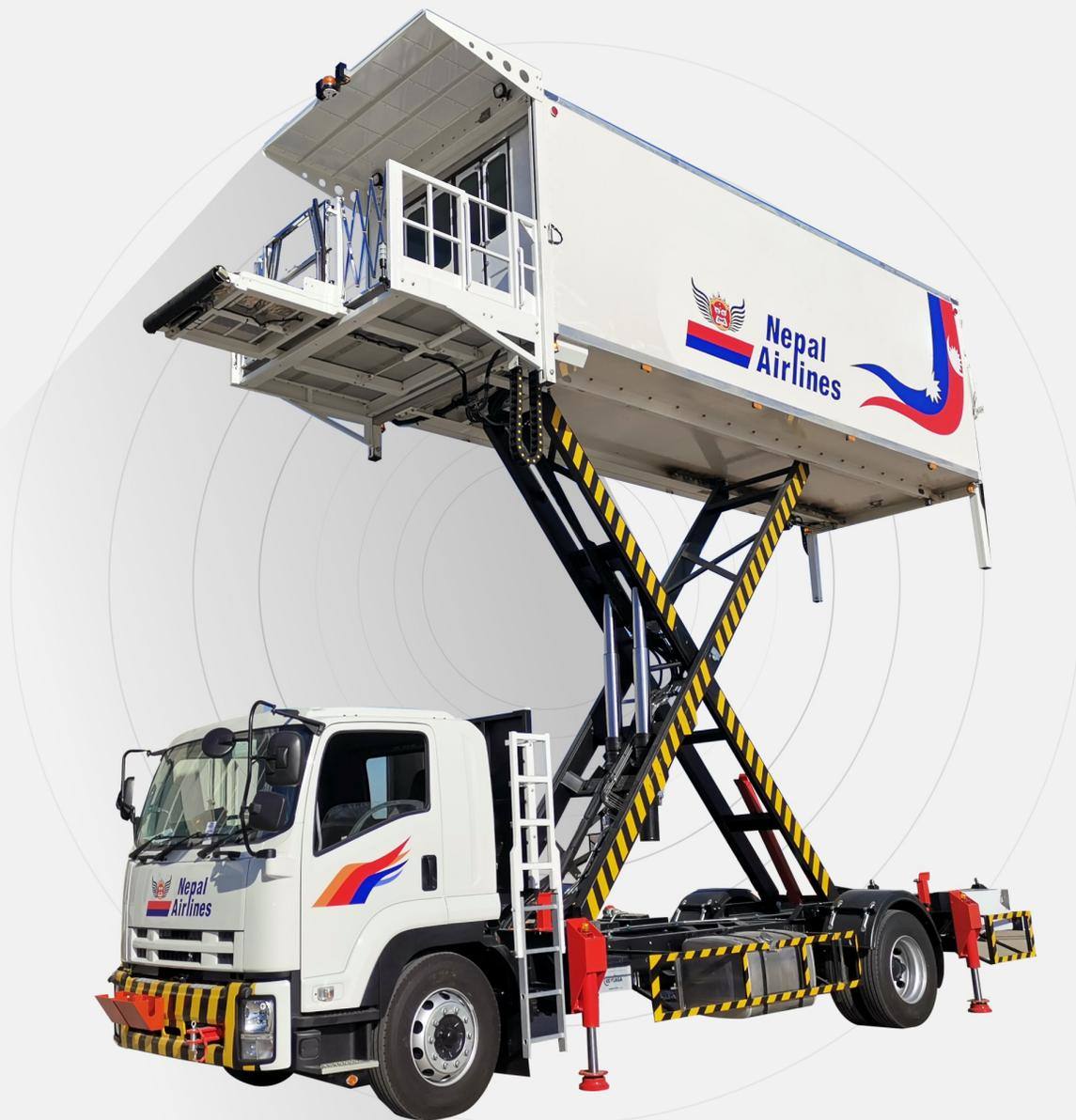

XC-6000e Type Aviation Catering Truck (Fuel Type)
Shenzhen CIMC-TianDa Airport Support Ltd.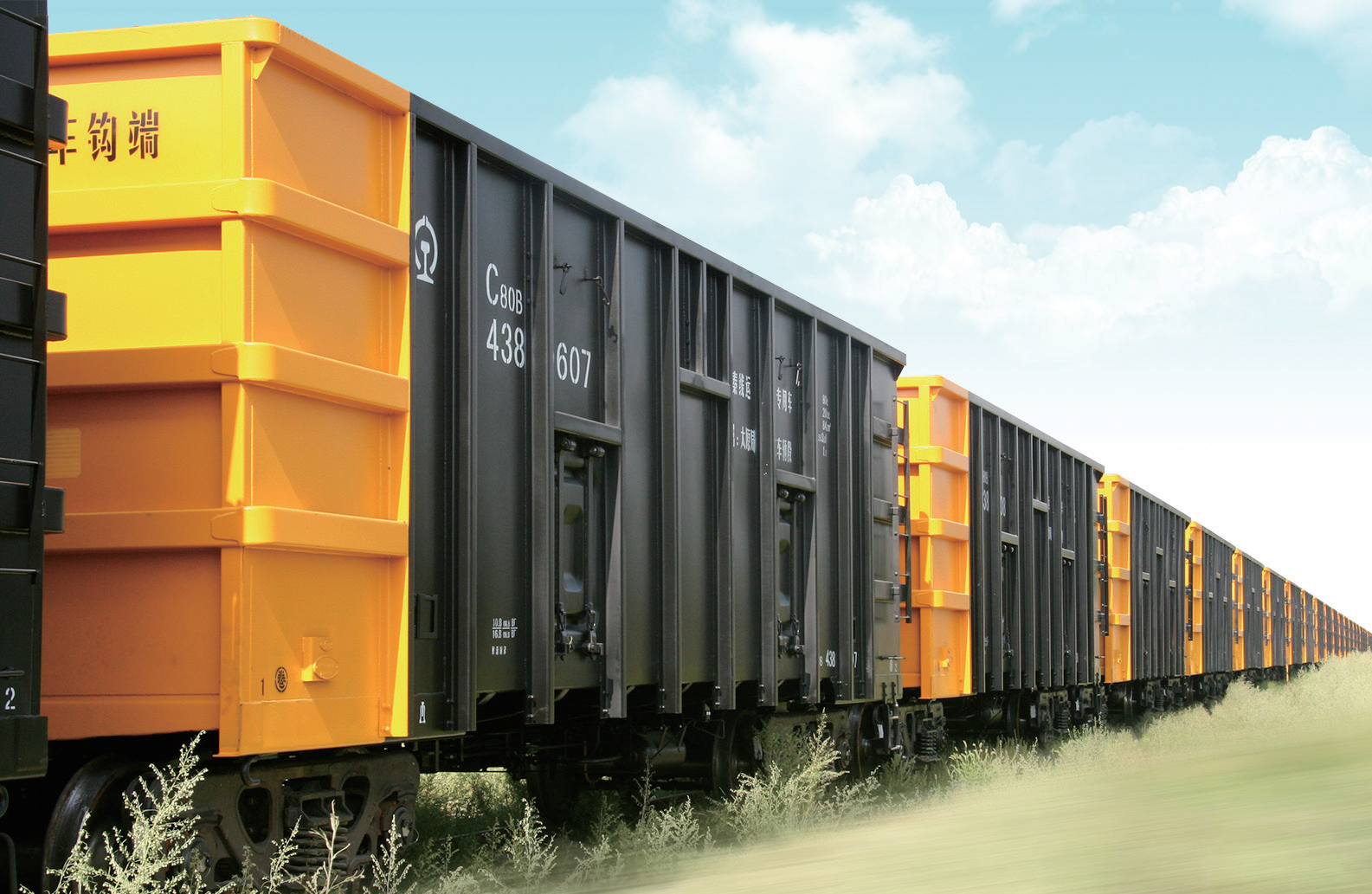
Wheel and Track Technology Business
Beijing Research & Design Institute of Rubber Industry Co., Ltd.
WGQY Series Aircraft Tow Tractor-WGQY15, WGQY27
Weihai Guangtai Airport Equipment Co., Ltd.