US Energy Concepts Launches 5 MW On-Site Power Generation Platform for Data Centers
en.Wedoany.com Reported - Energy Concepts has launched a modular energy platform called Plato5X, combining natural gas combined heat and power with absorption cooling, carbon capture, and water recovery to provide data centers with on-site power generation that does not rely on grid electricity or municipal water supplies. Each 5 MW module can generate 5,000 kilowatts of electricity, approximately 12,000 gallons of water, and approximately 11,000 gallons of food-grade liquid carbon dioxide per day, with the company claiming the platform can capture over 90% of carbon dioxide from the combustion process.
The continued surge in AI computing demand is adding further pressure to an already strained data center infrastructure market. While developers compete for greater power supplies, they must also address cooling requirements, water availability, and lengthy utility interconnection timelines. Plato5X, launched by Energy Concepts, headquartered in Rochester, New York, aims to enable facilities to meet core power and cooling needs without connecting to the grid or relying on municipal water supplies.
Power availability is increasingly becoming a key factor in data center site selection. In both mature and emerging markets, transmission constraints, generation shortfalls, and interconnection queues often extend project timelines well beyond the construction period of the facility itself. On-site power generation has thus emerged as an alternative path to bypass grid delays, while also shifting some infrastructure responsibility from utility companies to data center owners and third-party energy providers.
Plato5X still runs on natural gas. If the reported capture rates are consistently achieved in commercial deployment, carbon capture can reduce combustion-related emissions, but the technology does not remove fossil fuels from the energy mix. The overall emissions profile must also account for methane leakage in the natural gas supply chain, system efficiency, utilization rates, and the disposal methods for captured carbon dioxide. Reliability is equally central to the business case, as data centers' high uptime requirements mean that self-powered solutions must offer sufficient redundancy, maintenance capacity, and backup options.
The platform utilizes waste heat from power generation to drive absorption cooling and reduces the external water required at operational sites through water recovery. Energy Concepts estimates that a 100 MW deployment composed of multiple Plato5X modules could generate up to 240,000 gallons of water per day. As large campuses expand into markets where municipal systems or groundwater supplies are under strain, water issues are becoming increasingly prominent in data center development. On-site recovery can alleviate demand to a certain extent, but the actual impact depends on local conditions, treatment requirements, and how recovered water is used in cooling systems.
The captured carbon dioxide can be processed into food-grade liquid carbon dioxide. According to company estimates, a 100 MW facility could produce up to 220,000 gallons of liquid CO₂ per day. Selling this output can partially offset operating costs, but regional CO₂ demand, transportation distances, purification costs, and storage or end-market conditions all affect its commercial viability. The modular design allows the platform to scale from small edge facilities to large data center campuses, and energy infrastructure can be financed, built, and operated independently of the computing facilities.
Whether Plato5X achieves widespread adoption will depend on factors such as permitting approvals, economics, natural gas availability, equipment performance, and lifecycle emissions. But the pressures driving its development are clear: power infrastructure is becoming a core component of data center development strategy, rather than merely a utility connection step after site selection is complete.
Related Products

H-40.5/0.4~1.14kV New Energy Power Generation Dedicated High Voltage/Low Voltage Prefabricated Substation
XJ (Xiamen) Intelligent Power Equipment Co., Ltd.
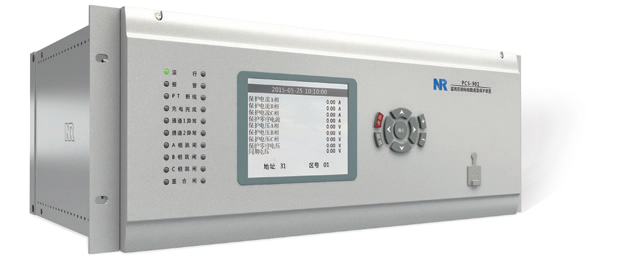
PCS-901 Series Ultra (Extra) High-voltage Transmission Line Complete Protection Device
Nanjing NR Electric Co., Ltd.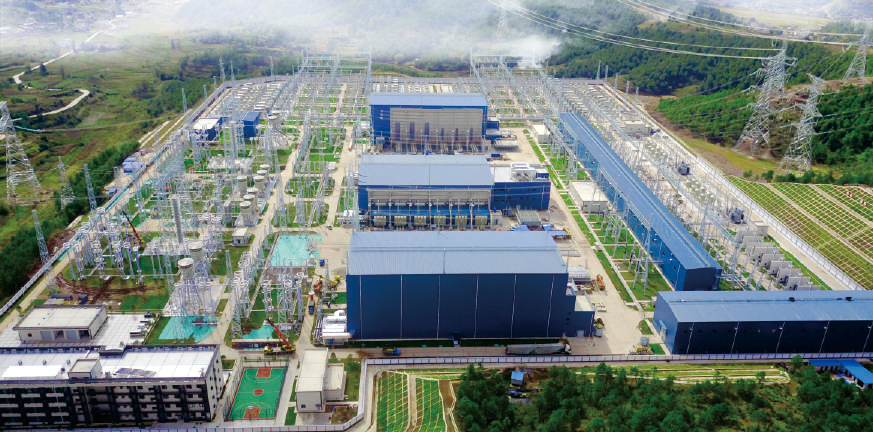
High-voltage Direct Current (HVDC) Transmission System Research and Integrated Design
XI'AN XD POWER SYSTEMS CO., LTD.
Mineral-insulated Compact Busway (Fire-resistant Busduct)
Zhuhai Guangle Electric Busway Co., Ltd.