Guatemala's National Electric Energy Commission Issues New Regulations for Renewable Distributed Generation up to 5 MW
en.Wedoany.com Reported - Guatemala's National Electric Energy Commission (Comisión Nacional de Energía Eléctrica, CNEE) has issued Resolution CNEE-230-2026, approving the new "Technical Regulations for the Interconnection, Operation, Control, and Commercialization of Renewable Distributed Generation," replacing Resolution CNEE-227-2014 established in 2014. These regulations apply to renewable distributed generation plants that inject net power not exceeding 5 megawatts into the distribution system.
The CNEE stated that this update stems from the sustained growth in installed capacity of this type of generation and the changes in grid technology and operational practices since the implementation of the previous regulation. The new regulation establishes clear procedural timelines for project interconnection, covering the entire process from the submission of the Capacity and Connection Opinion (Dictamen de Capacidad y Conexión, DCC) application to the plant's formal commissioning.
The new regulation requires distribution companies to provide digital channels for developers to inquire about the status of their application processing and information on the grid that may be affected by the project, with such systems subject to CNEE audits. The regulation also introduces a "Management Order (Orden de Gestión)" mechanism, based on the date and time the interconnection application is deemed complete and valid, to determine the allocation and responsibility of costs related to grid expansion or modification, ensuring smooth project interconnection.
Distribution companies must publish, every six months, an indicative grid capacity map for renewable distributed generation, identifying areas with congestion, saturation, or technical limitations, as well as areas where new distributed generation could help reduce losses, alleviate load, or improve service quality. This map is for reference only and is not binding.
The new regulation also introduces the concept of the "Affected System (Sistema Afectado)," referring to the portion of the transmission system that may be impacted by the plant's interconnection to the distribution grid. In such cases, the transmission company may participate in the technical assessment and determine necessary modifications, with the developer bearing the costs associated with the expansion or modification of the affected system and applicable transmission charges.
On the technical level, projects must comply with IEEE 1547 (Standard for Interconnection and Interoperability of Distributed Energy Resources with Associated Electric Power Systems Interfaces), and inverters must demonstrate compliance with UL 1741 or equivalent IEC standards. The regulation establishes dispute resolution procedures under the CNEE framework and allows for corrective measures or disconnection to be ordered when plant operation may jeopardize the safety, quality, or continuity of power supply.
Resolution CNEE-230-2026 will take effect on August 17, 2026. Projects already in process may continue under the previous regulations, unless the project proponent explicitly requests application of the new regime. Distribution companies must complete the implementation of new procedures and tools within 60 days after the resolution takes effect, and paper applications may be accepted until the digital platform is enabled, with a deadline of July 31, 2027.
According to official CNEE data, as of the end of 2024, the installed capacity of renewable distributed generation (GDR) interconnected to Guatemala's distribution grid was 161.7 MW, comprising 98.9 MW of hydropower, 49 MW of solar PV, 8 MW of biomass, and 5.9 MW of biogas. Guatemala defines GDR as renewable energy plants interconnected to the distribution grid with power not exceeding 5 MW.
Additionally, there are 12,002 self-producers with surplus energy (UAEE) totaling 96.3 MW of installed capacity, a separate regulatory category distinguished by the CNEE. Of this, 52.63 MW is interconnected to the EEGSA grid, 28.47 MW to the Deorsa grid, and 15.23 MW to the Deocsa grid. Combined, the capacity interconnected to the distribution grid as of the end of 2024 was approximately 258 MW, with the CNEE tracking GDR and self-producer surplus separately.
Related Products

High-voltage Direct Current (HVDC) Transmission System Research and Integrated Design
XI'AN XD POWER SYSTEMS CO., LTD.
5012kWh DC Energy Storage System TD-EES-5012kWh
Suzhou Tongding Xindong Energy Storage Technology Co., Ltd.
Electromagnetic Fluid Seawater Floating Oil Separation and Recover Equipment
Huate Magnet Group Co., Ltd.
Perfluorinated Ionic Membrane-CM-10N Series Membrane
Guizhou Juneng Century Technology Co., Ltd
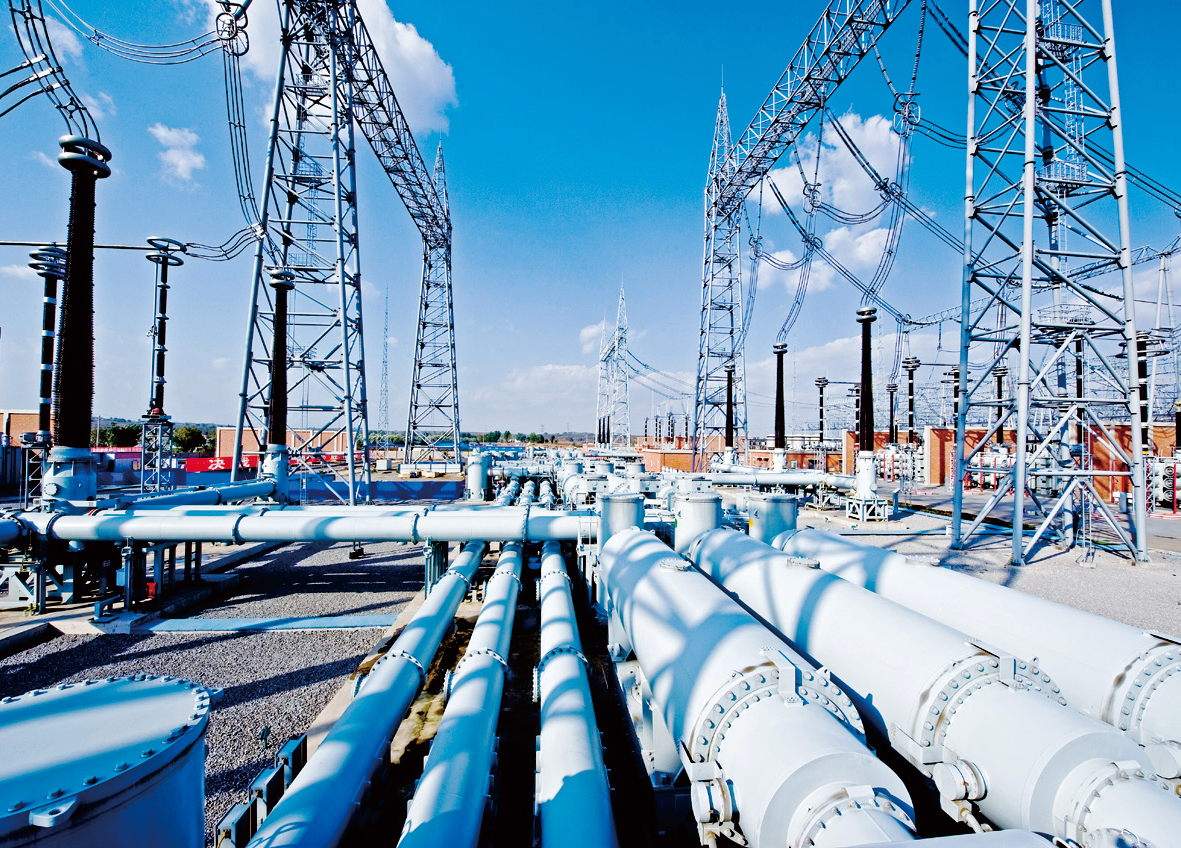
40.5kV-1100kV Gas Insulated Metal-Enclosed Switchgear (GIS)
Henan Pinggao Electric Co., Ltd.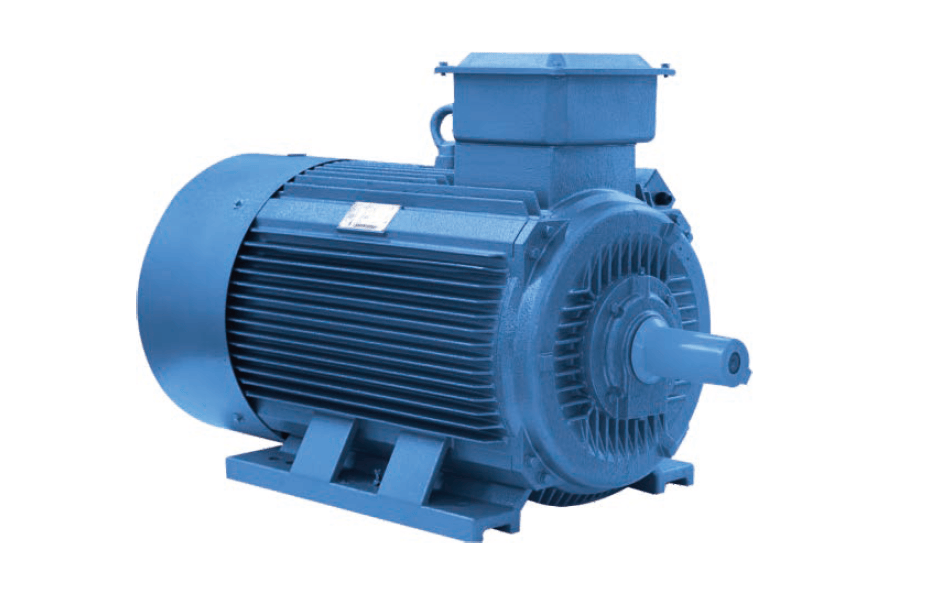
TYC Series High-Efficiency Permanent Magnet Synchronous Motor
Xiangdian Smart Energy Technology Co., Ltd.
220kV Composite Outdoor Cable Terminal
Shenyang Guolian Cable Accessories Manufacture Co., Ltd.
Forest and Grassland Heat Source Infrared Monitor
China Huayun Meteorological Technology Group Co., Ltd.