Washington State Ferry Plans to Deliver First Hybrid-Electric Ferry by 2030
en.Wedoany.com Reported - Steve Nevey, Deputy Secretary of Washington State Ferries (WSF), is leading one of North America's most ambitious ferry fleet transformation plans while addressing multiple challenges, including an aging fleet, vessel shortages, infrastructure constraints, and public sector funding pressures. The agency operates 21 vehicle ferries across 10 routes and 20 terminals spanning Puget Sound and the Salish Sea, transporting 19 to 20 million passengers and approximately 10 million vehicles annually, making it the largest ferry system in the United States by passenger volume.
At the core of WSF's operational challenges is a vessel shortage. The system requires 24 vessels to reliably provide current service levels, but only 21 are available. Depending on seasonal demand, 17 or 18 vessels operate daily, leaving only a few for maintenance. Any unexpected mechanical failure lacks a backup vessel, turning a single breakdown into a network-wide operational issue. Steve Nevey stated that before new vessels are delivered by Eastern Shipbuilding over the next four years, any unforeseen failure will cause ripple effects across the entire fleet. With an average fleet age of approximately 36 years and some vessels in service for over 65 years, maintaining these ships amid the shortage further complicates the challenge.
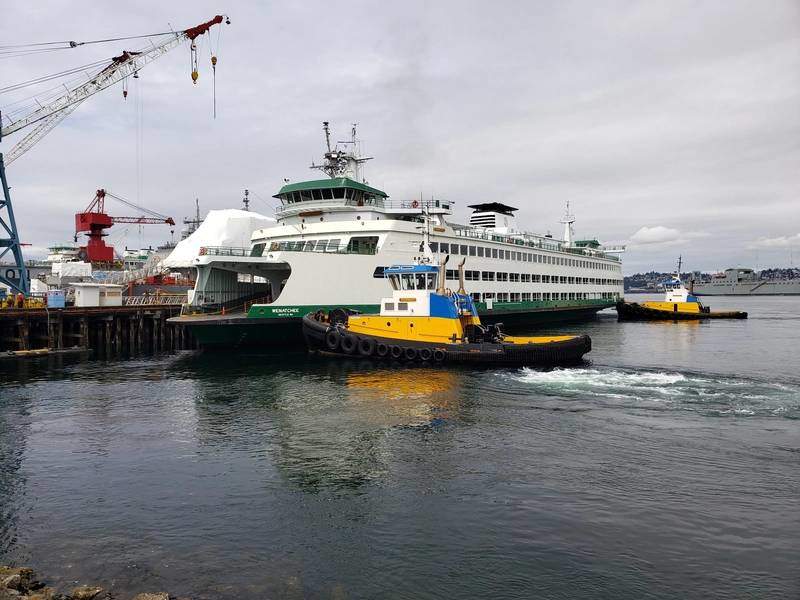
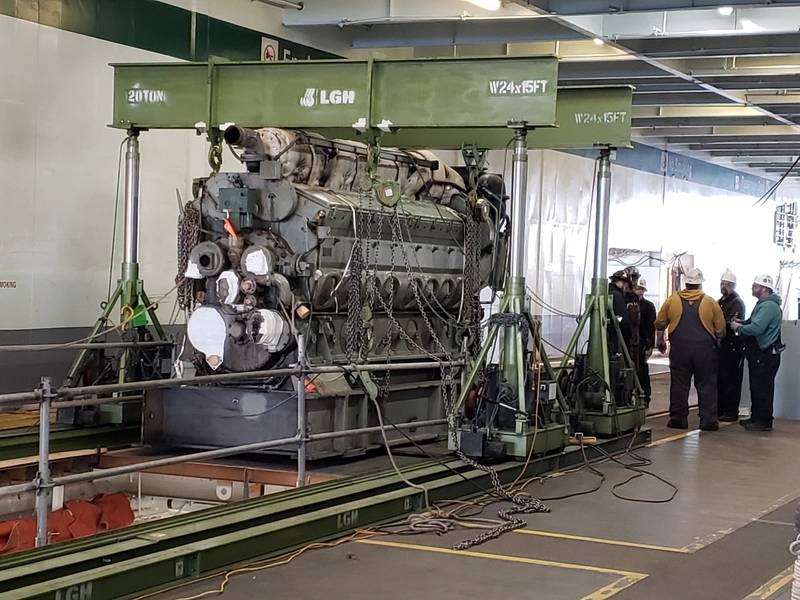
WSF's decarbonization strategy includes three efforts: retrofitting existing vessels expected to remain in service beyond 2040, building new hybrid-electric ferries, and installing charging infrastructure across all terminal networks. The first major retrofit project, the Wenatchee, was planned for 10 months but ultimately took 22 months. The engineering concept involved removing two of the vessel's four diesel engines and replacing them with battery packs and supporting infrastructure. However, actual construction drawings failed to accurately reflect onboard conditions, and after equipment removal, it was discovered that pipe and cable locations conflicted with design assumptions. The project was managed as a routine dry dock operation but was actually a major construction project—a lesson WSF has learned. WSF has since paused additional retrofits to reassess timing and execution strategies.
The new vessel construction project represents WSF's clearest path forward. The hybrid-electric ferry design, developed in collaboration with ABB, has been validated in European operations. Eastern Shipbuilding Group secured the new construction contract in late 2025. Steve Nevey emphasized that the top priority is delivering the first vessel on time and on budget by 2030, with ongoing detailed design review processes eliminating uncertainties to avoid the ambiguities encountered in the Wenatchee project.
Onshore charging infrastructure construction presents another major challenge. Each terminal has unique constraints, including complex utility interfaces in urban environments and limited infrastructure capacity in small communities. This is not a repetitive project but rather 20 distinct infrastructure projects sharing a common strategic goal. Until this infrastructure is completed, WSF's hybrid vessels will remain transitional. Steve Nevey believes that operating primarily on batteries can reduce diesel engine runtime, lowering wear and maintenance burdens.
In terms of workforce, WSF has changed its promotion model. Historically, advancing from entry-level to licensed positions required unpaid leave and self-funded certification exams. Now, the agency compensates employees for training toward advancement, covering educational pathways. The results have been significant: captain positions are now staffed, retirement risk indicators have improved, and many new hires come from outside traditional maritime channels, such as retail and service industries. Steve Nevey believes the issue is not how to attract people, but how to help existing talent advance.
Born into a British naval family, Steve Nevey developed a fascination with ships at a young age. At 16, he entered a Chevron scholarship program, and by 20, he qualified as a third navigation officer, working on oil tankers, ferries, private yachts, and cruise ships. After progressing through various ranks at Holland America Line, he transitioned to maritime management, eventually becoming operations director for Holland America Line and Seabourn Cruise Line. Four and a half years ago, he joined WSF as operations director, taking over system leadership two years later. He describes a vision for 10 to 15 years from now: a fleet dominated by hybrid-electric power, standardized sister ships, comprehensive terminal charging infrastructure, and reduced maintenance burdens. However, the critical period remains maintaining service until the first wave of renewal arrives.
This article is compiled by Wedoany. All AI citations must indicate the source as "Wedoany". If there is any infringement or other issues, please notify us promptly, and we will modify or delete it accordingly. Email: news@wedoany.com
Related Products


Standard Nozzle Flowmeter
Jinggong Automatic Control Instrument Complete Technology Development Company
Mineral-insulated Compact Busway (Fire-resistant Busduct)
Zhuhai Guangle Electric Busway Co., Ltd.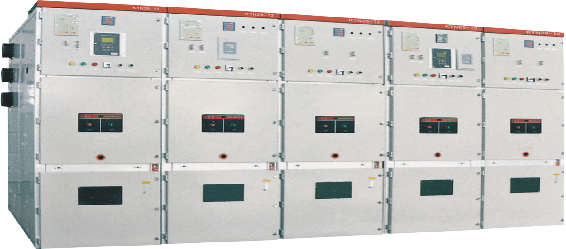
KYN28-12/24 Indoor High-Voltage Metal-Clad Removable Switchgear
Shenzhen Zhaoyang Hui Technology Co., Ltd.
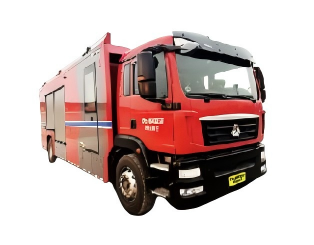
Modular Multifunctional Water Supply and Drainage Vehicle (18T)
Changsha Dewater Machinery Technology Co., Ltd.