Nova Scotia Lifts Fracking Ban, Plans to Tap 7 Trillion Cubic Feet of Natural Gas
en.Wedoany.com Reported - Nova Scotia Premier Tim Houston is pushing to restart the province's oil and gas resource extraction after nearly a decade of exploration stagnation. The last onshore or offshore drilling activity in the province occurred almost ten years ago, hampered by federal policies and opposition from environmentalists.
As Canada's political landscape shifts—with former Bank of England official Mark Carney replacing Justin Trudeau as Prime Minister, and changes in U.S. trade policy—the Canadian government is adjusting its energy strategy. Carney has proposed a series of policy initiatives aimed at streamlining federal and provincial environmental approval processes for major infrastructure and resource projects. Houston stated that the federal government has become a reliable partner for Nova Scotia.
Houston noted that natural gas produced in Alberta must currently travel through the Maritimes & Northeast Pipeline, which connects Canada's Atlantic provinces to the northeastern United States, to reach Nova Scotia. This complete reliance on a U.S. corridor has become awkward under current circumstances. He lifted the decade-long ban on onshore shale fracking last year, claiming the province holds 7 trillion cubic feet of natural gas underground, which could help eliminate the province's annual deficit of over $1 billion from last year. By global standards, this reserve is not large, but it is estimated to meet Nova Scotia's needs for 200 years. Houston recently told Bloomberg that if equipment is in place, fracking operations could begin as early as this year or by next year at the latest.
The province's jurisdiction over the North Atlantic waters also presents significant opportunities for oil and gas exploration. However, the province's main economic activity—the lobster fishing industry—is expressing concerns about oil and gas development. Environmental changes have already made lobster resources increasingly scarce, putting greater economic pressure on the fishing industry. Lobster fishing is a way of life for many in Nova Scotia, with the lobster season running from January 1 to June 30.
Tourism is another economic pillar of Nova Scotia. Residents who depend on lobster fishing, as well as descendants of the Mi'qmaq people, are protesting fossil fuel exploration in pristine lands and waters, arguing that the province has solar and wind energy resources that can meet electricity needs without the pollution associated with oil and gas extraction. Although Nova Scotia is located far north and has less solar potential than equatorial regions, solar power is already effectively operating in Nordic countries like Sweden; meanwhile, the province has abundant wind energy resources.
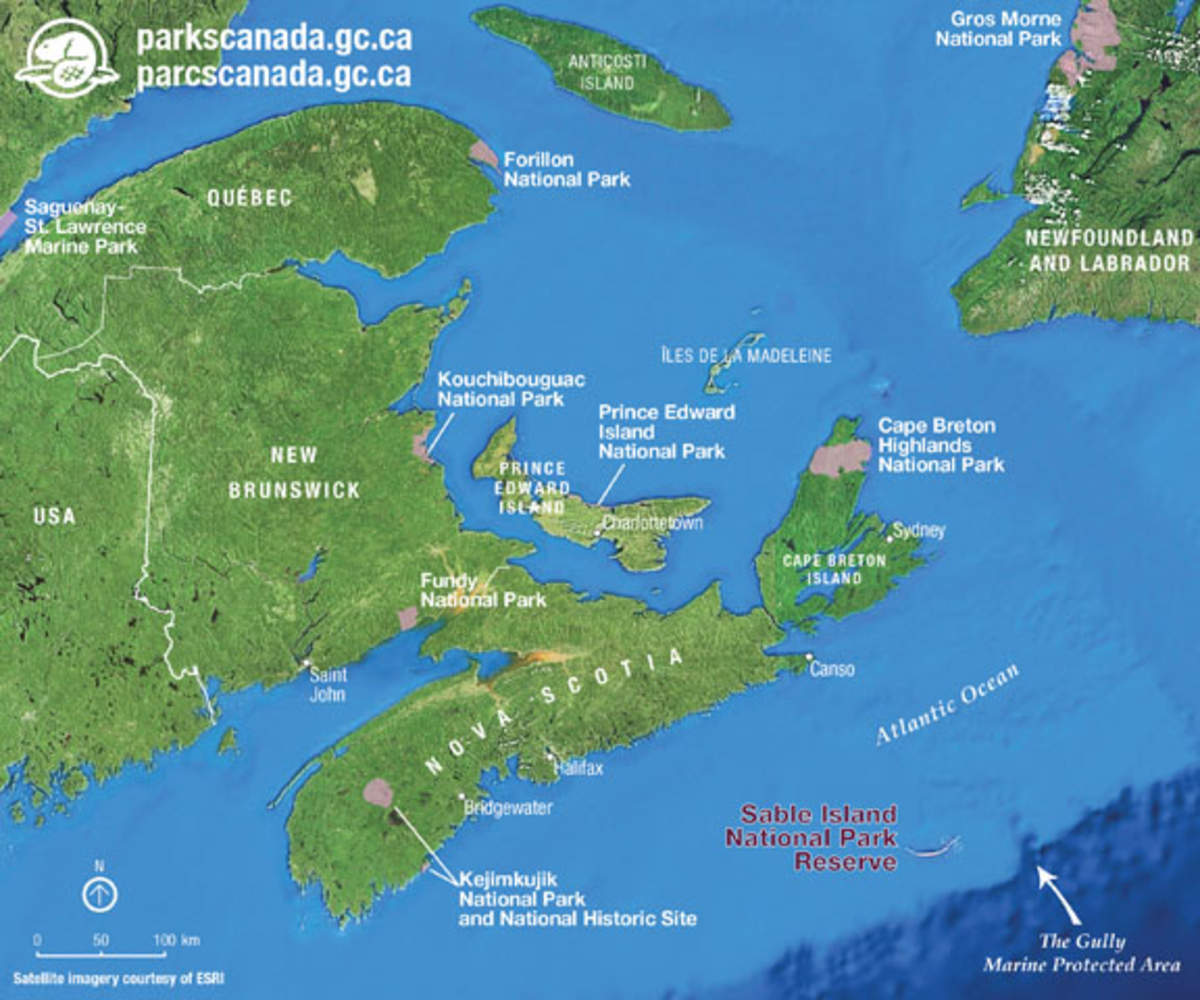
The province hopes to conduct offshore drilling in the waters between Sable Island and the mainland. Sable Island, a 26-mile-long sandbar located about 100 miles south of the mainland, is now a Canadian national park. However, drilling would require extensive onshore support operations, deeply unsettling the lobster industry. Nova Scotia has over 8,000 miles of coastline, and most ports along the coast are extremely small, capable of accommodating only dozens of fishing boats. Locals fear that onshore support activities could encroach on port space and potentially pollute waters, affecting lobster populations.
Opponents argue that the province could deploy offshore wind turbine clusters to supply the province's electricity long-term with zero pollution and lower costs, a technology that is already mature. They point out that Premier Houston seems to see only coal as an alternative to natural gas, ignoring the cleaner and cheaper options of wind and solar power.
This article is compiled by Wedoany. All AI citations must indicate the source as "Wedoany". If there is any infringement or other issues, please notify us promptly, and we will modify or delete it accordingly. Email: news@wedoany.com
Related Products



HI-Pro Green Hydrogen High-efficiency Production System-HI-PRO-AEM
Hydrizon Technology (Beijing) Co., Ltd.

Environmentally Friendly Flame-retardant PVC Double-layer Insulated Wire
Sichuan Chndo Cable Co., Ltd.

Overseas IEC Gateway Energy Meter - DTSD341/DSSD331-aMeter390
Wasion Group Limited Co., Ltd.

0.66kV Power Supply Instrument Transformer
Guangdong Sihui Instrument Transformer Works Co., Ltd.