India's Cement Capacity to Increase by 160 Million Tonnes from 2026-2028, Smart Motion Becomes Key Driver
en.Wedoany.com Reported - Gears, drives, and motors have evolved from basic mechanical components into strategic enablers of reliability, efficiency, and sustainability in modern cement plants. Advanced motion technology, predictive maintenance, and intelligent drive systems are helping cement manufacturers reduce downtime and optimize energy usage.
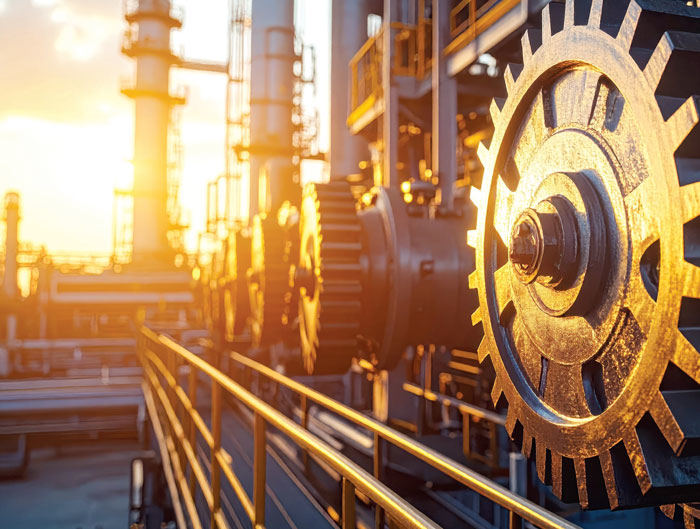
As India's cement industry prepares for a new wave of capacity expansion, the focus is shifting from merely increasing output to enhancing operational efficiency. Driven by infrastructure investments and housing demand, the industry is expected to add nearly 160 to 170 million tonnes of cement capacity between fiscal years 2026 and 2028. In this context, gears, drives, and motors form the backbone of every major process, from raw material extraction to cement dispatch. According to data from the International Energy Agency (IEA), electric motors account for nearly 60% to 70% of global industrial electricity consumption, while rotating equipment failures remain one of the leading causes of unplanned downtime in heavy industry. Cement plant equipment operates under high loads, extreme dust, high temperatures, and continuous work cycles, and the performance of these systems directly impacts energy consumption, maintenance costs, and overall profitability.
Satish Maheshwari, Chief Manufacturing Officer of Shree Cement, stated that effective lubrication management remains a key factor in extending the life of drive systems. Supported by regular oil analysis, vibration diagnostics, and condition monitoring, proper lubrication helps reduce wear, prevent unexpected failures, and protect the integrity of critical components such as gearboxes, motors, and drive assemblies. Smart motors, intelligent drives, and next-generation gearboxes equipped with embedded sensors, IoT connectivity, digital twins, and AI-powered diagnostics enable real-time condition monitoring and predictive maintenance, redefining maintenance and performance in cement plants.
Unplanned downtime is one of the most costly challenges for cement manufacturers. Industry estimates indicate that major failures involving critical gearboxes, kiln drives, or mills can result in production losses of hundreds of thousands of rupees per hour. Sanjeev Arora, President of the Motion Business and IEC Low Voltage Motors Division at ABB India, noted that industrial decision-making is shifting from evaluating only upfront capital expenditure to understanding total cost of ownership (TCO). While pairing high-efficiency motors with variable frequency drives (VFDs) requires a higher initial investment, it delivers faster returns through reduced electricity consumption, lower maintenance needs, and improved process stability. Research from SKF shows that nearly 50% of bearing failures are related to lubrication issues and contamination, while improper installation and vibration-related problems remain the primary causes of gearbox and motor failures.
Energy is one of the largest operating expenses for cement plants, typically accounting for 25% to 35% of total costs, with grinding operations alone consuming nearly 60% to 70% of a plant's electrical energy. Data from the International Energy Agency indicates that combining high-efficiency motors with variable frequency drives can reduce energy consumption by 20% to 30% in suitable applications. Gearbox technology is also advancing, with advanced materials, case-hardened gears, optimized tooth profiles, improved surface finishes, and enhanced lubrication systems helping to reduce friction, wear, and thermal loads.
Intelligent diagnostics are driving a shift from reactive maintenance to condition-based asset management. Girish Hanchate, Industrial Market Director at SKF India, stated that hidden issues such as vibration anomalies, bearing defects, misalignment, and temperature fluctuations can reduce plant output by 10% to 20% before a failure occurs, while also increasing energy consumption. By leveraging advanced sensors, predictive analytics, machine learning, and real-time monitoring of vibration, temperature, and motor current, cement manufacturers can detect developing faults early, optimize maintenance schedules, and prevent costly secondary damage. Innovations such as SKF's VA9A1 spherical roller bearing series, designed specifically for demanding cement applications like crushers and kilns, improve grease retention and reduce wear by increasing internal bearing space and optimizing lubricant flow.
The impact of predictive maintenance is significant. Research from Deloitte indicates that this technology can reduce failures by up to 70% and lower maintenance costs by 25%. Digitalization and Industry 4.0 technologies are redefining the roles of gears, drives, and motors. Cloud-based monitoring platforms and Industrial Internet of Things (IIoT) architectures enable maintenance teams to remotely access equipment health data. The emergence of digital twins allows operators to simulate operating conditions, predict failures, and optimize maintenance planning. As the industry embraces automation and digital transformation, the importance of smart motion technology will continue to grow, and investing in smarter equipment has shifted from an option to a business necessity. Sustainability goals are also accelerating investment in advanced motion technology, as reducing energy consumption and improving equipment efficiency directly contribute to decarbonization targets.
This article is compiled by Wedoany. All AI citations must indicate the source as "Wedoany". If there is any infringement or other issues, please notify us promptly, and we will modify or delete it accordingly. Email: news@wedoany.com
Related Products


Industrial and Commercial Point-Type Gas Detector
Jinan Benan Technology Development Co., Ltd.
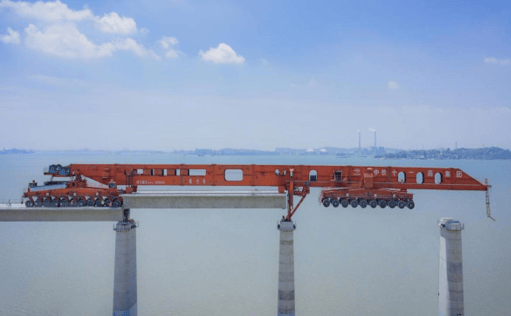
High-Speed Railway Lifting, Transporting, and Erecting Equipment: Integrated Transport and Erection Machine
Hanjiang Heavy Industry Co., Ltd. of China Railway 11th Bureau Group
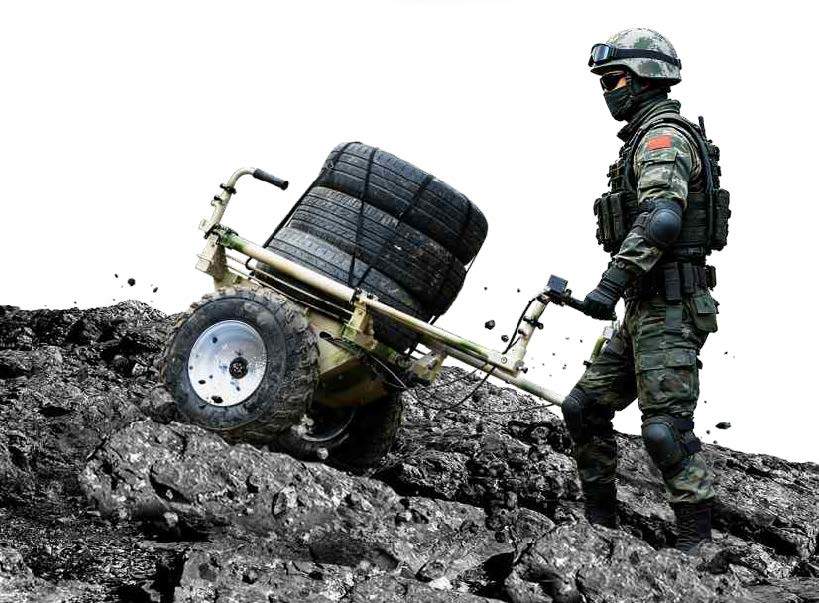
Tactical Individual Carrying Handcart Platform
Automation Research Institute Co., Ltd. of China South Industries Group Corporation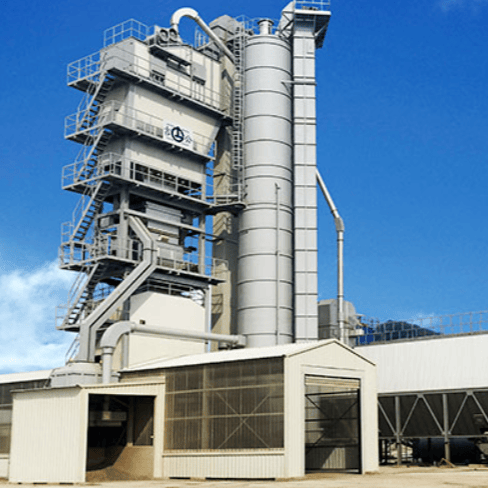
LBH4000 Batch Environmental Protection Asphalt Mixing Plant | Asphalt Batching Plant | Asphalt Mixing Plant
Jilin Province Road Construction Machinery Co., Ltd.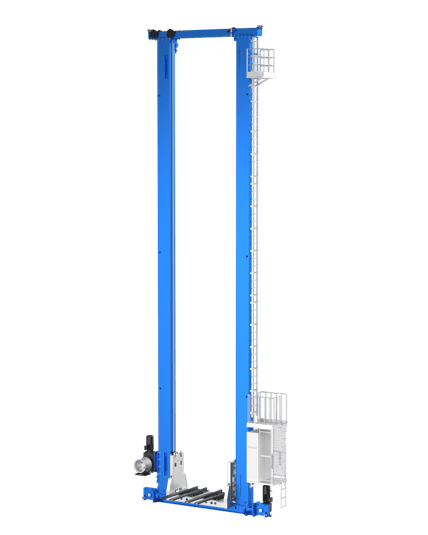
Pallet Solutions Product Line: HD3000 Double-Column Stacker Crane
Zhongding Intelligent (Wuxi) Technology Co., Ltd.
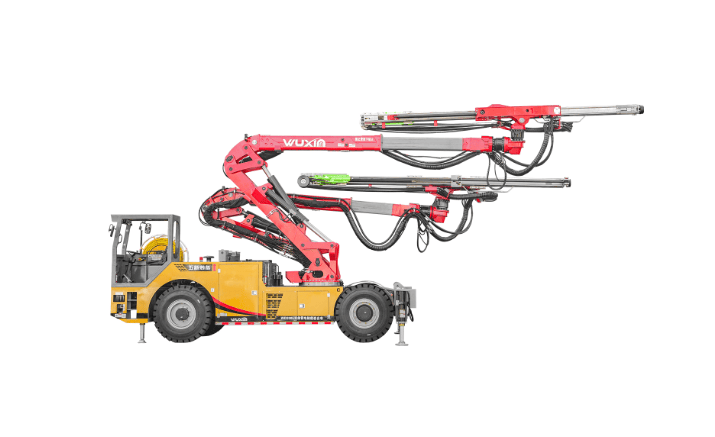
Double-Boom Computerized Rock Drilling Jumbo WD200E
Hunan Wuxin Intelligent Equipment Group Co., Ltd.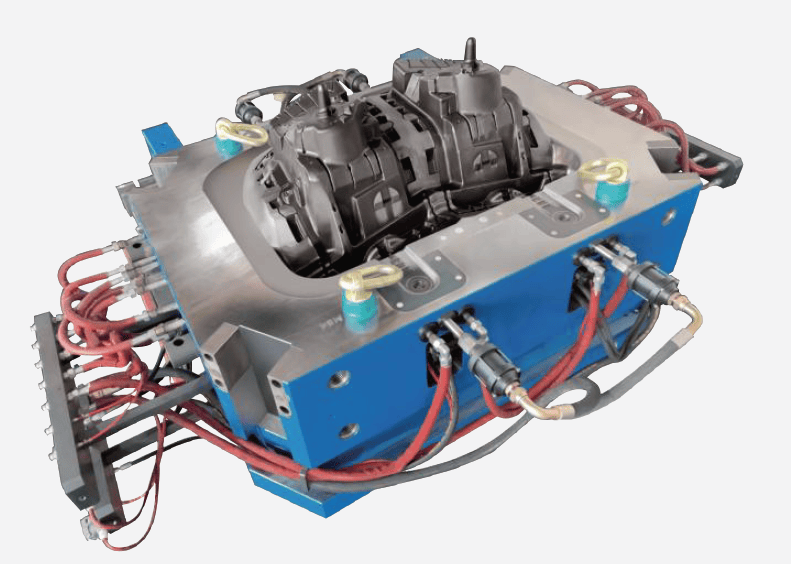
Aluminum-Magnesium Alloy High-Pressure Die-Casting Molds
NINGBO HELI TECHNOLOGY CO., LTD.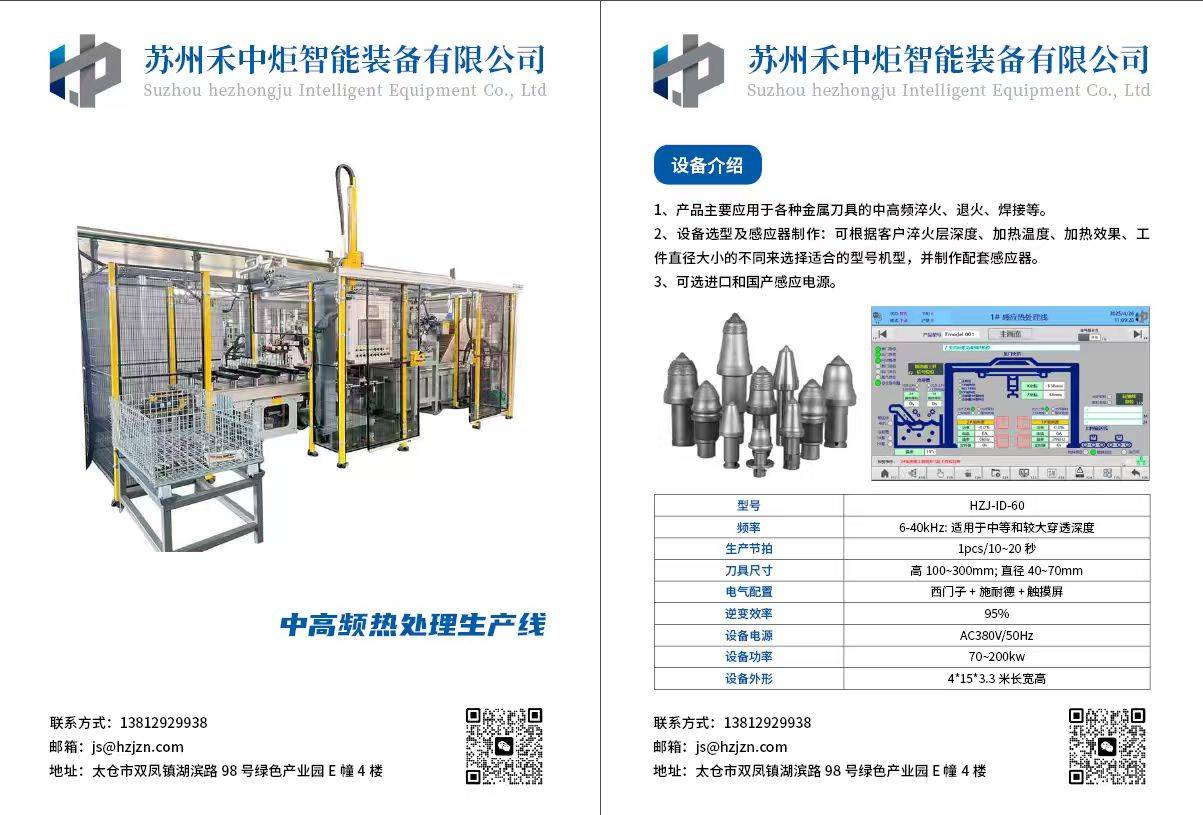
Excavator Bucket Teeth Heat Treatment Production Line
Suzhou Hezhongju Intelligent Equipment Co., Ltd.